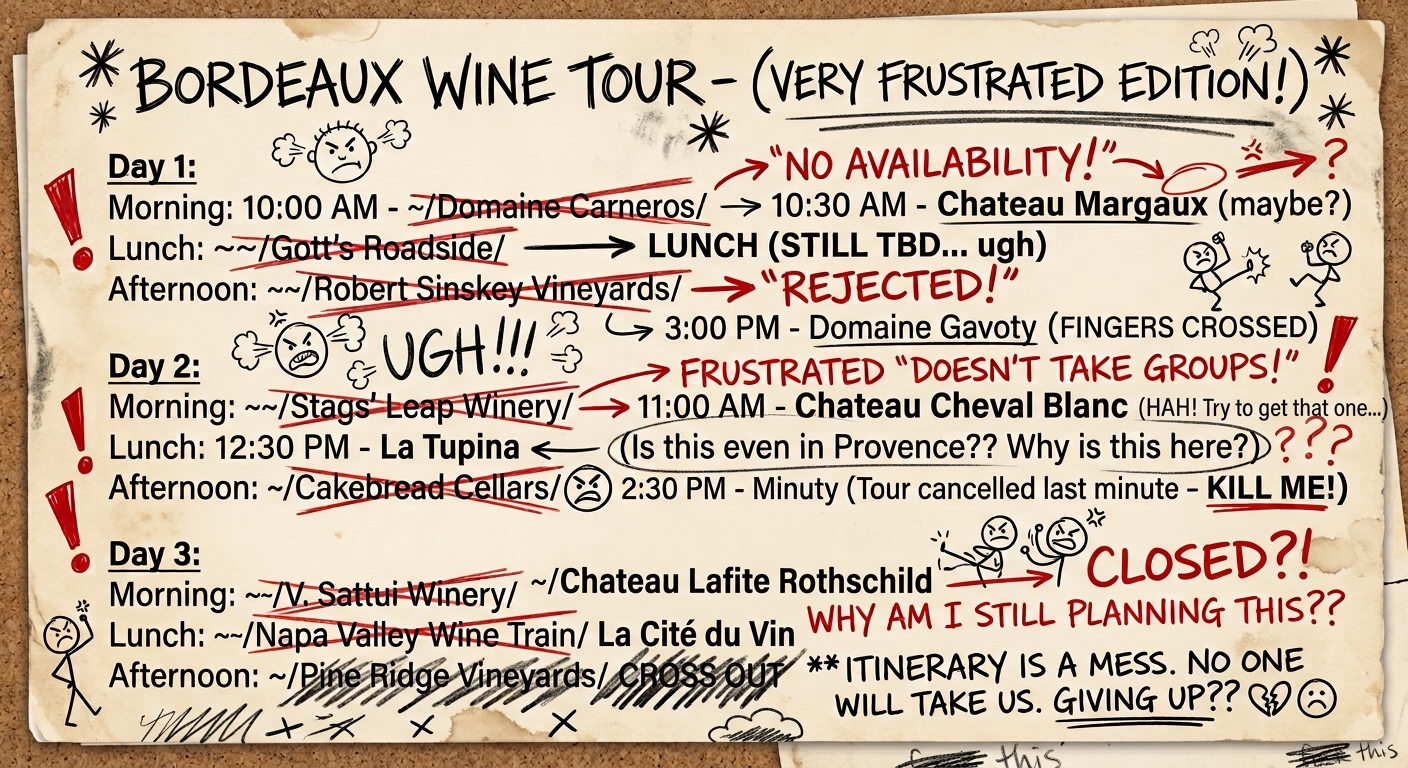
You've done your research. You know about Pauillac's power, Saint-Émilion's prestige, the difference between Left Bank and Right Bank. You've read the wine guides, bookmarked the châteaux websites, and you're convinced: How hard can it be to just visit some wineries and taste some wine?
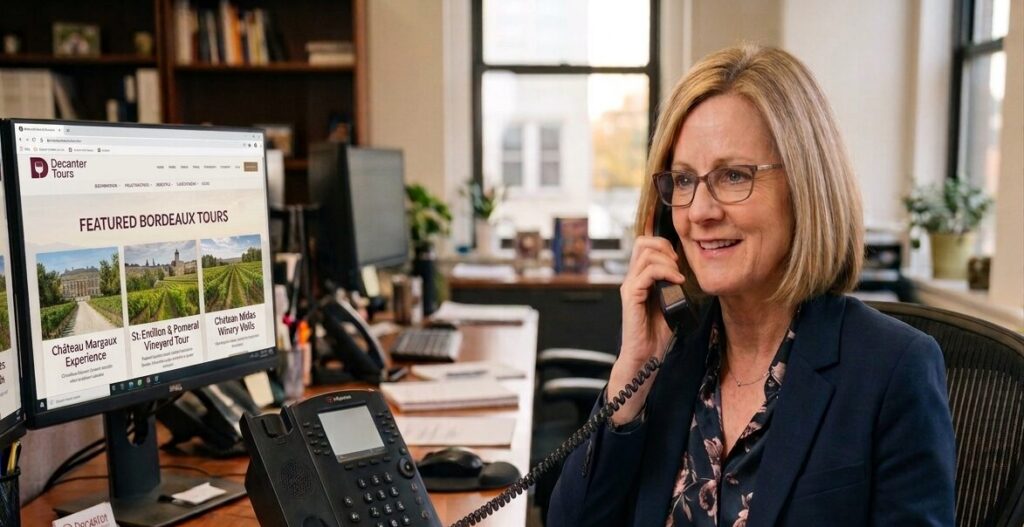
This is the moment Decanter Tours usually gets the call.
The fantasy of a Bordeaux wine tour is straightforward: show up, taste, move to the next château, repeat. Maybe hit three or four estates in a day. Come home with stories and a suitcase of wine you'll treasure for years.
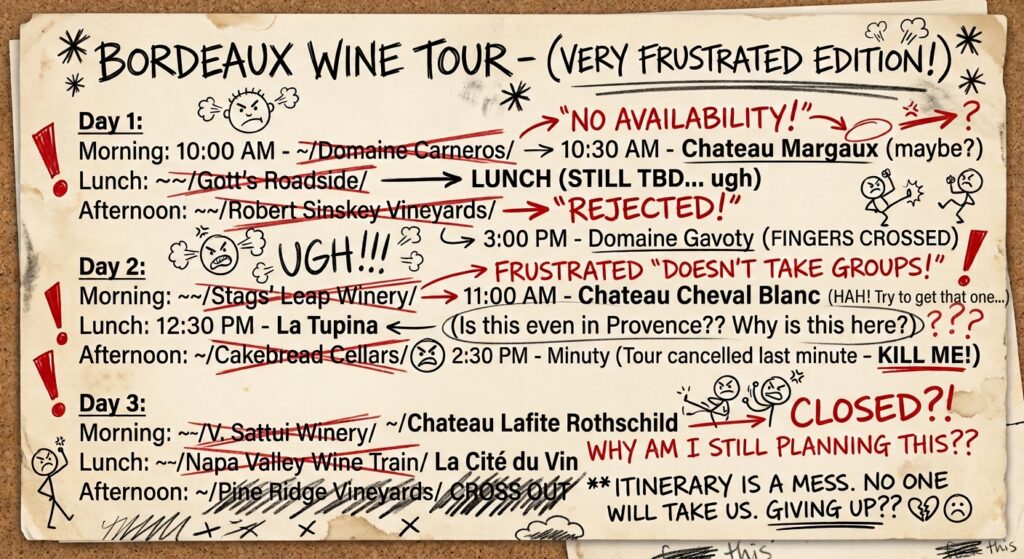
The reality—which experienced travelers and repeat visitors know all too well—is operationally chaotic from the moment you try to book your first tasting.
This isn't because you're not wine-savvy enough. It's not because you haven't planned hard enough. It's because Bordeaux wine tourism operates on rules that aren't written anywhere, access is gatekept by relationships you don't have, and the logistics are far more intricate than a visitor can navigate alone.
Let's break down why your DIY plan is already compromised.
Here's what nobody tells you: château operations aren't built around visitor convenience. They're built around winemaking, estate management, and staff lunch breaks.
The non-negotiable reality:
This is why the fantasy of "five châteaux in a day" exists only on travel blogs written by people who've never actually done it.
The math of reality: You can reasonably visit 3 estates in a full day. Not five. Not four. Three. And that's if everything runs perfectly—no delays, optimal routing, and ideal timing.
When you're booking on your own, you don't have the leverage to secure back-to-back, well-timed slots. You get what's available. And what's available rarely aligns into a seamless day.
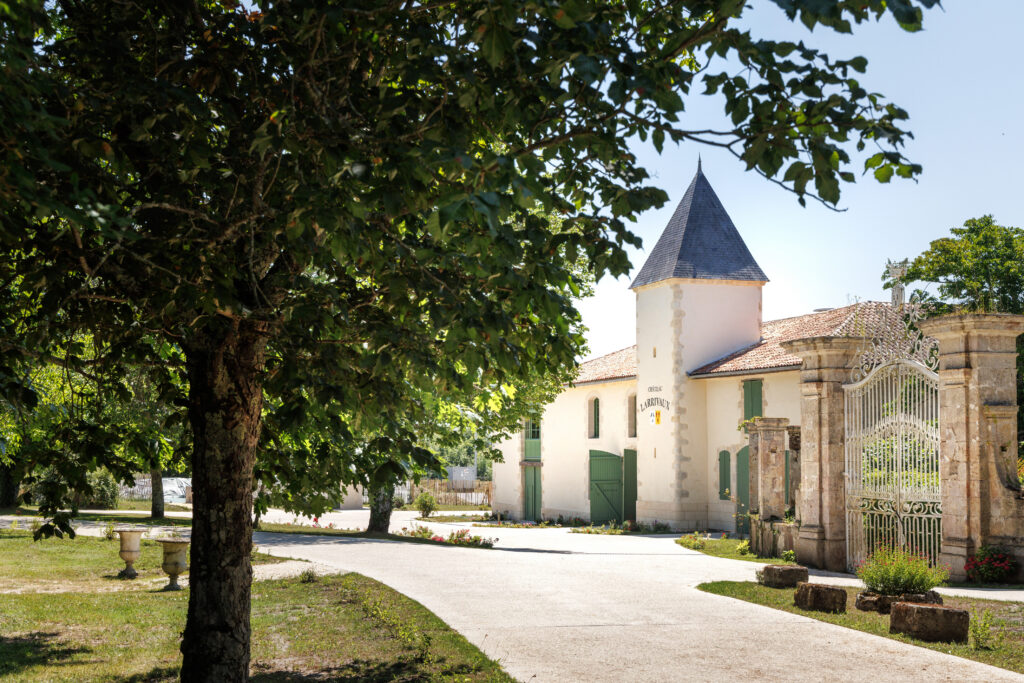
Here's what separates a curated Bordeaux experience from a frustrating one: access.
Walk-up visits to serious estates? You'll be turned away at the gate. Bordeaux isn't California wine country. You cannot just arrive and expect someone to pour you a glass. The gates are literal and metaphorical.
Email inquiries from strangers get ignored or rejected. You send a polite request to a prestigious château's website. You get silence. Or you get "we're fully booked." Or you get directed to a third-party tour operator because they don't handle individual bookings.
Top estates require weeks of advance notice. Some require a month. Some require personal introduction from a négociant (wine merchant), a known wine professional, or someone already in their system.
And some châteaux simply don't accept public bookings at all. Not because they're rude. But because they produce limited quantities, their tasting rooms are small, and they've decided their energy goes to serious collectors, trade professionals, and people they already know.
This is the access barrier. It's real. And it's not something email persistence fixes.
Getting into the better experiences isn't about wanting it badly. It's about who knows you. It's about relationships that have been built over time with the people who actually run these places.
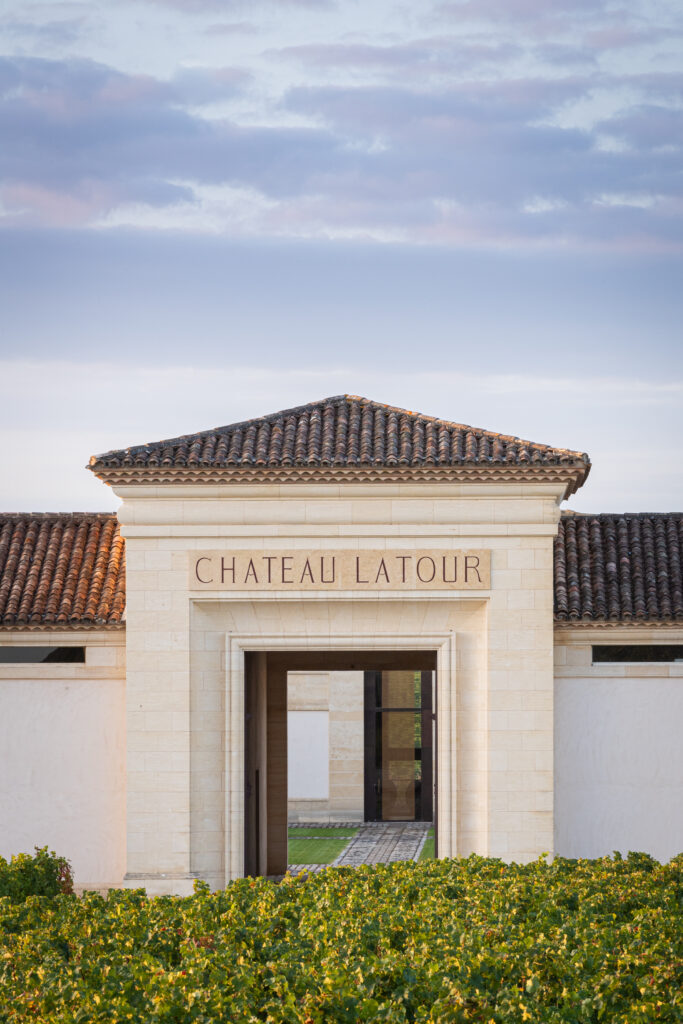
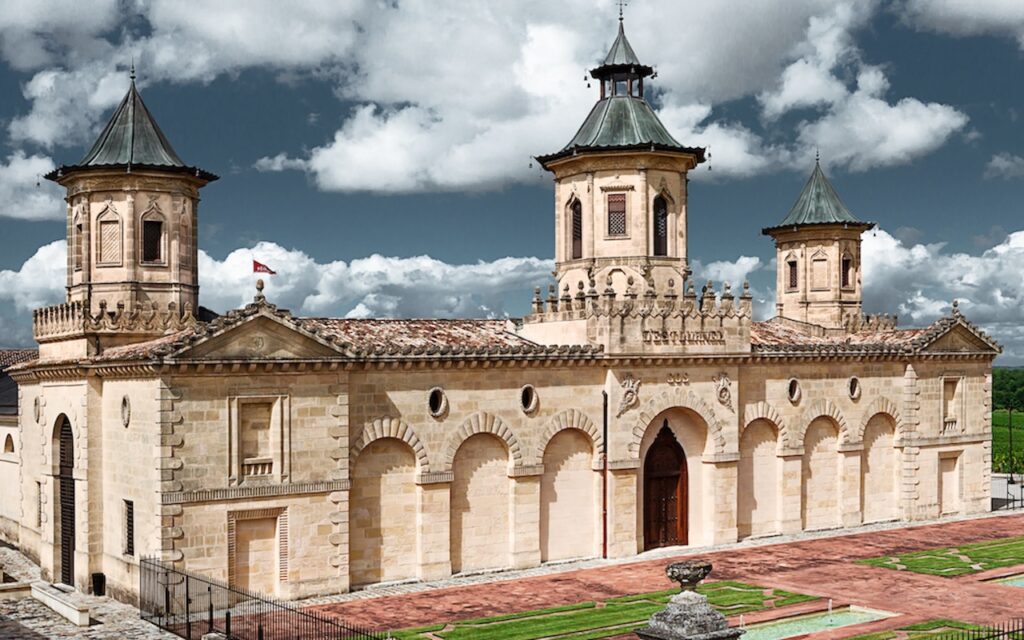
You've heard the names. Certain first-classified growths in Pauillac. The iconic châteaux on the postcards. The estates that show up in every wine history book.
Here's an insider truth: fame isn't a quality indicator for visitor experience.
Some of the most celebrated châteaux are underwhelming when you actually visit. The grand names draw crowds, so they've become factories: tightly scheduled tours, large groups, rushing through the tasting room. You get architecture and history, not hospitality or meaningful interaction. You leave feeling like you've checked a box, not like you've experienced something remarkable.
Other celebrated estates have moved away from public tourism altogether, prioritizing their serious collector clientele and trade relationships. They're not interested in casual visitors. The postcards of their châteaux are beautiful, but the tasting experience has become the opposite of welcoming.
Conversely, some of the most memorable tastings happen at estates with less famous names—properties that genuinely enjoy hosting visitors, where the winemaker or director actually shows up to taste with you, where the experience feels personal rather than transactional.
The skill is knowing which is which. And that's not something you can figure out from a website.
If you're going to navigate the logistics yourself, focus your energy on these types of experiences:
1. The Smaller Grand Cru That Still Welcomes Visitors A classified estate that has resisted becoming overly commercial. They've kept their tasting room intimate, the owner or manager still appears for serious visitors, and the experience feels genuine. These require advance booking, but they're accessible if you contact them correctly and in advance. Expect to pay a modest tasting fee. This is where you'll have a real conversation about the wine, the vineyard, the vintage—not a 20-minute rush.
2. The Boutique Producer With a Real Story Often family-owned, sometimes on the secondary appellations (but making excellent wine). These places are actually glad you're interested. They love talking about their vineyard, their methods, their philosophy. The wines might age beautifully. The experience is personal. Access requires advance notice, but there's no gatekeeping—just genuine winemakers who are thrilled to share what they do.
3. The Négociant or Maison With a Serious Tasting Room These are merchant houses that represent multiple estates and curate impressive selections. They have proper tasting facilities, trained staff, and they handle walk-ins or advance bookings. You'll taste from multiple producers, gain perspective on regional diversity, and actually learn something. Less romantic than a private château, but logistically sound and genuinely excellent.
The commonality: all three reward planning ahead, respect your time, and deliver actual conversation with people who care about the wine.
Timing matters enormously:
At this point, you might be thinking: "Okay, so maybe I need to plan more carefully, book further in advance, be more selective about which châteaux to visit."
You're not wrong. But this is precisely where DIY becomes exhausting.
You're now juggling:
This is why a lot of people call Decanter Tours. Not because they're incapable of doing this themselves, but because they've realized the complexity isn't worth their vacation time.
If you're reading this and thinking, "Okay, I believe you—DIY is complicated. But how do you actually execute a great day?"—that's exactly what Part 2 covers.
In the next guide, we walk through how to pace a perfect Bordeaux day, the logistics that actually work, and what Decanter Tours brings to make it seamless.
A: Possibly, but not to the experiences worth having. A small number of visitor-friendly estates accept walk-ins, but the better châteaux—the ones that deliver real tastings and genuine interaction—require advance notice. And the truly exceptional experiences are off-limits without an introduction or established relationship.
A: Pricing reflects business model. Estates focused on tourism charge fees (€10-€50+) and run on that revenue. Estates focused on serious collectors or trade relationships may offer tastings without a fee but require an appointment and often a recommendation. Some charge fees only for longer tastings or bottle purchases. There's no standard—you discover the pricing when you contact them.
A: For casual, visitor-friendly estates: 1-2 weeks minimum. For better estates: 3-4 months is safer. For truly exclusive experiences: 6 months or more. And some châteaux simply don't book more than a few months out, so timing matters. Shorter notice = fewer options. You'll often find yourself booking less desirable time slots or facing rejection.
A: No serious château will judge. But your lack of wine knowledge makes it harder to navigate booking processes, understand what to expect, and ask the right questions. Professional guides handle this seamlessly; DIY requires confidence and research most casual wine enthusiasts don't have time for.
A: Technically, yes, but practically, no. The drive between regions is longer than it looks on a map. You'll waste 45+ minutes driving time and be either rushed or limited to two estates total. Better to dedicate a day to one region.
A: DIY isn't necessarily cheaper—it's often more expensive when you factor in car rentals, gas, tolls, accommodation, potentially missed experiences, and wasted time. But the real difference is in the quality of access and the seamlessness of execution. You pay for time saved, stress eliminated, and experiences curated by people who know the landscape.
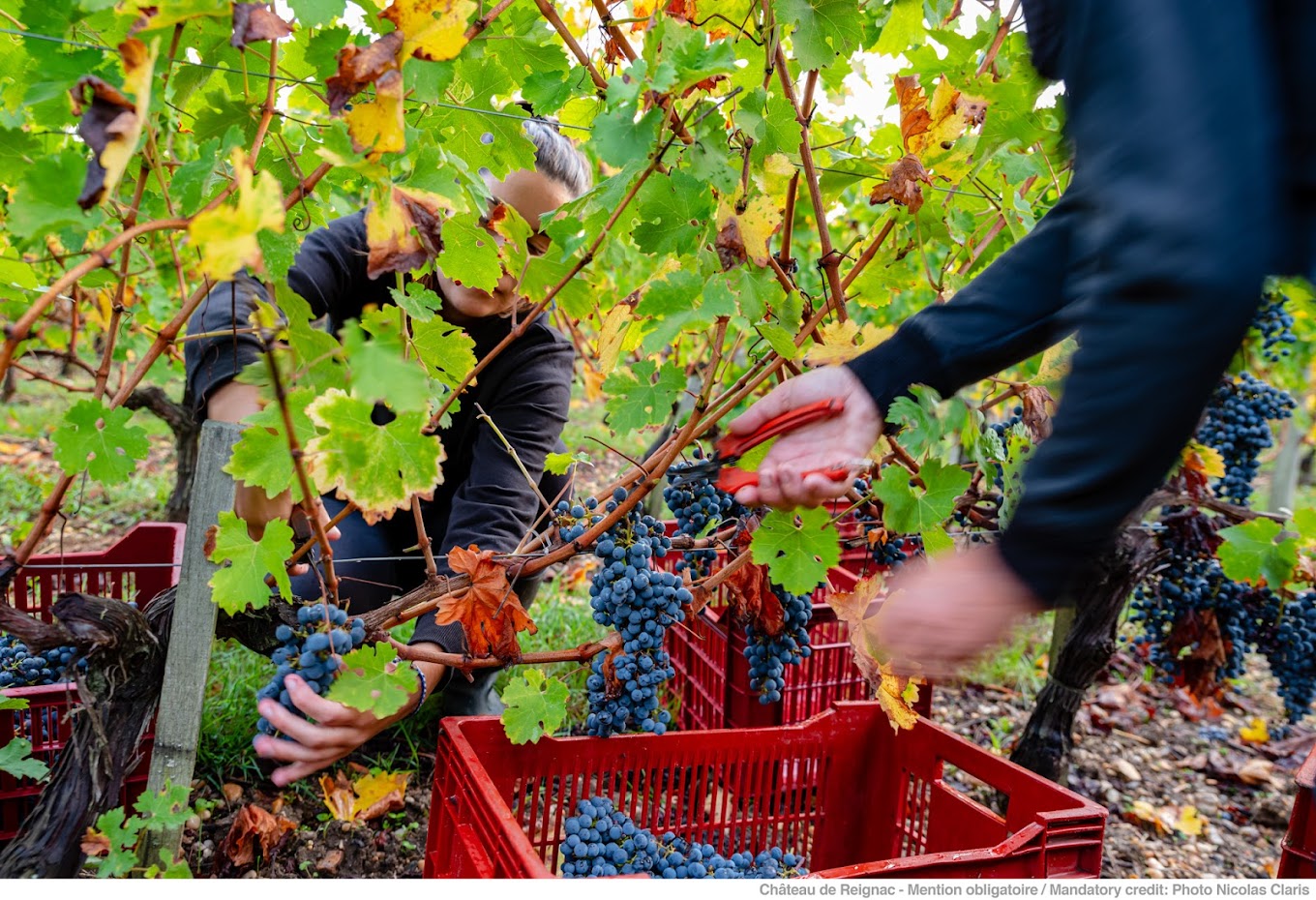
A: Harvest is energizing, but also the hardest time to visit without connections. Everyone wants to see the energy of active winemaking, but staff are in the vineyard, availability is limited, and casual bookings are nearly impossible. Spring and September are better for actual visitor experiences during harvest season.
A: It helps, but isn't essential at visitor-focused estates. However, it limits your ability to navigate phone calls, confirm bookings, and have deeper conversations with winemakers. Many estates have English-speaking staff, but not all. DIY requires either French skills or patience with translation.
A: You pivot to your backup option—if you have one planned. Most DIY visitors don't. They get rejected and scramble, sometimes resulting in settling for mediocre experiences or driving time wasted. Professional itineraries have A, B, and C options built in, ready to activate if needed.
A: Honest answer: nobody can guarantee it, especially if you're booking on your own. Even Decanter Tours has estates that don't always accommodate requests. But established relationships mean better odds, alternative options you didn't know existed, and backup plans that actually work.
Ready to actually execute a seamless Bordeaux wine day?
Contact us for your free quotation.
Read Part 2: The Definitive Bordeaux Wine Tour Guide: How to Pace a Perfect Day to see how professional curation turns complexity into an effortless, unforgettable experience.

Experience the finest private wine tours in Bordeaux and beyond. With over 20 years of expertise, we craft tailor-made wine journeys to iconic regions like Médoc, Saint-Émilion, Burgundy, and Champagne. Explore exclusive chateaux with expert guides and seamless planning for a truly unforgettable experience.