Nestled at the foot of the Côte d'Or in eastern France, Beaune is one of the world's great wine destinations — a medieval walled city where centuries of viniculture history live in every cobblestone, cellar, and glass. If Burgundy is the holy land of Pinot Noir and Chardonnay, then Beaune is its Jerusalem: the spiritual and commercial centre that has drawn pilgrims, merchants, and wine lovers for over 600 years.
Unlike some wine regions where production towns feel like afterthoughts, Beaune is an exceptional destination in its own right. Its perfectly preserved ramparts, the fairy-tale Hôtel-Dieu, Michelin-starred restaurants, and some of the most prestigious wine houses on the planet make it a place where you can spend days — and still feel you've only scratched the surface.
For Decanter Tours guests, Beaune is frequently the crown jewel of our Burgundy itineraries: the base from which we explore legendary vineyards, the setting for unforgettable cellar dinners, and a living classroom for understanding why Burgundy wine is unlike anything else on earth.
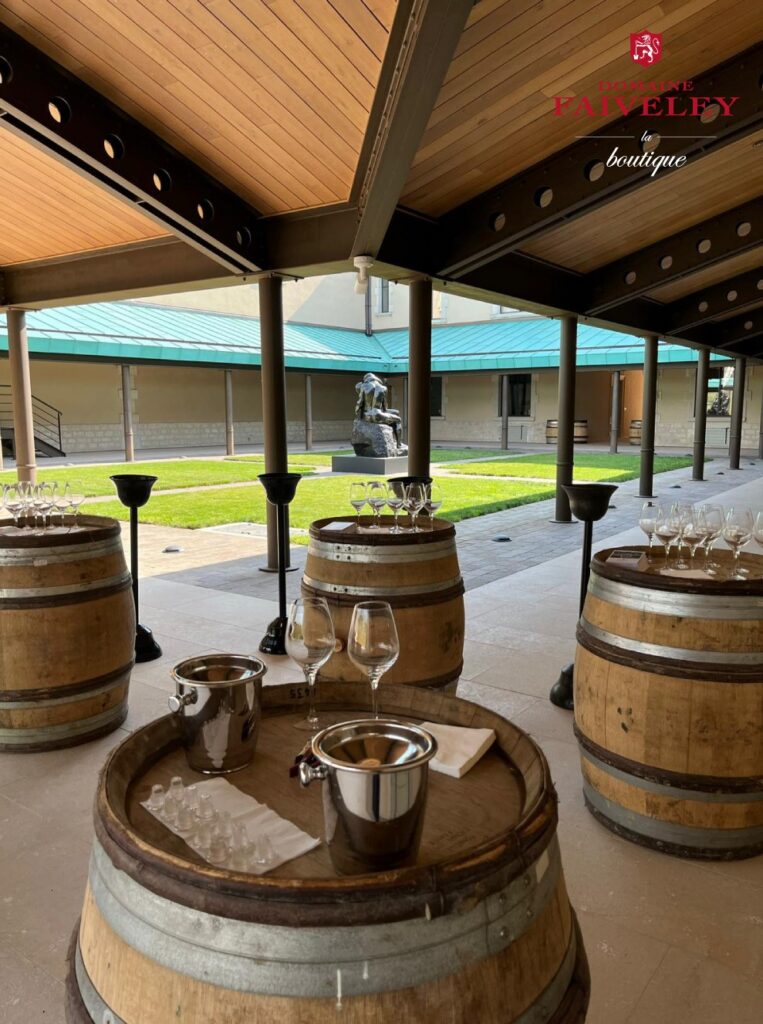
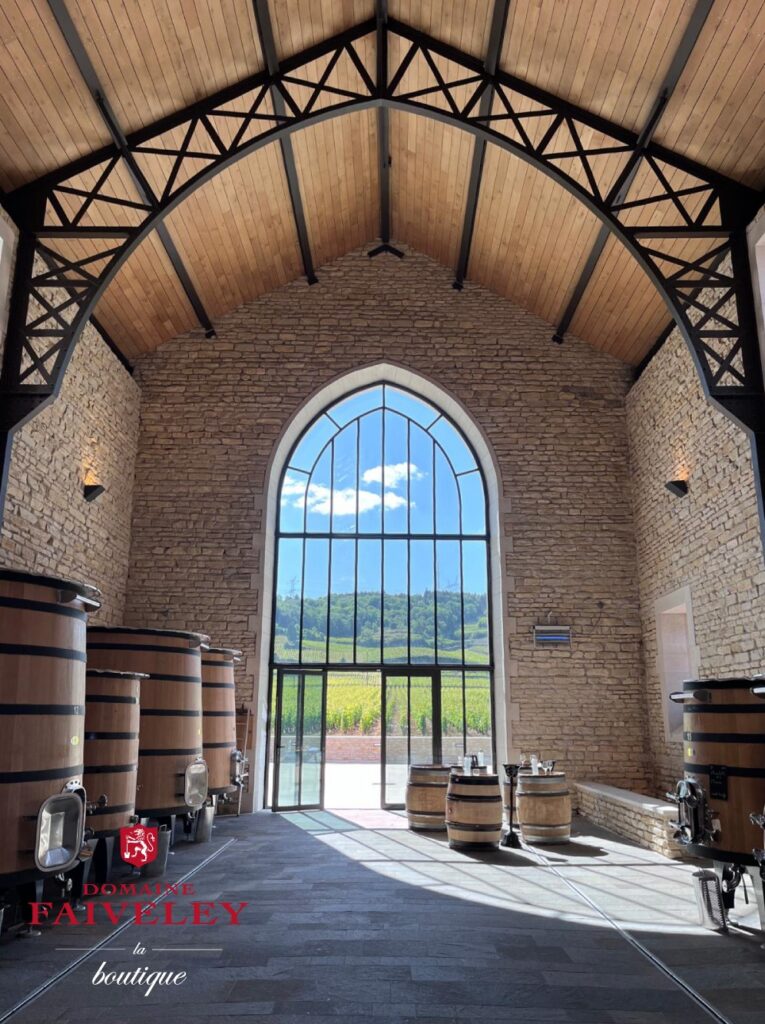
Beaune's claim to the title of wine capital of Burgundy isn't merely marketing — it's historical fact. The city has served as the trading hub of the region since the Dukes of Burgundy held court here in the 14th and 15th centuries, and the great négociant houses that line its streets — Bouchard Père & Fils, Joseph Drouhin, Louis Jadot, Patriarche — have shaped the global wine trade for generations.
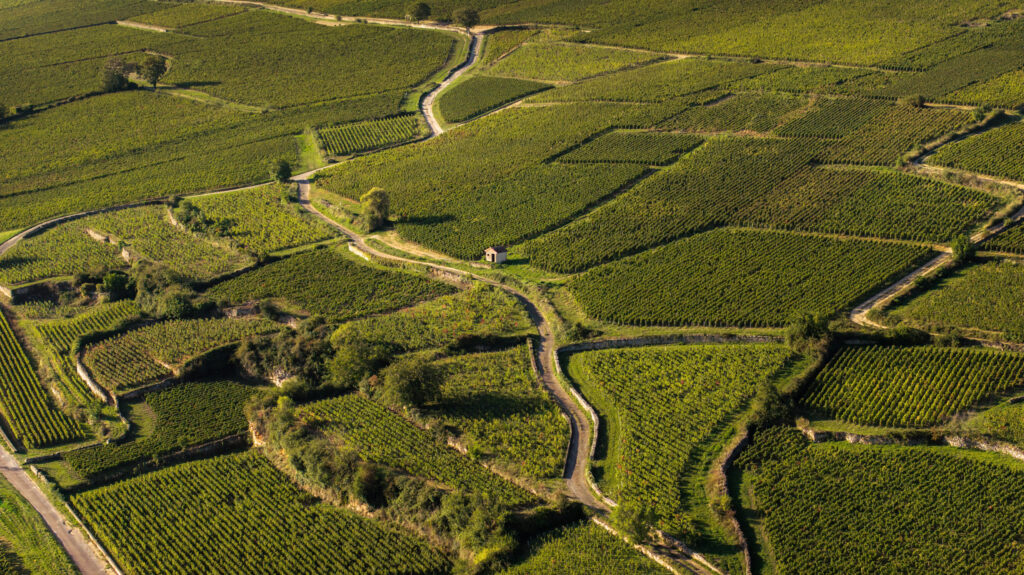
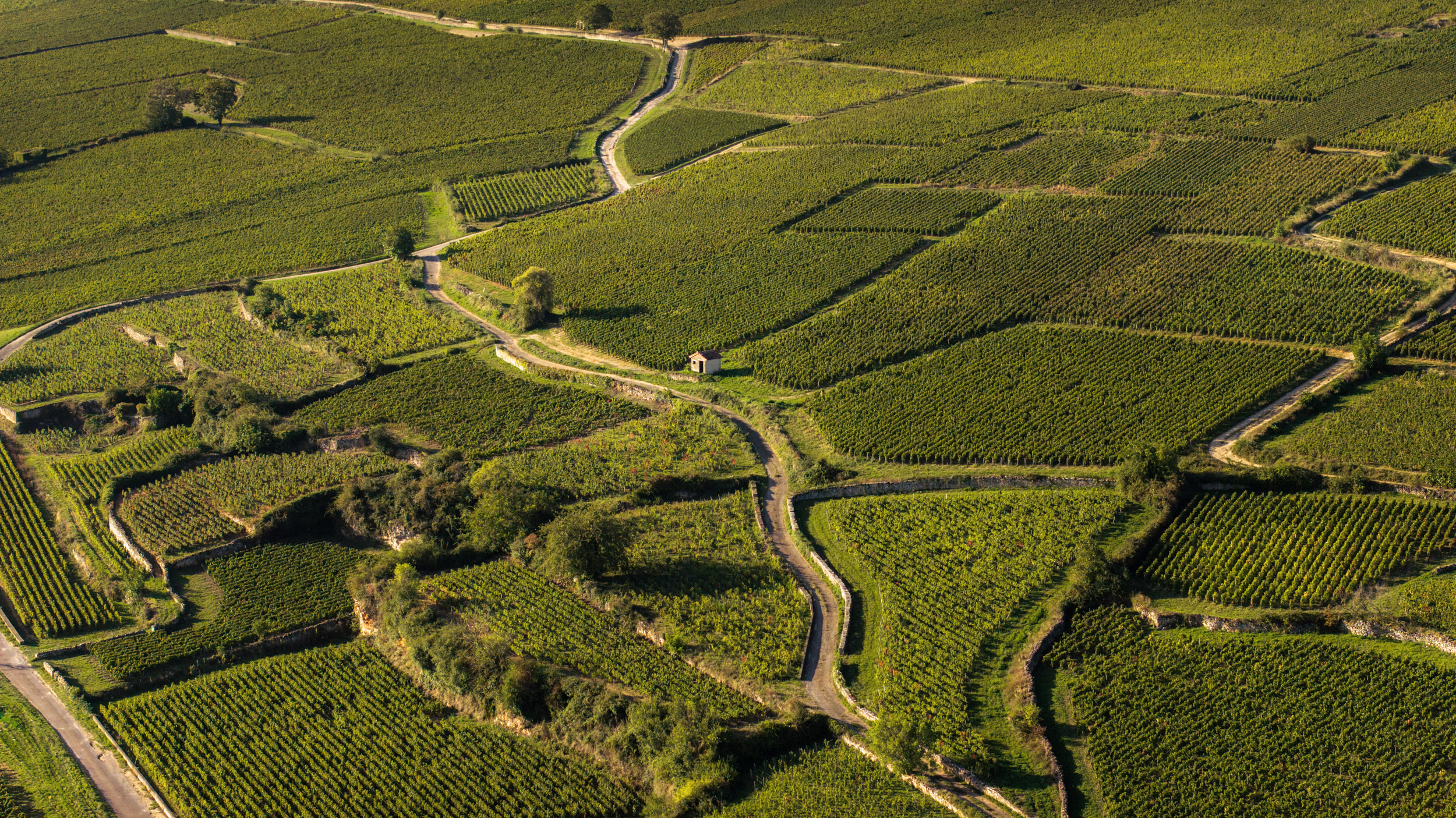
Beaune sits at the geographic centre of the Côte d'Or (literally, "Slope of Gold"), a narrow 50km limestone escarpment that produces some of the most expensive and sought-after wines in the world. To the north, the Côte de Nuits is Pinot Noir country — home to Gevrey-Chambertin, Vosne-Romanée, and the mythical Romanée-Conti. To the south, the Côte de Beaune gives us the world's greatest white Burgundies from Meursault, Puligny-Montrachet, and Chassagne-Montrachet, alongside the silky reds of Pommard and Volnay.
The classification system here is uniquely complex and centuries old. Understanding the difference between a village wine, a premier cru, and a grand cru isn't just academic — it's the key to unlocking extraordinary value and extraordinary pleasure. Our Decanter Tours experts will guide you through this labyrinth with ease.
Burgundy is the birthplace of the concept of terroir — the idea that a wine's character is inseparable from the specific patch of earth it comes from. Here, two adjacent vineyards separated by a single track can produce wines of dramatically different character. Nowhere in the world is this principle more purely expressed than in Burgundy, and Beaune is your gateway to experiencing it first-hand.
⭐ DECANTER TOURS INSIDER TIPS — Its not what you know its who WE know!
| Burgundy is all about who you know. Getting into some of the properties is extremely tricky. With our connections you can visit the most important Burgundy houses and taste many exclusive wines. |
No building in Burgundy is more photographed, more storied, or more central to the region's identity than the Hôtel-Dieu des Hospices de Beaune. Built in 1443 by Nicolas Rolin, Chancellor to Philip the Good, Duke of Burgundy, it was founded as a charitable hospital for the poor — and it continued operating as a working hospital until 1971. Today it is a UNESCO World Heritage Site, a museum, and the stage for one of the world's most important annual wine events.
The building's Flemish Gothic exterior gives way to one of the most breathtaking interior courtyards in France: a dazzling polychrome tiled roof in geometric patterns of green, yellow, red, and black, surrounded by ornate timber galleries. The Great Hall of the Poor, where patients once lay in beds along the walls, is preserved exactly as it was, complete with a vast Flemish altarpiece by Rogier van der Weyden — considered one of the masterpieces of 15th-century Northern European art.
Even for travellers who consider themselves purely wine-focused, the Hôtel-Dieu is unmissable. It is, quite simply, one of the most beautiful buildings in France.

Every year on the third Sunday of November, the Hospices de Beaune hosts what is often called the world's greatest charity wine auction. The auction has been held almost without interruption since 1859, raising funds for the Hospices' medical and social welfare programmes.
The wines auctioned come from over 60 hectares of premier and grand cru vineyards — donated over the centuries by Burgundian families — and are sold by the barrel, before bottling, to négociants, private collectors, and restaurants from around the world. The prices achieved serve as a barometer for the vintage and for Burgundy's fortunes more broadly.
The auction weekend — known as Les Trois Glorieuses — is Beaune at its most festive and frenetic, encompassing a grand dinner at the Château du Clos de Vougeot on Saturday, the auction itself on Sunday, and the Paulée de Meursault on Monday, where producers and guests bring their finest bottles to share in one of Burgundy's most joyful traditions.
Beneath Beaune's streets lies a labyrinth of cellars stretching for miles — some dating back to the 12th century. Many of the world's most prestigious Burgundy négociants have their headquarters here, and visits to their cellars offer both a sensory education and a genuine connection to centuries of winemaking history.
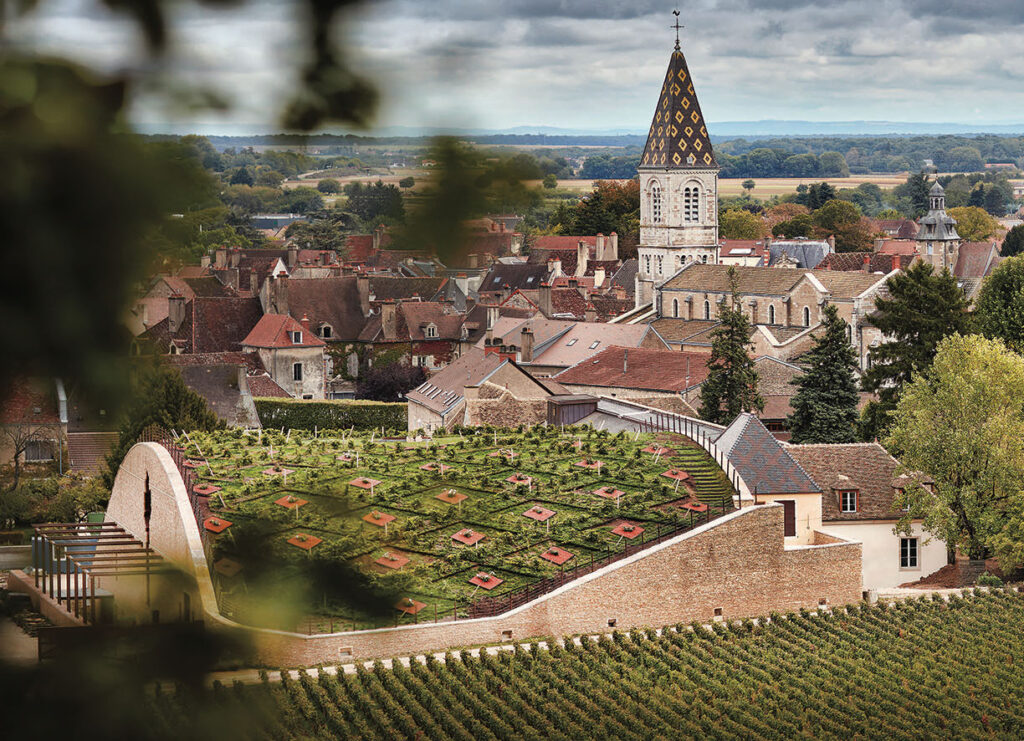
Bouchard Père & Fils — Founded in 1731 and now one of Burgundy's largest domain owners, Bouchard operates from the Château de Beaune, a former fortress. Their cellars house a collection of historic vintages going back to the 18th century — a living archive of Burgundy's past.
Joseph Drouhin — Established in 1880, Drouhin is celebrated for wines of exceptional elegance and precision. Their cellars beneath Beaune incorporate medieval Gallo-Roman cisterns, caves of the Dukes of Burgundy, and 19th-century cellars of the Kings of France.
Louis Jadot — One of Burgundy's most reliable and respected names, Louis Jadot produces wines from a vast range of appellations, from humble Bourgogne to the grandest crus. Their Beaune cellars and tasting room are among the most visitor-friendly in the region.
Patriarche Père & Fils — Patriarche boasts the largest cellars in Burgundy — over 5km of tunnels beneath the old Convent of the Visitation. Self-guided tours with a tastevin allow visitors to sample their way through a remarkable range of wines at their own pace.

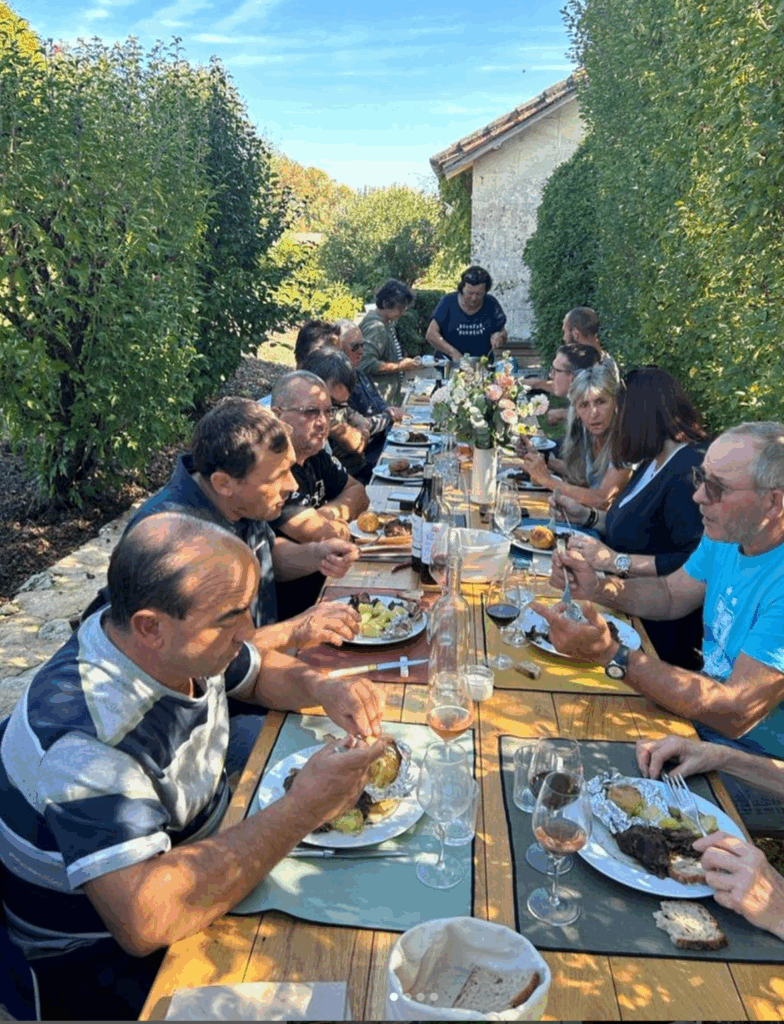
Beyond the négociant houses, Beaune and its surrounding villages are home to dozens of smaller family domaines that offer a more intimate and often more revelatory tasting experience. Meeting the winemaker in their cellar, understanding their philosophy, and tasting wines still evolving in barrel is one of Burgundy's great pleasures.
Located in the historic Collégiale de Beaune church, the Marché aux Vins offers a self-guided tasting experience through 14 wines from across the Côte d'Or appellations. It's an excellent introduction to the full range of Burgundy styles and a good way to calibrate your palate before deeper exploration.
| ⭐ DECANTER TOURS INSIDER TIPS — 🍷 Our Burgundy itinerary takes you beyond the visitor centres and into the actual cellars — tasting with Christine Drouhin, Léon Amiot, and the Henri Gouges family on a personal, first-name basis. We've also secured exclusive access to Maison Bouchard Griveau, a micro-domaine producing just 20,000 bottles annually with no US distribution — the kind of discovery you simply cannot make on your own. These are not curated tourist experiences; they are genuine relationships, built over years, that open doors no guidebook 📖 can unlock. |
The D122, known as the Route des Grands Crus, is one of the world's great scenic drives — a narrow road winding north from Beaune through villages whose names read like a wine lover's dream: Pommard, Volnay, Meursault, Puligny-Montrachet heading south; Aloxe-Corton, Nuits-Saint-Georges, Vosne-Romanée, Chambolle-Musigny, Gevrey-Chambertin heading north.
At every turn, hand-painted signs mark the boundaries of the world's most valuable agricultural land. The grand cru vineyards — Corton, Romanée-Conti, Chambertin, Le Montrachet — are unfenced, unadorned, and almost shockingly modest to look at. Their greatness is invisible, held in the soil beneath your feet.
Meursault — Just 8km south of Beaune, Meursault is the heart of white Burgundy and one of Burgundy's most charming villages. The wines here are rich, nutty, and complex. The village's annual Paulée de Meursault, held on the Monday after the Hospices auction, is a legendary celebration where 600 guests bring bottles from their personal cellars.
Pommard & Volnay — These neighbouring villages produce two of the Côte de Beaune's finest reds, and make for a fascinating contrast. Pommard wines are typically structured, dark, and long-lived; Volnay wines are notably more elegant, floral, and silky. Tasting them side by side on a single afternoon is a masterclass in how geography shapes flavour.
Nuits-Saint-Georges — The commercial centre of the Côte de Nuits, worth a visit for its cellars and excellent restaurants. Its premiers crus — particularly Les Vaucrains and Les Saint-Georges — are among Burgundy's most age-worthy and compelling wines.
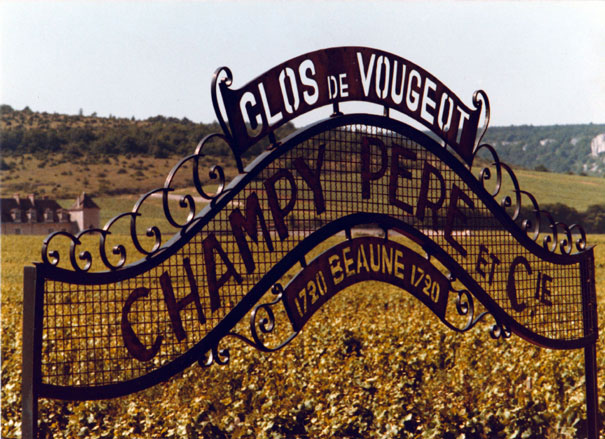
The Clos de Vougeot — The walled vineyard of Clos de Vougeot is one of Burgundy's most iconic sites. Established by Cistercian monks in the 12th century, it covers 50 hectares and is now divided among over 80 different owners. The Château du Clos de Vougeot, home to the Confrérie des Chevaliers du Tastevin, is open to visitors.
Beaune punches well above its weight when it comes to gastronomy. For a city of just 22,000 people, the concentration of excellent restaurants is remarkable — from Michelin-starred temples to bustling wine bars and traditional bouchons. In Burgundy, food and wine are inseparable, and eating well here is as much a part of the experience as the tastings themselves.
Le Jardin des Remparts — Set within the medieval ramparts, this elegant one-Michelin-star restaurant combines classical Burgundian cooking with contemporary technique. The wine list is a love letter to the Côte d'Or, and the garden setting on a warm evening is unforgettable. Chef Christophe Boquillon in charge here since January 2013, this restaurant is worth a visit. Ingredients are locally sourced and wines from little-known growers, as well as top names.
Ma Cuisine — A Beaune institution beloved by wine professionals and serious collectors for its astonishing wine list — reputedly one of the best in Burgundy — and its honest, market-driven cuisine. Reservations are essential and often need to be made weeks in advance.
Loiseau des Vignes — Part of the Bernard Loiseau group, this wine-focused restaurant pairs traditional Burgundian dishes with an encyclopaedic list of local wines. The set menus with paired flights offer exceptional value for the quality.
Le Carmin is a well-regarded restaurant in the center of Beaune, led by chef Christophe Quéant, known for refined, market-driven Burgundian cuisine with a modern sensibility. It holds a strong local reputation for the quality of its cooking and an excellent, fairly priced Burgundy-focused wine list that complements the food intelligently rather than just padding the bill.
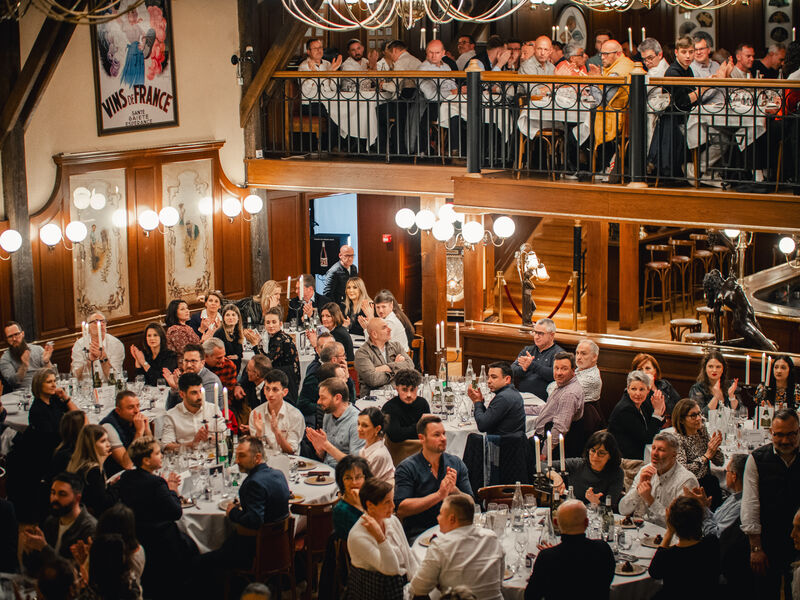
For more relaxed evenings, Beaune's wine bars and bistros are a delight. L'Ecusson offers excellent traditional Burgundian cooking in a warm atmosphere; Caves Madeleine is a favourite with wine trade insiders for its natural wine selection and simple, seasonal plates. The covered market on Place Carnot (open Tuesday and Saturday mornings) is the best starting point for understanding the region's exceptional produce: Époisses and Comté cheeses, Dijon mustard, jambon persillé, gingerbread, and the black truffles of the Hautes-Côtes.
Beaune's accommodation ranges from grand five-star château hotels to intimate chambres d'hôtes within vineyard estates — and choosing the right base significantly shapes your experience of the region.
Hôtel Le Cep — A collection of four historic mansions in the heart of the old town. Le Cep is Beaune's most atmospheric hotel — a labyrinth of antique-furnished rooms, vaulted stone passages, and one of the most beautiful courtyards in the city.
Hôtel de la Paix — A stylish boutique option with a lovely garden and excellent central location, offering a quieter alternative to the busier old-town properties.
Château Hotels of the Côte d'Or — For guests who want to wake up surrounded by vines, several wine estates in the surrounding villages offer outstanding château accommodation — combining a hotel stay with exclusive access to the estate's wines, vineyards, and winemakers.
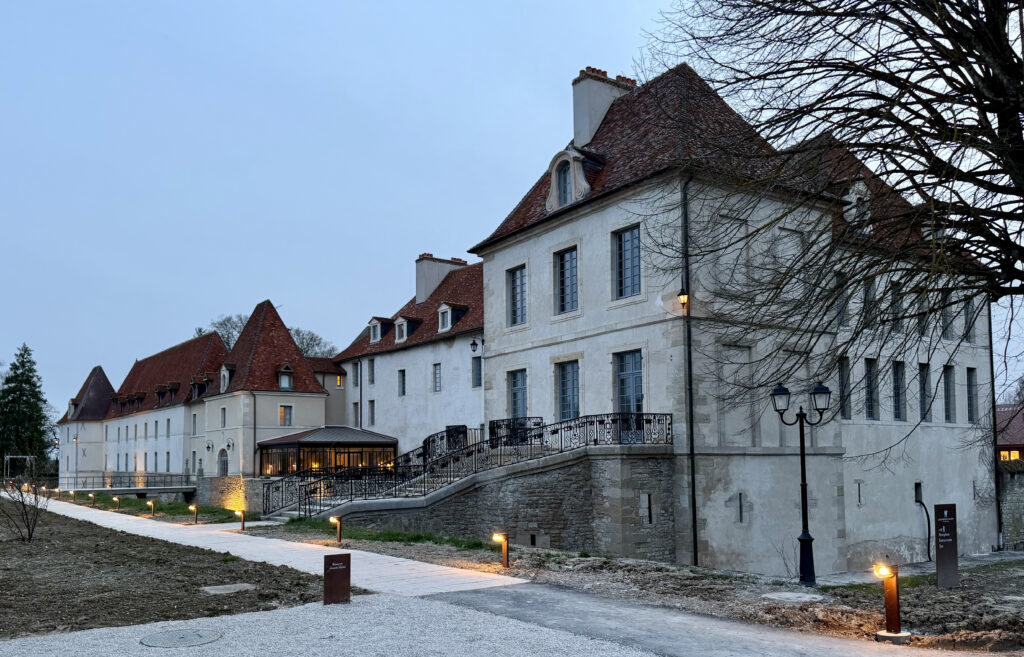
| ⭐ DECANTER TOURS INSIDER TIPS — Beyond the City Walls We’ll always love the buzz of staying in Beaune’s center, but we have a new "must-stay" secret: Les Sources de Vougeot. From our close partners in Bordeaux and the visionaries behind Bordeaux’s legendary Les Sources de Caudalie, the transformation of the Château de Gilly is nothing short of spectacular. This 5-star gem offers an incredible spa and two distinct dining experiences. It is, quite simply, one of our newest favorites for a luxurious Burgundy escape. Contact Decanter Tours for you next stay here. |
Beaune is a year-round destination, but each season offers a distinct experience. Spring (April–June) brings flowering vines and a quieter city. Summer (July–August) is warm and festive. Harvest season (September–October) is arguably the most exciting time to visit — the vineyards are alive with pickers, and the air carries the fermentation of new wine. However some properties are closed during harvest. Even if you plan well in advance some properties wont accept reservations during this time. November's auction weekend draws the global wine world to Beaune's streets and hotels are at a premium. Winter is peaceful and atmospheric, with excellent deals on accommodation.
Beaune is exceptionally well connected. By TGV, Paris Gare de Lyon to Dijon takes approximately 1 hour 40 minutes, with Beaune a further 25 minutes by TER regional train. Direct Eurostar services connect London to Paris, making Beaune accessible from the UK without flying. By car from Paris, Beaune is approximately 3 hours via the A6 motorway. Lyon airport (1 hour away) and Paris CDG (2.5 hours) are the most practical international gateways.
Within Beaune, the old town is easily walkable. For vineyard exploration, a hire car gives maximum flexibility — though for a proper Burgundy wine tour, having a Decanter Tours driver is safer, more enjoyable and more informative. Cycling is increasingly popular along the vineyard routes. Decanter Tours provides private transport throughout all itineraries, ensuring guests can focus on tasting without logistical concerns.
| ⭐ DECANTER TOURS INSIDER TIPS — The most seamless and scenic route to Burgundy is via the TGV (fast train) from Paris to Dijon. Upon your arrival, we can arrange for a private chauffeur to meet you on the platform, or you can take a short, easy taxi ride directly to your hotel in Beaune—or our new favorite, Les Sources de Vougeot. |
Beaune is a city that rewards depth over breadth, and relationships over reservations. The cellars that don't appear on any tourist map, the winemakers who don't normally receive visitors, the vintages that never reach the open market — these are the experiences that define a truly exceptional Burgundy journey.
Decanter Tours has spent years cultivating the relationships and the expertise to open these doors for our guests. We don't offer wine tourism — we offer immersion in one of the world's greatest living wine cultures.
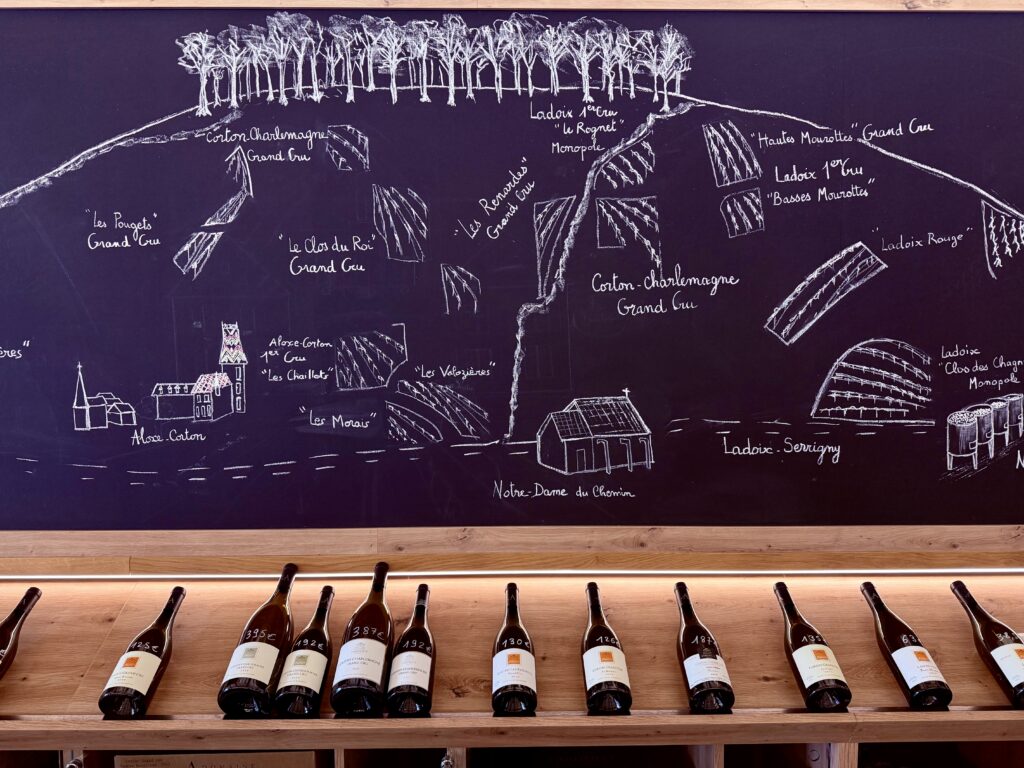
| ⭐ DECANTER TOURS INSIDER TIPS — BEYOND THE TASTING ROOM Don’t just taste Burgundy—experience the heritage. Our flagship Best of Burgundy Wine Tour takes you behind the limestone walls of the region’s most prestigious domains for private "barrel-to-glass" tastings. The Draw: Exclusive access to "cult" estates and vertical tastings of rare vintages. The Value: We skip the tourist crowds in favor of authentic, family-run Grand Crus. Booking: Private tours depart daily from Beaune. We recommend booking 3–6 months in advance to secure the best estates. Explore our Burgundy Packages here. |
Before you start planning, here's a quick-reference summary of everything you need to remember:
Our expert guides are on hand to create your perfect Burgundy itinerary — from a long weekend in Beaune to a full Côte d'Or immersion. contact us

Experience the finest private wine tours in Bordeaux and beyond. With over 20 years of expertise, we craft tailor-made wine journeys to iconic regions like Médoc, Saint-Émilion, Burgundy, and Champagne. Explore exclusive chateaux with expert guides and seamless planning for a truly unforgettable experience.