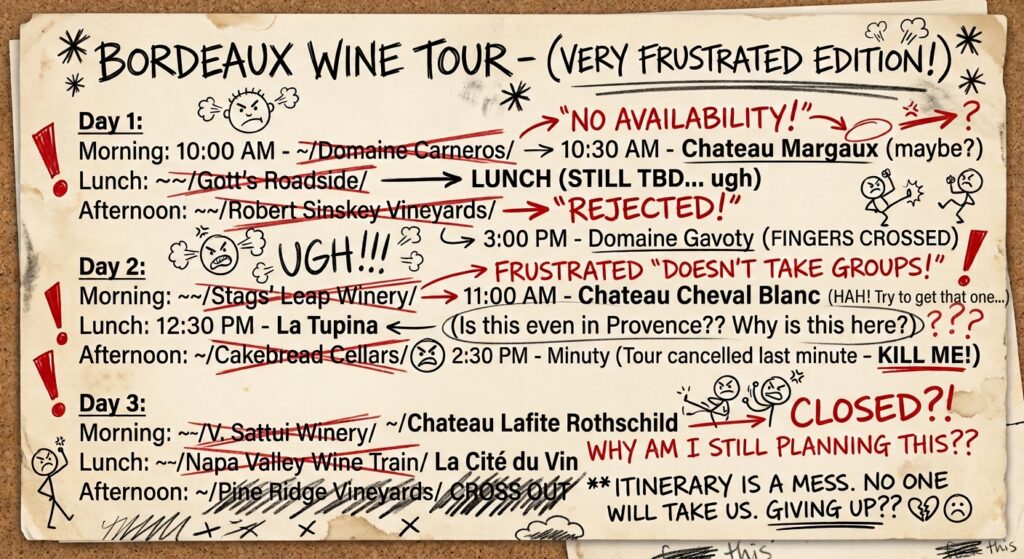
Every year, thousands of wine enthusiasts make the pilgrimage to Bordeaux with the same names on their lips: Château Lafite Rothschild, Margaux, Latour, Haut-Brion. These legendary First Growths from the 1855 Classification represent the pinnacle of Bordeaux winemaking, but they've also become increasingly unapproachable—both in price and availability. A single bottle can easily command $500 to $5,000, and good luck getting a casual tasting appointment at many of these estates without connections.
But here's what savvy collectors know: the 1855 Classification, while historic, tells only a fraction of Bordeaux's story. Beyond the sixty-one classified growths lies a vast landscape of exceptional properties producing wines that can rival their famous neighbors in quality while offering significantly better value. Welcome to the world of Cru Bourgeois—the Médoc's best-kept secret and your gateway to building an impressive cellar without emptying your bank account.
The term "Cru Bourgeois" dates back to 1932, though its roots stretch even further into Bordeaux history. Originally, these were properties owned by the bourgeoisie—the merchant class—rather than nobility. While they weren't included in the famous 1855 Classification (which ranked only 61 châteaux), many of these estates have been producing exceptional wines for centuries.
Unlike the static 1855 Classification, which hasn't changed since Napoleon III commissioned it for the Paris Exposition, the modern Cru Bourgeois system is dynamic and demanding. Established in its current form in 2020, the classification requires châteaux to submit their wines for blind tasting every single year. This means producers can't rest on historical laurels—they must prove their quality annually.
The classification now features three tiers:
Cru Bourgeois: The entry level, representing consistent quality and adherence to strict production standards. These wines must demonstrate typicity of their appellation and technical soundness.
Cru Bourgeois Supérieur: A step up, requiring wines to show greater complexity, aging potential, and personality. Properties must also meet higher environmental and quality standards.
Cru Bourgeois Exceptionnel: The pinnacle, reserved for wines demonstrating exceptional character, complexity, and longevity. These wines often compete directly with classified growths in blind tastings.
Currently, around 250 châteaux hold Cru Bourgeois status across its three tiers, producing approximately 40% of the Médoc's total wine volume. That's a lot of exceptional juice waiting to be discovered.
The value proposition of Cru Bourgeois wines isn't just about lower prices—it's about genuine quality that often surprises even seasoned collectors. Here's why these wines consistently over-deliver:
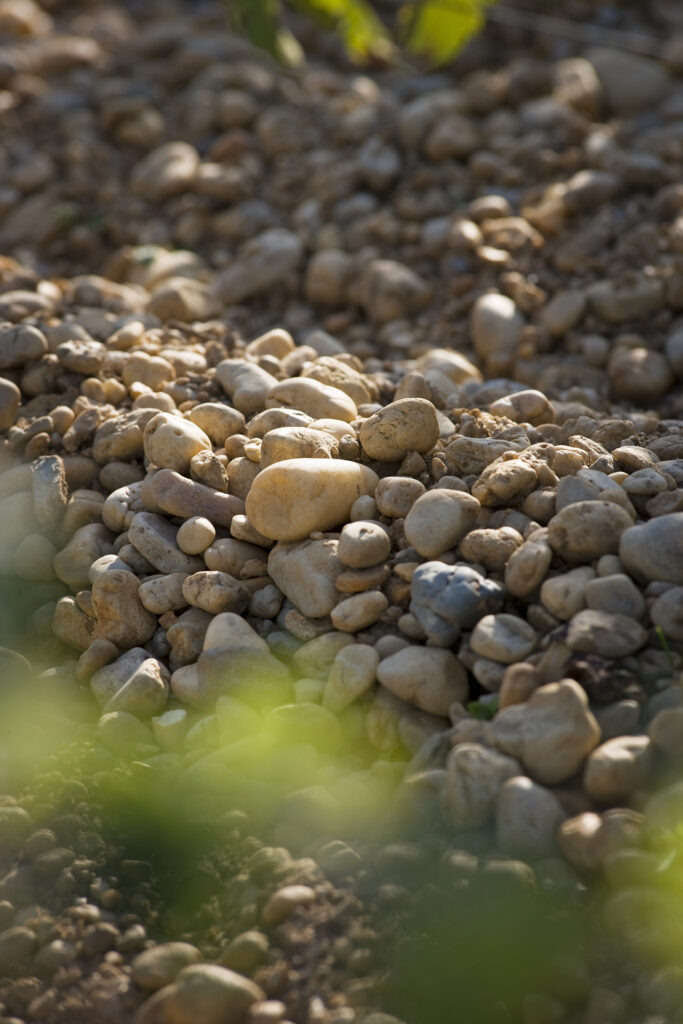
Terroir Equality: Many Cru Bourgeois properties sit on gravelly ridges and plateaus identical to those of their classified neighbors. The same Garonne river gravels that make Pauillac and Margaux famous don't stop at classified growth boundaries. Château Poujeaux in Moulis, for instance, occupies a spectacular gravel croupe that would be the envy of many classified properties.
Winemaking Investment: Modern Cru Bourgeois producers have invested heavily in their cellars and vineyards over the past two decades. Temperature-controlled fermentation, optical sorting tables, new oak barrels from premium coopers, and consulting oenologists are now standard. The same technical expertise that guides classified growths often advises these properties.
Lower Yields, Higher Ambition: Without the luxury of commanding top-dollar prices based on historical reputation alone, Cru Bourgeois producers must compete on quality. Many voluntarily limit yields well below appellation maximums, hand-harvest, and employ rigorous selection processes. They have to be good to survive.
The Price-to-Quality Sweet Spot: While a Cru Bourgeois might retail for $25-$60, you're often getting wine that performs like a $75-$150 classified growth. That's not marketing hyperbole—blind tastings regularly confirm this value equation.
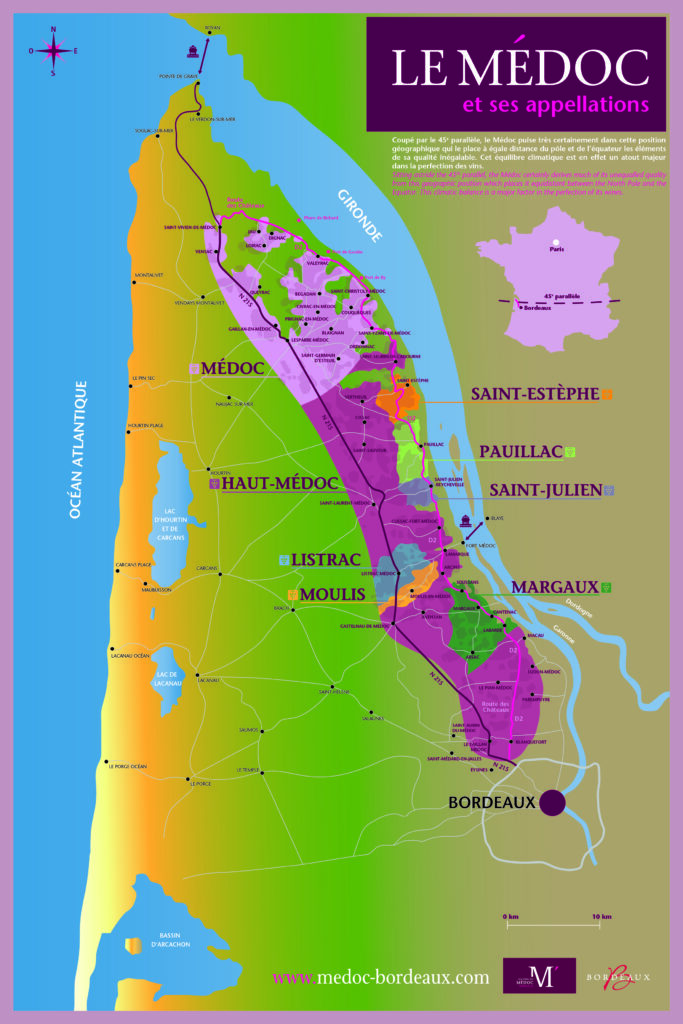
While Cru Bourgeois châteaux exist throughout the Médoc, certain appellations have become particularly renowned for their concentration of high-quality properties.
This tiny appellation (it's the smallest in the Médoc) punches well above its weight. With no classified growths to overshadow them, Moulis producers have built their reputation on pure quality. The appellation's diverse soils—from deep gravel beds to clay-limestone—create wines with both power and elegance.
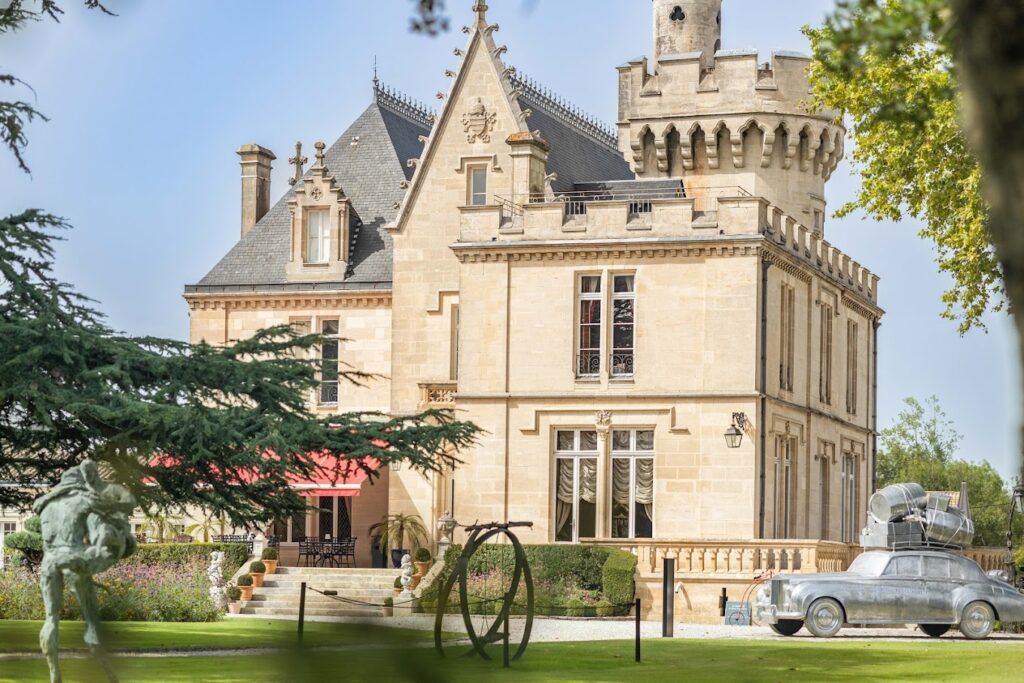
Must-visit châteaux: Chateau Paveil de Luze et Pomeys are two worth seeing in Moulis.
The wines here blend Cabernet Sauvignon's structure with Merlot's generosity, creating bottles that age gracefully for 15-20 years while remaining approachable in youth.
Listrac flies under most tourists' radar, which is precisely why you should visit. Situated on the Médoc's highest plateau with significant clay content in the soils, Listrac produces structured, age-worthy wines with firm tannins and dark fruit character. These aren't wines for immediate gratification—they're for patient cellaring.
Notable estates: Château Fonréaud (exceptional quality-to-price ratio).
Give Listrac wines at least 7-10 years to soften and reveal their complexity. When mature, they offer remarkable value for cellaring enthusiasts.
The Haut-Médoc appellation sprawls across the southern Médoc, encompassing diverse terroirs. While it includes five classified growths, the real treasure hunt here lies in discovering exceptional Cru Bourgeois properties tucked between famous neighbors.
Don't miss: Château Malescasse is one of Decanter Tours' favorites, Château Lamothe Bergeron, Château d'Agassac (medieval fortress with excellent wine), Chateau de Malleret.
The stylistic range here is vast—from elegant, Margaux-like finesse to more structured Saint-Estèphe-style power, depending on specific terroir.
Some of the most exciting Cru Bourgeois discoveries come from properties within the "famous four" appellations—Pauillac, Saint-Estèphe, Saint-Julien, and Margaux. While these regions are dominated by classified growths, their Cru Bourgeois châteaux offer an accessible entry point into these prestigious terroirs.
In Pauillac, Château Plantey delivers classic Pauillac power at reasonable prices. In Saint-Estèphe, look for Château Le Crock and Château Lafitte Carcasset—both producing wines that would fit comfortably among the appellation's classified growths. Margaux's Cru Bourgeois properties like Château d'Arsac offer that signature elegance and perfume without the sticker shock.
La classification officielle et complète par niveau.
La classification est homologuée par arrêté ministériel.
L'ABUS D'ALCOOL EST DANGEREUX POUR LA SANTÉ. À CONSOMMER AVEC MODÉRATION.
Visiting Cru Bourgeois châteaux offers a completely different experience from touring classified growths—and in many ways, a better one for genuine wine enthusiasts.
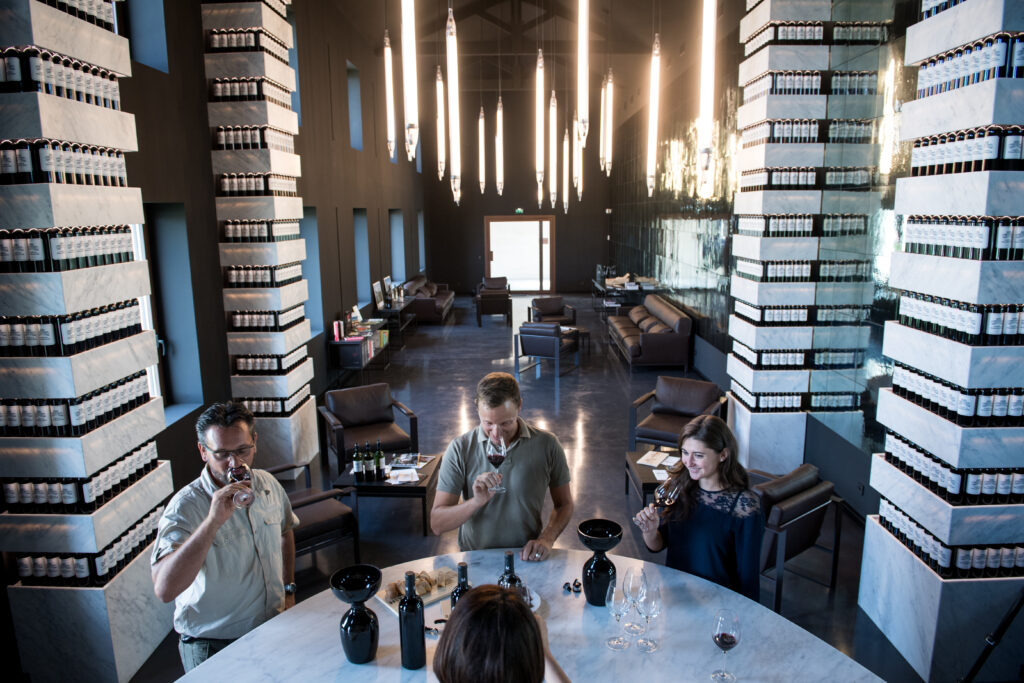
Visit Cru Bourgeois Estates with Decanter Tours
Accessibility: Most Cru Bourgeois properties welcome visitors with far less advance notice than classified growths. Many don't require appointments at all during normal visiting hours, though calling ahead is always courteous and recommended.
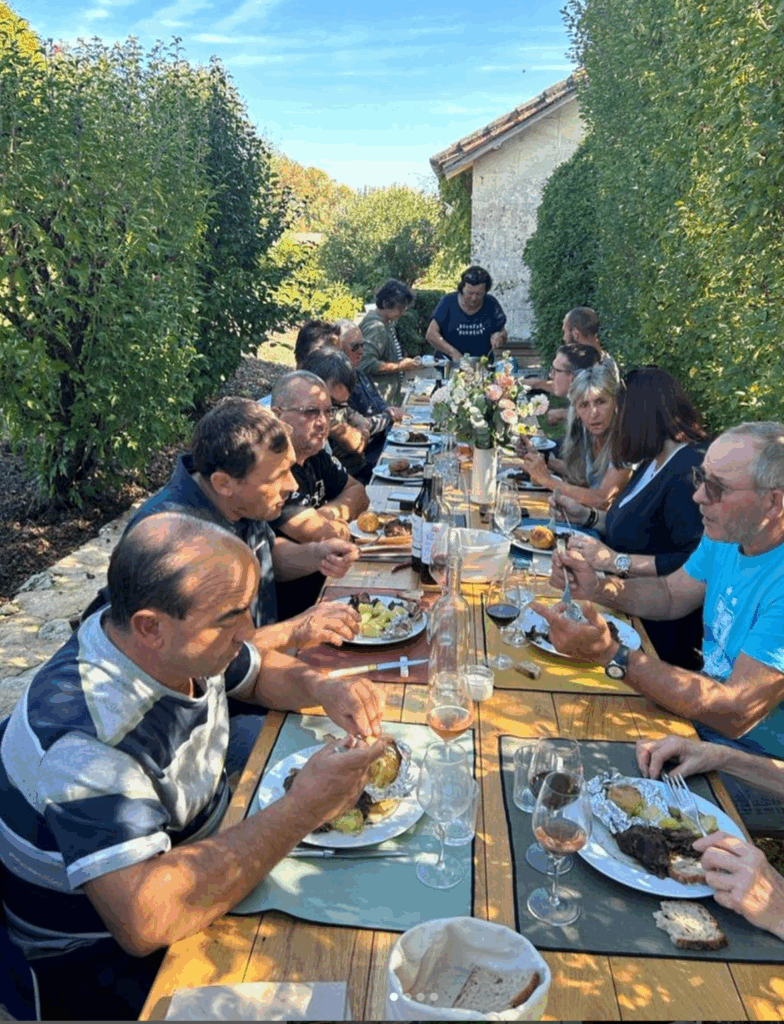
Intimacy: You're more likely to meet actual winemakers, owners, or estate managers rather than professional tour guides. These are working estates where the people pouring your wine are often the same ones making harvest decisions and blending choices.
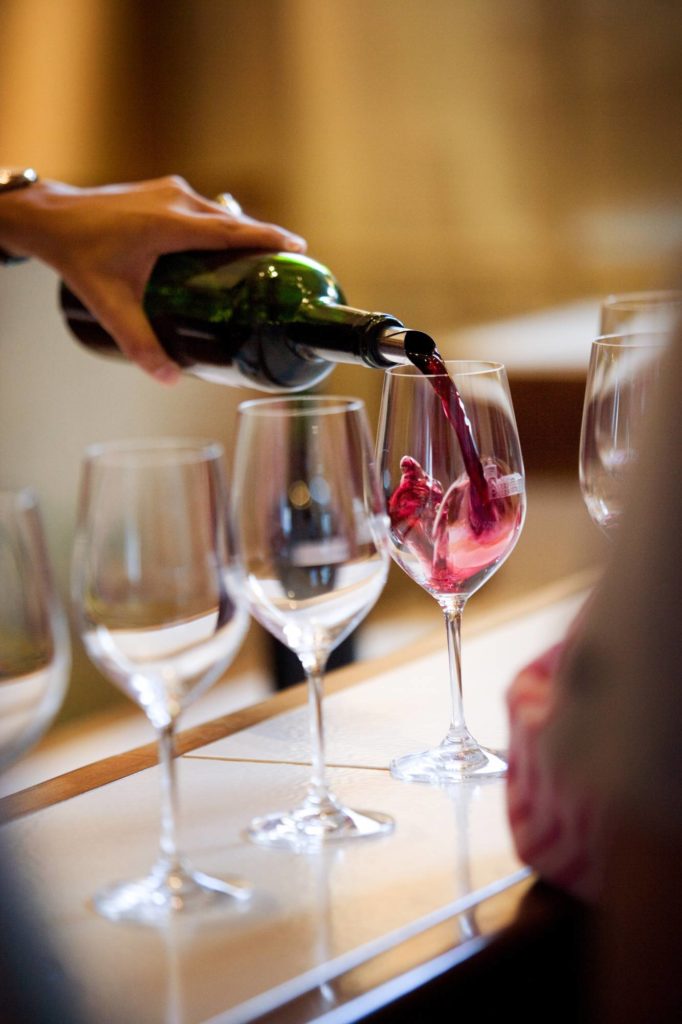
Value: While classified growth tastings can cost €50-€150 per person, many Cru Bourgeois estates offer complimentary or modestly priced tastings (€10-€20). You'll taste more wines, learn more, and spend less.
Authenticity: Without throngs of tourists, these visits feel more like discovering a secret than ticking off a bucket list. You're exploring, not checking boxes.
Timing Your Visit: September through October during harvest provides unparalleled insight into winemaking, though châteaux are understandably busy. Spring (April-May) offers perfect weather and less crowded estates. Avoid August when many properties close for summer holidays.
Geography Matters: The Médoc is long and narrow. Base yourself in Pauillac for central access, or split your time between Margaux (south) and Saint-Estèphe (north). Don't try to visit more than 3-4 châteaux per day—you'll want time to savor the experience and the wines.
Transportation: Designate a driver, hire a professional guide, or join a small group tour specializing in Cru Bourgeois properties. The distances between châteaux and rural roads make this essential. Many premium services now focus specifically on these hidden gems.
Learning Opportunities: Ask to see vineyards, barrel cellars, and blending facilities. These properties are often more willing to offer technical tours than their famous neighbors. Don't be shy about asking detailed questions—winemakers here love sharing their passion with genuinely interested visitors.
A well-planned Cru Bourgeois tour might include:
Day 1 - Moulis and Listrac Immersion: Start at Château Maucaillou's wine museum for context, then visit Poujeaux and Chasse-Spleen in Moulis before heading to two Listrac properties. You'll understand these overlooked appellations' distinct personalities.
Day 2 - Haut-Médoc Exploration: Focus on the diverse Haut-Médoc appellation, visiting properties like Sociando-Mallet, Cambon la Pelouse, and perhaps a medieval château like d'Agassac for historical context alongside excellent wine.
Day 3 - Prestigious Neighbors: Explore Cru Bourgeois properties within Pauillac, Saint-Estèphe, and Margaux. You'll taste how these châteaux capture their appellations' character while offering superior value.
For American wine collectors, Cru Bourgeois wines offer an intelligent foundation for cellar building. Here's how to approach collecting these hidden gems:
Focus on recent strong Bordeaux vintages: 2019, 2020, 2022, and 2023 have all received acclaim. The 2019s are particularly approachable now while having 15+ years ahead of them. The 2016 and 2018 vintages also offer excellent structure for long aging.
Entry Level ($20-$35): Solid Cru Bourgeois from reliable properties. Great for understanding appellations and everyday enjoyment after 5-7 years of aging.
Sweet Spot ($35-$60): Cru Bourgeois Supérieur and top-tier Cru Bourgeois from exceptional vintages. These compete directly with $100+ classified growths and age beautifully for 15-20 years.
Investment Grade ($60-$100): Cru Bourgeois Exceptionnel from top vintages and properties like Sociando-Mallet. These appreciate over time and rival classified growth quality.
Don't be fooled by lower prices—many Cru Bourgeois wines are built for the long haul. Properties like Poujeaux, Sociando-Mallet, Potensac, and Phélan Ségur produce wines that can age 20-30 years in good vintages. The same Cabernet Sauvignon-dominant blends that make classified growths age-worthy apply here.
While at the châteaux, you can often purchase current releases directly, sometimes at better prices than retail. For older vintages and broader selection, work with US importers and retailers specializing in Bordeaux. Many Cru Bourgeois wines are well-distributed in America through importers like Wilson Daniels, Vintus, and Vineyard Brands. If you fall in love with wines during your visit, Decanter Tours can help arrange shipping to your home, handling all the logistics so you can focus on discovering your next favorite bottle.
The Cru Bourgeois classification's annual renewal system ensures its relevance and quality. As climate change continues affecting Bordeaux, the Médoc's cooler northern areas (where many Cru Bourgeois properties cluster) may gain advantages. Meanwhile, the classification's emphasis on environmental sustainability aligns with modern consumer values.
Investment in these properties continues growing, with prominent families and corporations recognizing their potential. This attention drives quality even higher, though it may gradually erode the value advantage over time. Now is the moment to explore, taste, and stock your cellar before the secret spreads further.
Beyond the First Growths isn't just about finding good deals—it's about discovering authentic Bordeaux. The vignerons you'll meet in these Cru Bourgeois cellars are passionate individuals who've chosen quality over easy money from higher yields. They're artists, farmers, and businesspeople who wake up thinking about how to coax the best expression from their land.
When you're standing in a centuries-old cellar in Moulis, tasting a wine that rivals châteaux costing five times as much, you're not just drinking wine—you're participating in the living history of Bordeaux. You're supporting producers who maintain tradition while embracing innovation, who care more about what's in the bottle than what's on the label's pedigree.
So yes, visit Château Margaux if you can secure an appointment. Tour Latour if the opportunity arises. But reserve most of your time for the hidden gems, the overachievers, the properties where someone will remember your name at your next visit. That's where you'll find the soul of Bordeaux—and exceptional wine that won't require a second mortgage.
Ready to explore these hidden gems yourself? Decanter Tours specializes in curating personalized Bordeaux experiences that go beyond the famous names. Our expert guides know these Cru Bourgeois properties intimately—the winemakers, the terroirs, the stories behind each bottle. We'll arrange exclusive access, handle all the logistics, and ensure you discover wines that will become the treasures of your cellar. Contact us today to design your perfect Cru Bourgeois adventure.
Your cellar—and your palate—will thank you.
What exactly is a Cru Bourgeois wine?
Cru Bourgeois is a quality classification for Médoc wines that sit below the famous 1855 Classification but often deliver comparable quality. Unlike the 1855 system, Cru Bourgeois status is earned annually through blind tasting, ensuring consistent quality. The classification includes three tiers: Cru Bourgeois, Cru Bourgeois Supérieur, and Cru Bourgeois Exceptionnel, with about 250 châteaux currently holding status.
How do Cru Bourgeois wines compare in quality to classified growths?
Many Cru Bourgeois wines, particularly those in the Supérieur and Exceptionnel categories, rival Fourth and Fifth Growth classified châteaux in blind tastings. They're made from the same terroir types, using similar techniques and grape varieties. The primary differences are historical classification and price—Cru Bourgeois typically cost $25-$60 versus $75-$300+ for similar quality classified growths.
Which Cru Bourgeois wines age the best?
Properties like Château Poujeaux, Sociando-Mallet, Potensac, Phélan Ségur, and Chasse-Spleen produce wines capable of aging 20-30 years in strong vintages. Look for wines with high Cabernet Sauvignon percentages from gravelly terroirs. Listrac wines, while firm in youth, develop beautifully over 15-20 years. Generally, Cru Bourgeois Exceptionnel and top Supérieur wines offer the best aging potential.
When is the best time to visit Cru Bourgeois châteaux?
Spring (April-May) offers ideal weather and less crowded estates with attentive hosts. Harvest (September-October) provides fascinating insight into winemaking, though properties are busy. Avoid August when many châteaux close for holidays. Generally, Cru Bourgeois properties are more accessible year-round than classified growths, often welcoming walk-in visitors during business hours.
Do I need appointments to visit Cru Bourgeois châteaux?
While many Cru Bourgeois properties accept walk-ins during business hours, calling ahead is always recommended and courteous. Some top estates (like Sociando-Mallet) require appointments, but scheduling is generally much easier than with classified growths. Email or call 2-7 days in advance for best results, though last-minute visits are often possible.
Are Cru Bourgeois wines available in the United States?
Yes, many Cru Bourgeois wines are well-distributed in the US through major importers. Availability varies by state, but wine shops specializing in Bordeaux typically carry multiple Cru Bourgeois properties. Prices in the US are often reasonable, though buying at the château during your visit can sometimes offer modest savings on current releases.
How should I store and serve Cru Bourgeois wines?
Store them like any fine Bordeaux: on their sides in a cool (55-58°F), dark, humid environment with minimal vibration. Young Cru Bourgeois wines benefit from decanting 1-2 hours before serving. Serve at 60-65°F (slightly cool room temperature). Most will improve with 5-10 years of bottle age, with top examples rewarding 15-20+ years of patience.
What's the best way to tour multiple Cru Bourgeois châteaux in a day?
Limit yourself to 3-4 châteaux maximum per day to avoid palate fatigue and allow time for meaningful conversations. Hire a driver or join a specialized tour focusing on Cru Bourgeois properties. Group châteaux geographically—spend one day in Moulis/Listrac, another in Haut-Médoc, etc. Always spit when tasting if you're driving, and bring water and snacks to cleanse your palate between visits.
Does Decanter Tours organize visits to Cru Bourgeois properties?
Absolutely! Decanter Tours specializes in creating customized wine experiences throughout Bordeaux, including comprehensive Cru Bourgeois tours. We have established relationships with top Cru Bourgeois estates across the Médoc, from Moulis and Listrac to Haut-Médoc and beyond. Whether you want a tour focused exclusively on Cru Bourgeois discoveries or prefer to blend them with classified growths, we'll design an itinerary that matches your interests, knowledge level, and cellar-building goals. Our guides provide expert context, secure access to sought-after properties, and handle all logistics including transportation and shipping arrangements.

Experience the finest private wine tours in Bordeaux and beyond. With over 20 years of expertise, we craft tailor-made wine journeys to iconic regions like Médoc, Saint-Émilion, Burgundy, and Champagne. Explore exclusive chateaux with expert guides and seamless planning for a truly unforgettable experience.