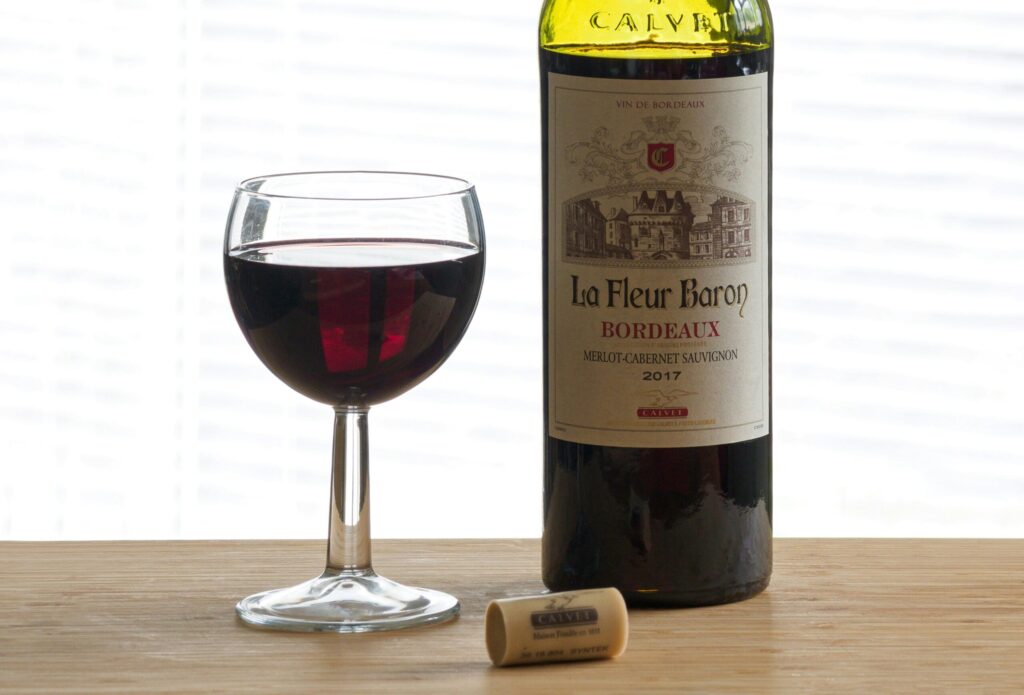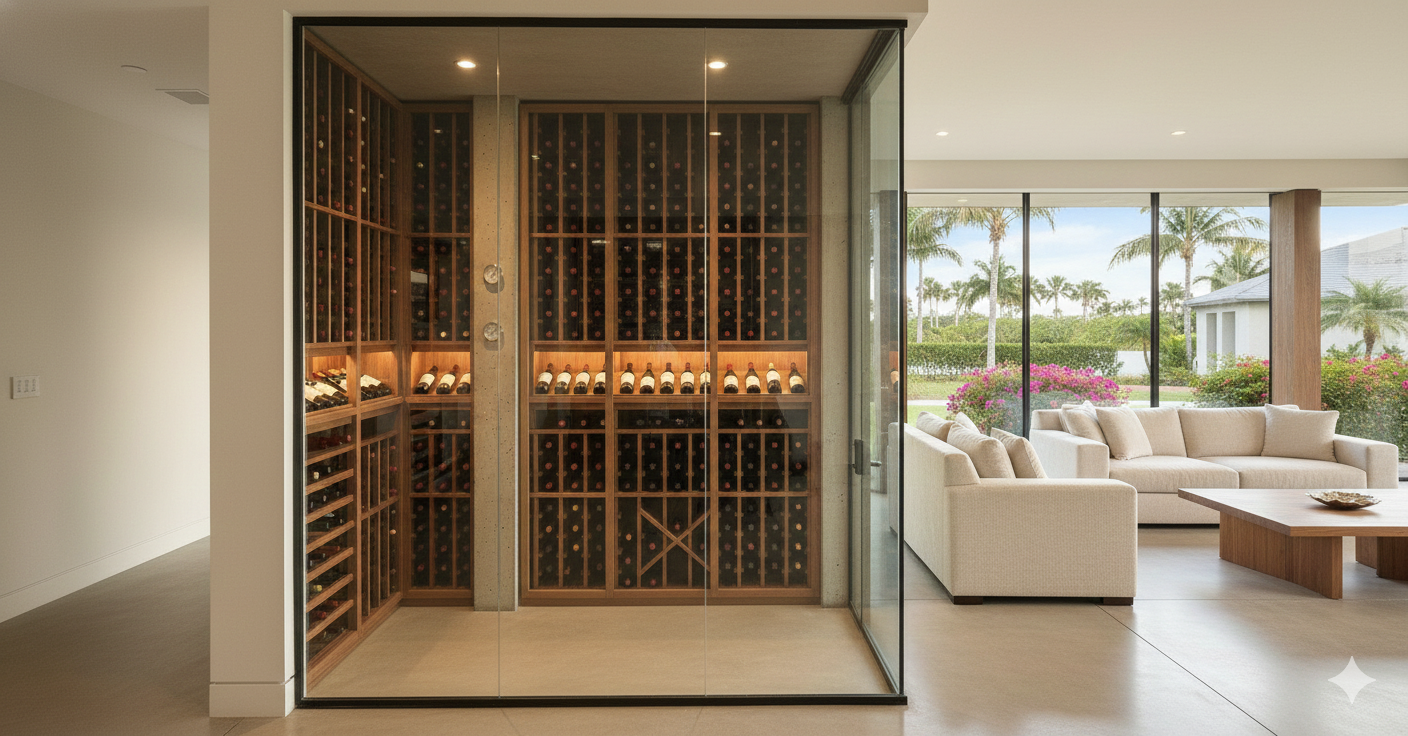
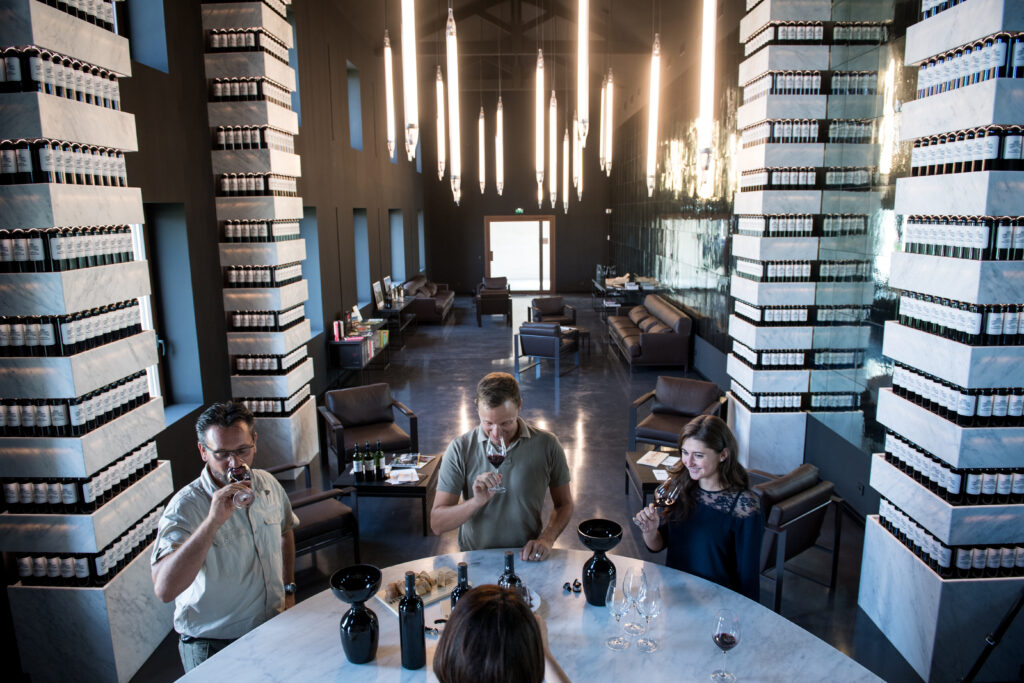

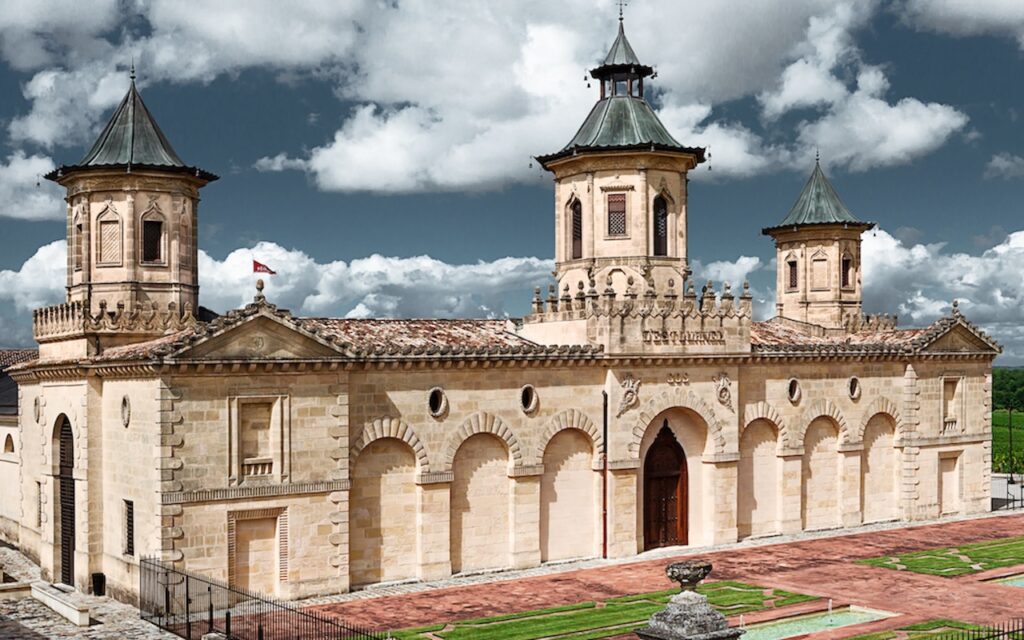
For collectors, Bordeaux offers several advantages stemming from its blending philosophy:
Vintage Consistency: While vintage quality varies, the best châteaux maintain relatively consistent house styles through blending and selection. A weaker Merlot year might mean higher Cabernet percentages, but the wine remains recognizably "Château X."
Aging Predictability: Bordeaux's blend structure, particularly the tannin backbone from Cabernet Sauvignon, provides reliable aging curves. Top estates from strong vintages typically need 10-15 years to approach maturity and can age gracefully for 30-50+ years.
Market Liquidity: Bordeaux's production volumes—even for First Growths—are relatively large compared to Burgundy. This creates deeper secondary markets with more transparent pricing and easier buying and selling.
En Primeur Opportunities: Bordeaux's futures system allows collectors to purchase wines before bottling, often at advantageous prices in less-hyped vintages. Understanding how the blend will come together is part of the speculation.
Burgundy's single-varietal approach creates different collecting dynamics:
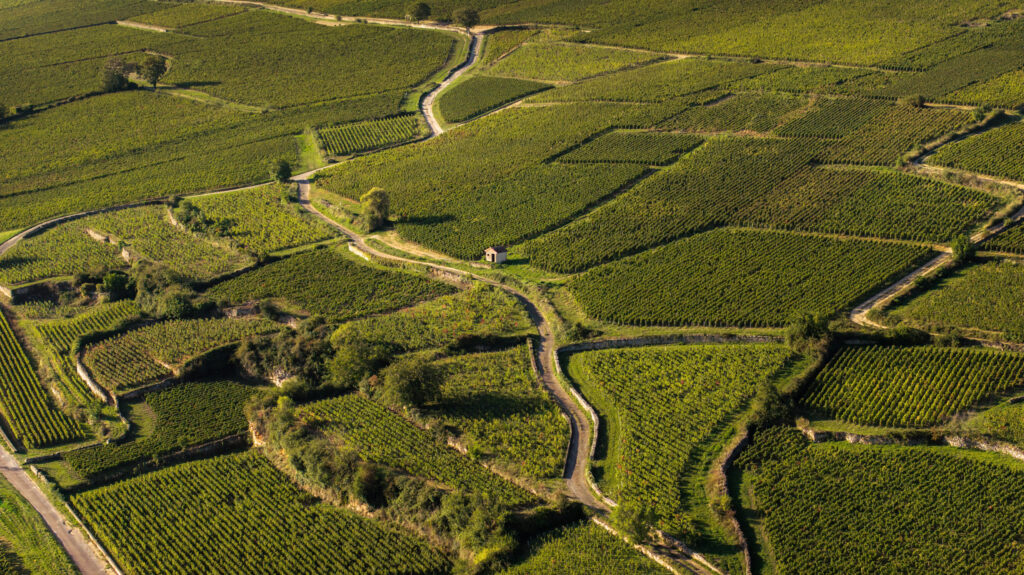
Terroir Exploration: Burgundy rewards deep, comparative collecting. Buying multiple climats from the same village or different producers' interpretations of the same climat reveals nuances impossible in Bordeaux.
Producer Dependency: With single-varietal wines, the producer's skill becomes paramount. A great climat farmed poorly produces mediocre wine. Reputation and relationships matter enormously.
Scarcity Premium: Burgundy's fragmented ownership creates tiny production runs. A top producer might make only 50-300 cases of a specific Grand Cru, compared to 10,000-30,000 cases for a Bordeaux First Growth. This drives prices and allocation challenges.
Vintage Variation: Single-varietal wines show vintage character more dramatically. A cool year produces elegant, high-acid wines needing time; a warm year yields opulent, early-drinking styles. Collectors must understand vintage specifics.
A well-rounded collection benefits from both regions' strengths:
Bordeaux provides:
Burgundy provides:
Many collectors adopt a 60/40 or 70/30 split (Bordeaux/Burgundy) for red wines, with the majority in Bordeaux for aging reliability and cost efficiency, supplemented by carefully selected Burgundy for diversity and special occasions.
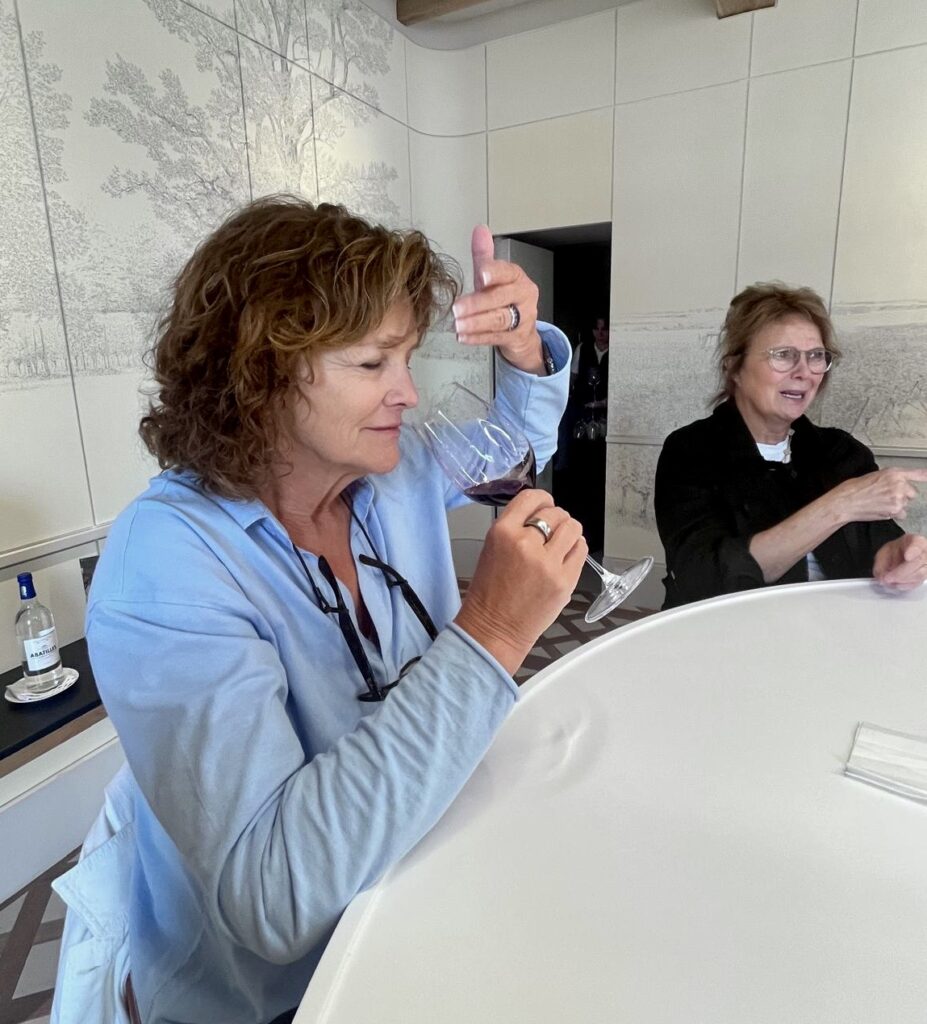
Young Bordeaux, particularly from the Left Bank, can be austere and tannic, requiring patience. The blending components reveal themselves over time:
Youth (0-5 years): Dominant dark fruits (cassis, blackberry), oak influence (vanilla, cedar), firm tannins, high acidity. The blend may taste disjointed as components integrate.
Early Maturity (8-15 years): Tannins soften, fruits darken to plum and fig, secondary notes emerge (leather, tobacco, earth), the blend harmonizes into seamless complexity.
Full Maturity (15-30+ years): Tertiary aromas develop (truffle, cigar box, dried flowers), tannins become silky, acidity provides lift, the wine shows its terroir alongside the blend's architecture.
The blending approach creates wines that evolve through distinct phases, offering different pleasures over their lifespan. A great Bordeaux never loses its identity, maintaining structural integrity even as flavors transform.
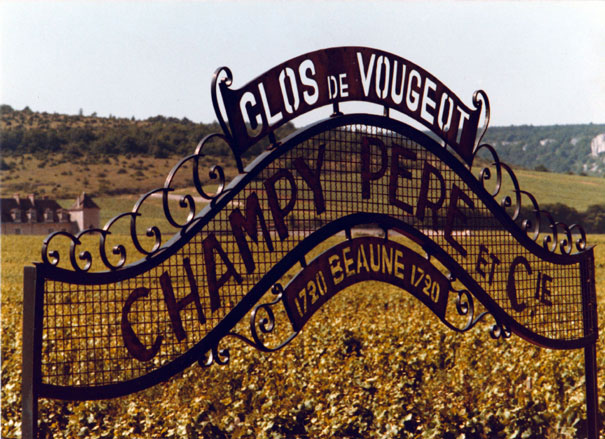
Burgundy, especially Pinot Noir, is often approachable younger while also aging magnificently:
Youth (0-5 years): Bright red fruits (cherry, raspberry, strawberry), floral notes (rose, violet), pronounced acidity, delicate tannins. Terroir characteristics are present but muted.
Early Maturity (5-10 years): Red fruits deepen, earthy notes emerge (forest floor, mushroom, truffle), texture becomes silkier, terroir signatures strengthen.
Full Maturity (10-25+ years): Complex tertiary aromas (sous-bois, game, dried flowers, tea), ethereal texture, profound mineral expression, transparent terroir character.
Single-varietal Burgundy often shows more aromatic complexity and textural nuance than blends, with less obvious structure but profound subtlety. The climats reveal themselves through details—a stony backbone from Chambertin, velvety seduction from Musigny, powerful density from Richebourg.
White Burgundy (Chardonnay) follows similar patterns, with youthful citrus and mineral characters developing into hazelnut, honey, and beeswax with age, while maintaining energizing acidity.
Climate change is forcing Bordeaux to reconsider its traditional blend formulas. Warmer temperatures and earlier harvests have several effects:
Higher Alcohol: Increased sugar accumulation leads to wines with 14-15% alcohol versus historical 12.5-13.5%, changing balance and aging trajectories.
Shifting Blend Percentages: Some estates increase Cabernet Franc (more drought-resistant) or decrease Merlot (susceptible to heat stress). Petit Verdot, once marginal, now ripens reliably and brings freshness.
New Varieties: In 2021, Bordeaux authorized seven additional grape varieties for blending, including Marselan, Touriga Nacional, and Castets, chosen for heat and drought tolerance. Adoption remains limited but signals future possibilities.
Earlier Harvests: Picking now occurs in August and early September rather than late September and October, with implications for phenolic ripeness and acid retention.
These changes test the blending philosophy's flexibility. Can Bordeaux maintain its identity while adapting to new climatic realities? Early evidence suggests the answer is yes—the region's blending expertise allows gradual adjustments without dramatic style shifts.
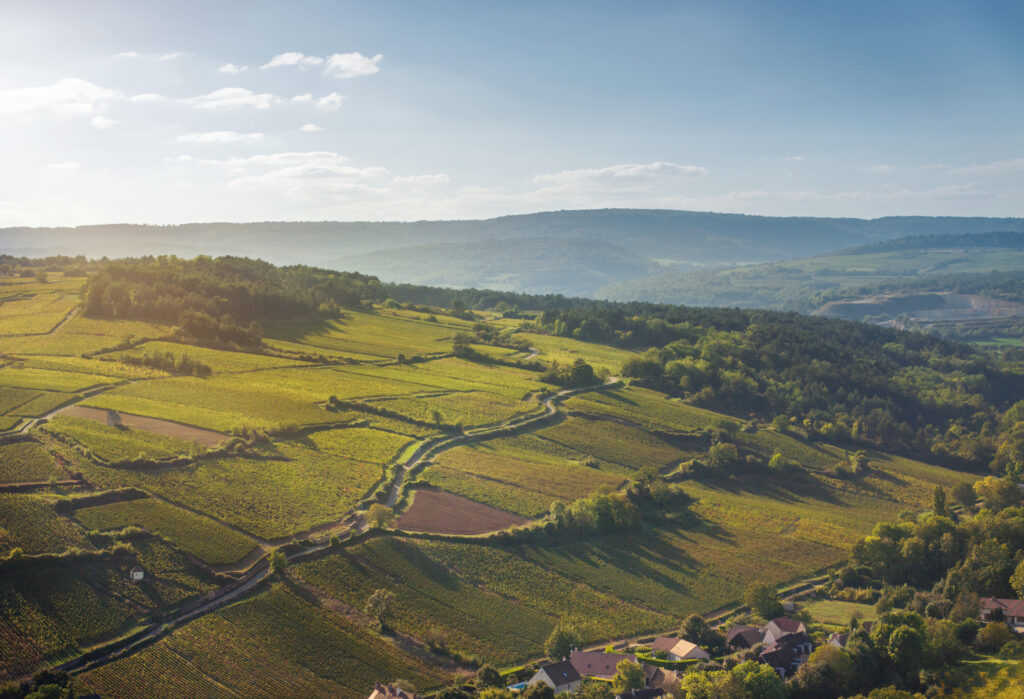
Burgundy faces different climate challenges while maintaining varietal purity:
Heat Stress: Pinot Noir's thin skins make it vulnerable to sunburn and dehydration in extreme heat, as seen in 2003 and 2019. Some producers now use shade cloths or leave more leaf cover.
Changing Harvest Windows: Earlier ripening means picking during warmer periods, making freshness and acidity preservation critical. Night harvesting is increasingly common.
Alcohol Creep: Like Bordeaux, Burgundy is seeing higher alcohol levels (13.5-14.5% versus historical 12.5-13.5%), potentially masking terroir transparency.
Viticulture Adaptations: Producers are experimenting with higher-altitude sites, different clones emphasizing acidity retention, and farming practices (organic, biodynamic) that slow ripening.
The single-varietal approach offers less flexibility than blending but maintains stylistic consistency. Burgundy's solution focuses on viticulture—farming practices that preserve the varieties' expression in changing conditions rather than altering the fundamental approach.
The blending model supports Bordeaux's commercial structure. Châteaux can produce thousands of cases while maintaining quality through selection and blending. This creates:
Brand Recognition: Château names become globally recognized brands (Lafite, Margaux, Pétrus) with consistent identities reinforced by marketing budgets small producers cannot match.
Price Tiers: The grand vin/second wine structure allows estates to serve multiple market segments from the same vineyard base, maximizing revenue per hectare.
Négociant Integration: Bordeaux's blending tradition extends to négociants who purchase and blend wines from multiple properties, creating additional brands and market reach.
Investment Appeal: Larger production runs create deeper markets with more transparent pricing, making Bordeaux attractive to wine investors and funds.
Burgundy's single-varietal model creates entirely different economics based on extreme scarcity:
Allocation Systems: Tiny production runs mean most Burgundy is sold through allocation to long-standing customers, creating barriers to entry that support price premiums.
Producer Premiums: With identical terroirs, producer reputation becomes the differentiator, allowing cult domaines to command multiples of their neighbors' prices.
Secondary Market Dynamics: Scarcity and allocation difficulties drive robust secondary markets where certain bottles trade at 200-500% of release prices within months.
Direct-to-Consumer Focus: Many producers sell primarily direct or through local négociants, maintaining relationships and margins unavailable in the three-tier system.
Both models are economically rational given their contexts. Bordeaux maximizes revenue through volume and brand equity; Burgundy maximizes revenue through scarcity and producer mystique.
En Primeur Considerations:
Auction and Secondary Market:
Storage Requirements:
Building Producer Relationships:
Village vs. Premier vs. Grand Cru:
Auction Considerations:
Storage Requirements:
Bordeaux's blend structure and tannic backbone make it a versatile food wine:
Classic Pairings:
Why It Works: The blend's structure, especially Cabernet Sauvignon's tannins, needs fat and protein to shine. Young Bordeaux can overwhelm delicate preparations but excels with rich, savory dishes. As wines age and tannins soften, they handle more subtle preparations.
Temperature: Serve at 60-65°F—cooler than room temperature but warmer than cellar temperature. This preserves freshness while allowing aromatics to express.
Burgundy's elegance and transparency require more thoughtful pairing:
Red Burgundy (Pinot Noir):
White Burgundy (Chardonnay):
Why It Works: Pinot Noir's lighter body and transparent character complement rather than dominate food. The earthiness connects with mushrooms, truffles, and game, while the acidity cuts through cream and butter in classic Burgundian cuisine.
Temperature:
Understanding the fundamental differences between Bordeaux's blending philosophy and Burgundy's single-varietal approach enriches every aspect of wine appreciation—from collecting and investing to tasting and pairing with food. Both approaches have evolved over centuries to express their respective terroirs optimally, shaped by history, climate, economics, and philosophy.
For collectors, the choice isn't between these regions but rather how to balance them in a cellar that offers both reliability and discovery, consistency and surprise, structure and elegance. The blending artistry of Bordeaux and the terroir transparency of Burgundy represent two peaks of winemaking achievement, each deserving study, investment, and most importantly, enjoyment.

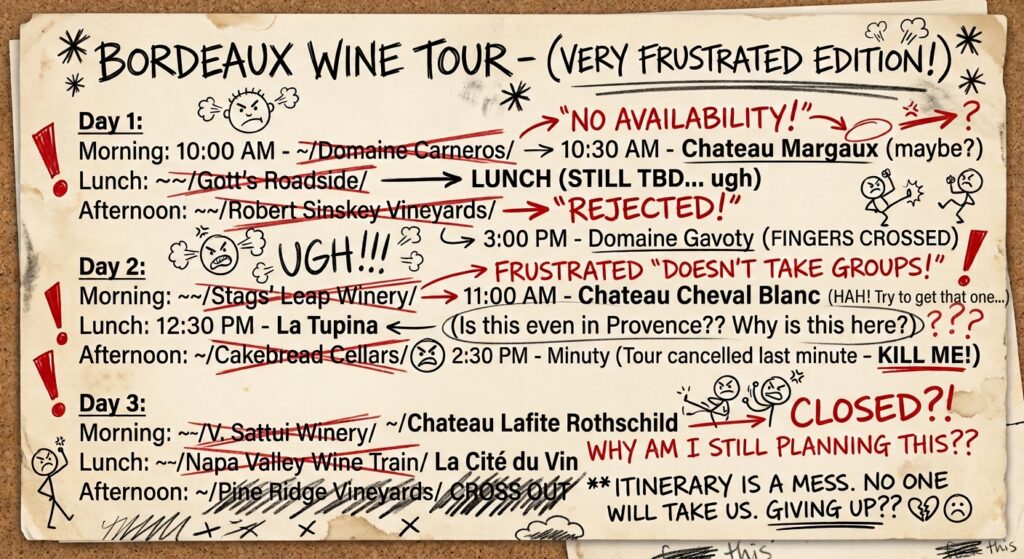
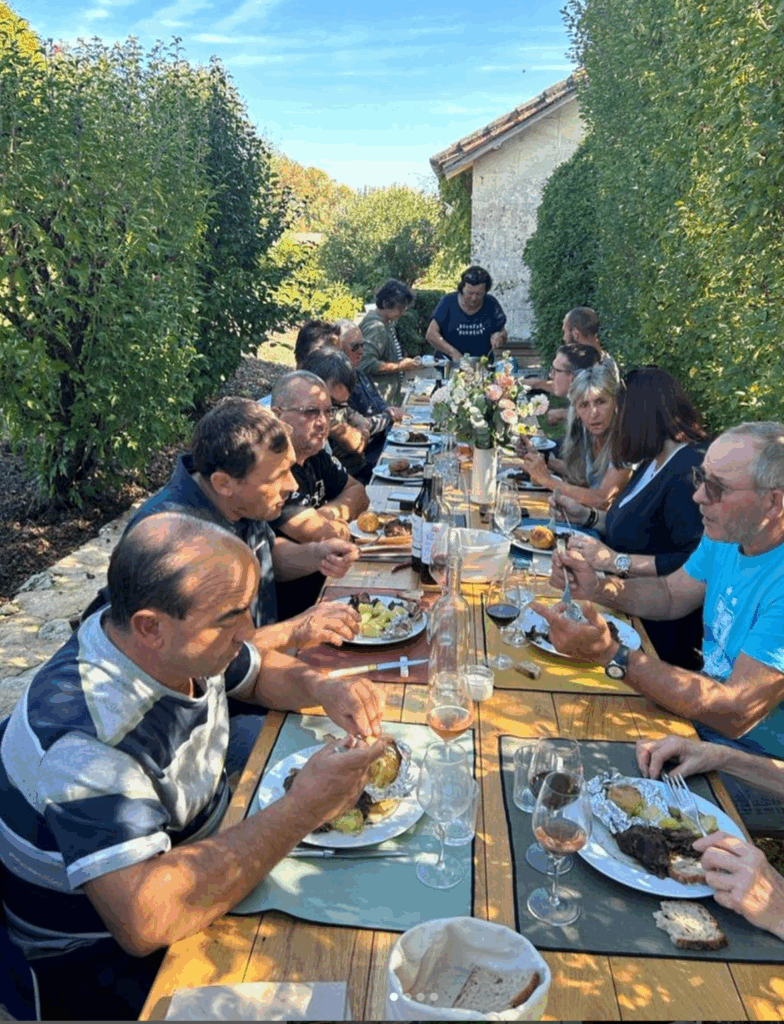
Experience the finest private wine tours in Bordeaux and beyond. With over 20 years of expertise, we craft tailor-made wine journeys to iconic regions like Médoc, Saint-Émilion, Burgundy, and Champagne. Explore exclusive chateaux with expert guides and seamless planning for a truly unforgettable experience.