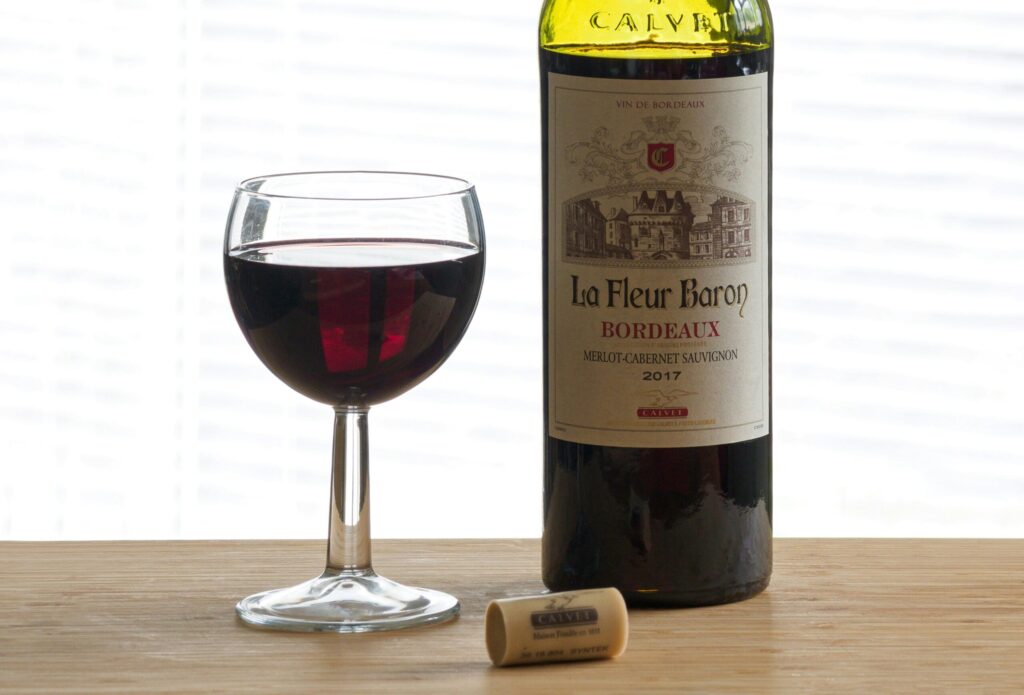
France's two most prestigious wine regions—Bordeaux and Burgundy—represent fundamentally different philosophies in winemaking that have shaped the global wine industry for centuries. Bordeaux built its reputation on the art of blending multiple grape varieties to create harmonious, age-worthy wines that express the vision of the winemaker. Burgundy, conversely, has perfected the single-varietal approach, crafting wines from Pinot Noir and Chardonnay that reveal the nuanced character of individual vineyard sites, or terroir.
For collectors and enthusiasts, understanding these contrasting approaches is essential to building a balanced cellar and appreciating what each bottle represents. This first part explores the historical, practical, and philosophical reasons behind these divergent approaches and what they mean for wine quality and expression.
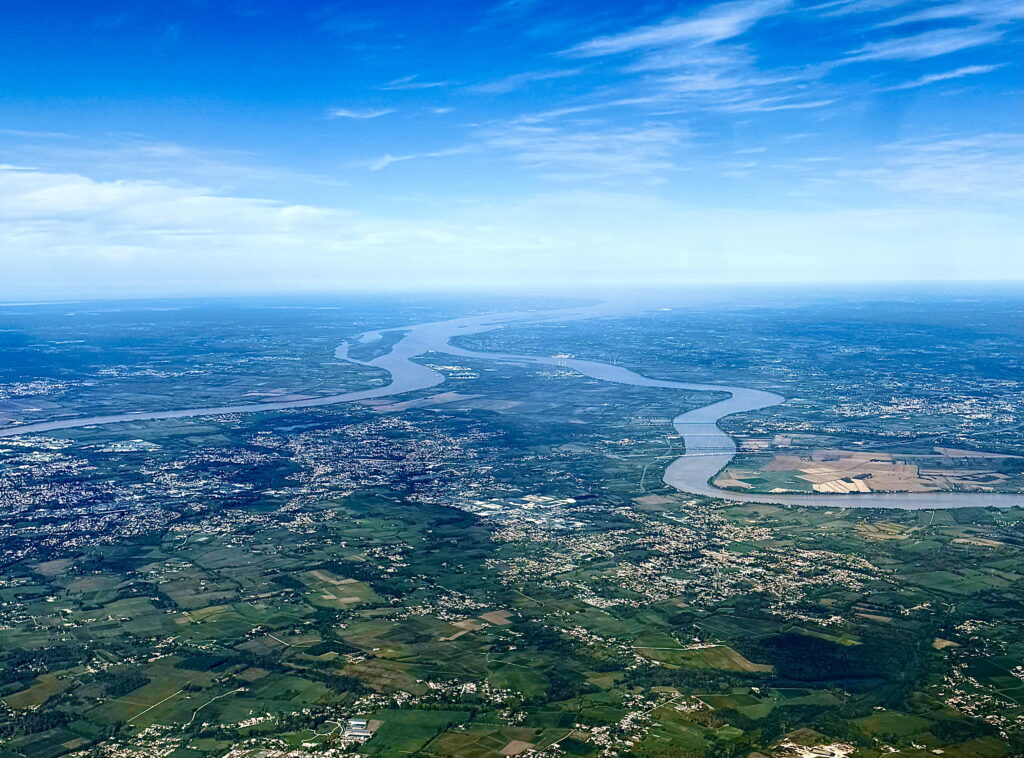
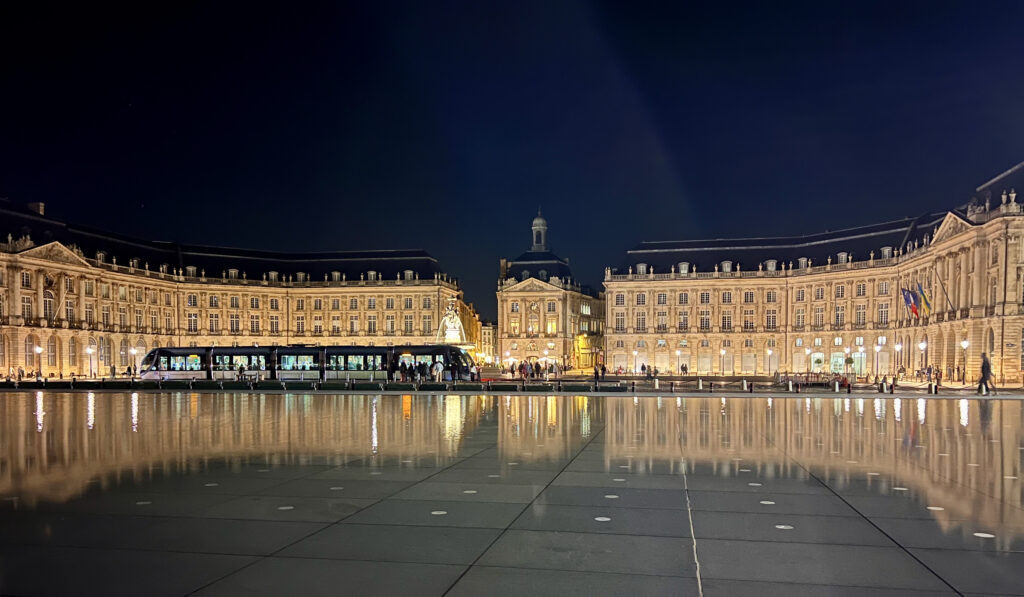
Bordeaux's blending tradition emerged from both necessity and opportunity. Located on the Atlantic coast with the Gironde estuary providing access to global markets, Bordeaux became a commercial powerhouse in the 17th and 18th centuries. British merchants, particularly influential after Eleanor of Aquitaine's marriage to Henry II in 1152, demanded consistent, age-worthy wines that could survive long sea voyages.
The region's maritime climate—mild, humid, and variable—made relying on a single grape variety risky. Vintage variation could be extreme, and different varieties ripened at different times, offering natural insurance against weather challenges. Merlot ripens early and provides softness and fruit; Cabernet Sauvignon ripens later, contributing structure, tannins, and aging potential; Cabernet Franc adds aromatic complexity and freshness; Petit Verdot and Malbec offer color and spice notes.
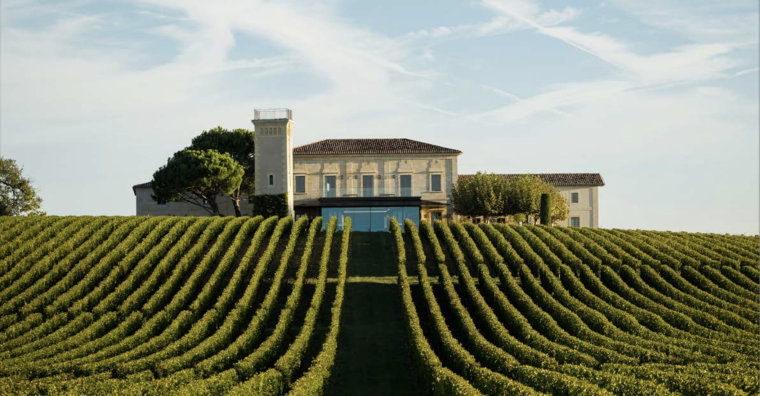
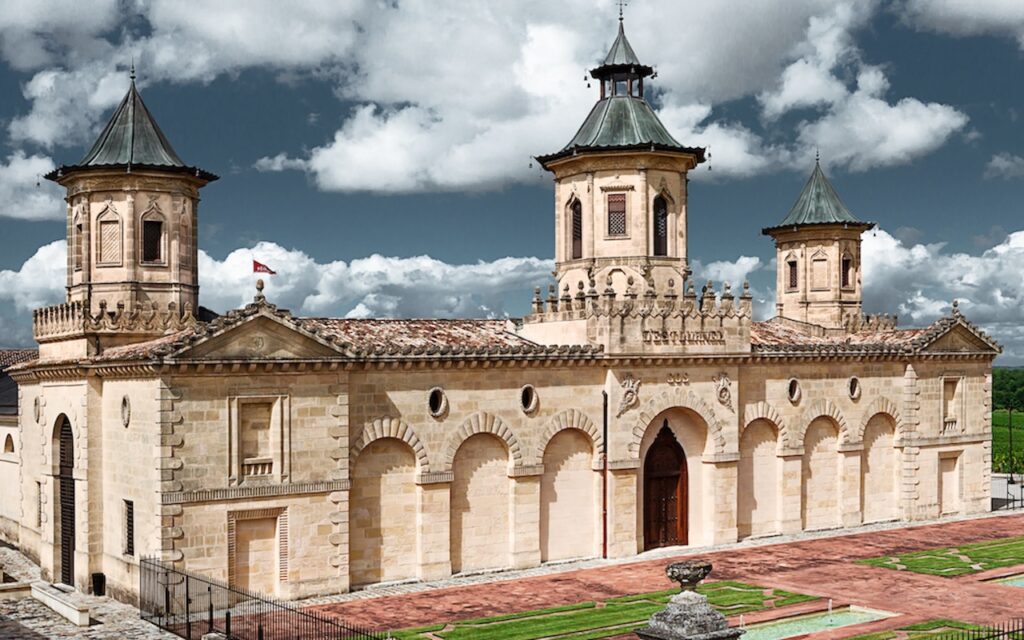
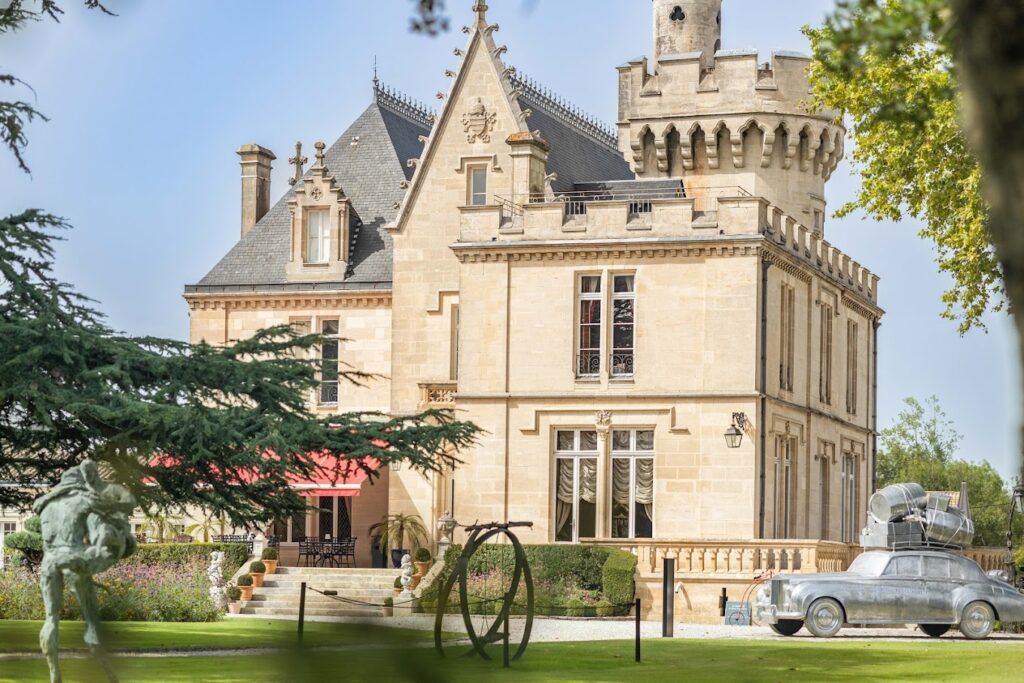
The châteaux system, where individual estates controlled large vineyard holdings, also encouraged blending. Most properties had diverse terroirs within their boundaries—gravelly hilltops ideal for Cabernet Sauvignon, clay-rich valleys perfect for Merlot. Rather than bottling these separately, proprietors blended them to create a consistent house style that could be recognized and traded internationally.
The 1855 Classification, created for the Paris Universal Exhibition, institutionalized this approach by ranking entire châteaux rather than specific vineyards, reinforcing the concept that the estate's blending skill was as important as the land itself.
Burgundy's single-varietal philosophy has entirely different origins. Benedictine and Cistercian monks began cultivating vines in Burgundy during the Middle Ages, approaching viticulture with scientific rigor and spiritual dedication. Over centuries, they meticulously mapped the region, identifying subtle differences in soil, slope, and exposition that affected wine quality.
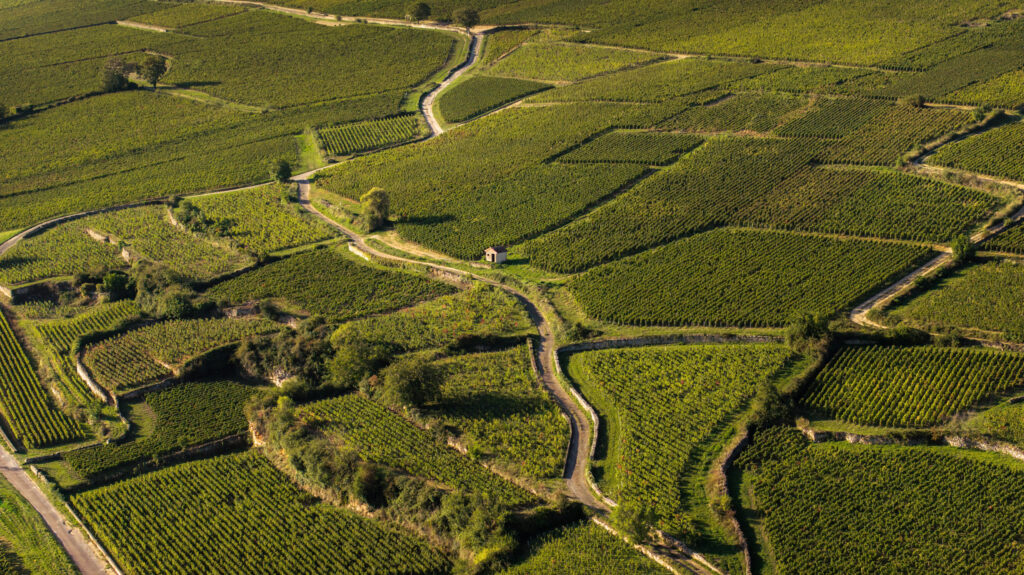
This created Burgundy's famous climat system—a mosaic of precisely delineated vineyard parcels, each with distinct characteristics. Unlike Bordeaux's large estates, Burgundian vineyards were fragmented through Napoleonic inheritance laws, which required equal division of property among heirs. This created a complex patchwork where a single climat might have dozens of different owners, each farming small plots.

In this context, blending made little sense. The entire value proposition rested on showcasing the unique expression of each climat. A wine from Romanée-Conti commands astronomical prices not because of blending artistry but because it captures the essence of that specific 1.8-hectare vineyard. Combining it with fruit from neighboring parcels would dilute rather than enhance its identity.
Burgundy's continental climate—more extreme than Bordeaux's, with colder winters and significant vintage variation—paradoxically strengthened the single-varietal tradition. Pinot Noir and Chardonnay proved ideally suited to the region's conditions, and centuries of selection created distinctive Burgundian clones adapted to local terroirs. Why plant multiple varieties when these two had been perfected?
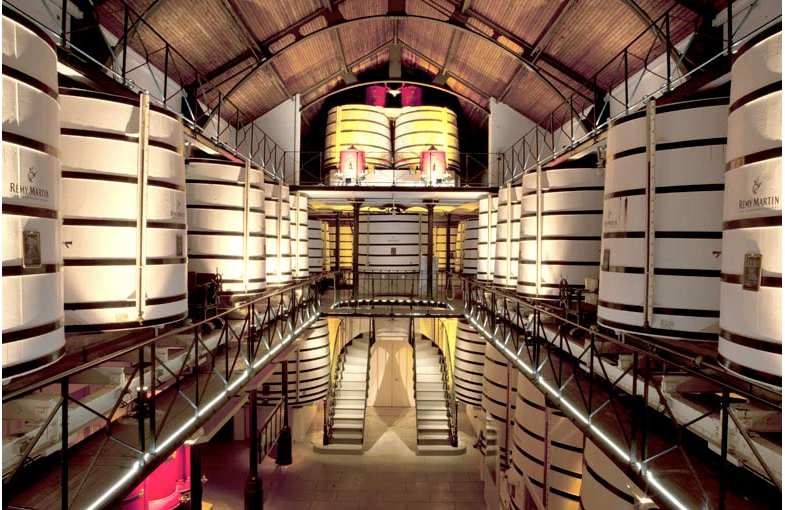
The heart of Bordeaux winemaking is the assemblage—the blending process that typically occurs in late winter or early spring following harvest. This is where technical expertise meets artistic vision, as winemakers taste through numerous fermentation lots to determine the final blend composition.
A typical Right Bank château (Pomerol or Saint-Émilion) might produce 15-25 different lots in a given vintage, separated by grape variety, vineyard parcel, and vine age. A larger Left Bank estate (Médoc or Graves) could have 40-60 lots or more. Each lot is evaluated for its aromatic profile, structure, tannin quality, and aging potential.
The winemaker's goal is creating a whole greater than the sum of its parts. Merlot might contribute 60% of the blend, providing a plush core of dark fruit and velvety texture. Cabernet Sauvignon adds 30%, bringing cassis notes, firm tannins, and structural backbone. Cabernet Franc contributes 8%, offering violets, graphite minerality, and mid-palate lift. Petit Verdot provides the final 2%, adding inky color, exotic spice, and a grip that will help the wine age for decades.
What makes this process fascinating is its variability. The same château might shift from 70% Merlot in a cool vintage to 65% Cabernet Sauvignon in an ideal year. Some estates have moved toward higher Cabernet Franc percentages as climate change has made this variety more reliably ripe. Others have reduced or eliminated Malbec and Petit Verdot, which can be excessively tannic in warmer years.
Bordeaux's blending philosophy also allows for rigorous selection through the grand vin system. Only the finest lots make it into the château's primary label. Wines from younger vines, less optimal parcels, or lots that don't fit the desired profile are declassified into second wines or third wines.
Château Margaux might select only 35-40% of its production for the grand vin in challenging vintages, with the remainder becoming Pavillon Rouge du Château Margaux or sold off in bulk. This selection process, enabled by having multiple varieties and parcels to choose from, helps maintain quality consistency across vintages—a crucial factor for collectors and the secondary market.

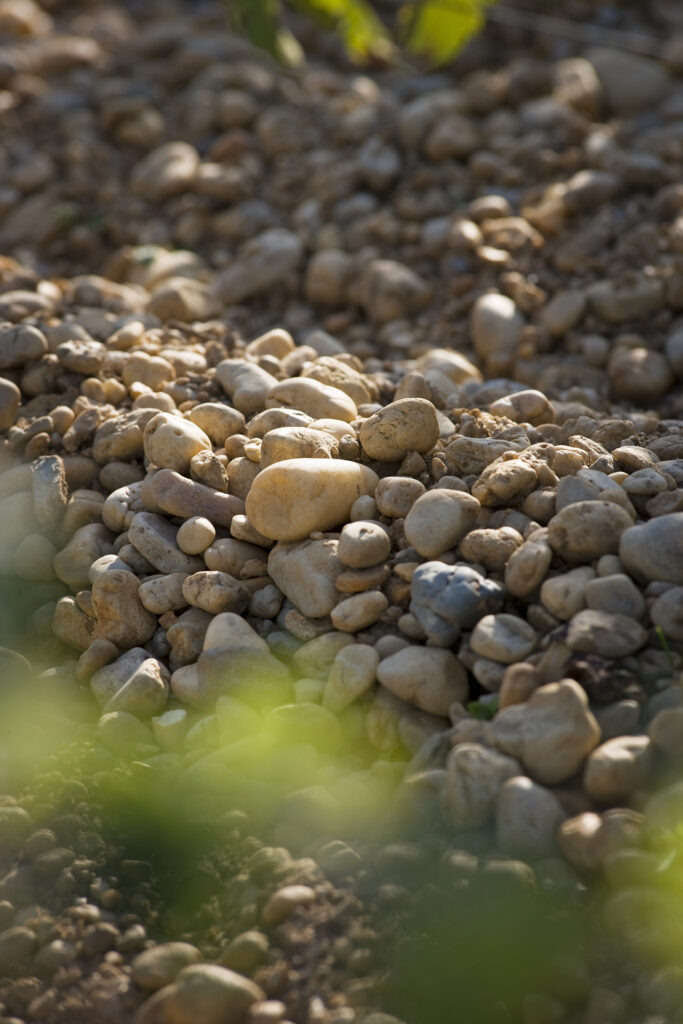
Bordeaux's appellations are defined broadly, allowing estates to blend across diverse terroirs within their holdings. A Pauillac château might blend Cabernet Sauvignon from well-drained gravel croupes (mounds) near the Gironde with Merlot from clay-limestone parcels further inland, creating a wine that benefits from both terroirs' strengths.
This contrasts sharply with Burgundy, where appellation boundaries are drawn tightly around specific climats. A producer cannot blend Gevrey-Chambertin with Chambolle-Musigny and call it either—it would be declassified to the regional Bourgogne appellation.
Burgundy's commitment to single-varietal wines rests on the premise that Pinot Noir and Chardonnay are ideal vehicles for expressing terroir. Both varieties are considered relatively neutral and transparent compared to more characterful grapes like Cabernet Sauvignon or Syrah. This allows the influence of soil, microclimate, and vineyard position to shine through clearly.
Pinot Noir's thin skins make it sensitive to growing conditions, reflecting even subtle variations in temperature, sunlight exposure, and water availability. Two vineyards separated by a footpath can produce dramatically different wines—one elegant and perfumed, the other more structured and earthy—because of slight differences in soil depth or limestone content.
Chardonnay similarly acts as a transparent medium. In Chablis's Kimmeridgian limestone, it produces steely, mineral-driven wines with oyster-shell salinity. In Meursault's deeper, richer soils, it becomes opulent and nutty. In Puligny-Montrachet, it achieves laser-like precision and tension. The variety doesn't impose a strong personality; instead, it reveals the vineyard's character.

Burgundy's 1,247 classified climats represent winemaking at its most granular. These precisely delineated vineyard parcels range from tiny monopoles like Romanée-Conti (1.8 hectares) to larger Grands Crus like Corton (160 hectares, though further subdivided by specific lieu-dits).
This system demands single-varietal wines because the entire point is comparative tasting. Collectors and connoisseurs can taste through a range of climats—Chambertin, Chambertin-Clos de Bèze, Latricières-Chambertin, Mazis-Chambertin—all from the same village, all made from 100% Pinot Noir, often by the same producer, sometimes from the same vintage. The differences, therefore, must reflect terroir rather than blending decisions or varietal composition.
This transparency creates accountability. A Burgundian winemaker cannot hide behind blending if a particular climat underperforms. The wine is what it is—a direct expression of that vineyard in that vintage, shaped by farming and winemaking choices but fundamentally dictated by terroir.
Ironically, while Burgundy eliminates varietal blending, the producer's signature becomes even more important. With hundreds of growers farming the same climats, choices about vine density, organic or biodynamic farming, harvest timing, whole-cluster fermentation, oak regimen, and aging decisions create profound stylistic differences.
Domaine de la Romanée-Conti's Richebourg tastes distinctly different from Domaine Leroy's Richebourg or Domaine Méo-Camuzet's, even though all come from the same Grand Cru climat. The single-varietal approach puts every decision under a microscope, making Burgundy perhaps the ultimate expression of winemaker craft within the constraints of terroir.
Bordeaux's oceanic climate creates moderate growing conditions ideal for blending multiple varieties. The Gulf Stream influence keeps winters mild and summers warm but rarely extreme. Rain can arrive at inopportune moments—during flowering, causing coulure (poor fruit set), or at harvest, diluting flavors.
The region's diverse geology adds complexity. The Left Bank's Médoc features deep gravel beds deposited by ancient rivers, providing excellent drainage and heat retention perfect for late-ripening Cabernet Sauvignon. The Right Bank's Pomerol and Saint-Émilion have clay, sand, and limestone combinations favoring earlier-ripening Merlot.
These variations make single-varietal wines risky. A Cabernet Sauvignon-only wine from Bordeaux might be green and harsh in cool vintages, overripe and jammy in hot ones. Blending provides balance across variable conditions.
Burgundy's continental climate creates vintage variation that paradoxically reinforces single-varietal focus. Cold winters, spring frost risk, and significant diurnal temperature shifts during ripening create challenging conditions where only the best-adapted varieties thrive.
Pinot Noir and Chardonnay have evolved over centuries to perform reliably in Burgundy's climate. Pinot Noir's early ripening allows it to avoid autumn rains, while its genetic diversity (countless clonal selections) provides options for different terroirs. Chardonnay's versatility and vigor make it suitable for sites from cool Chablis to warmer Mâconnais.
The Côte d'Or's limestone bedrock, formed from ancient seabeds, creates ideal conditions for both varieties. Different limestone types—from Chablis's Kimmeridgian to the Côte de Nuits's harder Comblanchien stone—provide diverse expressions while maintaining a common mineral thread.
Coming in Part 2: Collecting strategies, investment guidance, tasting experiences, modern trends and climate change impacts, buying and storage advice, and food pairing recommendations for both regions.
Bordeaux builds its reputation on blending multiple grape varieties (primarily Cabernet Sauvignon, Merlot, and Cabernet Franc) to create complex, structured wines. Burgundy focuses on single-varietal wines—Pinot Noir for reds and Chardonnay for whites—to showcase the unique characteristics of specific vineyard sites (climats). Bordeaux emphasizes the winemaker's blending artistry; Burgundy emphasizes terroir transparency.
Bordeaux's maritime climate and diverse terroirs within individual estates make blending practical—different varieties ripen at different times and contribute complementary characteristics. The region's commercial history also favored consistent, branded products. Burgundy's fragmented vineyard ownership and terroir-focused classification system reward single-varietal purity, allowing direct comparisons between specific climats. Additionally, Pinot Noir and Chardonnay are ideally suited to Burgundy's climate and soils.
At the very top, both regions command astronomical prices—Château Pétrus or Romanée-Conti can cost thousands per bottle. However, Burgundy's average bottle price tends to be higher due to extreme scarcity (tiny production runs) and fragmented ownership. Entry-level Bordeaux (petits châteaux, basic appellations) is generally more affordable than entry-level Burgundy. For collectors, Bordeaux offers more price-accessible options for age-worthy wines.
Top Bordeaux, especially Left Bank Cabernet-based blends, can age 30-50+ years, with First Growths from exceptional vintages lasting 75-100 years. Most quality Bordeaux benefits from 10-20 years cellaring. Burgundy's lighter-bodied structure ages differently—Grand Cru Pinot Noir can age 20-40 years, developing extraordinary complexity, while village-level wines peak at 5-10 years. White Burgundy (Chardonnay) from top producers can age 15-30+ years.
Legally, yes, but it's rare and goes against the region's philosophy. Producers can blend different climats, but this typically results in declassification to a lower appellation. For example, blending Gevrey-Chambertin with Chambolle-Musigny would create a regional Bourgogne wine, losing the village designation. Some producers blend different parcels within a single climat, but this is presented as expressing that climat's character, not as creative blending like in Bordeaux.
Bordeaux is often more approachable for beginners due to clearer château branding, larger production runs (easier to find), more straightforward classification systems (1855 Classification, Crus Bourgeois), and better aging predictability. Burgundy requires more specialized knowledge about producers, climats, and vintage variation, with higher barriers to accessing top wines. However, Burgundy's village-level wines from quality producers offer excellent entry points for learning about terroir.
These terms refer to the Gironde River and its tributaries. Left Bank (west side) includes the Médoc, Haut-Médoc, Graves, and Pessac-Léognan, characterized by gravelly soils favoring Cabernet Sauvignon-dominant blends. Right Bank (east side) includes Pomerol and Saint-Émilion, with clay and limestone soils favoring Merlot-dominant blends. Left Bank wines tend to be more structured and tannic; Right Bank wines are often richer and more immediately approachable.
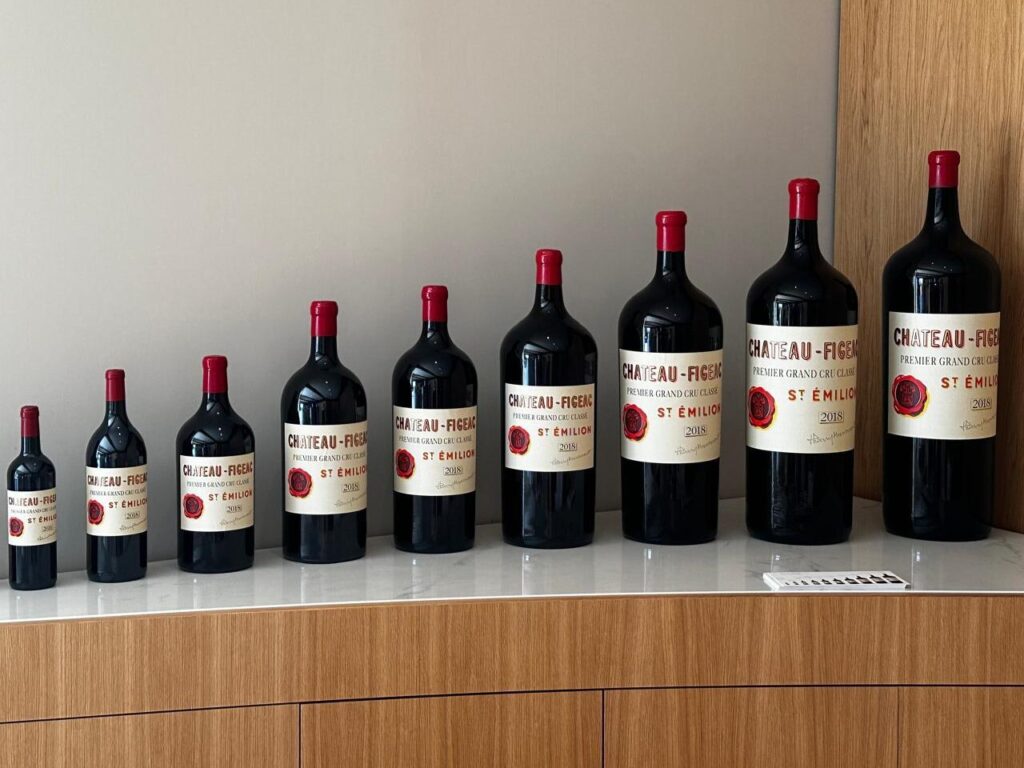
In Burgundy, Grand Cru refers to the highest vineyard classification—33 exceptional climats recognized for terroir quality. Any wine from these precisely defined vineyard parcels can be labeled Grand Cru. In Bordeaux, "Grand Cru" appears in Saint-Émilion's classification (Grand Cru Classé, Premier Grand Cru Classé) and refers to estate quality, not specific vineyards. Bordeaux's closest equivalent to Burgundy's terroir-based classification is the 1855 Classification of the Médoc, which ranks châteaux (First through Fifth Growths).
Burgundy's extreme fragmentation creates scarcity—a typical domaine might produce only 25-300 cases of a specific wine. Combined with global demand from collectors, this creates allocation systems where most wine goes to long-standing customers. Many top producers never enter the open market. Additionally, complex appellation structures (over 600 named appellations), numerous producers (over 3,800), and significant bottle variation make Burgundy challenging to navigate without specialized knowledge or relationships.
Yes, both regions produce outstanding white wines, though they're less famous than their reds. Bordeaux makes white blends primarily from Sauvignon Blanc and Sémillon, ranging from crisp, mineral Bordeaux Blanc to rich, age-worthy Pessac-Léognan whites and sweet Sauternes. Burgundy produces some of the world's finest Chardonnay, from steely Chablis to rich Meursault and precise Puligny-Montrachet. White Burgundy follows the same single-varietal, terroir-focused philosophy as red Burgundy.
En primeur can offer value in exceptional vintages (like 2015, 2016, 2019, 2020) for sought-after châteaux, allowing you to secure allocation and potentially save 20-40% versus bottle prices years later. However, many recent futures haven't appreciated as expected, and you tie up capital for 2-3 years before delivery. Only buy en primeur if: (1) you're committed to aging the wines long-term, (2) you're buying from top estates in outstanding vintages, or (3) you're securing allocation for châteaux you love regardless of investment potential.
For

Experience the finest private wine tours in Bordeaux and beyond. With over 20 years of expertise, we craft tailor-made wine journeys to iconic regions like Médoc, Saint-Émilion, Burgundy, and Champagne. Explore exclusive chateaux with expert guides and seamless planning for a truly unforgettable experience.