Planning your first French wine tour from Paris? You're facing one of the most delightful dilemmas in wine travel: choosing between the sparkling glamour of Champagne and the rustic elegance of Burgundy. Both regions offer extraordinary experiences, but they cater to different tastes, timeframes, and wine preferences.
Let me help you decide which region deserves your first visit — or why you might want to experience both.
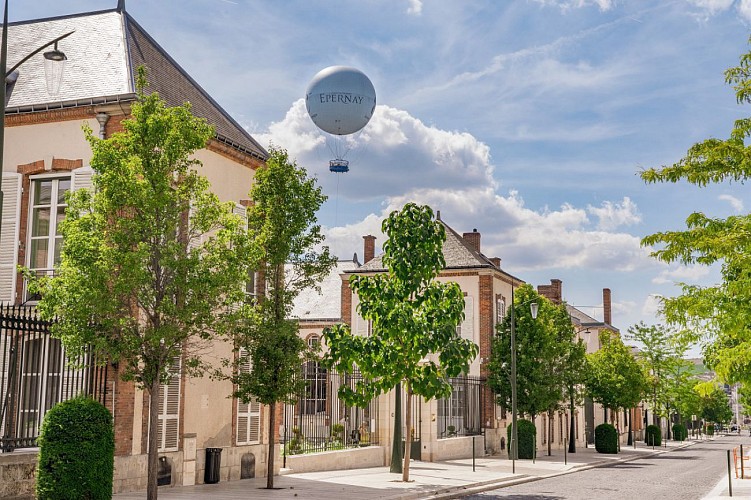
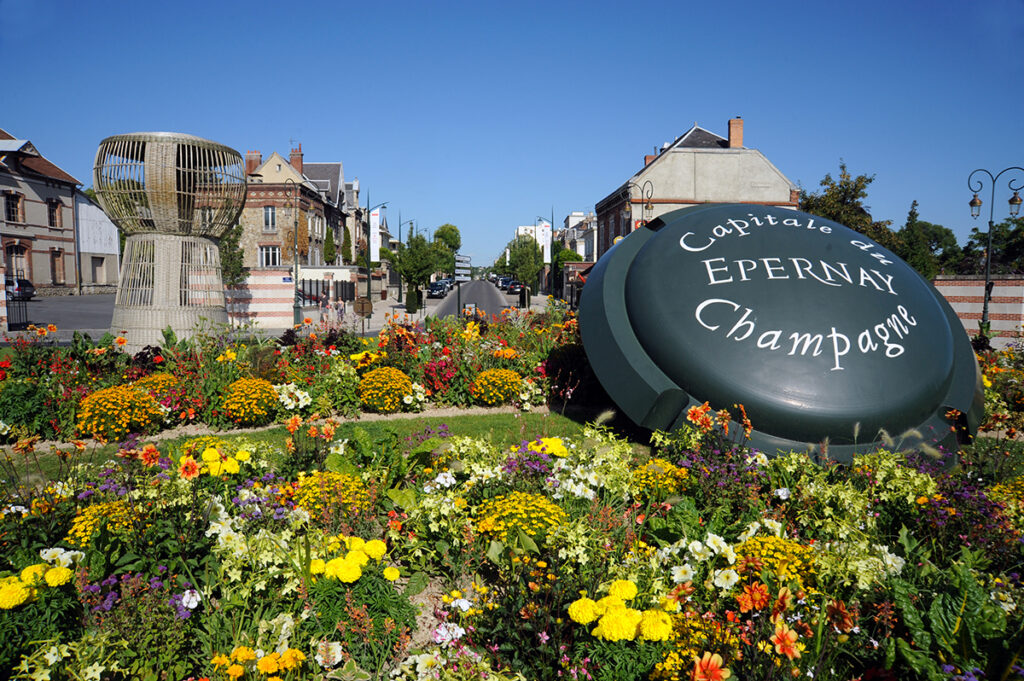
Accessibility is unbeatable. Located just 90 minutes from Paris, Champagne is perfect for day trips or weekend getaways. The towns of Reims and Épernay sit conveniently along train routes, making a Champagne tour entirely feasible without renting a car.
The prestige factor is real. Walking through the centuries-old chalk cellars of Moët & Chandon, Veuve Clicquot, or Taittinger delivers an incomparable sense of history and luxury. These aren't just wineries — they're monuments to French heritage and craftsmanship.
It's universally loved. Even people who claim they "don't like wine" usually enjoy Champagne. The crisp bubbles, the celebratory atmosphere, and the approachable nature of sparkling wine make it perfect for mixed groups or wine novices.
The experience is structured and polished. Major Champagne houses offer slick, professional tours with multiple language options. You'll learn about the méthode champenoise, explore dramatic underground tunnels carved by Romans, and taste vintage cuvées in elegant tasting rooms.
A typical day in Champagne includes visiting 2–3 prestigious houses, lunch in a charming bistro in Épernay or Reims, and perhaps a stop at a smaller grower-producer for a more personal experience. The landscape of rolling vineyards dotted with windmills is Instagram-ready, and the Champagne Route (Route Touristique du Champagne) offers picturesque drives through villages like Hautvillers, where Dom Pérignon perfected his craft.

The wine is simply extraordinary. Burgundy produces some of the world's most coveted and complex wines. If you're a serious wine enthusiast, tasting a Grand Cru Pinot Noir from Gevrey-Chambertin or a white Burgundy from Meursault is a pilgrimage, not just a tour.
It's authentically intimate. Unlike Champagne's grand houses, Burgundy revolves around small family estates where the winemaker might personally pour your wine in their centuries-old cellar. These encounters feel genuine, warm, and deeply educational.
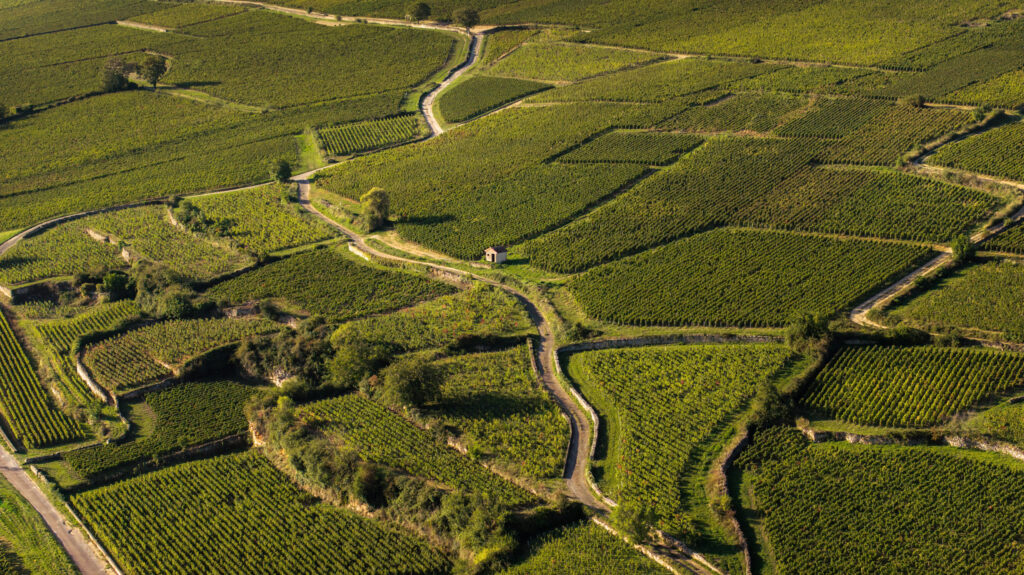
The diversity is remarkable. Burgundy offers both world-class reds (Pinot Noir) and whites (Chardonnay) across a patchwork of climats — tiny vineyard plots with distinct personalities. A Burgundy wine tour from Paris introduces you to the concept of terroir better than anywhere else on Earth.
Food reaches another level. Burgundian cuisine is legendary: coq au vin, boeuf bourguignon, escargots, époisses cheese, and pain d'épices. The region's restaurants and bistros take food-and-wine pairing seriously, making every meal memorable.
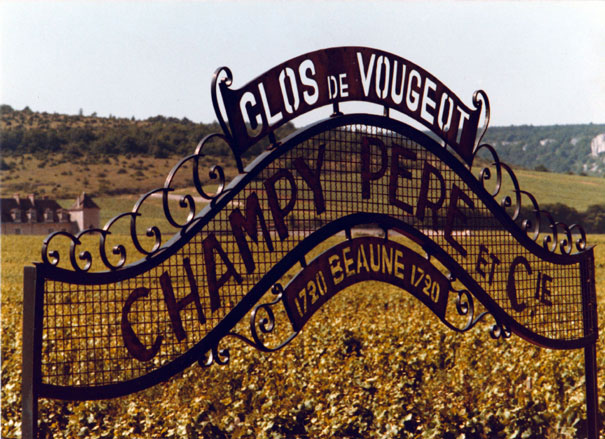
The scenery is storybook-perfect. Medieval villages like Beaune, Pommard, and Vougeot feature cobblestone streets, Gothic architecture, and vine-covered hillsides. The Hospices de Beaune, with its colorful tiled roof, is one of France's most photographed buildings.
A proper Burgundy tour spans the Côte de Nuits and Côte de Beaune, with stops at family domaines, perhaps a visit to a négociant like Louis Jadot, and lunch at a Michelin-starred restaurant or countryside auberge. You'll learn to appreciate subtle differences between neighboring villages and understand why a few meters can transform a wine's character.
The region requires more time — ideally 2–3 days to fully appreciate — but rewards patience with unforgettable tastings and genuine connections with passionate winemakers.
| Feature | Champagne | Burgundy |
|---|---|---|
| Distance from Paris | 90 minutes | 2–2.5 hours |
| Ideal Trip Length | 1–2 days | 2–4 days |
| Wine Style | Sparkling wine (Champagne) | Still wines (Pinot Noir & Chardonnay) |
| Atmosphere | Prestigious & polished | Intimate & authentic |
| Typical Venues | Grand historic houses with underground cellars | Small family estates & domaines |
| Best For | First-time visitors, celebration seekers, day-trippers | Wine enthusiasts, terroir lovers, foodies |
| Experience Level | Beginner-friendly | Intermediate to advanced |
| Tour Style | Structured, multi-language tours | Personal, appointment-based visits |
| Food Scene | Good bistros & restaurants | Exceptional Burgundian cuisine & Michelin dining |
| Landscape | Rolling vineyards, champagne houses | Medieval villages, patchwork climats |
| Average Tasting Cost | €20–50 per house | €15–40 per domaine (higher for Grand Crus) |
| Accessibility | Easy by train, walkable towns | Better with a car or private tour |
| Celebrity Factor | High (Moët, Veuve Clicquot, Dom Pérignon) | Moderate (cult producers known to wine lovers) |
| Group-Friendly | Excellent for mixed groups | Better for dedicated wine lovers |
| Instagram Appeal | Chalk cellars, champagne labels, elegant settings | Colorful tiled roofs, vine-covered hills, rustic charm |
Here's a secret: you don't have to choose. Many wine lovers design a 5–7 day itinerary that includes both regions. Start with 2 days in Champagne (closer to Paris), then continue south to Burgundy for 3–4 days. This approach provides contrast — sparkling versus still, grand houses versus intimate cellars, easy accessibility versus deeper exploration.

For your first French wine region visit, I'd recommend Champagne if you want an accessible, glamorous introduction to French wine culture with minimal planning stress. Choose Burgundy if you're already wine-savvy, have more time, and crave a deeply immersive experience that connects you to terroir and tradition.
But honestly? Both regions are magnificent. Your "first" visit to either will almost certainly inspire you to visit the other. The question isn't really which one to visit — it's which one to visit first.
I used Decanter Tours for a 10-day custom trip through Champagne, Burgundy, and Bordeaux. From the moment we were picked up in Reims to our final tasting in Beaune, everything was seamless. Their ability to secure private visits at prestigious houses like Moët and small family domaines in the Côte de Nuits was impressive. Our guides weren't just drivers; they were true wine experts who helped us compare the terroirs of both regions in a way we never could have on our own.
— Verified Client ReviewChampagne is approximately 90 minutes from Paris by train or car. Reims is easily accessible via high-speed TGV trains, making day trips entirely feasible.
Burgundy is about 2 hours from Paris by train (to Beaune) or 2.5–3 hours by car. While possible as a long day trip, it's best experienced over 2–3 days.
Absolutely. A week-long trip allows 2 days in Champagne and 3–4 days in Burgundy, giving you a comprehensive experience of both regions.
Burgundy tends to be pricier overall, particularly for Grand Cru wines and Michelin-starred dining. However, both regions offer options for various budgets, from modest grower-producers to prestigious estates.
Yes, for both regions. Champagne's major houses often accommodate walk-ins, but booking ensures availability and better time slots. Burgundy's small family estates typically require advance reservations.
Champagne's major houses cater to international tourists with tours in multiple languages. Burgundy's smaller estates may require more French, though many winemakers speak English. Booking with a tour company provides translation and ensures smooth communication.

Experience the finest private wine tours in Bordeaux and beyond. With over 20 years of expertise, we craft tailor-made wine journeys to iconic regions like Médoc, Saint-Émilion, Burgundy, and Champagne. Explore exclusive chateaux with expert guides and seamless planning for a truly unforgettable experience.