• Understanding Bordeaux's diversity - Left Bank wines (Cabernet Sauvignon-dominant) pair differently than Right Bank wines (Merlot-dominant), offering versatile pairing opportunities
• Classic pairings remain timeless - Red Bordeaux with roasted meats, lamb, and aged cheeses creates harmonious flavor combinations that have stood the test of centuries
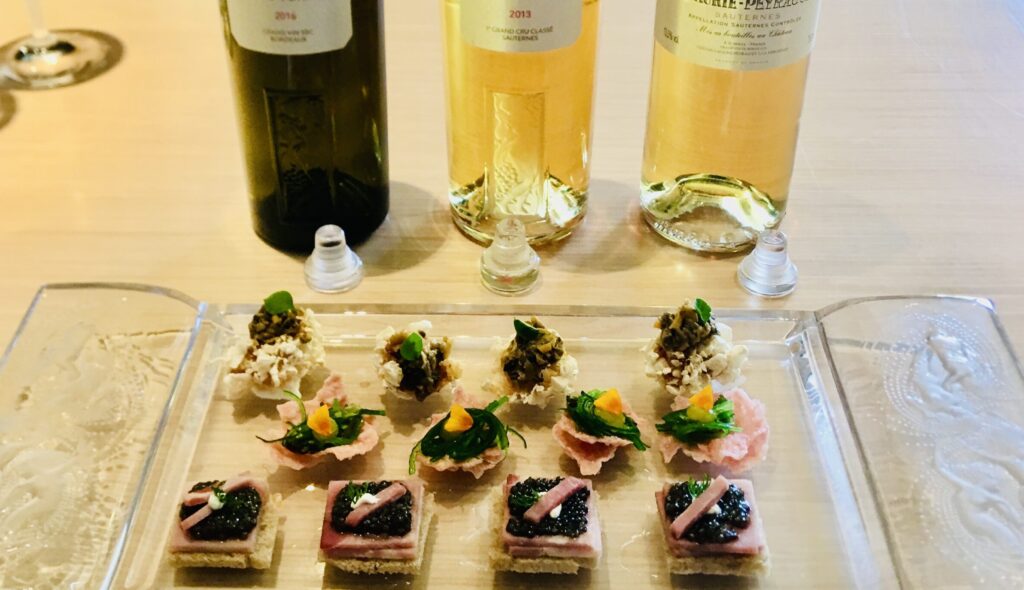
• White Bordeaux deserves attention - Dry whites complement seafood and poultry beautifully, while sweet Sauternes elevates foie gras and desserts to extraordinary heights
• Temperature and timing matter - Serving Bordeaux at the correct temperature (60-65°F for reds, 45-50°F for whites) and considering wine age enhances the pairing experience
• Unexpected pairings work beautifully - Bordeaux adapts remarkably well to Asian cuisine, spicy dishes, and modern fusion cooking when thoughtfully matched
• Structure guides pairing decisions - Match wine tannins with protein and fat content, acidity with rich sauces, and wine weight with dish intensity for perfect balance
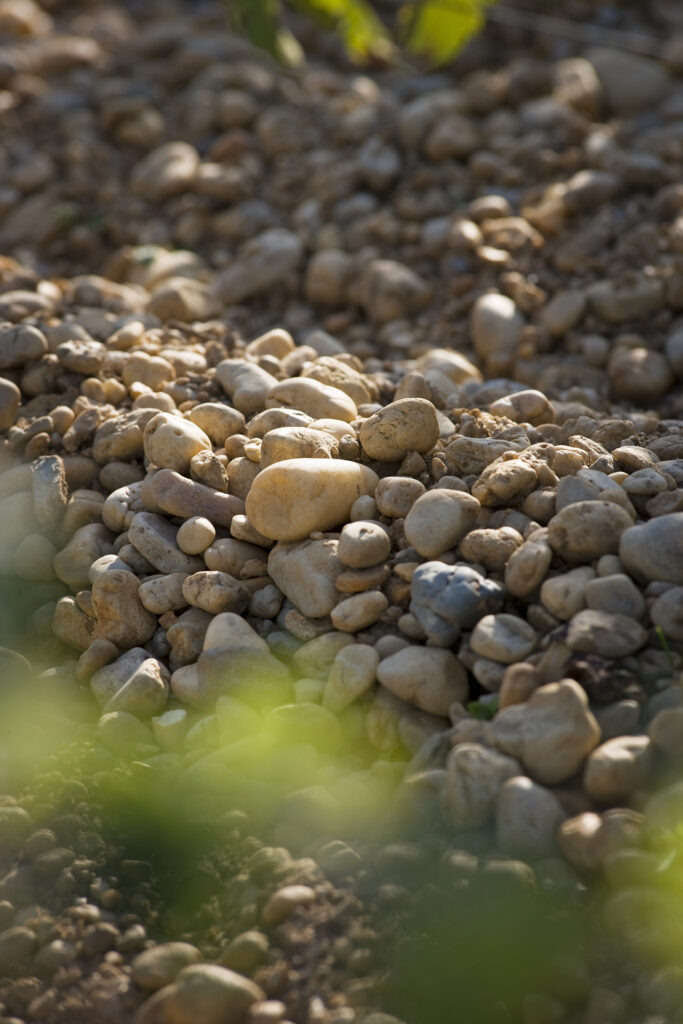
• Regional terroir influences flavor - Gravelly Left Bank estates produce structured wines for hearty fare, while clay-limestone Right Bank wines suit more delicate preparations
The art of pairing wine with food represents one of gastronomy's most refined pleasures, and nowhere is this more evident than in the Bordeaux region of France. For centuries, Bordeaux wines have graced the tables of connoisseurs worldwide, their complex profiles offering endless possibilities for culinary exploration. Whether you're a seasoned oenophile or an enthusiastic beginner, mastering Bordeaux wine pairing transforms every meal into a memorable experience.
This comprehensive guide delves deep into the nuances of Bordeaux wine pairing, exploring both traditional combinations and innovative matches that challenge conventional wisdom. From understanding the fundamental differences between Left Bank and Right Bank wines to discovering how a robust Pauillac complements unexpected spicy cuisine, you'll gain the knowledge to elevate your dining experiences to new heights.
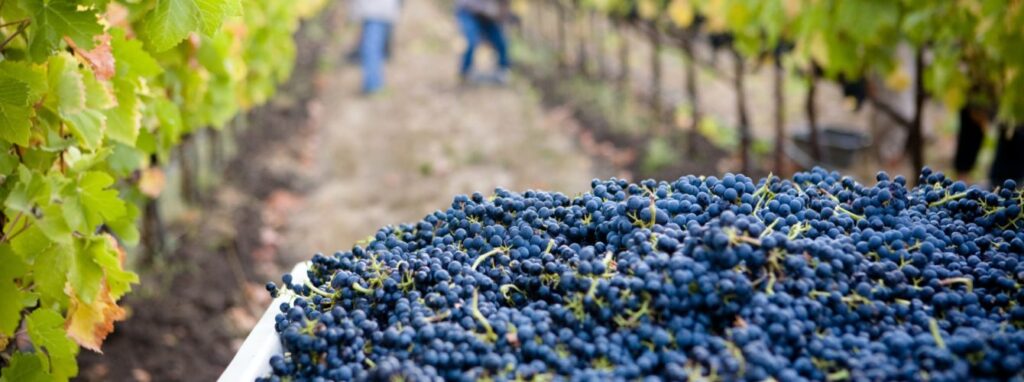
Before exploring specific pairings, it's essential to understand what makes Bordeaux wines unique. The Bordeaux region produces predominantly red wines from blends of Cabernet Sauvignon, Merlot, Cabernet Franc, Petit Verdot, and Malbec. However, the region also crafts exceptional white wines from Sauvignon Blanc and Sémillon, including the legendary sweet wines of Sauternes.
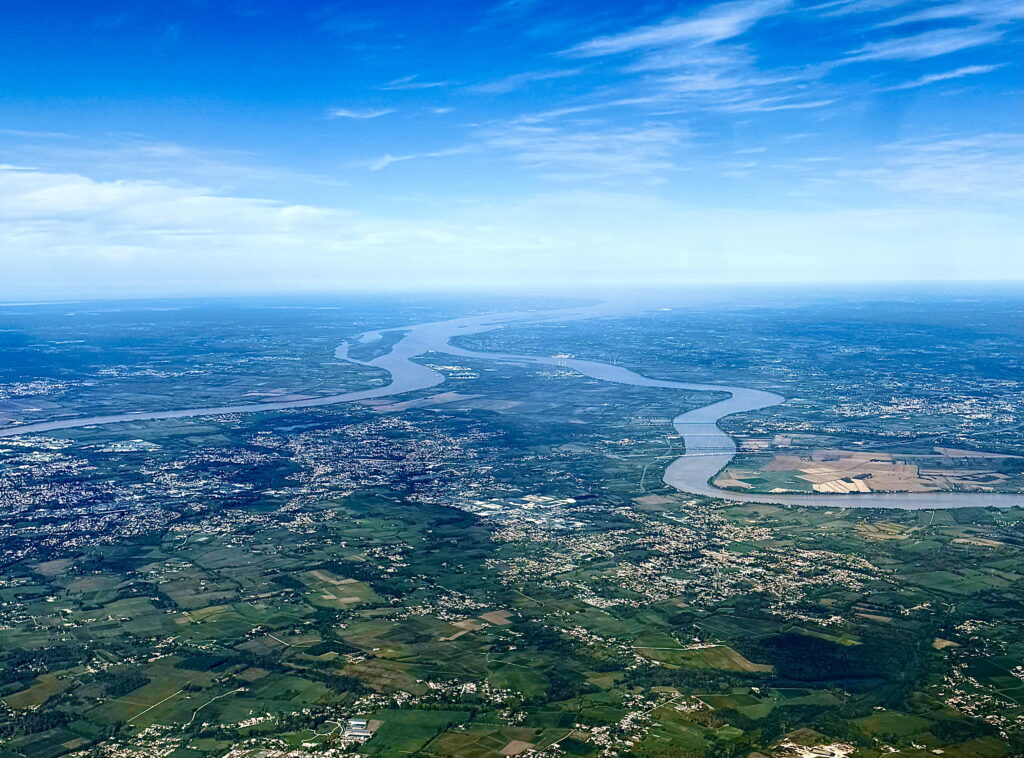
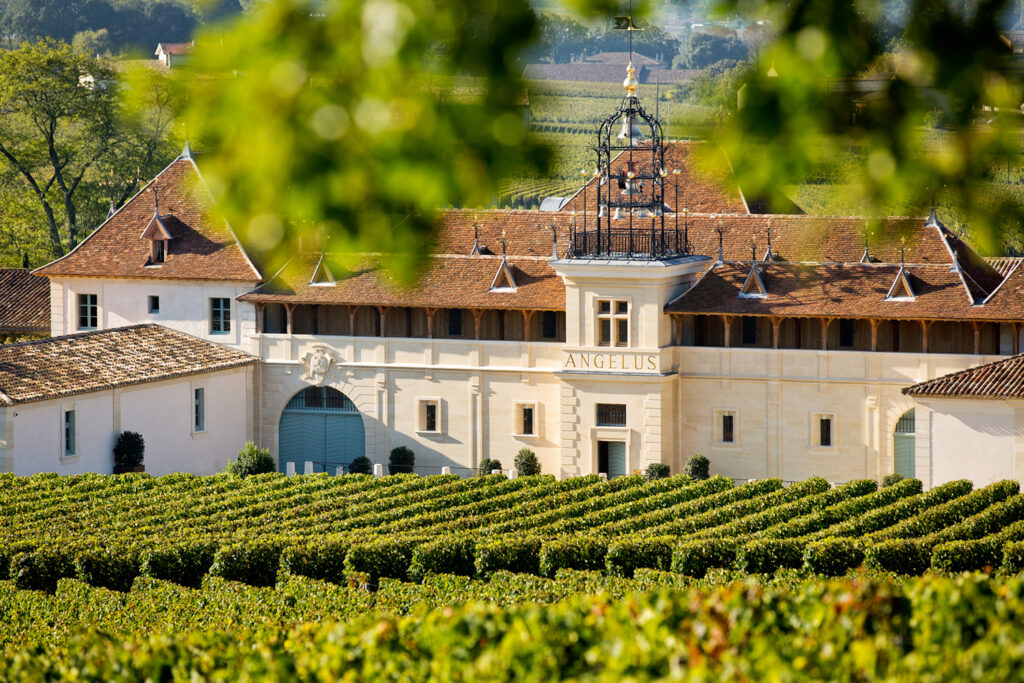
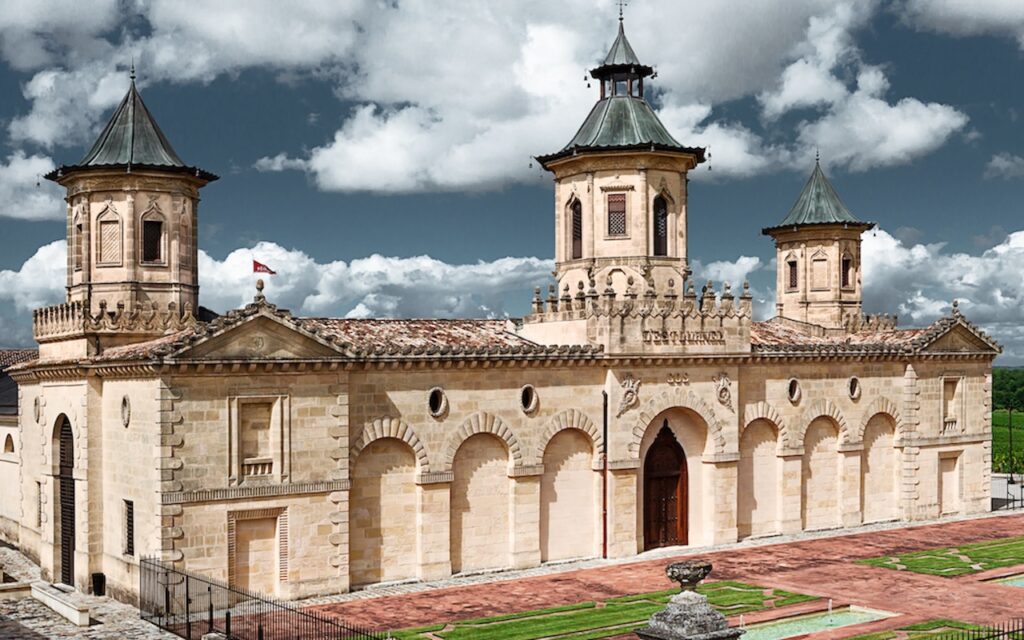
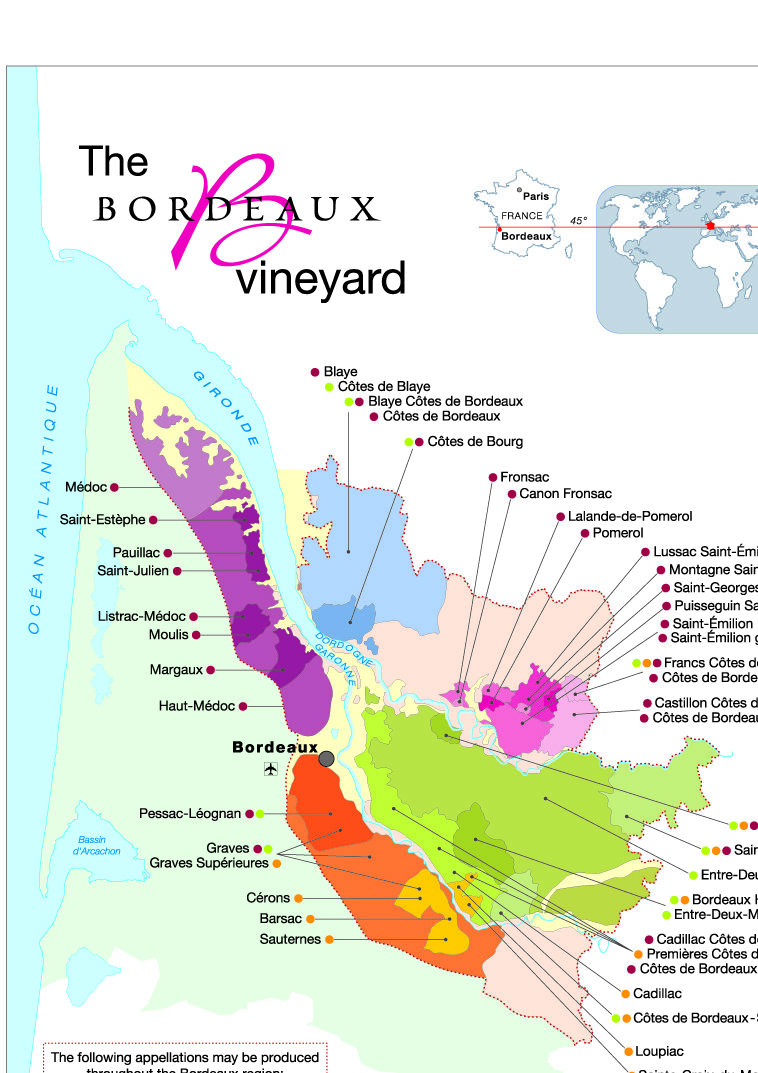
The Gironde estuary naturally divides Bordeaux into two primary zones, each with distinct characteristics that profoundly influence pairing strategies. The Left Bank, encompassing renowned appellations like Pauillac, Margaux, Saint-Julien, and Pessac-Léognan, features gravelly soils that favor Cabernet Sauvignon. These wines typically exhibit firm tannins, cassis and blackcurrant flavors, cedar notes, and exceptional aging potential.
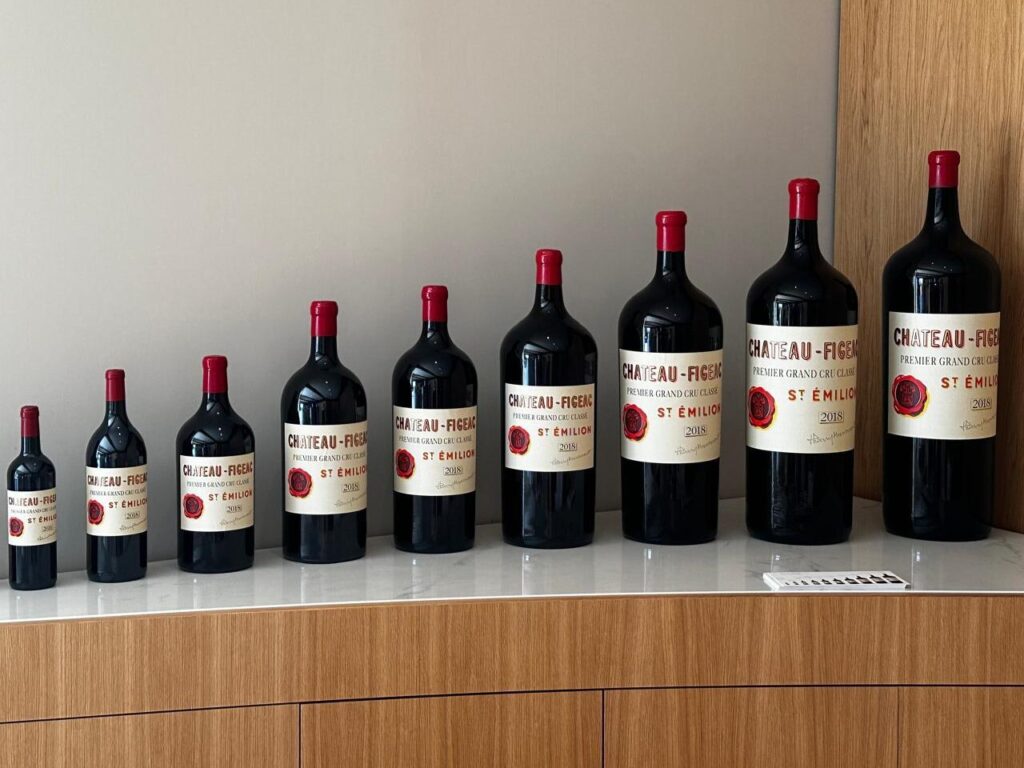
The Right Bank, home to Saint-Émilion and Pomerol, possesses clay and limestone soils ideal for Merlot cultivation. Right Bank wines generally display softer tannins, plum and cherry fruit characteristics, velvety textures, and earlier drinking windows. This fundamental distinction between Left and Right Bank wines forms the foundation for successful pairing strategies.
Successful wine pairing isn't merely subjective preference but involves understanding how flavors interact on your palate. Several key principles guide these interactions and help predict which combinations will harmonize beautifully.
Tannins, the compounds that create a drying sensation in your mouth, are softened by proteins and fats. This explains why red Bordeaux pairs magnificently with steak—the meat's proteins bind with tannins, making both the wine and food taste smoother. Acidity in wine cuts through rich, fatty dishes, cleansing your palate between bites. This principle makes crisp white Bordeaux exceptional with butter-based sauces or cream-enriched seafood dishes and even some creamy cheeses.
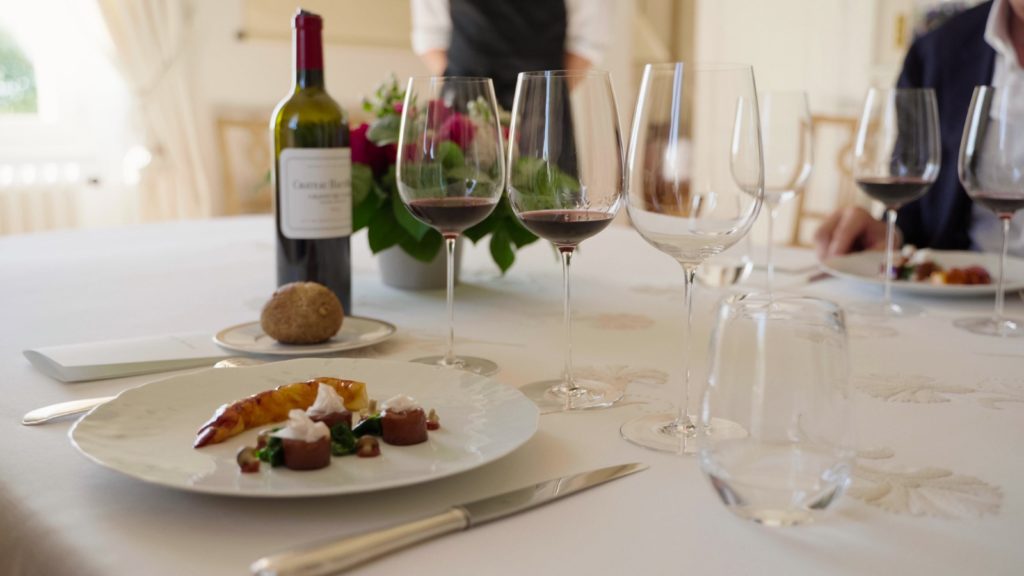
Weight matching ensures neither wine nor food overwhelms the other. A delicate fish preparation requires a lighter-bodied wine, while a robust beef stew demands a full-bodied red with substance to match. Complementary pairing emphasizes similar flavors in wine and food, such as pairing an earthy Pomerol with mushroom-based dishes. Contrasting pairing creates balance through opposition, like matching a sweet Sauternes with salty Roquefort cheese.
Understanding these principles allows you to approach pairing with confidence, adapting to available wines and ingredients while creating harmonious combinations.
Certain food and wine combinations have endured for generations because they simply work. These classic pairings showcase Bordeaux wines at their finest, creating synergies that elevate both elements.
The quintessential pairing for aged red Bordeaux remains a perfectly prepared beef dish. A Pauillac or Saint-Julien with substantial tannins pairs magnificently with grilled ribeye or côte de boeuf. The charred exterior complements the wine's toasted oak notes, while the marbled fat softens the tannins beautifully. For optimal results, prepare the beef simply (like the French do)—season with coarse salt and black pepper, allowing the meat's inherent flavors to shine.
Lamb represents another traditional match, particularly with wines from Margaux or Saint-Émilion. The slightly gamey character of lamb harmonizes with the wine's earthy undertones and herbal notes. Roasted leg of lamb with herbs de Provence, served with roasted root vegetables, creates a classic pairing that showcases why Bordeaux has remained the wine of choice for this preparation across centuries.
While Bordeaux's red wines receive most attention, the region's white wines offer exceptional pairing opportunities. Dry white Bordeaux, typically blending Sauvignon Blanc and Sémillon, exhibits vibrant acidity, citrus notes, and mineral complexity that make it ideal for seafood preparations.
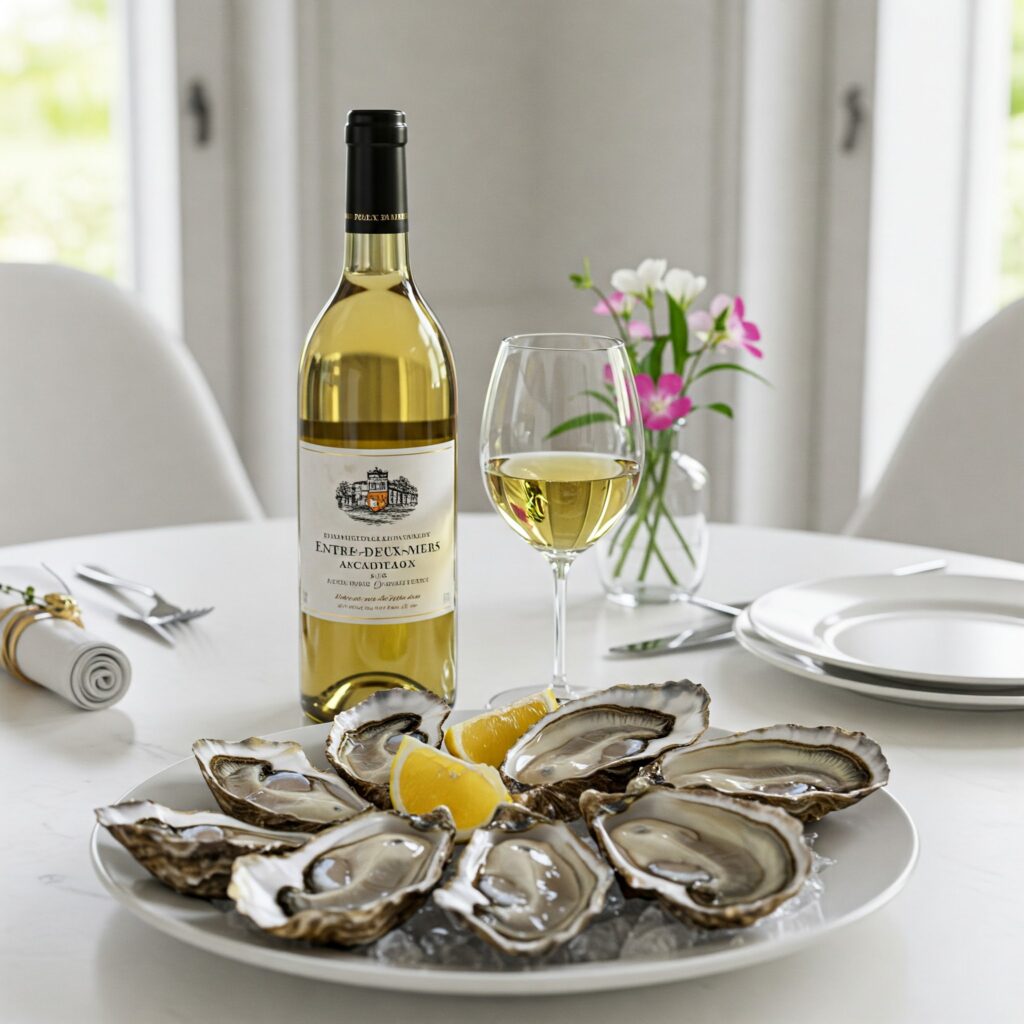
Talk about Slow Food: Oysters from nearby Arcachon Bay represent the ultimate local pairing. The wine's crisp acidity and saline mineral notes mirror the ocean's essence, while citrus flavors complement the oyster's delicate brininess. Grilled sea bass with a light beurre blanc sauce showcases how white Bordeaux handles both the fish's subtle flavors and the sauce's richness without overwhelming either element.
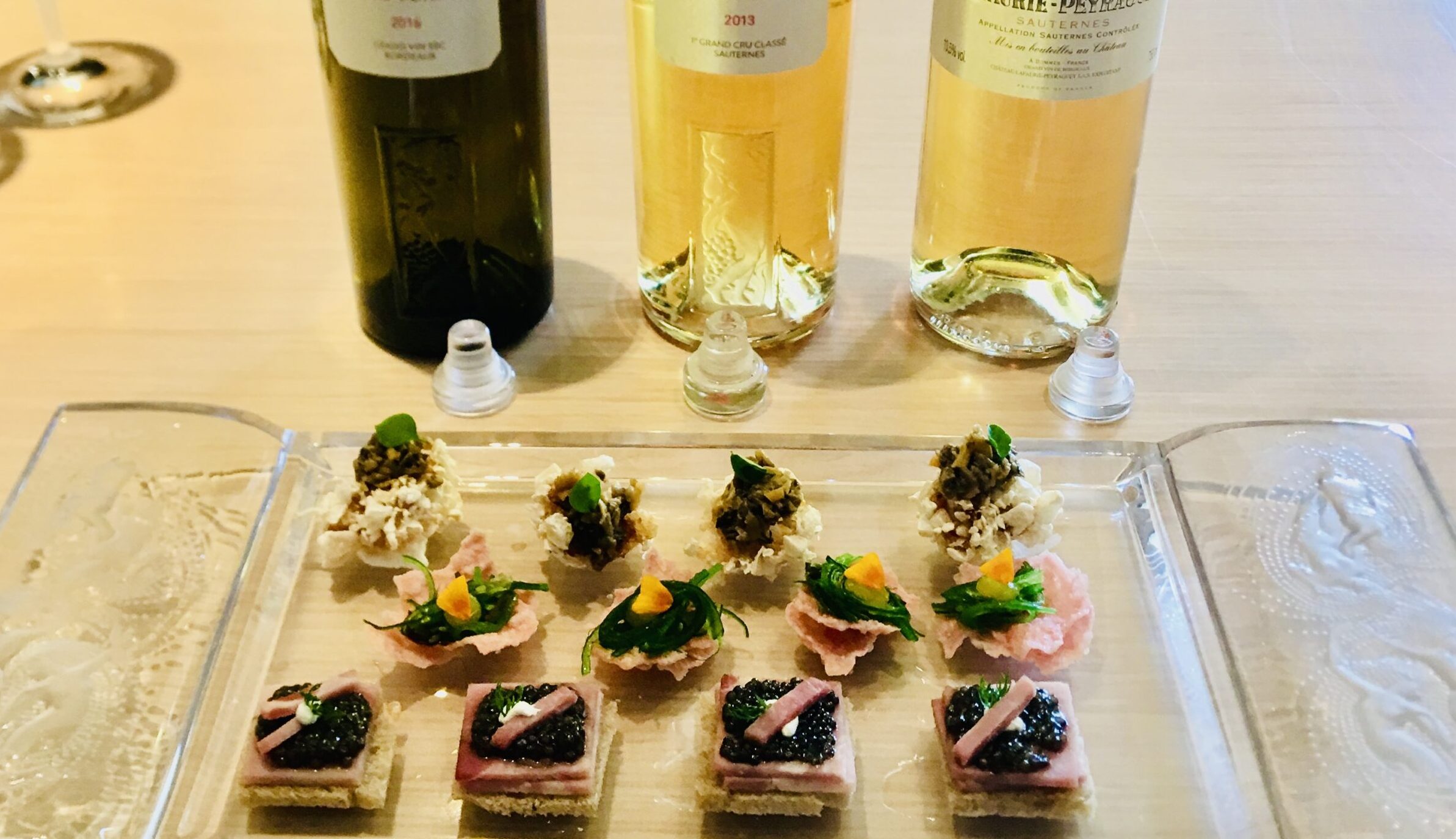
The sweet wines of Sauternes and Barsac achieve their unique character through noble rot, which concentrates sugars while maintaining acidity. This balance makes Sauternes remarkably versatile with both savory and sweet preparations.
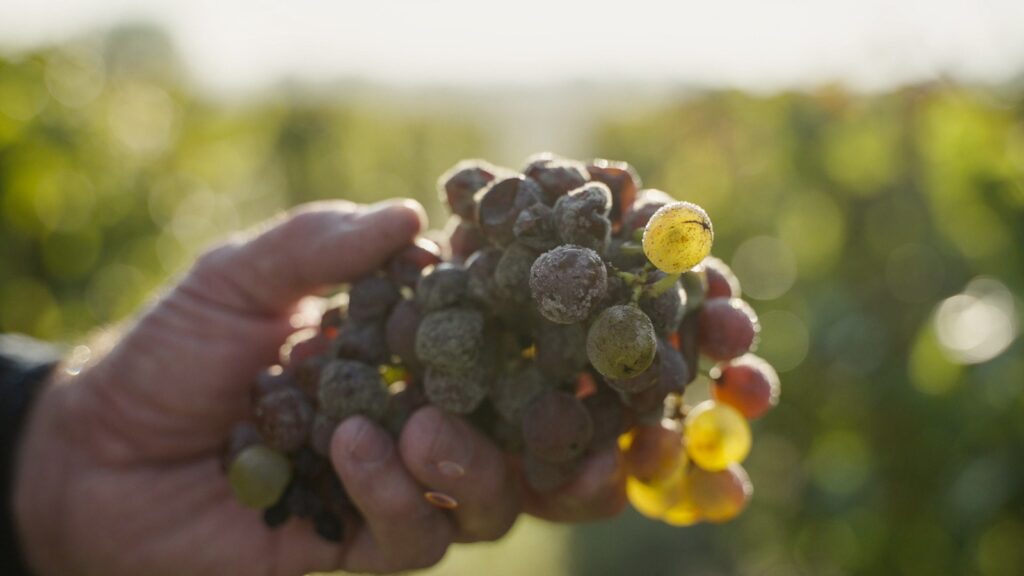
Foie gras with Sauternes represents one of gastronomy's most celebrated pairings. The liver's rich, buttery texture finds perfect contrast in the wine's acidity, while the complementary sweetness creates layers of flavor complexity. Whether served as terrine, pan-seared, or in a traditional torchon, foie gras and Sauternes exemplify pairing perfection.
For dessert, Sauternes pairs beautifully with fruit-based tarts, crème brûlée, or blue cheeses like Roquefort. The wine's apricot, honey, and candied citrus notes enhance fruit flavors while providing necessary contrast to caramelized sugar or pungent cheese.
But surprisingly Sauternes goes well with many other dishes. Most of our Graves wine tour clients are astonished to learn that it can be beautifully paired with a honey glazed roast chicken or even blue cheese. One of my all time favorites is to pair Sauternes with spicy Asian food. The possibilities are endless when you start getting creative.
Each Bordeaux appellation possesses unique terroir characteristics that influence both wine style and optimal food pairings. Understanding these regional differences allows for more nuanced pairing decisions.
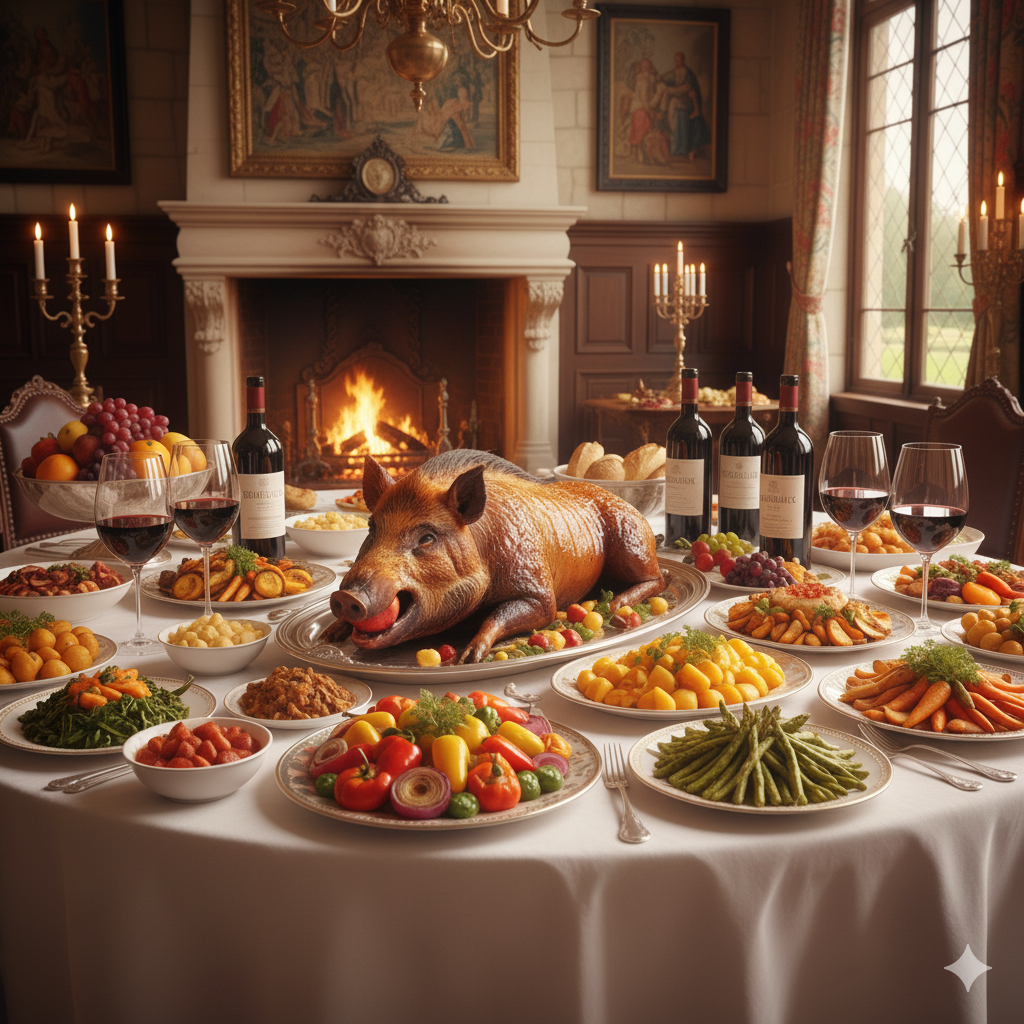
Pauillac produces powerful, age-worthy wines with pronounced Cabernet Sauvignon character. These wines demand robust preparations—think prime rib, venison, or wild boar. The appellation's classic cedar and pencil shavings notes complement game meats particularly well, while firm tannins require substantial protein.
Margaux offers more elegance and perfume than other Left Bank appellations. These refined wines pair beautifully with duck breast, particularly when served with fruit-based sauces that echo the wine's subtle sweetness. The silky tannins accommodate slightly more delicate preparations than neighboring Pauillac.
Pessac-Léognan produces both exceptional reds and whites. The red wines, with their tobacco and earthy notes, pair magnificently with mushroom-based dishes or truffles. The white wines rank among Bordeaux's finest, offering the structure to accompany lobster or other premium shellfish.
Pomerol wines, dominated by Merlot, feature opulent textures and plum fruit characteristics. These wines pair beautifully with dishes incorporating dried fruits, such as pork tenderloin with prune sauce or duck confit. The softer tannins make Pomerol approachable with a wider range of preparations, including richer fish dishes like salmon or tuna.
Saint-Émilion encompasses diverse terroir, from the limestone plateau to the gravelly côtes. Wines from the limestone plateau offer freshness and finesse, pairing well with poultry or veal. Côtes wines show more power and structure, approaching Left Bank style and requiring heartier preparations.
While traditional pairings offer time-tested success, exploring unconventional combinations reveals Bordeaux's remarkable versatility. These unexpected matches demonstrate how Bordeaux adapts to diverse culinary traditions.
The notion that red wine doesn't pair with Asian food has been thoroughly debunked by adventurous sommeliers and diners. Bordeaux wines, particularly those with softer tannins and good acidity, complement many Asian preparations beautifully.
A Right Bank Bordeaux with dominant Merlot pairs surprisingly well with Peking duck. The wine's fruit-forward character and subtle sweetness complement the duck's crispy, caramelized skin and hoisin sauce, while sufficient structure handles the rich meat. Similarly, aged Bordeaux with developed tertiary aromas finds harmony with soy-braised pork belly, where the wine's earthy, mushroom-like notes mirror the dish's umami complexity.
Japanese cuisine offers pairing opportunities often overlooked. A refined Margaux complements high-quality sushi, particularly fatty tuna or salmon, when the fish is prepared simply without overwhelming soy sauce. The wine's elegance doesn't compete with delicate fish flavors, while subtle tannins provide structure.
Contrary to popular belief, certain Bordeaux wines handle spicy food remarkably well. The key lies in selecting wines with lower alcohol, good fruit concentration, and moderate tannins—characteristics often found in younger Right Bank wines or entry-level Bordeaux.
Thai red curry with beef showcases this principle beautifully. A fruit-forward Bordeaux Supérieur with ripe berry flavors provides sweetness to counter spice, while moderate tannins complement the beef. The wine's structure prevents it from being overwhelmed by coconut milk's richness.
Mexican mole sauce, with its complex blend of chilies, chocolate, and spices, finds an unexpected partner in mature Bordeaux. Aged wines with developed secondary characteristics—leather, tobacco, dried fruit—complement mole's complexity, while residual tannins softened by age accommodate the sauce's texture.
As plant-based dining becomes increasingly sophisticated, Bordeaux proves adaptable to vegetarian preparations. The key lies in matching wine structure with dish weight and incorporating umami-rich ingredients that provide the savory depth typically found in meat.
Mushroom-based dishes represent natural partners for aged Bordeaux. A wild mushroom risotto with truffle oil pairs beautifully with mature Pomerol or Saint-Émilion, where the wine's earthy tertiary aromas complement the fungi's inherent earthiness. The risotto's creamy texture softens tannins, while Parmesan cheese provides protein to bind with tannin molecules.
Eggplant Parmesan offers another successful vegetarian pairing. The eggplant's meaty texture and slight bitterness complement Bordeaux's tannins, while tomato sauce's acidity mirrors the wine's structure. Melted mozzarella adds fat content that rounds out the wine's edges.
Bordeaux's aging potential represents one of its defining characteristics, and a wine's age dramatically influences pairing options. Understanding how Bordeaux evolves helps determine optimal food matches at different stages of development.
Young Bordeaux typically displays prominent tannins, vibrant fruit, and noticeable oak influence. These wines require preparations that can stand up to their intensity. Grilled meats with caramelized exteriors work excellently, as do dishes with bold seasonings that won't be overwhelmed by the wine's power.
Young wines also benefit from fatty accompaniments that soften aggressive tannins. A young Pauillac paired with a heavily marbled ribeye or short ribs creates balance, as the fat moderates tannin perception while the wine's acidity cuts through richness.
As Bordeaux enters its middle years, tannins begin softening while secondary characteristics emerge—leather, tobacco, cedar, and dried herbs. This evolution expands pairing possibilities considerably. The wines become more food-friendly, accommodating preparations with greater nuance.
Middle-aged Bordeaux pairs beautifully with braised preparations like coq au vin or beef bourguignon. The wine's developed characteristics complement the dish's complexity, while softened tannins harmonize with the tender, slow-cooked meat. Game birds like pheasant or guinea fowl also shine with middle-aged Bordeaux, as the wine's evolution mirrors the subtle gaminess in the poultry.
Fully mature Bordeaux displays tertiary characteristics—forest floor, truffle, dried fruits, and tobacco—while tannins have largely resolved. These delicate, complex wines require thoughtful pairing to avoid overwhelming their subtlety.
Simple preparations work best with mature Bordeaux. A perfectly roasted chicken with herbs allows the wine's complexity to shine without competition. The chicken's mild flavor provides a neutral canvas, while crispy skin and dark meat offer sufficient richness to support the wine's structure.
Mature Bordeaux also pairs magnificently with aged cheeses. A 20-year-old Saint-Émilion alongside aged Comté or well-matured Manchego creates a contemplative pairing where both elements display their evolution and complexity.
The changing seasons influence both ingredient availability and our palate preferences, making seasonal considerations essential for optimal Bordeaux pairing.
Warmer months call for lighter preparations and younger, more vibrant Bordeaux wines. Grilled lamb chops with mint pesto capture spring's essence while pairing beautifully with a young Saint-Émilion. The wine's fruit-forward character complements the lamb without overwhelming delicate mint flavors.
White Bordeaux truly shines during warm weather. A chilled Entre-Deux-Mers with grilled prawns and asparagus epitomizes summer dining, the wine's citrus notes and mineral backbone providing refreshment while complementing the season's produce.
Rosé de Bordeaux, though less celebrated than red or white wines, offers excellent warm-weather pairing options. These dry rosés pair beautifully with grilled vegetables, seafood salads, or light pasta dishes, providing versatility for casual summer entertaining.
Cooler months invite heartier preparations and more substantial Bordeaux wines. Autumn's game season provides ideal opportunities for aged Left Bank wines. Roasted pheasant or venison stew paired with a mature Pauillac captures the season's essence, the wine's developed characteristics harmonizing with the game's subtle wildness.
Winter demands rich, warming preparations. Braised short ribs or beef daube paired with a powerful Médoc creates the ultimate cold-weather combination. The wine's structure and depth match the dish's intensity, while slow cooking's tenderness complements softened tannins.
Truffles, available during winter months, represent Bordeaux's most luxurious pairing. Fresh black truffles shaved over pasta with butter and Parmesan alongside an aged Pessac-Léognan creates an unforgettable experience, the wine's earthy notes echoing the truffle's intoxicating aroma.
Creating a dinner party menu that showcases Bordeaux requires careful planning to ensure each course highlights the wine while maintaining culinary progression.
Begin with white Bordeaux alongside seafood-based starters. Smoked salmon with crème fraîche and capers provides sufficient richness for the wine's structure while the acidity cuts through the fish's fattiness. Alternatively, seared scallops with a light citrus beurre blanc showcases white Bordeaux's ability to handle both delicate seafood and butter-enriched sauces.
If serving red wine from the start, choose a lighter Right Bank Bordeaux with softer tannins. Pair it with charcuterie featuring pâté or terrines, where the wine's fruit-forward character complements cured meats without the tannins overwhelming your palate before the main course.
The main course should feature your finest Bordeaux alongside a preparation that showcases both elements. For an elegant dinner party, beef Wellington pairs magnificently with aged Left Bank Bordeaux. The puff pastry's butteriness softens tannins, mushroom duxelles complement earthy wine notes, and perfectly cooked beef provides the protein necessary to balance structure.
For a more casual gathering, lamb shanks braised in Bordeaux create a harmonious pairing. Using the same wine for cooking and serving ensures complementary flavors, while the braising process creates tender meat that pairs beautifully with the wine's structure.
A properly composed cheese course extends Bordeaux appreciation beyond the main course. Select cheeses that complement rather than compete with the wine. Aged hard cheeses like Comté or Gruyère pair beautifully with red Bordeaux, their nutty flavors and crystalline texture complementing the wine's complexity.
Include a semi-soft washed-rind cheese like Époisses for textural contrast, though serve it with younger, fruit-forward Bordeaux that can handle its pungent intensity. Avoid overly aggressive blue cheeses unless pairing with Sauternes, where the contrast creates magic.
Conclude with Sauternes alongside a dessert that complements its sweetness without overwhelming it. Fruit-based tarts featuring apricots, peaches, or pears echo the wine's stone fruit characteristics. Ensure the dessert is less sweet than the wine to prevent it tasting bitter by comparison.
Alternatively, serve Sauternes with a selection of blue cheeses and walnuts. The combination of sweet wine, pungent cheese, and crunchy nuts creates a complex finale that encourages lingering conversation—the ultimate goal of any dinner party.
Successfully pairing Bordeaux when dining out requires different strategies than home dining. Restaurant wine lists can be intimidating, but understanding a few principles ensures confident selection.
Most restaurants organize Bordeaux by appellation or bank (Left vs. Right). Higher-end establishments might further subdivide by commune or vintage. Use this organization to narrow choices based on your food selection. If ordering steak, focus on Left Bank appellations like Pauillac or Saint-Julien. For duck or richer fish preparations, explore Right Bank options.
Vintage matters significantly for Bordeaux. Exceptional vintages (2009, 2010, 2015, 2016, 2019, 2020) command premium prices but deliver remarkable quality. Lesser-known but solid vintages (2012, 2014, 2017) often provide better value while still offering excellent pairing opportunities.
Don't hesitate to engage with sommeliers—they represent your greatest resource for successful pairing. Describe your food selection and budget range, then ask for recommendations. Quality sommeliers consider your entire table's selections when suggesting wines, ensuring the bottle complements multiple dishes.
If you're interested in exploring unexpected pairings, communicate this to the sommelier. Many wine professionals appreciate diners willing to experiment and will suggest innovative combinations that surprise and delight.
Bordeaux's reputation creates pricing pressure on famous appellations. Seek value by exploring lesser-known appellations that offer quality without prestige pricing. Wines from Fronsac, Côtes de Bourg, or Castillon provide authentic Bordeaux character at accessible prices.
House Bordeaux or wines labeled simply "Bordeaux" or "Bordeaux Supérieur" often represent excellent value at casual restaurants. These wines may come from declassified production of prestigious estates or from quality-focused smaller producers, offering authentic regional character without intimidating prices.
Proper storage before serving impacts both wine quality and pairing success. Bordeaux's aging potential requires careful storage consideration for optimal development.
Store Bordeaux at consistent temperatures between 55-58°F (13-14°C) with humidity around 70%. Temperature fluctuations accelerate aging and can damage wine quality, affecting flavor profiles that determine pairing success. If you lack a proper wine cellar or cooler, store bottles in the coolest, darkest location available, away from vibration sources.
Position bottles horizontally to keep corks moist, preventing oxygen ingress that would oxidize the wine. Even wines you plan to drink soon benefit from proper positioning, as dried corks can impart off-flavors that interfere with food pairing.
Decanting serves two purposes: separating wine from sediment and allowing aeration to soften tannins and open aromas. Young Bordeaux benefits significantly from extended decanting—two to three hours for powerful Left Bank wines. This aeration softens aggressive tannins, making the wine more food-friendly and expanding pairing possibilities.
Older wines require gentler treatment. Decant mature Bordeaux just before serving to separate sediment without excessive air exposure that might fade delicate aromas. Stand the bottle upright for 24 hours before opening to allow sediment to settle, then decant slowly with a light source beneath the bottle's shoulder to spot sediment approaching the neck.
Structured tastings deepen understanding of Bordeaux pairing principles while providing enjoyable social experiences.
Organize tastings comparing Left and Right Bank wines with identical dishes to understand how different styles interact with food. Serve a Pauillac and Saint-Émilion alongside grilled lamb to experience how Cabernet Sauvignon's firm tannins differ from Merlot's softer approach with the same protein.
Alternatively, compare the same wine with different preparations. Pour a single Bordeaux alongside three different cheeses or preparations to demonstrate how food modification impacts wine perception. This exercise illuminates pairing flexibility and builds confidence for improvisation.
Vertical tastings featuring multiple vintages from the same producer demonstrate how age influences pairing appropriateness. Compare a five-year-old, ten-year-old, and twenty-year-old wine from the same estate, serving each with a different dish that complements its development stage. This exercise teaches how wine evolution should guide pairing decisions.
Blind tastings remove bias and sharpen analytical skills. Cover bottles and present wines alongside food, asking participants to identify which pairings work best and why. This exercise develops intuitive understanding of balance, weight, and complementary flavors beyond preconceived notions about prestigious appellations or vintages.
As dining evolves and climate change affects viticulture, Bordeaux pairing continues to develop in exciting directions.
Rising temperatures in Bordeaux produce riper fruit and higher alcohol levels, affecting traditional pairing paradigms. Modern Bordeaux may require adjustments to classic pairings, as riper fruit and fuller bodies demand heartier preparations than earlier vintages. Conversely, some wines show better balance earlier in their aging cycle, expanding pairing windows.
Producers increasingly explore heat-tolerant grape varieties and different vineyard management techniques. These adaptations may introduce new flavor profiles that inspire novel pairing approaches while maintaining Bordeaux's essential character.
Contemporary cuisine's global influences create opportunities for innovative Bordeaux pairings. Fusion cooking that incorporates Asian, Latin, or Middle Eastern flavors challenges traditional French pairing conventions. Bordeaux's versatility allows it to adapt to these cuisines when thoughtfully matched.
The rise of vegetarian and plant-based dining requires reimagining Bordeaux pairing beyond traditional protein-centric approaches. Chefs and sommeliers increasingly discover that Bordeaux's complexity complements sophisticated vegetable preparations, expanding the wine's relevance for contemporary diners.
Mastering Bordeaux wine pairing represents a journey rather than a destination. While foundational principles and classic combinations provide essential guidance, personal exploration and experimentation ultimately develop your palate and preferences. Trust your taste, remain open to unexpected combinations, and remember that the best pairing is one that brings you pleasure.
The sophisticated complexity of Bordeaux wines offers endless discovery opportunities. From time-honored matches like aged Pauillac with roasted beef to adventurous combinations with spicy Asian cuisine, these wines adapt to diverse culinary contexts while maintaining their distinctive character. Whether you're planning an intimate dinner for two or an elaborate multi-course dinner party, Bordeaux provides the perfect accompaniment when thoughtfully paired.
Reading about Bordeaux wine pairing creates knowledge, but nothing compares to experiencing these wines in their birthplace. Decanter Tours offers expertly curated wine tours throughout the Bordeaux region, providing immersive experiences that deepen your understanding and appreciation of these magnificent wines.
Our customized tours visit prestigious châteaux and hidden gem estates, offering exclusive tastings with winemakers who share their passion and expertise. Experience food and wine pairings in authentic settings, from Michelin-starred restaurants to casual bistros serving regional specialties. Our knowledgeable guides provide historical context, viticulture insights, and pairing wisdom that transforms how you experience Bordeaux.
Whether you're interested in exploring legendary Left Bank estates, discovering emerging Right Bank producers, or experiencing the sweet wines of Sauternes, Decanter Tours creates personalized itineraries matching your interests and experience level. Small group sizes ensure intimate experiences with ample opportunities for questions and discussion.
Visit decantertours.com to explore our Bordeaux wine tour options and begin planning your unforgettable wine journey. Let us handle the logistics while you focus on discovering the magic of Bordeaux wine and food pairing in the world's most celebrated wine region. Contact us today to craft your perfect Bordeaux experience.
Q: What's the single most important principle for pairing Bordeaux wine with food?
A: Match the wine's weight and intensity with the dish's richness and preparation method. A delicate poached fish requires lighter-bodied wine, while a grilled ribeye steak demands a full-bodied, structured Bordeaux. This weight-matching principle prevents either the wine or food from overwhelming the other, creating balanced, harmonious pairings.
Q: Can I pair red Bordeaux with fish?
A: Yes, particularly with richer, meatier fish preparations. Grilled tuna, seared salmon, or monkfish have sufficient substance to complement lighter red Bordeaux wines, especially those with softer tannins like Right Bank Merlot-dominant wines. Avoid pairing tannic young Bordeaux with delicate white fish, as the tannins will create metallic, bitter flavors. The fish should be prepared with methods that add richness—grilling, roasting, or saucing—rather than light poaching.
Q: Should I always pair Bordeaux with French cuisine?
A: Not at all! While Bordeaux naturally complements French preparations, these wines adapt beautifully to diverse cuisines. Asian, Mexican, Middle Eastern, and American dishes can pair wonderfully with Bordeaux when you consider the fundamental pairing principles of weight, tannin, acidity, and complementary flavors. Don't let culinary traditions limit your exploration—some of the most memorable pairings come from unexpected cultural combinations.
Q: How long should I decant Bordeaux before serving?
A: Decanting time depends on the wine's age and style. Young, tannic Bordeaux (under 10 years) benefits from 2-4 hours of decanting to soften tannins and open aromas. Middle-aged wines (10-20 years) need 30 minutes to 1 hour. Mature wines (20+ years) should be decanted shortly before serving—just long enough to separate from sediment—as excessive air exposure can fade delicate aged characteristics. When uncertain, decant conservatively and taste periodically to monitor evolution.
Q: What temperature should I serve Bordeaux wine?
A: Serve red Bordeaux at 60-65°F (16-18°C), which is cooler than most people's room temperature. This temperature showcases the wine's complexity without emphasizing alcohol. White Bordeaux should be served at 45-50°F (7-10°C), while sweet Sauternes performs best at 43-46°F (6-8°C). Many people serve red wine too warm and white wine too cold, muting flavors and aromatics. When in doubt, slightly cooler is better than too warm.
Q: Can Bordeaux pair with vegetarian or vegan dishes?
A: Yes! While Bordeaux traditionally pairs with meat, the wines work wonderfully with substantial vegetarian preparations. Mushroom-based dishes, eggplant preparations, lentil stews, and roasted root vegetables provide sufficient weight and umami complexity to complement Bordeaux's structure. The key is choosing dishes with enough substance and savory depth to balance the wine. Lighter salads or simple steamed vegetables won't provide adequate structure, but hearty vegetarian preparations can create outstanding pairings.
Q: What's the difference between pairing with Left Bank versus Right Bank Bordeaux?
A: Left Bank wines, dominated by Cabernet Sauvignon, feature firm tannins, higher acidity, and structured profiles that pair best with fatty, protein-rich preparations like beef, lamb, and aged cheeses. Right Bank wines, predominantly Merlot, offer softer tannins, rounder textures, and plummy fruit that complement duck, pork, richer fish, and dishes with fruit-based sauces. Right Bank wines generally show more immediate food-friendliness, while Left Bank wines often require heartier preparations to balance their structure.
Q: How do I pair Bordeaux with spicy food?
A: Choose Bordeaux with moderate alcohol, ripe fruit, and softer tannins—typically younger Right Bank wines or Bordeaux Supérieur. High alcohol exacerbates spicy heat, while aggressive tannins clash with capsaicin. Look for fruit-forward wines that provide sweetness to counter spice. Alternatively, select aged Bordeaux where mellowed tannins and developed earthy characteristics complement complex spice blends like those found in mole or Thai curries. Avoid pairing your most tannic, high-alcohol Bordeaux with intensely spicy dishes.
Q: What cheese should I pair with Bordeaux?
A: Hard aged cheeses like Comté, aged Gouda, Manchego, and Parmigiano-Reggiano pair beautifully with red Bordeaux, their nutty flavors and crystalline texture complementing the wine's complexity without overwhelming it. Semi-soft washed-rind cheeses work with younger, fruit-forward wines. Save pungent blue cheeses for Sauternes, where sweet wine and salty cheese create magical contrast. Avoid fresh, mild cheeses like mozzarella or chèvre with red Bordeaux—they lack the flavor intensity to complement the wine's structure.
Q: Is it okay to cook with Bordeaux wine?
A: Absolutely, though save your finest bottles for drinking. Use decent quality Bordeaux for cooking—if you wouldn't drink it, don't cook with it, as flaws concentrate during cooking. Bordeaux adds depth to braises, stews, and reduction sauces. The wine you cook with doesn't need to be the same wine you serve, though using the same wine creates harmonious flavor connections. A simple Bordeaux or Bordeaux Supérieur works excellently for cooking while reserving better bottles for the table.
Q: Can I pair sweet Sauternes with savory dishes?
A: Yes! Sauternes pairs magnificently with foie gras, creating one of gastronomy's most celebrated combinations. The wine's sweetness contrasts with the liver's richness while acidity cuts through fat. Sauternes also complements strong blue cheeses like Roquefort, where sweet and salty contrast creates complex flavors. Rich pâtés, duck preparations with fruit sauces, and even some Asian dishes with sweet-savory profiles work beautifully. The key is ensuring the dish has sufficient richness and flavor intensity to balance the wine's sweetness and concentration.
Q: What if I don't like the pairing—does that mean I'm wrong?
A: Absolutely not! Personal preference always matters most in wine pairing. While principles and guidelines provide helpful frameworks, individual taste varies significantly based on sensitivity to tannins, acidity, sweetness, and personal flavor preferences. What tastes harmonious to one person might seem unbalanced to another. Use pairing guidelines as starting points for exploration, but trust your own palate. The "best" pairing is the one you enjoy most, regardless of conventional wisdom.
Q: Should vintage matter when choosing Bordeaux for food pairing?
A: Vintage affects wine style, which influences pairing appropriateness. Cooler vintages produce wines with higher acidity and firmer tannins, requiring heartier preparations with more fat content. Warmer vintages yield riper, rounder wines with softer tannins that accommodate broader pairing possibilities. Exceptional vintages (2009, 2010, 2016, 2019, 2020) produce concentrated, age-worthy wines that benefit from substantial preparations. Lesser vintages often create more food-friendly wines for earlier drinking. Consider vintage style rather than just reputation when selecting wines for specific dishes.

Experience the finest private wine tours in Bordeaux and beyond. With over 20 years of expertise, we craft tailor-made wine journeys to iconic regions like Médoc, Saint-Émilion, Burgundy, and Champagne. Explore exclusive chateaux with expert guides and seamless planning for a truly unforgettable experience.