Bordeaux's Left and Right Banks aren't just geographical designations—they represent two philosophies of winemaking, two distinct terroirs, and two very different expressions of what great wine can be as well as a cultural divide between the inhabitants. Separated by the Gironde Estuary, these regions have developed their own identities over centuries, each producing wines that have shaped global perceptions of what Bordeaux should taste like. Traditionally the left bank inhabitants would not set foot on the right banks and vice versa. Today that has changed and many owners have properties on both banks.
For travelers and wine lovers planning a visit to this legendary region, understanding these distinctions transforms a casual tour into a meaningful exploration of wine culture. Whether you're seeking austere, age-worthy investments or voluptuous, pleasure-driven bottles for immediate consumption, Bordeaux has something extraordinary to offer.
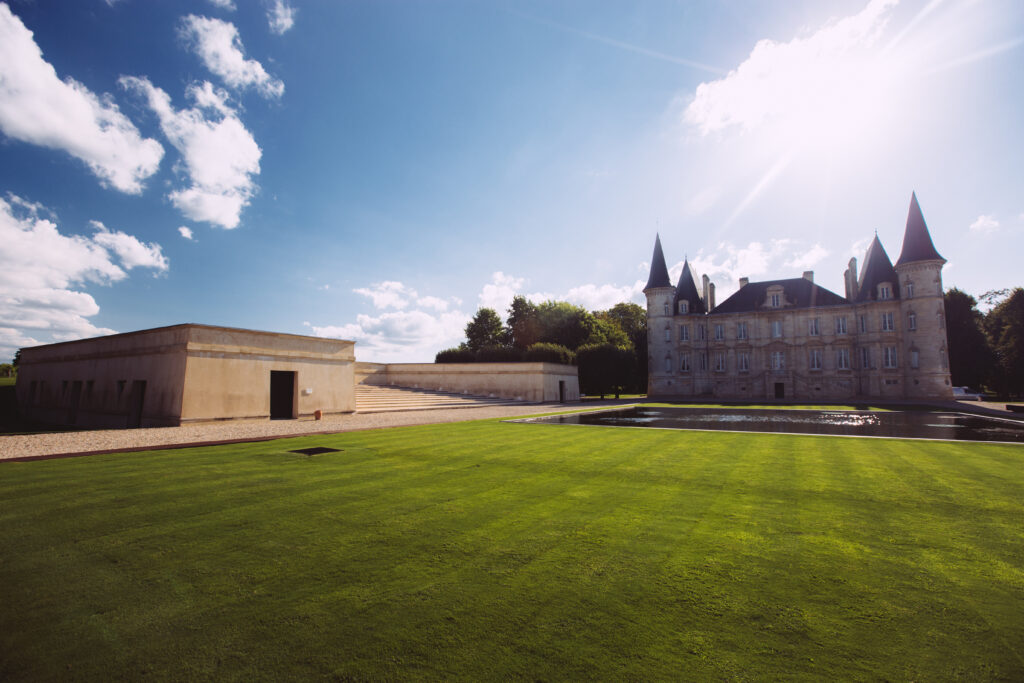
Terroir of the Medoc
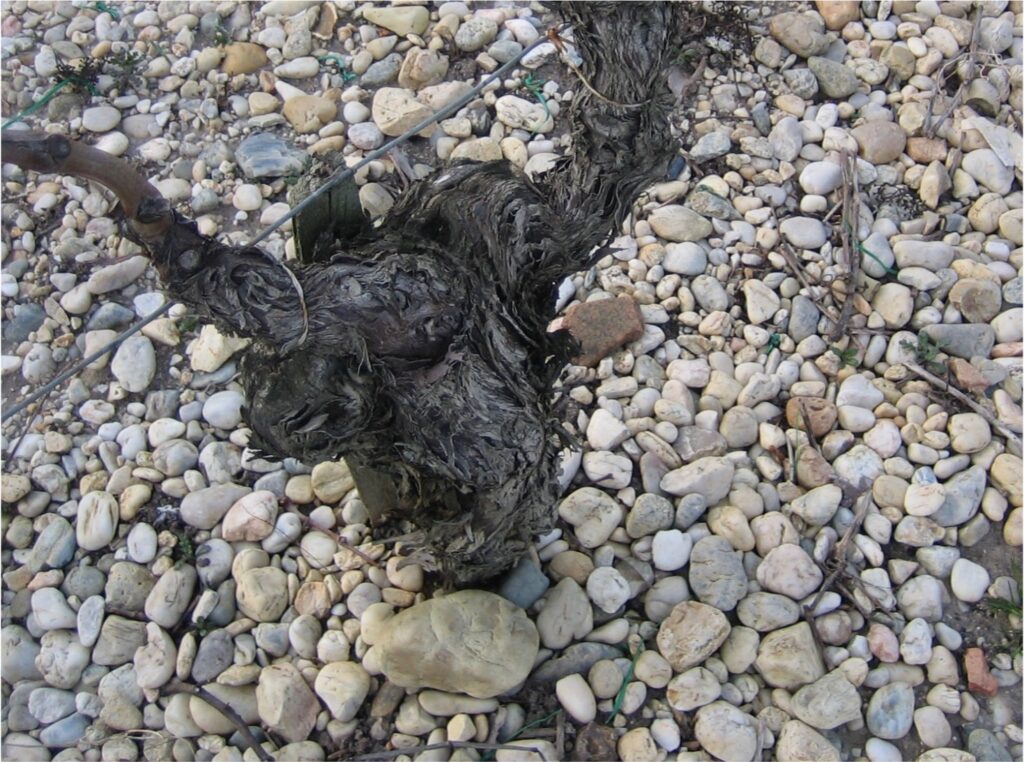
The Left Bank encompasses the prestigious regions of the Médoc, Graves. Geologically, this area is characterized by gravel-topped plateaus interspersed with clay and sand. These gravels, deposited by ancient rivers, warm quickly during the day and retain heat through the night, creating an ideal microclimate for ripening Cabernet Sauvignon. Since we tend tohave cool nights here this help retain the acidity in the grapes creating freshness. The excellent drainage provided by these gravelly soils prevents waterlogging during Bordeaux's rainy winters and springs, concentrating the vine's energy into producing smaller, more intensely flavored berries.
The most prestigious communes—Pauillac, Margaux, Saint-Julien, and Saint-Estèphe—all sit on similar gravel-based plateaus, though subtle variations in soil composition create distinct stylistic differences between them. Such is the importance of the terroir here, the chateau owners in this area will tell you how old their gravel is and where it comes from.
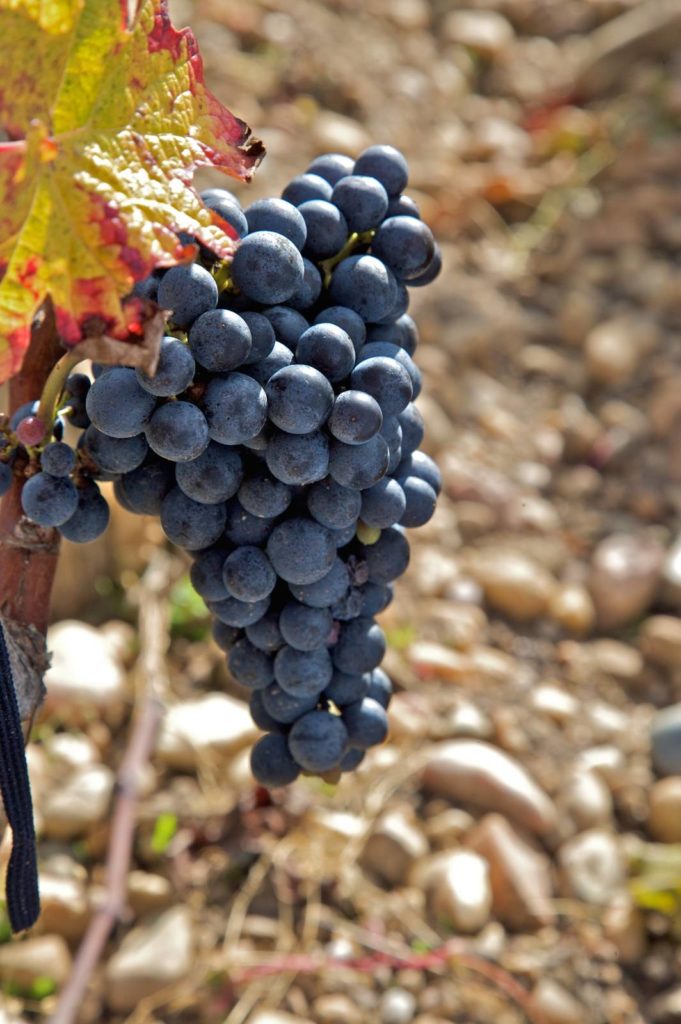
Cabernet Sauvignon reigns supreme on the Left Bank, typically comprising 60-85% of the blend, with Merlot, Cabernet Franc, and Petit Verdot playing supporting roles. This grape variety, with its thick skin and inherent tannins, thrives in Bordeaux's cooler microclimate. When fully ripe, Cabernet Sauvignon produces wines of remarkable structure, complexity, and age-worthiness.
Left Bank Bordeaux are characterized by their power and architectural precision. You'll encounter bold cassis and blackcurrant flavors, often mingled with hints of cedar, graphite, and violets. The wines are typically medium to full-bodied with firm, gripping tannins that can feel almost austere in their youth. This is wine that demands attention, that requires food pairings, and that often improves dramatically over 10, 20, or even 30 years in the bottle.
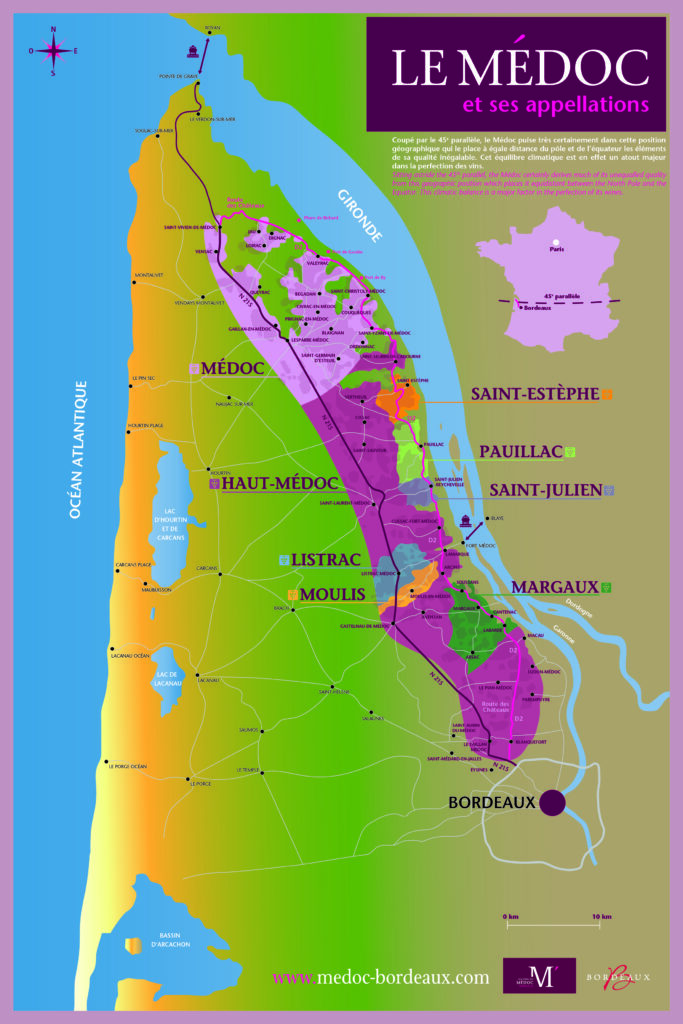
The Left Bank is home to many of Bordeaux's most celebrated châteaux, including first growths like Lafite Rothschild, Latour, and Mouton Rothschild. The 1855 Classification that established Bordeaux's hierarchy was based primarily on Left Bank estates, reflecting their historical prominence and the consistent quality they've delivered.
Investment in Left Bank Bordeaux is a serious pursuit. These wines command premium prices because they possess the structure and complexity to become increasingly valuable—both in terms of drinking pleasure and monetary investment—as they age. A 1982 Château Latour or 1996 Château Pichon-Longueville is likely worth substantially more today than when it was released.
All this being said the Medoc and Graves regions are full of smaller family owned wineries. The other classifications of the Medoc, the Crus Bourgeois and the Crus Artisans attest to this.
Visiting Left Bank estates often feels like stepping into aristocratic history. The châteaux are frequently grand, the estates expansive, and the approach to winemaking deeply traditional. Some of these properties have been in the same families for generations, and this continuity is reflected in their wines. However in recent years, substantial investment by large insurance and luxury goods companies have overtaken the Medoc. A visit to Pauillac or Margaux combines world-class wine tasting with cultural immersion in how old-world wine excellence is maintained.
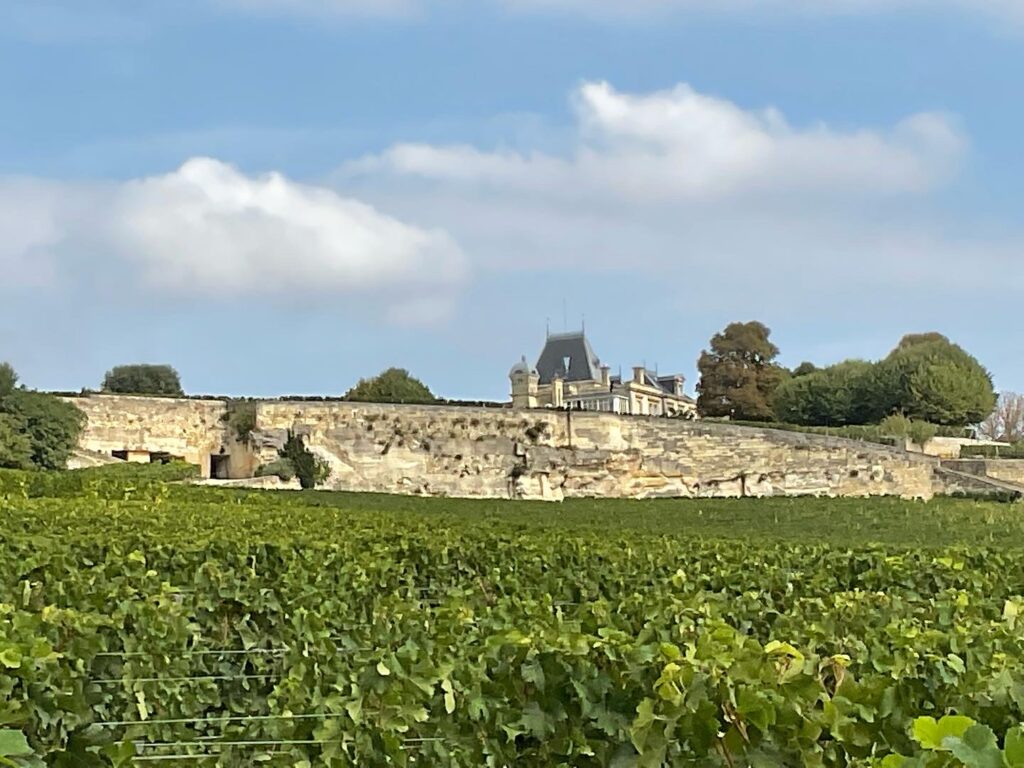
Right Bank Terroir
The Right Bank's most celebrated areas—Pomerol and Saint-Émilion—sit on the right side of the Gironde Estuary. Unlike the Left Bank's gravel plateaus, Right Bank terroir is characterized by clay, limestone, and iron-rich soils. Pomerol, in particular, is known for its clay-rich soils with deposits of iron oxide that give the region its distinctive character. Saint-Émilion features a more varied geology, with limestone plateau areas (the "Côtes") and clay-limestone slopes, creating a diversity of microclimates and wine styles.
These soils retain more moisture than Left Bank gravels, which actually benefits Merlot, the dominant variety here. Merlot prefers slightly cooler, damper conditions than Cabernet Sauvignon, and the Right Bank's terroir is ideally suited to this grape's requirements.
Merlot takes center stage on the Right Bank, typically representing 50-90% of the blend, with Cabernet Franc, Cabernet Sauvignon, and occasionally Malbec providing structure and complexity. Merlot's naturally softer tannins and plush texture create wines that are approachable in their youth while still capable of serious aging.
Right Bank Bordeaux tend to be richer and more voluptuous than their Left Bank counterparts. You'll find intense red and dark fruit flavors—plum, cherry, damson—complemented by earthy undertones, leather, and often a touch of chocolate or licorice. The wines are typically medium to full-bodied with velvety textures and riper, rounder tannins that integrate more quickly into the wine.
Where Left Bank wines often feel like a complex symphony requiring several years to fully reveal themselves, Right Bank wines frequently offer immediate pleasure. A well-made Right Bank Bordeaux from a recent vintage can be absolutely delicious to drink within 3-5 years of release, though the finest examples continue to evolve beautifully for decades.
While the Right Bank has prestigious names like Château Pétrus and Le Pin commanding astronomical prices, there's a wider range of quality levels and price points across the region. This accessibility is part of the Right Bank's appeal. You can find excellent, age-worthy wines at significantly lower price points than comparable Left Bank offerings, making this region ideal for collectors building their cellars and enthusiasts seeking quality without stratospheric costs.
Saint-Émilion's classification has been a moveable feast unlike the never changing 1855 classification of the Médoc and Graves. The Saint-Émilion classification, a system revised approximately every ten years, caused significant controversy due to the departure of several major châteaux and changes to the classification criteria.
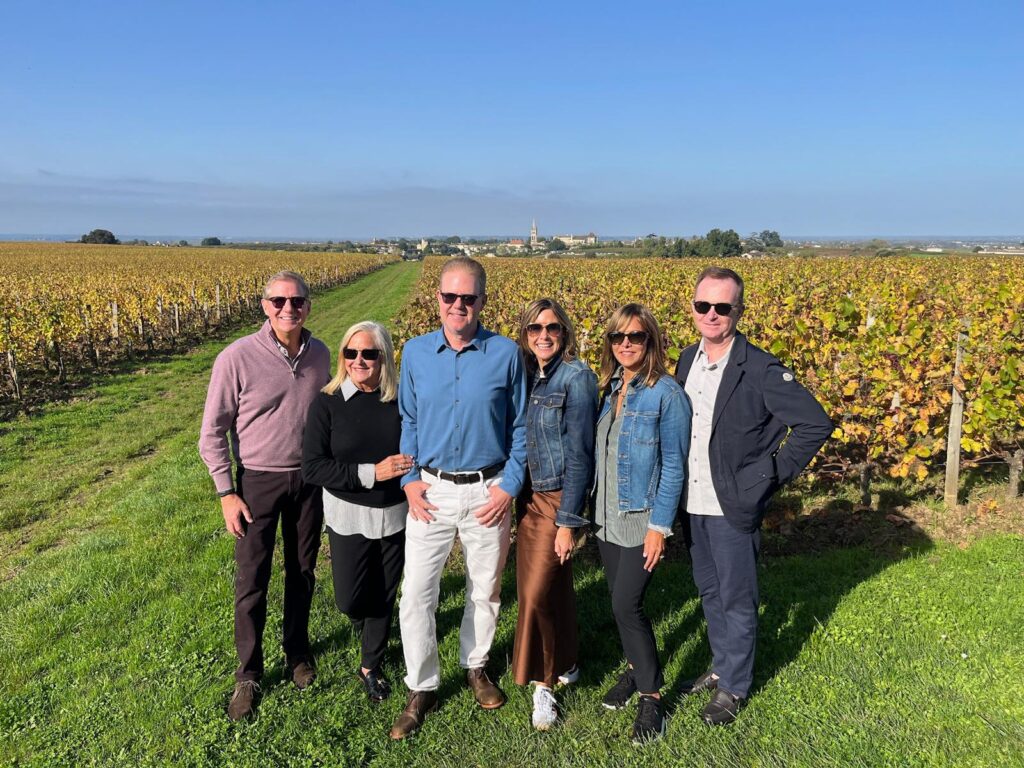
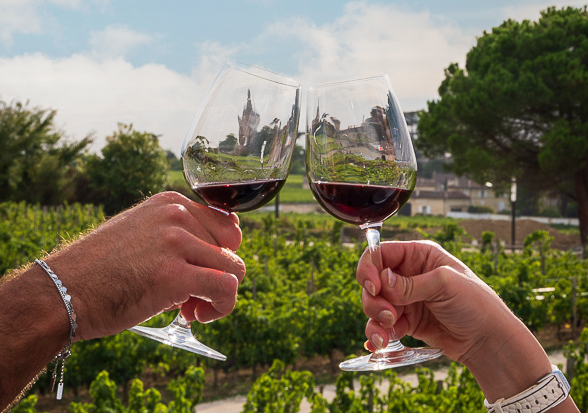
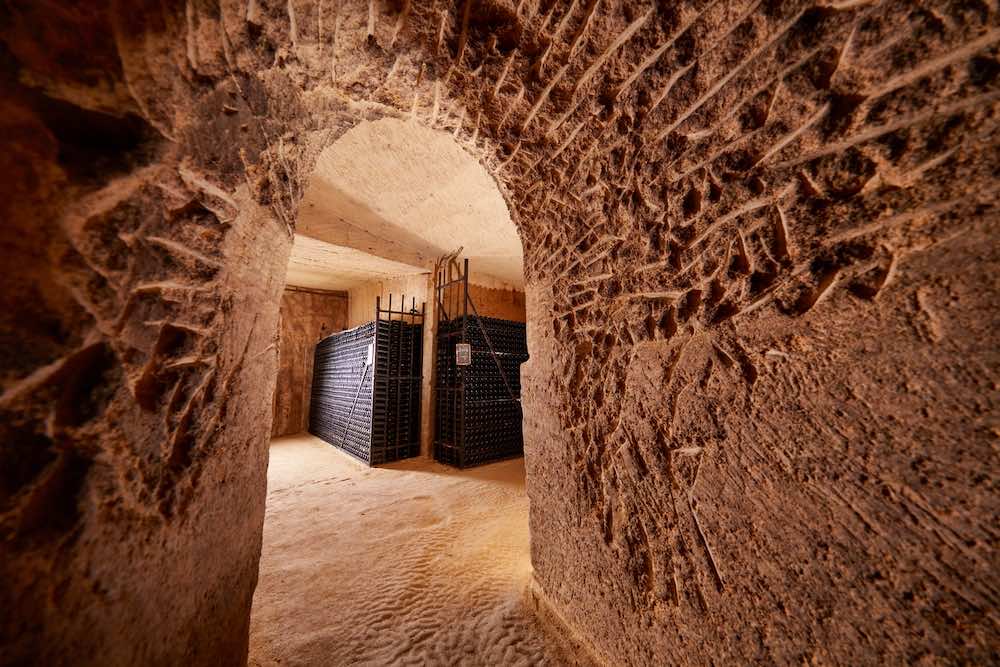
Right Bank estates often feel more intimate and artisanal than their Left Bank counterparts, though this is a generalization with many exceptions. Many Pomerol properties are family-run, very small, and deeply focused on crafting their particular expression of Merlot. Saint-Émilion, with its picturesque UNESCO World Heritage site and medieval town perched above the vineyards, offers a more tourist-friendly experience with charming streets, excellent restaurants, and a palpable sense of wine culture woven into daily life.
Visiting the Right Bank feels less like museum touring and more like discovering culinary artistry in progress. The châteaux are often charming rather than monumental, and proprietors frequently engage visitors in genuine conversation about their wines and approach to winemaking.
| Aspect | Left Bank | Right Bank |
|---|---|---|
| Primary Grape | Cabernet Sauvignon | Merlot |
| Terroir | Gravel plateaus, excellent drainage | Clay, limestone, iron oxide, higher moisture |
| Style | Structured, austere, architectural | Voluptuous, velvety, immediately accessible |
| Tannins | Firm, gripping, slow to integrate | Soft, round, quick to integrate |
| Primary Flavors | Cassis, cedar, violets, graphite | Plum, cherry, chocolate, leather |
| Aging Potential | 15-50+ years common | 10-30 years typical |
| Price Range | Wide, with many $200+ bottles | Wider accessibility, more sub-$50 options |
| Drinking Window | Often 5-10+ years before optimal | Often 3-5+ years for enjoyment |
| Châteaux Character | Grand, aristocratic, traditional | Intimate, artisanal, familial |
The answer depends entirely on your preferences, occasion, and cellar strategy.
Choose the Left Bank if you love powerful wines with complexity that evolves over time, if you enjoy the intellectual engagement of matching food with structured wines, or if you're building a collection of age-worthy investments. Left Bank Bordeaux reward patience and contemplation. A 20-year-old Left Bank bottle tastes profoundly different—and often better—than its young counterpart. These wines appeal to those who view wine as a journey rather than a destination.
Choose the Right Bank if you value immediate pleasure, if you prefer wines that shine without extensive aging, or if you want excellent quality at more accessible price points. Right Bank wines are perfect for dinner parties where you want sophistication without pretense, for discovering new producers without massive financial commitment, or for building a drinking collection as well as an investment portfolio. These wines celebrate the joy of wine in the present moment.
Of course, the ideal approach is to explore both. Most serious wine enthusiasts maintain a collection that spans both banks, enjoying the Left Bank's structured complexity on contemplative evenings and reaching for the Right Bank's plush voluptuousness when the mood calls for immediate gratification.
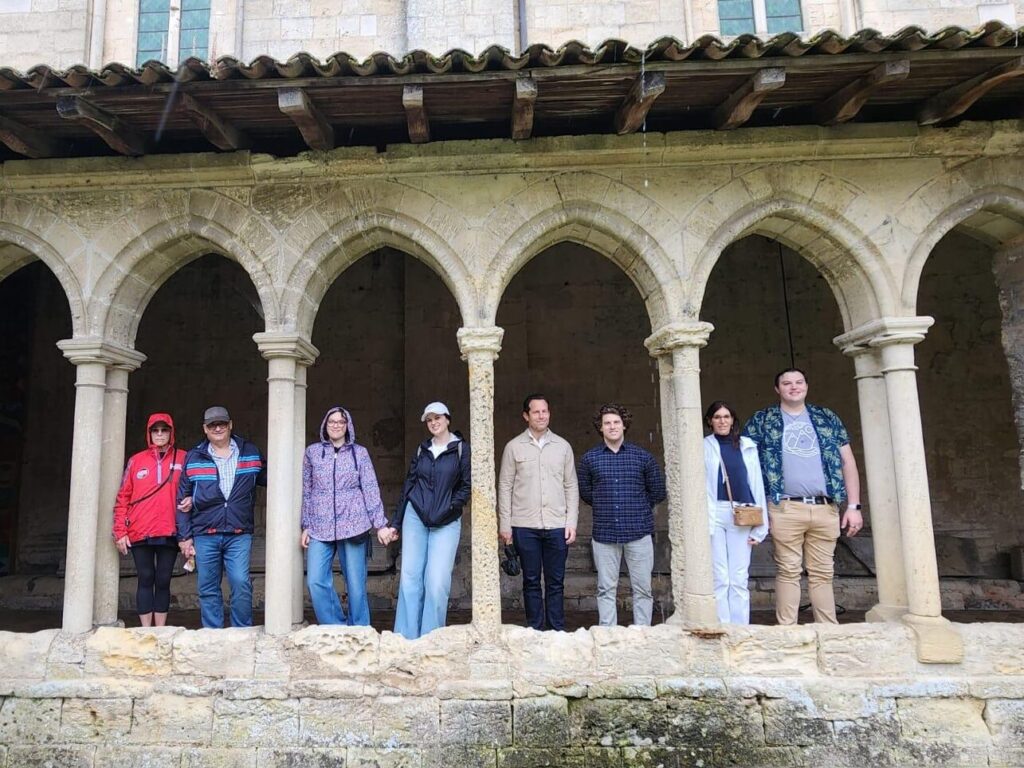
Visit Saint Emilion and the Medoc
Understanding Bordeaux's Left and Right Bank distinction teaches a fundamental lesson about wine: terroir—the complete natural environment affecting a wine's character—genuinely matters. The same grape varieties planted on different soils, with different drainage patterns and microclimates, produce distinctly different results. Just look at Merlot's reputation in N. America. The wines made of Merlot there taste nothing like a Merlot based Bordeaux.
Both banks also represent a commitment to tradition. Bordeaux's winemaking practices, classifications, and reputation have developed over hundreds of years. While innovation continues, it's always in conversation with tradition rather than in rejection of it. This balance between honoring the past and embracing the future is part of what makes Bordeaux exceptional.
For travelers, this means a visit to either bank is an education in wine history, terroir, and human dedication to craft. Whether you're walking through grand châteaux or intimate family properties, you're witnessing centuries of accumulated knowledge about how to coax extraordinary wine from the earth.
Bordeaux's Left and Right Banks represent two distinct but equally magnificent expressions of winemaking excellence. The Left Bank's structured, age-worthy Cabernet-based wines and the Right Bank's elegant, accessible Merlot-based offerings both deserve a place in your wine journey. Neither is objectively superior; they're simply different, each with its own beauty and purpose.
The most rewarding approach to Bordeaux is curiosity. Taste widely across both banks. Notice how the same vintage expresses itself differently across terroirs. Discover which styles resonate with your palate. Build your collection in both directions. And, crucially, plan a visit to experience these regions in person, where you can taste the terroir in its native context and understand why these wines have captivated the world for centuries.
On a more practical note, each bank takes at least one if not two days to visit. Have a look at the sample tours for each or contact us for a full 3 - 5 day tour of all the Bordeaux vineyards.
The Medoc in a day
Saint Emilion in a day and
the Graves in a day.
Q: Can I cellar Right Bank wines as long as Left Bank wines?
A: Many Right Bank wines, particularly from top producers in Pomerol and Saint-Émilion, age beautifully for 20-30 years or more. However, they typically reach their drinking plateau sooner than Left Bank wines. A 15-year-old Right Bank Bordeaux might be at its absolute peak, while a 15-year-old Left Bank wine could still be developing. Always check specific producer recommendations for cellaring guidance.
Q: Which bank offers better value?
A: The Right Bank generally offers better value for quality-conscious drinkers. You can find excellent, sophisticated Right Bank wines at price points where you'd find entry-level Left Bank offerings. However, "value" depends on your goals—if you're investing, Left Bank's prestige may justify premium prices.
Q: Is Left Bank wine more prestigious?
A: Historically and commercially, yes—the 1855 Classification solidified Left Bank prestige. However, top Right Bank producers like Pétrus command prices rivaling first growths. Prestige and quality are linked but not identical. The best wine is the one that brings you pleasure.
Q: Can I drink Left Bank Bordeaux young?
A: Absolutely. Its all a question of taste. While Left Bank wines improve with age, quality examples are often quite enjoyable at 5-7 years old. They're simply less evolved than they'll be at 15 or 25 years. Younger Left Bank wines showcase fresh, vibrant fruit characteristics that appeal to many drinkers.
Q: What's the best way to taste both banks side-by-side?
A: A comparative tasting of similar vintages and price points from both banks is revelatory. Try a 2015 Left Bank wine (say, a Pauillac from a mid-level producer) against a 2015 Right Bank wine (perhaps a Saint-Émilion from a well-regarded château) at similar prices. The differences in structure, flavor, and texture become immediately apparent.
Q: Do I need to visit the châteaux to appreciate these wines?
A: Not at all—excellent Bordeaux is available worldwide, and you can develop sophisticated understanding through tasting at home. However, visiting adds an irreplaceable sensory dimension. Tasting a wine in its native context—seeing the soils, meeting the winemakers, understanding the terroir visually—deepens appreciation immeasurably.
Q: Which bank should I visit first?
A: This depends on your interests. If you prefer grand historic estates and structured wine education, start with the Left Bank (Pauillac or Saint-Julien). If you prefer intimate settings and immediate wine enjoyment, begin with the Right Bank (Pomerol or Saint-Émilion town). Most of our visitors do both. In terms of logistics, using central Bordeaux as a starting point they both take just under an hour to reach by car. Since the Medoc is a long peninsula, getting back at the end of the day, should you venture up to Saint Estephe in the northern part of the area can take up to 2 hours.
Now that you understand the fundamental differences between Bordeaux's Left and Right Banks, it's time to experience them for yourself. There's simply no substitute for tasting these wines in their native habitat, meeting the passionate winemakers behind the bottles, and understanding how terroir shapes every sip.
Book your wine tour with Decanter Tours today. We offer expertly curated experiences that showcase the best of both banks:
Our knowledgeable guides provide insider access to premier châteaux, facilitate tastings with winemakers and cellar masters, and ensure every moment of your journey deepens your wine knowledge and enjoyment. Whether you're a seasoned collector, an enthusiastic amateur, or simply curious about wine, our tours transform Bordeaux from a distant legend into a lived experience.
Don't just read about great wine—taste it, live it, and remember it forever.
[Reserve Your Bordeaux Wine Tour Now]
Contact us today to customize your perfect Bordeaux experience. Your adventure awaits.
Bordeaux wines enjoy a global reputation for excellence, consistently ranking among the world's most sought-after and celebrated vintages. This esteemed status is a testament to a unique confluence of factors: exceptional terroir, a rich historical legacy, and an unwavering commitment to quality. From the iconic Cabernet Sauvignon blends of Médoc to the elegant Merlots of Saint-Émilion, Bordeaux wines captivate connoisseurs worldwide with their complex aromas, refined tannins, and remarkable aging potential. Renowned wine critics, including Jane Anson, who herself resides in Bordeaux, James Suckling, Jancis Robinson and Neal Martin, dedicate significant time and energy to evaluating these wines, consistently placing them at the pinnacle of their respective categories. In this article, we delve deeper into the secrets behind Bordeaux's dominance, drawing upon insights from these esteemed critics while sharing personal anecdotes and expert guidance from the Decanter Tours team.
Bordeaux wines are renowned for their distinctive flavor profiles, characterized by a captivating interplay of dark fruit notes, complex tannins, and a well-balanced structure. Cabernet Sauvignon, a dominant grape variety, imparts flavors of blackcurrant, cassis, and sometimes even a touch of graphite. Merlot contributes notes of strawberry, raspberry or even plum or cherry. These fruit flavors are often interwoven with nuances of cedar, tobacco, and leather, which develop as the wines age. Tannins, a key characteristic of Bordeaux, provide structure and a firm grip on the palate, evolving over time into a more refined and velvety texture. The interplay of acidity and tannin creates a sense of balance and tension, allowing the wine to age gracefully for decades. As Bordeaux wines mature, they develop greater complexity, with the fruit flavors evolving into more subtle nuances such as mushroom and even truffle or forest floor and earthy notes. The tannins soften over time, resulting in a harmonious and unforgettable drinking experience.
Alcohol also plays a significant role in the flavor profile. Bordeaux wines typically fall within the 12-14% alcohol by volume (ABV) range, while some Californian wines can reach upwards of 16%. This difference in alcohol content significantly impacts the flavor profile.
Higher alcohol levels in wine can:
In contrast, the generally lower alcohol levels we often find in Bordeaux wines tend to:
One of my most unforgettable moments of my wine tasting experiences in Bordeaux occurred during a dinner at a friend's classified growth château in Saint-Émilion. Nestled on the prime limestone plateau, this classified growth estate held a bottle of extraordinary significance.
Our host, with a twinkle in his eye, revealed that this 1943 vintage was a testament to the resilience of the human spirit, crafted by women while the men were away at war. As he carefully uncorked the bottle, I could almost feel the weight of history. The wine, although it had significantly diminished by ullage, (natural evaporation in the bottle), offered a captivating aroma of earth and spice, a far cry from the vibrant fruit notes of its youth. The alcohol level was also significantly reduced. Sadly but not surprisingly, the wine succumbed to maderization within minutes, a poignant reminder of its fragile nature. Yet, this fleeting encounter with a wartime vintage, a living organism that had weathered the storms of history, profoundly impacted me, proving that every bottle of wine carries a unique story and reflects the era in which it was born.
Not all of Bordeaux wines are made to stand the test of time however. Wines which favor Merlot tend to be drunk younger and Cabernet Sauvignon driven wines are more likely to age 50 years or more.
The most frequent question we get is about terroir. What exactly is terroir and why is it so important for Bordeaux wines? Terroir is a French term that encompasses all the environmental factors that influence the taste and character of a wine. This includes climate, soil, topography, and even the surrounding ecosystem. Some even add to that the human factor of pruning techniques and how the vintner treats the vines.
Bordeaux's Terroir:
Bordeaux's diverse terroir, encompassing climate, soil, and topography, plays a crucial role in shaping the unique character of its wines. The interplay of these factors results in a wide range of styles, from the powerful Cabernet Sauvignon-dominated wines of the Left Bank to the more approachable Merlot-based wines of the Right Bank. But never forget the vast majority of our wines in Bordeaux are blends.
Bordeaux: A Legacy of Winemaking Excellence
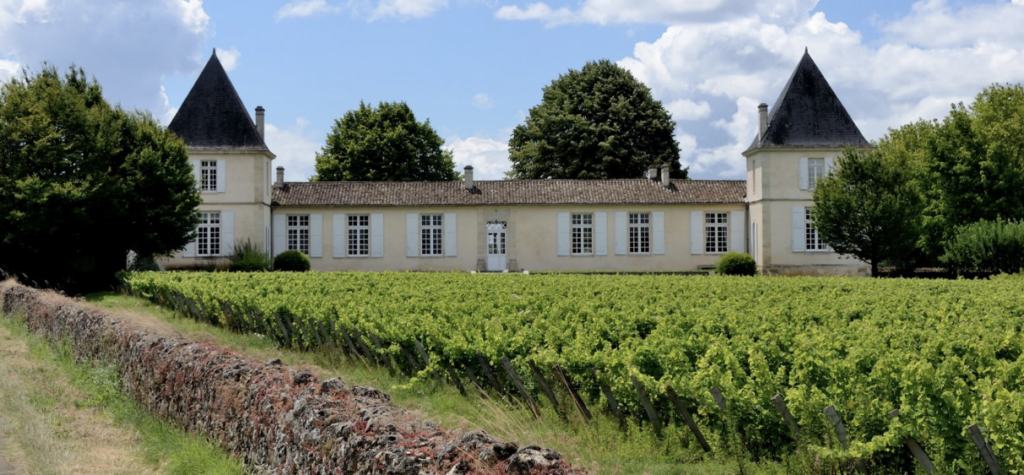
Bordeaux boasts a rich winemaking history dating back to Roman times. While early cultivation was limited largely to local consumption, the marriage of Eleanor of Aquitaine to Henry Plantagenet in the 12th century catapulted Bordeaux wines onto the world stage. For centuries, Bordeaux dominated English wine consumption, solidifying its reputation as a global powerhouse.
The region's fortunes have seen ups and downs, from the devastating impact of the Hundred Years' War in the 14th & 15th centuries, to the phylloxera epidemic in the 19th century. However, Bordeaux has consistently demonstrated resilience and innovation. The establishment of the 1855 Classification of Grands Crus in 1855 marked a significant milestone, solidifying the region's hierarchy and guiding collectors and connoisseurs. Bordeaux was the first to create a hierarchy for wines.
Modern Bordeaux winemaking is a testament to centuries of expertise and meticulous craftsmanship. From the careful selection of grapes and meticulous vineyard management to state-of-the-art winemaking techniques, every step of the process is meticulously considered. And Bordeaux is a center for research and development in the sector.
While the 20th century brought its share of challenges, including economic downturns and evolving consumer tastes, Bordeaux has continually adapted. The rise of influential wine critics and the emergence of "second wines" have further refined the region's offerings. Today, Bordeaux remains a global benchmark for quality and continues to captivate wine lovers worldwide with its diverse range of styles and its enduring legacy.
A prime example of unwavering commitment to excellence can be seen in Château d'Yquem, the renowned Sauternes producer owned by LVMH. Such is their dedication to producing wines of exceptional quality that in years when the grapes do not meet their exacting standards, no sweet wine is produced at all.
Experimentation is rife within the Bordeaux vat houses in the quest for making high quality wines. Les Carmes Haut Brion's wine maker frequently conducts wine making trials. For example recently we caught him using an inflated donut filled with air which pushes the cap (the grape skins) back down into the wine during fermentation, for a softer, subtler infusion of the aromas, tanins and flavors in the wine.
Bordeaux, the legendary wine region, is known for its tradition. But don't let that fool you! Many chateaux are embracing innovation, experimenting with alternative vessels like amphorae and wine globes.
Amphorae: These ancient clay pots are making a comeback in Bordeaux. Their porous nature allows for gentle oxygenation, adding intriguing earthy notes to the wine. Some chateaux are even using amphorae for partial aging or the alcoholic fermentation, combining tradition with a touch of the unexpected.
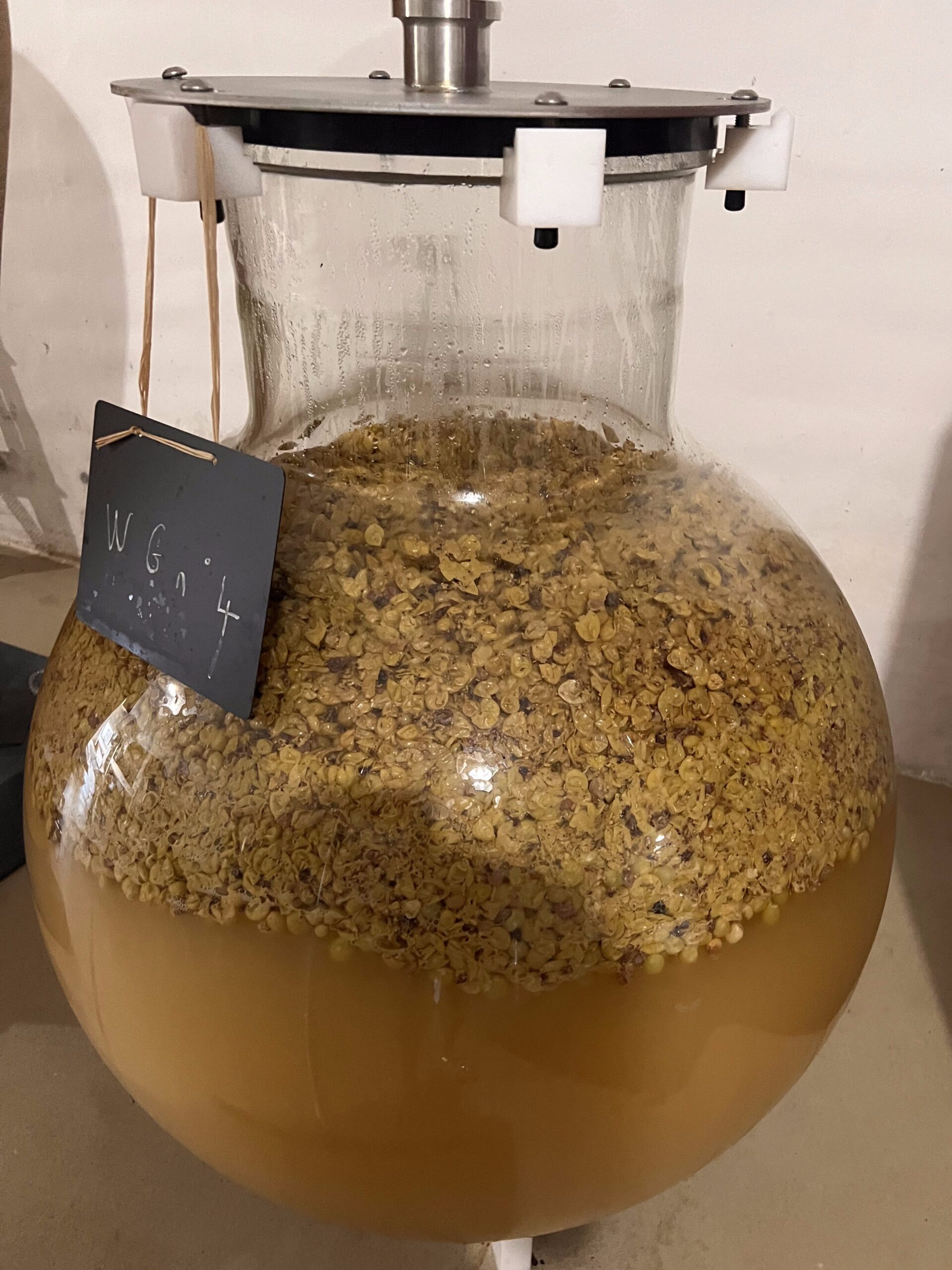
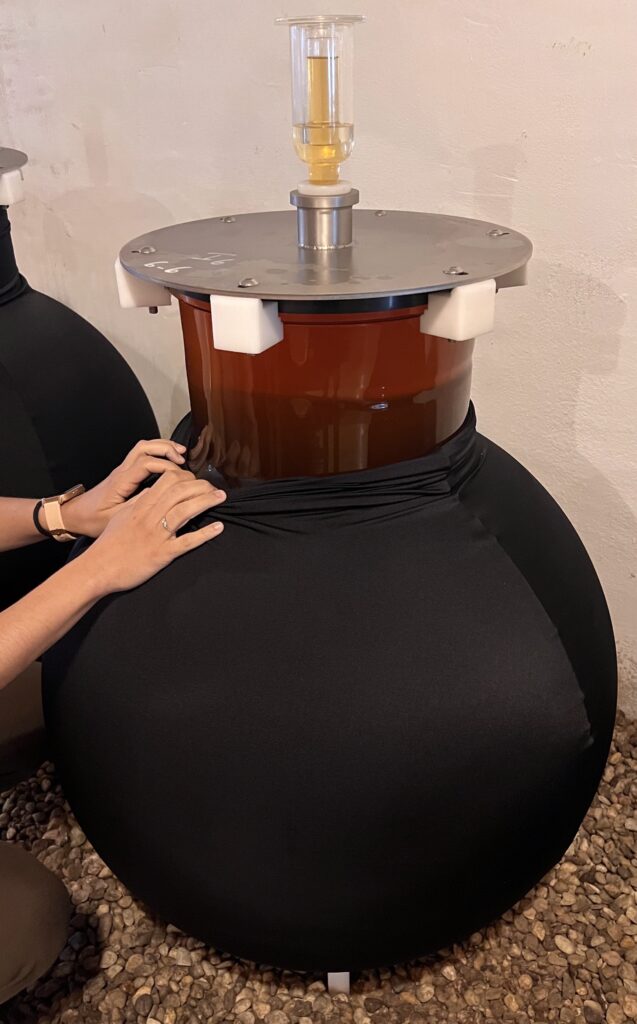
Wine Globes:
These spherical glass vessels offer a pure expression of the grapes and terroir. Free from the influence of oak, wines aged in globes can showcase the unique fresh and fruity character of Bordeaux's diverse terroirs. Chateau Climens in Sauternes is one good example.
A Bordeaux Renaissance:
These experiments are breathing new life into Bordeaux wines. By exploring alternative vessels, winemakers are pushing boundaries and creating wines that are both innovative and deeply rooted in the region's heritage.
A personal wine story from our best Bordeaux wine guide, Veronica
There are wine tastings, and then there are wine experiences that transcend the ordinary, becoming cherished memories etched in time. Our recent visit to Château Langoa and Léoville Barton in Saint-Julien proved to be precisely such an occasion, where the intersection of tradition, family heritage, and exceptional wines created an unforgettable day.
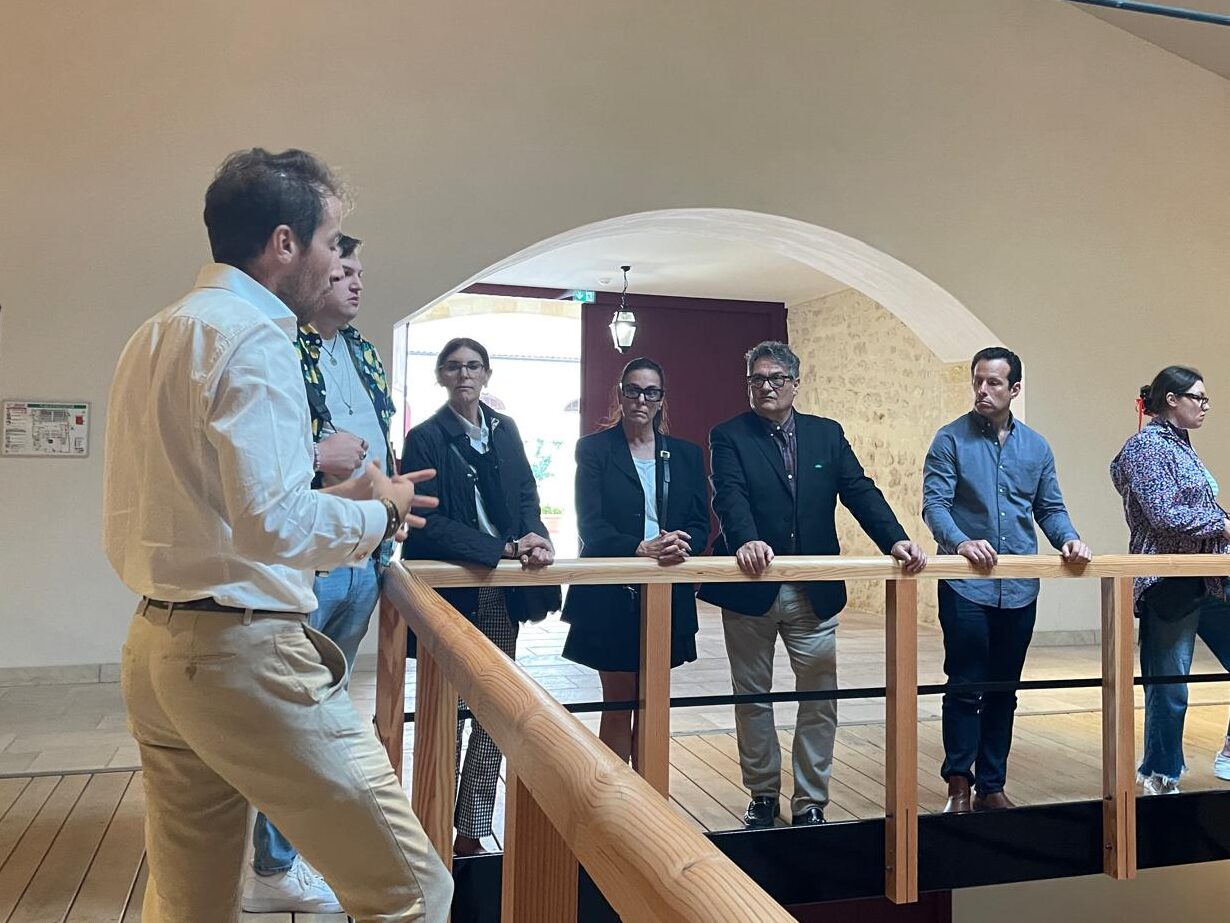
Our small group of American wine enthusiasts, fresh from a successful Nashville Wine Auction bid, found our group in the capable hands of Damien Sartorious, the ninth-generation steward of these prestigious second-growth properties. What followed was not merely a tour, but an intimate glimpse into the soul of Bordeaux winemaking.
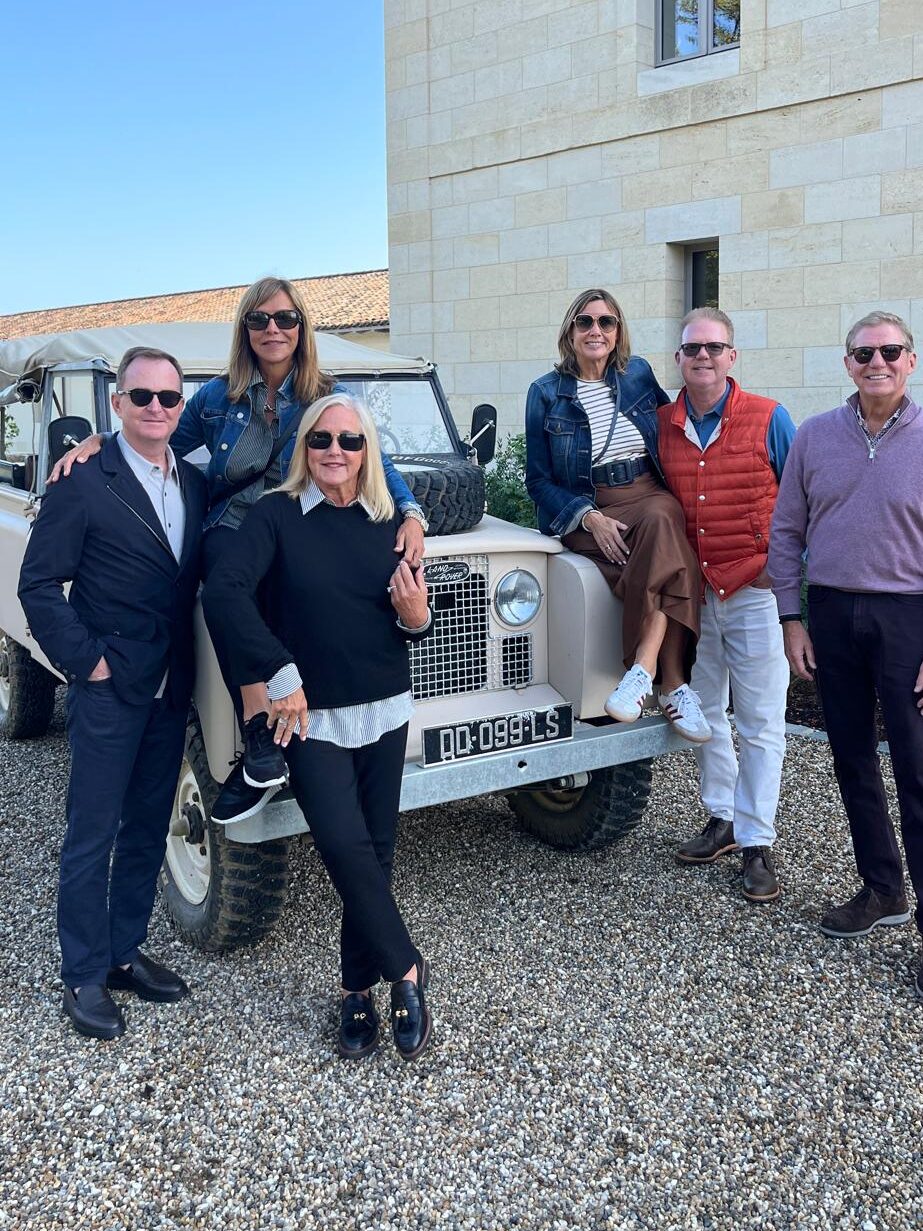
The journey began unconventionally, with Damien whisking us away in a 1970s Land Rover for a safari-style exploration of the Saint-Julien vineyards. As we traversed the terrain, the landscape unfolded like chapters in a story, each turn revealing new secrets. Damien pointed out the woods where he played as a child, bringing a personal touch to the grand tapestry of the estate's history. The varying terroirs revealed themselves beneath our feet – from gravelly slopes to sandy patches and distinct terraces – each contributing its unique character to the wines we would later taste.
The contrast between old and new at the estate was striking yet harmonious. In the vineyards, we witnessed the ancient practice of leaf thinning, performed meticulously by hand with homemade machetes – a testament to time-honored traditions. Yet, just steps away stood the state-of-the-art cellar, its modern efficiency thoughtfully cloaked in natural materials and wood, maintaining a respectful dialogue between past and present.
A truly privileged moment arrived when we were invited into the private cellar, its bottles wearing their dust and dampness like badges of honor. Here, each guest was granted the rare opportunity to select a bottle from the family's private reserve – a gesture that spoke volumes about the Barton family's legendary hospitality.
The culmination of our visit took place in the château's private gardens, where champagne and aperitifs set the stage for what was to follow. The long lunch that ensued with Damien was a masterclass in Bordeaux wines, but more importantly, it was a sharing of his personal stories that made the exceptional wines feel like supporting characters in a larger narrative.
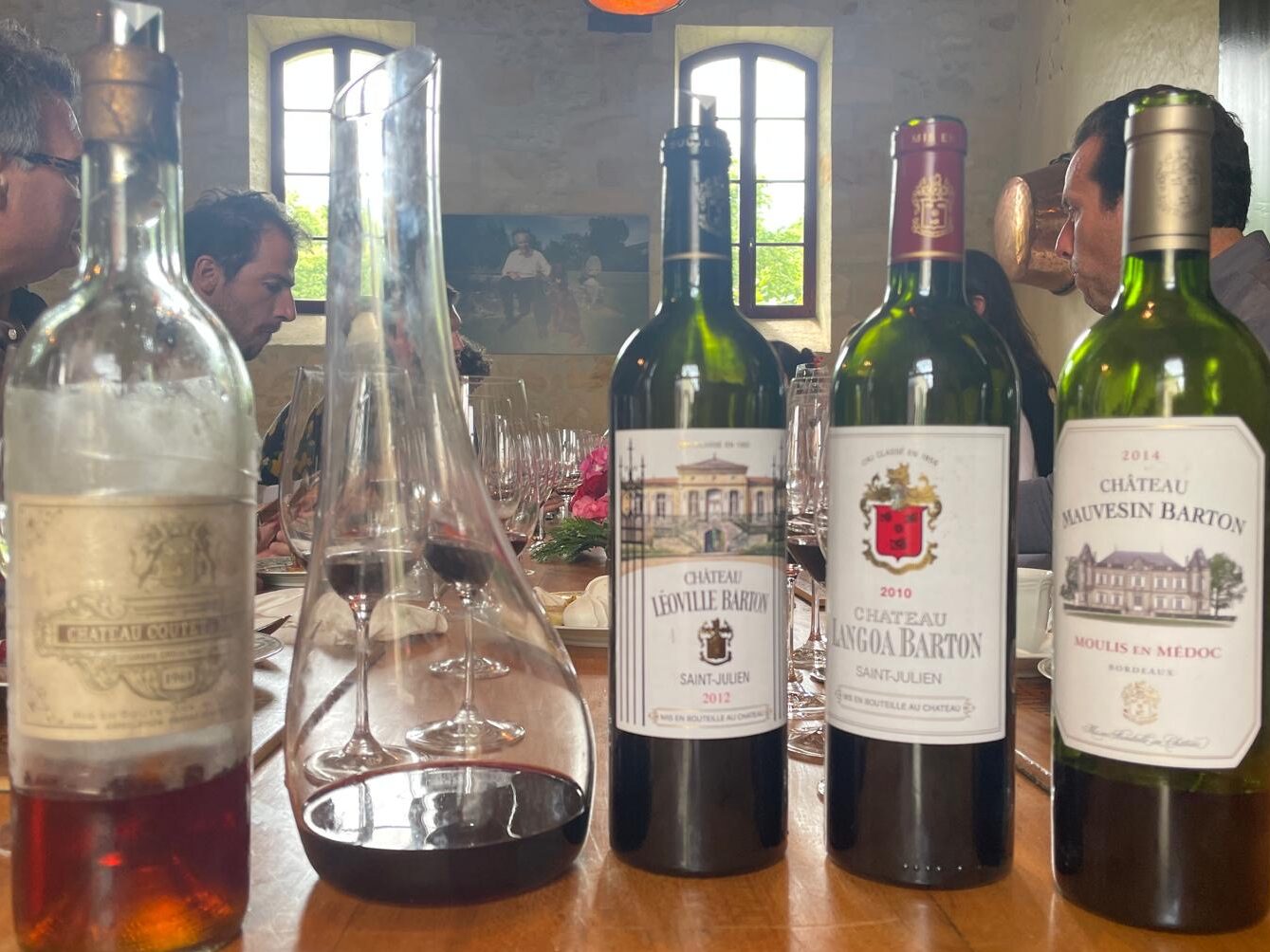
The wine lineup was nothing short of extraordinary: we traveled through time with Mauvesin Barton 2014, Langoa Barton 2010, and Léoville Barton 2012. A treasured Langoa Barton 2000 from the cellar selection added historical depth, while a magnificent 1961 Château Coutet Sauternes provided a fitting finale to our tasting journey.
What struck us most profoundly was not just the excellence of the wines – though they were indeed outstanding – but the authentic connection to place and history that permeated every aspect of our visit. Through Damien's eyes, we saw not just a prestigious Bordeaux estate, but a living heritage, carefully preserved and thoughtfully evolved through nine generations of stewardship.
As we reluctantly bid farewell to Château Langoa and Léoville Barton, we carried with us more than memories of exceptional wines. We had experienced something increasingly rare in today's world: a genuine encounter with authenticity, where tradition, innovation, and family legacy blend as seamlessly as the finest Bordeaux cuvées.
Through our many experiences like this one, its easy to see why Bordeaux holds a special place in our hearts and why we have made it our life's work at Decanter Tours recommending it to others.
Bordeaux reigns supreme in the world of wine due to a compelling blend of factors. Centuries of geological evolution have gifted Bordeaux with a unique tapestry of soils, from the gravelly slopes of the Médoc to the limestone-rich hills of Saint-Émilion. This diverse terroir cultivates a remarkable range of flavors and aromas in the wines. Bordeaux boasts a centuries-old winemaking tradition, passed down through generations of skilled vignerons. This deep-rooted knowledge, combined with constant innovation, ensures that each vintage reflects the unique character of the land. From the structured power of Cabernet Sauvignon-dominant blends to the elegant finesse of Merlot-driven wines, Bordeaux offers a symphony of tastes. Whether you prefer the bold, fruit-forward styles of the Right Bank or the structured elegance of the Left Bank, or the sweet wines of Sauternes, Bordeaux has something to tantalize every palate.
At Decanter Tours, we've been privileged to share the magic of Bordeaux with discerning wine enthusiasts since 2009. We've explored the most prestigious estates, tasted legendary vintages, and witnessed firsthand the dedication and artistry that go into crafting these exceptional wines. This profound connection with Bordeaux fuels our passion for introducing others to the wonders of this legendary region.
We invite you to embark on your own Bordeaux adventure. Whether you're a seasoned oenophile or just beginning your wine journey, Decanter Tours offers a range of experiences tailored to your interests. Join us for a captivating wine tasting, an unforgettable vineyard tour, or an immersive journey into the heart of this legendary region.
Discover the magic of Bordeaux for yourself. Contact us today to book your unforgettable wine experience.
Bordeaux wine stands among the world's finest due to its perfect combination of terroir, tradition, and technique. The region's gravelly soils, maritime climate, and centuries-old winemaking expertise create wines of exceptional complexity and aging potential. The strict classification system established in 1855 and those established since, also ensure consistent quality, with prestigious châteaux maintaining exacting standards that have defined excellence in winemaking for generations.
Bordeaux's uniqueness lies in its distinctive blend-focused approach, particularly with Cabernet Sauvignon and Merlot for red wines. The region's location between two rivers, the Atlantic Ocean and the Landes forest, creates diverse microclimates, while its historic château system combines wine production with architectural heritage and beauty. Additionally, Bordeaux's classification system and en primeur (futures) trading model have set global standards for wine commerce and collection.
Start by identifying which appellation of Bordeaux interests you - Left Bank appellations for Cabernet-dominant blends with more tannins, or Right Bank for softer, Merlot-based wines. Consider the vintage, as quality varies by year, and look for smaller châteaux from good years for better value. For beginners, try wines from Bordeaux Supérieur, the Côtes appellations or Cru Bourgeois classifications, which offer excellent quality at more accessible prices. Top tip: wines from lesser known appellations like Fronsac or Castillon often provide outstanding value while maintaining Bordeaux's signature style.
Experience the world of Bordeaux wine firsthand with our expert-guided tours.

Experience the finest private wine tours in Bordeaux and beyond. With over 20 years of expertise, we craft tailor-made wine journeys to iconic regions like Médoc, Saint-Émilion, Burgundy, and Champagne. Explore exclusive chateaux with expert guides and seamless planning for a truly unforgettable experience.