Bordeaux's Left and Right Banks aren't just geographical designations—they represent two philosophies of winemaking, two distinct terroirs, and two very different expressions of what great wine can be as well as a cultural divide between the inhabitants. Separated by the Gironde Estuary, these regions have developed their own identities over centuries, each producing wines that have shaped global perceptions of what Bordeaux should taste like. Traditionally the left bank inhabitants would not set foot on the right banks and vice versa. Today that has changed and many owners have properties on both banks.
For travelers and wine lovers planning a visit to this legendary region, understanding these distinctions transforms a casual tour into a meaningful exploration of wine culture. Whether you're seeking austere, age-worthy investments or voluptuous, pleasure-driven bottles for immediate consumption, Bordeaux has something extraordinary to offer.
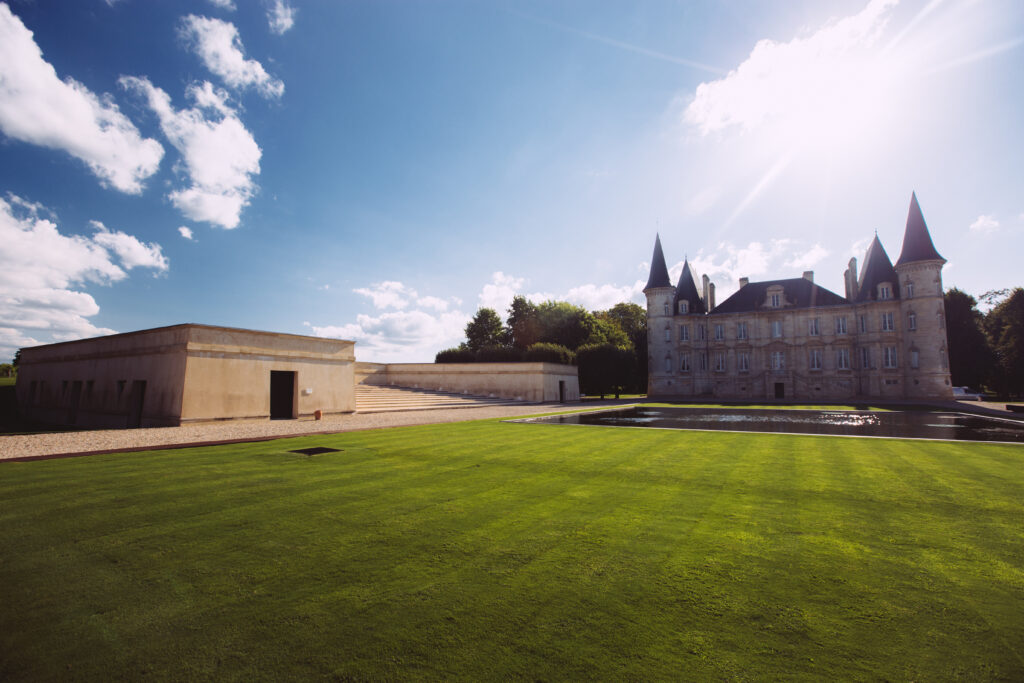
Terroir of the Medoc
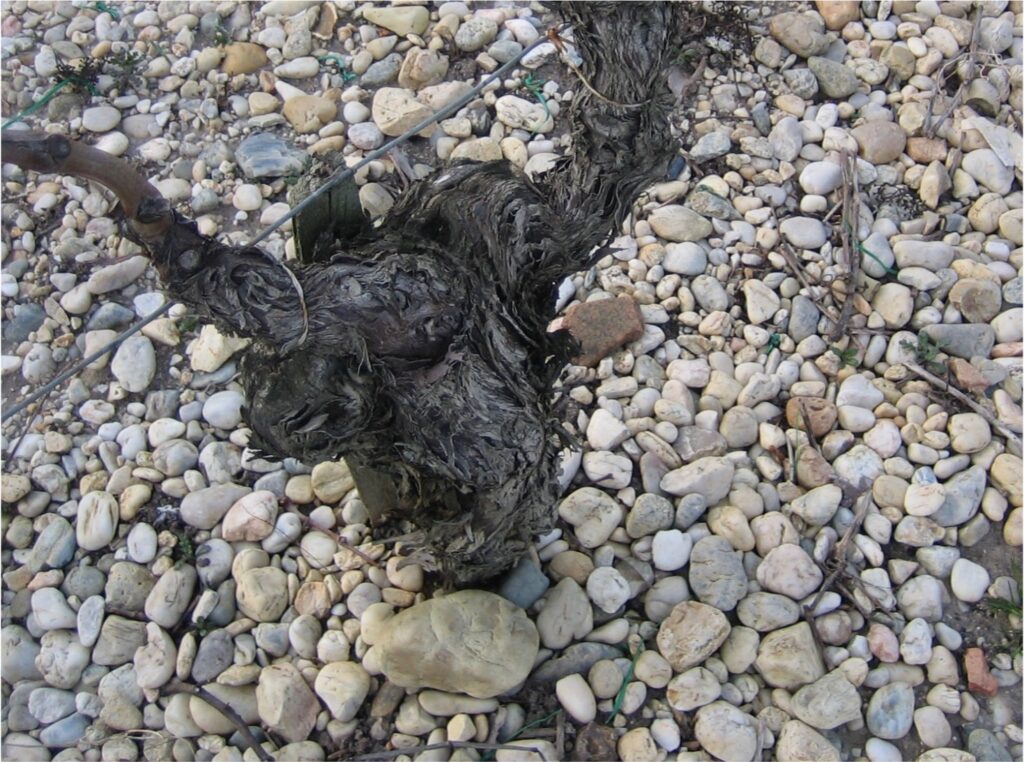
The Left Bank encompasses the prestigious regions of the Médoc, Graves. Geologically, this area is characterized by gravel-topped plateaus interspersed with clay and sand. These gravels, deposited by ancient rivers, warm quickly during the day and retain heat through the night, creating an ideal microclimate for ripening Cabernet Sauvignon. Since we tend tohave cool nights here this help retain the acidity in the grapes creating freshness. The excellent drainage provided by these gravelly soils prevents waterlogging during Bordeaux's rainy winters and springs, concentrating the vine's energy into producing smaller, more intensely flavored berries.
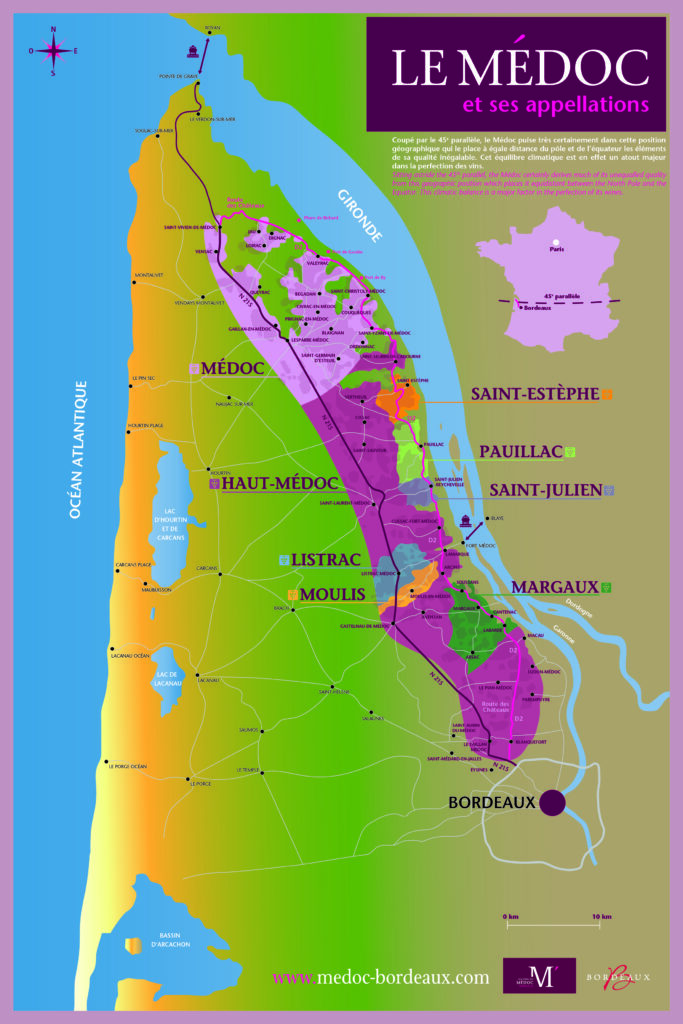
The most prestigious communes—Pauillac, Margaux, Saint-Julien, and Saint-Estèphe—all sit on similar gravel-based plateaus, though subtle variations in soil composition create distinct stylistic differences between them. Such is the importance of the terroir here, the chateau owners in this area will tell you how old their gravel is and where it comes from.
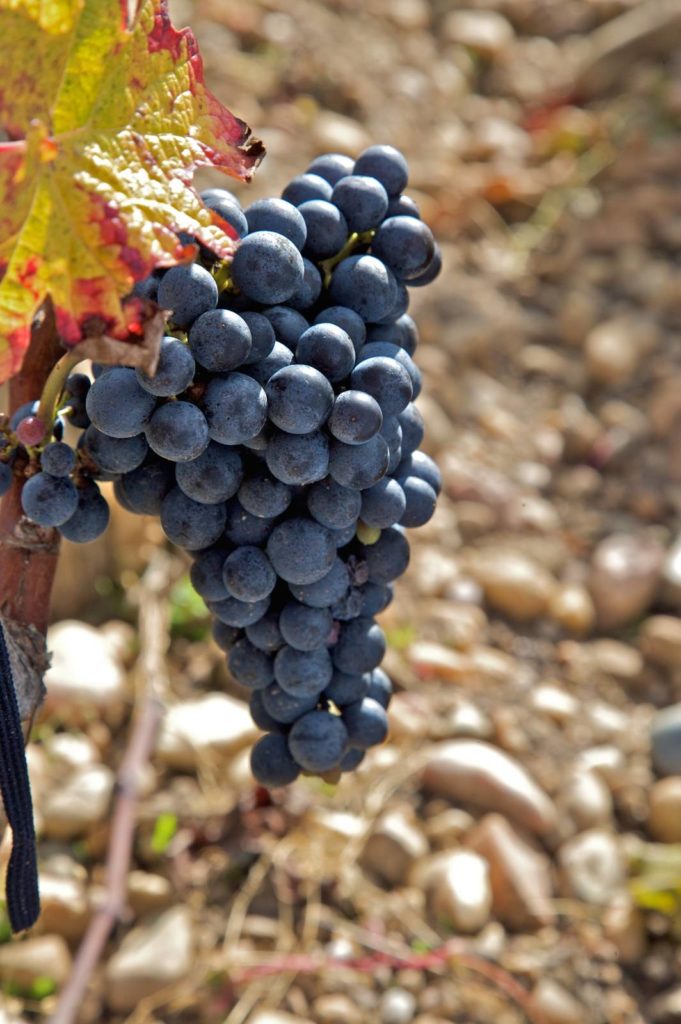
Cabernet Sauvignon reigns supreme on the Left Bank, typically comprising 60-85% of the blend, with Merlot, Cabernet Franc, and Petit Verdot playing supporting roles. This grape variety, with its thick skin and inherent tannins, thrives in Bordeaux's cooler microclimate. When fully ripe, Cabernet Sauvignon produces wines of remarkable structure, complexity, and age-worthiness.
Left Bank Bordeaux are characterized by their power and architectural precision. You'll encounter bold cassis and blackcurrant flavors, often mingled with hints of cedar, graphite, and violets. The wines are typically medium to full-bodied with firm, gripping tannins that can feel almost austere in their youth. This is wine that demands attention, that requires food pairings, and that often improves dramatically over 10, 20, or even 30 years in the bottle.
The Left Bank is home to many of Bordeaux's most celebrated châteaux, including first growths like Lafite Rothschild, Latour, and Mouton Rothschild. The 1855 Classification that established Bordeaux's hierarchy was based primarily on Left Bank estates, reflecting their historical prominence and the consistent quality they've delivered.
Investment in Left Bank Bordeaux is a serious pursuit. These wines command premium prices because they possess the structure and complexity to become increasingly valuable—both in terms of drinking pleasure and monetary investment—as they age. A 1982 Château Latour or 1996 Château Pichon-Longueville is likely worth substantially more today than when it was released.
All this being said the Medoc and Graves regions are full of smaller family owned wineries. The other classifications of the Medoc, the Crus Bourgeois and the Crus Artisans attest to this.
Visiting Left Bank estates often feels like stepping into aristocratic history. The châteaux are frequently grand, the estates expansive, and the approach to winemaking deeply traditional. Some of these properties have been in the same families for generations, and this continuity is reflected in their wines. However in recent years, substantial investment by large insurance and luxury goods companies have overtaken the Medoc. A visit to Pauillac or Margaux combines world-class wine tasting with cultural immersion in how old-world wine excellence is maintained.
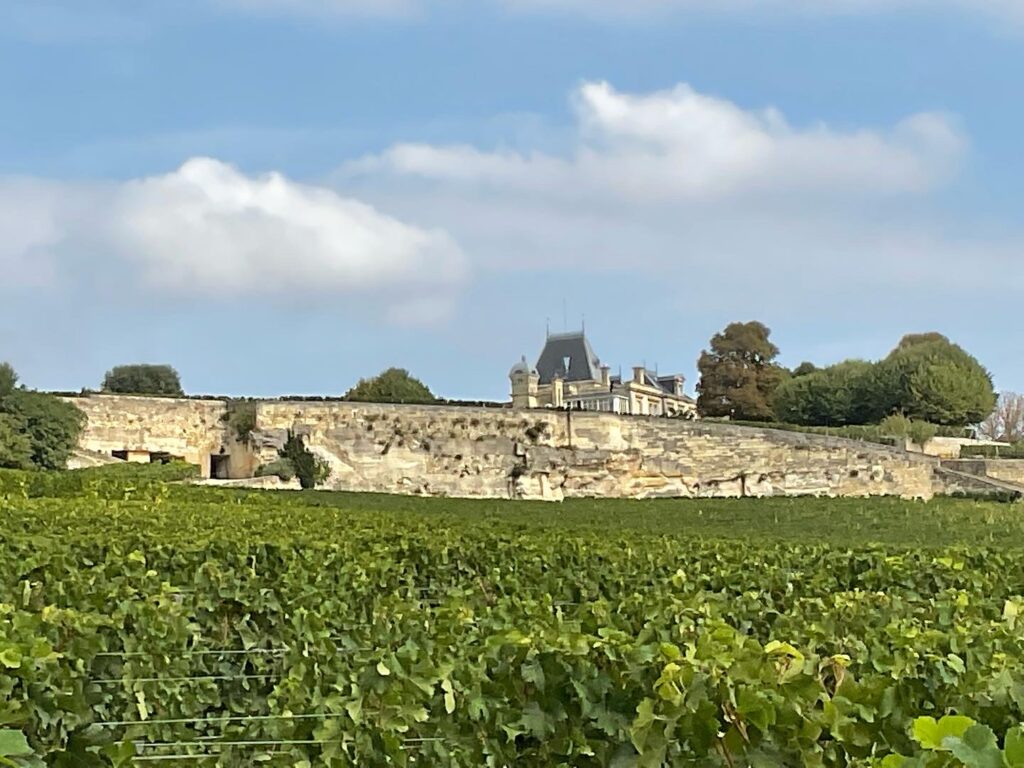
Right Bank Terroir
The Right Bank's most celebrated areas—Pomerol and Saint-Émilion—sit on the right side of the Gironde Estuary. Unlike the Left Bank's gravel plateaus, Right Bank terroir is characterized by clay, limestone, and iron-rich soils. Pomerol, in particular, is known for its clay-rich soils with deposits of iron oxide that give the region its distinctive character. Saint-Émilion features a more varied geology, with limestone plateau areas (the "Côtes") and clay-limestone slopes, creating a diversity of microclimates and wine styles.
These soils retain more moisture than Left Bank gravels, which actually benefits Merlot, the dominant variety here. Merlot prefers slightly cooler, damper conditions than Cabernet Sauvignon, and the Right Bank's terroir is ideally suited to this grape's requirements.
Merlot takes center stage on the Right Bank, typically representing 50-90% of the blend, with Cabernet Franc, Cabernet Sauvignon, and occasionally Malbec providing structure and complexity. Merlot's naturally softer tannins and plush texture create wines that are approachable in their youth while still capable of serious aging.
Right Bank Bordeaux tend to be richer and more voluptuous than their Left Bank counterparts. You'll find intense red and dark fruit flavors—plum, cherry, damson—complemented by earthy undertones, leather, and often a touch of chocolate or licorice. The wines are typically medium to full-bodied with velvety textures and riper, rounder tannins that integrate more quickly into the wine.
Where Left Bank wines often feel like a complex symphony requiring several years to fully reveal themselves, Right Bank wines frequently offer immediate pleasure. A well-made Right Bank Bordeaux from a recent vintage can be absolutely delicious to drink within 3-5 years of release, though the finest examples continue to evolve beautifully for decades.
While the Right Bank has prestigious names like Château Pétrus and Le Pin commanding astronomical prices, there's a wider range of quality levels and price points across the region. This accessibility is part of the Right Bank's appeal. You can find excellent, age-worthy wines at significantly lower price points than comparable Left Bank offerings, making this region ideal for collectors building their cellars and enthusiasts seeking quality without stratospheric costs.
Saint-Émilion's classification has been a moveable feast unlike the never changing 1855 classification of the Médoc and Graves. The Saint-Émilion classification, a system revised approximately every ten years, caused significant controversy due to the departure of several major châteaux and changes to the classification criteria.
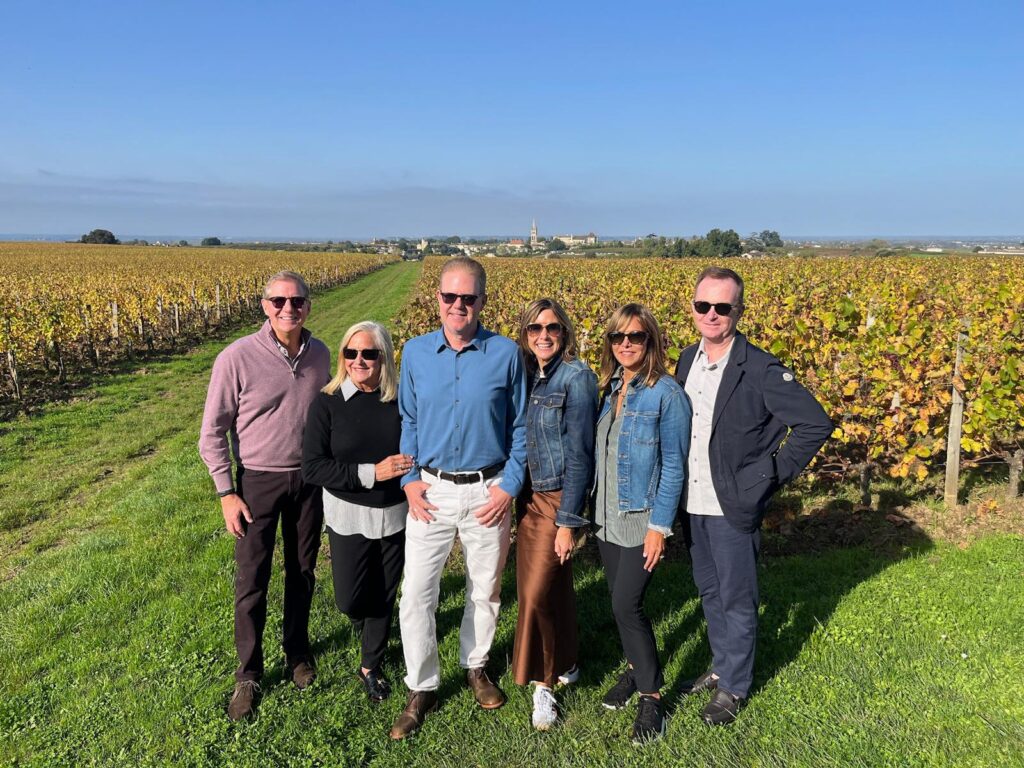
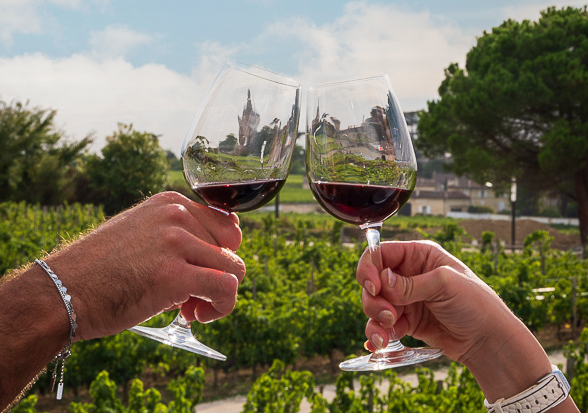
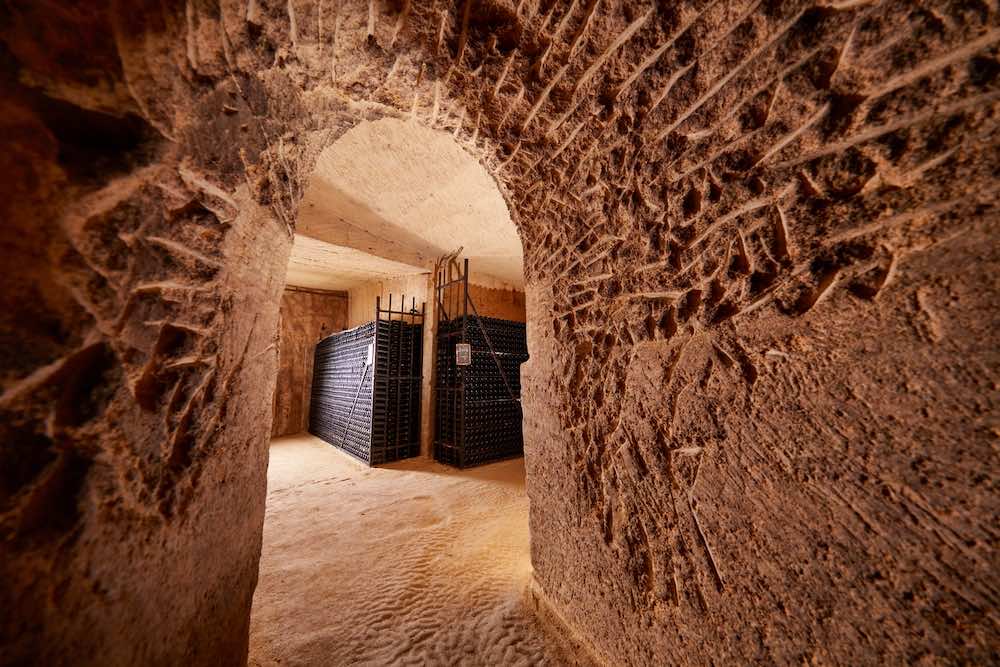
Right Bank estates often feel more intimate and artisanal than their Left Bank counterparts, though this is a generalization with many exceptions. Many Pomerol properties are family-run, very small, and deeply focused on crafting their particular expression of Merlot. Saint-Émilion, with its picturesque UNESCO World Heritage site and medieval town perched above the vineyards, offers a more tourist-friendly experience with charming streets, excellent restaurants, and a palpable sense of wine culture woven into daily life.
Visiting the Right Bank feels less like museum touring and more like discovering culinary artistry in progress. The châteaux are often charming rather than monumental, and proprietors frequently engage visitors in genuine conversation about their wines and approach to winemaking.
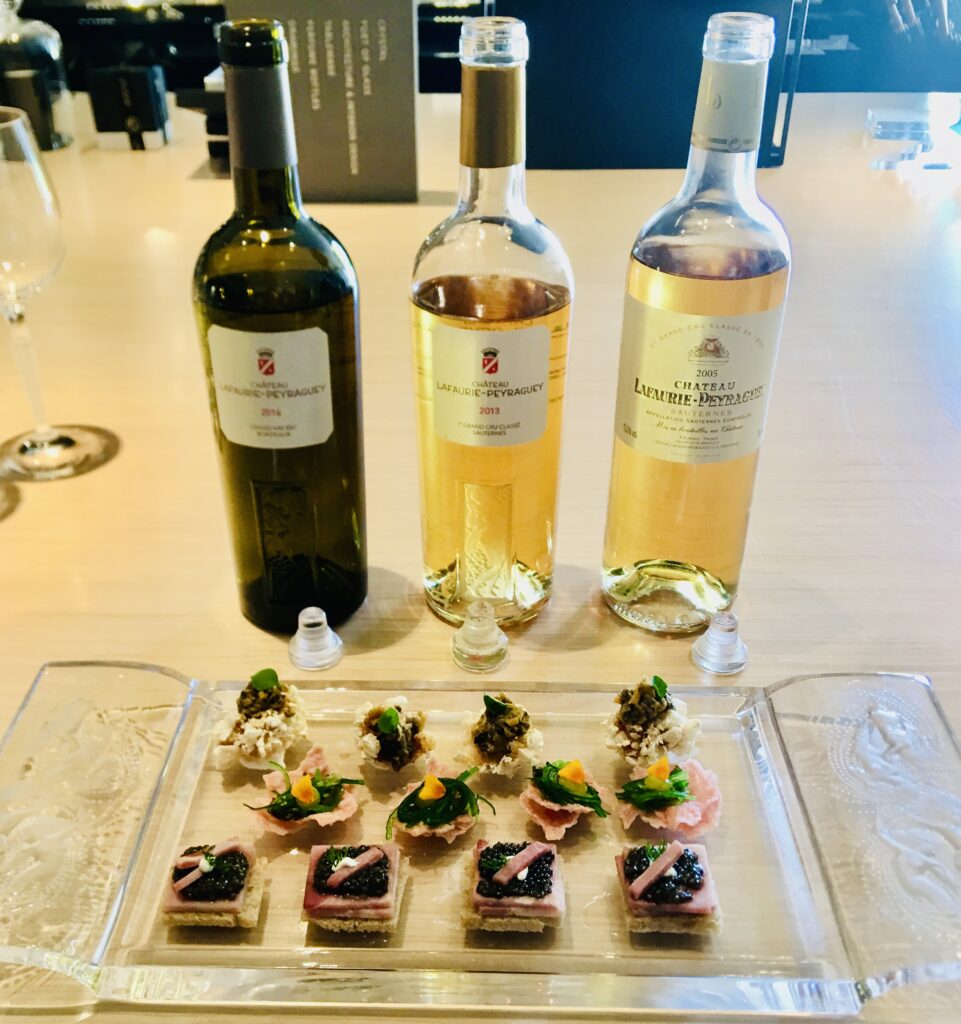
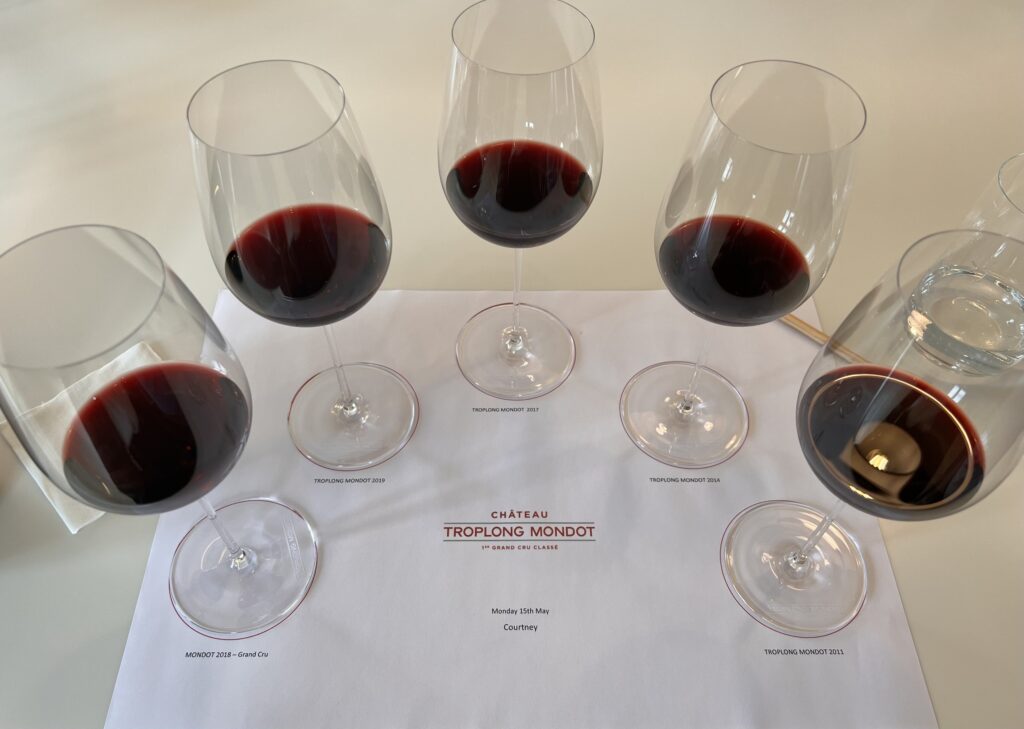
| Aspect | Left Bank | Right Bank |
|---|---|---|
| Primary Grape | Cabernet Sauvignon | Merlot |
| Terroir | Gravel plateaus, excellent drainage | Clay, limestone, iron oxide, higher moisture |
| Style | Structured, austere, architectural | Voluptuous, velvety, immediately accessible |
| Tannins | Firm, gripping, slow to integrate | Soft, round, quick to integrate |
| Primary Flavors | Cassis, cedar, violets, graphite | Plum, cherry, chocolate, leather |
| Aging Potential | 15-50+ years common | 10-30 years typical |
| Price Range | Wide, with many $200+ bottles | Wider accessibility, more sub-$50 options |
| Drinking Window | Often 5-10+ years before optimal | Often 3-5+ years for enjoyment |
| Châteaux Character | Grand, aristocratic, traditional | Intimate, artisanal, familial |
The answer depends entirely on your preferences, occasion, and cellar strategy.
Choose the Left Bank if you love powerful wines with complexity that evolves over time, if you enjoy the intellectual engagement of matching food with structured wines, or if you're building a collection of age-worthy investments. Left Bank Bordeaux reward patience and contemplation. A 20-year-old Left Bank bottle tastes profoundly different—and often better—than its young counterpart. These wines appeal to those who view wine as a journey rather than a destination.
Choose the Right Bank if you value immediate pleasure, if you prefer wines that shine without extensive aging, or if you want excellent quality at more accessible price points. Right Bank wines are perfect for dinner parties where you want sophistication without pretense, for discovering new producers without massive financial commitment, or for building a drinking collection as well as an investment portfolio. These wines celebrate the joy of wine in the present moment.
Of course, the ideal approach is to explore both. Most serious wine enthusiasts maintain a collection that spans both banks, enjoying the Left Bank's structured complexity on contemplative evenings and reaching for the Right Bank's plush voluptuousness when the mood calls for immediate gratification.
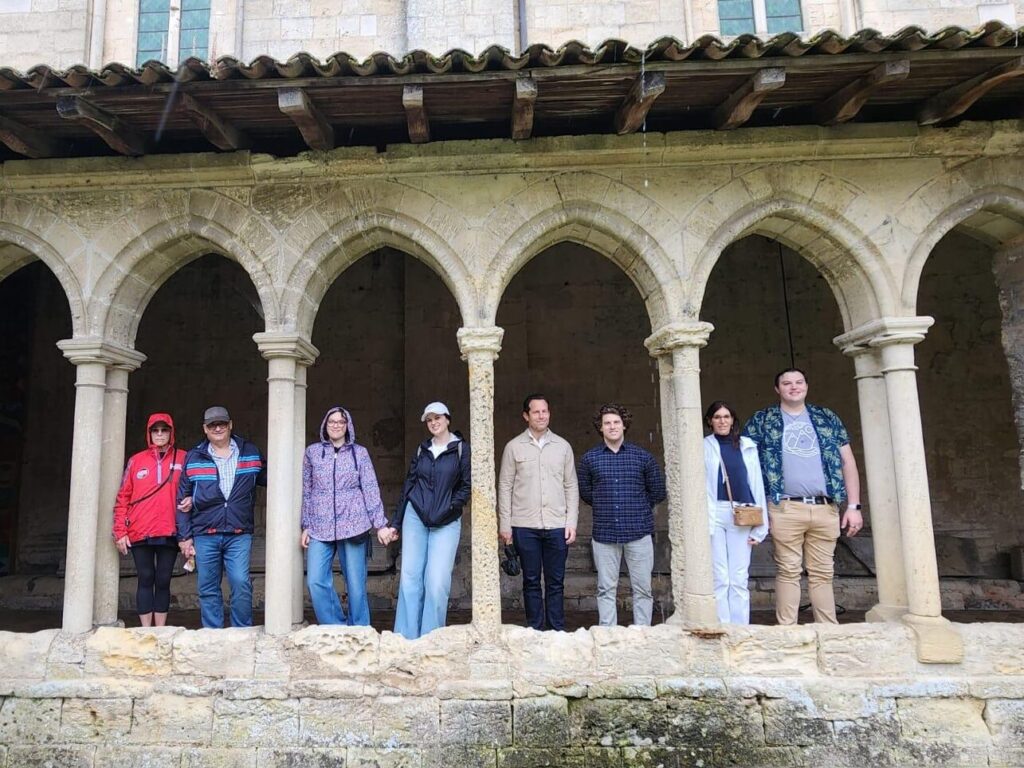
Visit Saint Emilion and the Medoc
Understanding Bordeaux's Left and Right Bank distinction teaches a fundamental lesson about wine: terroir—the complete natural environment affecting a wine's character—genuinely matters. The same grape varieties planted on different soils, with different drainage patterns and microclimates, produce distinctly different results. Just look at Merlot's reputation in N. America. The wines made of Merlot there taste nothing like a Merlot based Bordeaux.
Both banks also represent a commitment to tradition. Bordeaux's winemaking practices, classifications, and reputation have developed over hundreds of years. While innovation continues, it's always in conversation with tradition rather than in rejection of it. This balance between honoring the past and embracing the future is part of what makes Bordeaux exceptional.
For travelers, this means a visit to either bank is an education in wine history, terroir, and human dedication to craft. Whether you're walking through grand châteaux or intimate family properties, you're witnessing centuries of accumulated knowledge about how to coax extraordinary wine from the earth.
Bordeaux's Left and Right Banks represent two distinct but equally magnificent expressions of winemaking excellence. The Left Bank's structured, age-worthy Cabernet-based wines and the Right Bank's elegant, accessible Merlot-based offerings both deserve a place in your wine journey. Neither is objectively superior; they're simply different, each with its own beauty and purpose.
The most rewarding approach to Bordeaux is curiosity. Taste widely across both banks. Notice how the same vintage expresses itself differently across terroirs. Discover which styles resonate with your palate. Build your collection in both directions. And, crucially, plan a visit to experience these regions in person, where you can taste the terroir in its native context and understand why these wines have captivated the world for centuries.
On a more practical note, each bank takes at least one if not two days to visit. Have a look at the sample tours for each or contact us for a full 3 - 5 day tour of all the Bordeaux vineyards.
The Medoc in a day
Saint Emilion in a day and
the Graves in a day.
Q: Can I cellar Right Bank wines as long as Left Bank wines?
A: Many Right Bank wines, particularly from top producers in Pomerol and Saint-Émilion, age beautifully for 20-30 years or more. However, they typically reach their drinking plateau sooner than Left Bank wines. A 15-year-old Right Bank Bordeaux might be at its absolute peak, while a 15-year-old Left Bank wine could still be developing. Always check specific producer recommendations for cellaring guidance.
Q: Which bank offers better value?
A: The Right Bank generally offers better value for quality-conscious drinkers. You can find excellent, sophisticated Right Bank wines at price points where you'd find entry-level Left Bank offerings. However, "value" depends on your goals—if you're investing, Left Bank's prestige may justify premium prices.
Q: Is Left Bank wine more prestigious?
A: Historically and commercially, yes—the 1855 Classification solidified Left Bank prestige. However, top Right Bank producers like Pétrus command prices rivaling first growths. Prestige and quality are linked but not identical. The best wine is the one that brings you pleasure.
Q: Can I drink Left Bank Bordeaux young?
A: Absolutely. Its all a question of taste. While Left Bank wines improve with age, quality examples are often quite enjoyable at 5-7 years old. They're simply less evolved than they'll be at 15 or 25 years. Younger Left Bank wines showcase fresh, vibrant fruit characteristics that appeal to many drinkers.
Q: What's the best way to taste both banks side-by-side?
A: A comparative tasting of similar vintages and price points from both banks is revelatory. Try a 2015 Left Bank wine (say, a Pauillac from a mid-level producer) against a 2015 Right Bank wine (perhaps a Saint-Émilion from a well-regarded château) at similar prices. The differences in structure, flavor, and texture become immediately apparent.
Q: Do I need to visit the châteaux to appreciate these wines?
A: Not at all—excellent Bordeaux is available worldwide, and you can develop sophisticated understanding through tasting at home. However, visiting adds an irreplaceable sensory dimension. Tasting a wine in its native context—seeing the soils, meeting the winemakers, understanding the terroir visually—deepens appreciation immeasurably.
Q: Which bank should I visit first?
A: This depends on your interests. If you prefer grand historic estates and structured wine education, start with the Left Bank (Pauillac or Saint-Julien). If you prefer intimate settings and immediate wine enjoyment, begin with the Right Bank (Pomerol or Saint-Émilion town). Most of our visitors do both. In terms of logistics, using central Bordeaux as a starting point they both take just under an hour to reach by car. Since the Medoc is a long peninsula, getting back at the end of the day, should you venture up to Saint Estephe in the northern part of the area can take up to 2 hours.
Now that you understand the fundamental differences between Bordeaux's Left and Right Banks, it's time to experience them for yourself. There's simply no substitute for tasting these wines in their native habitat, meeting the passionate winemakers behind the bottles, and understanding how terroir shapes every sip.
Book your wine tour with Decanter Tours today. We offer expertly curated experiences that showcase the best of both banks:
Our knowledgeable guides provide insider access to premier châteaux, facilitate tastings with winemakers and cellar masters, and ensure every moment of your journey deepens your wine knowledge and enjoyment. Whether you're a seasoned collector, an enthusiastic amateur, or simply curious about wine, our tours transform Bordeaux from a distant legend into a lived experience.
Don't just read about great wine—taste it, live it, and remember it forever.
[Reserve Your Bordeaux Wine Tour Now]
Contact us today to customize your perfect Bordeaux experience. Your adventure awaits.
In the world of fine wines, few classifications hold the prestige and historical significance of the Grand Cru Classé de Graves. This elite designation represents the pinnacle of winemaking excellence in Bordeaux's Graves region, encompassing 16 exceptional châteaux renowned for their outstanding terroir and winemaking traditions. Whether you're a seasoned wine connoisseur or an enthusiastic beginner, understanding this classification unlocks a deeper appreciation for some of Bordeaux's most distinguished wines.
The Grand Cru Classé de Graves represents an exclusive classification system that recognizes the most prestigious wine estates within the Graves region of Bordeaux. Unlike other Bordeaux classifications that focus solely on red or white wines, the Grand Cru Classé de Graves stands unique in acknowledging excellence in both varieties from the same estates.
This classification serves as a mark of exceptional quality, rigorous production standards, and consistent excellence. For wine enthusiasts, the Grand Cru Classé designation signals wines of remarkable character, complexity, and aging potential that embody the distinctive gravelly terroir from which they derive their name.
The classification's origins trace back to 1953 when it was first established, then subsequently revised in 1959 to its current form. This makes it considerably younger than the famous 1855 Bordeaux Classification that governs Médoc and Sauternes. While the 1855 classification resulted from Napoleon III's request for a ranking system for the Paris Exhibition, the Grand Cru Classé de Graves emerged from regional efforts to distinguish the exceptional estates within this historically significant winemaking area.
What sets this classification apart is its foundation in the post-World War II era, allowing it to incorporate more modern winemaking philosophies while still honoring traditional methods. The classification has remained unchanged since 1959, creating a stable legacy that continues to influence Bordeaux's wine industry today.
Achieving Grand Cru Classé de Graves status requires meeting exacting standards across multiple dimensions:
These stringent requirements ensure that only truly exceptional estates earn and maintain this prestigious classification, creating an assurance of quality for wine consumers worldwide.
The Grand Cru Classé de Graves classification encompasses exactly 16 châteaux, making it one of the most exclusive wine designations in the world. This limited membership underscores the exceptional quality required for inclusion and highlights the rarity of these distinguished wines.
What makes this classification particularly unique in Bordeaux is its recognition of both red and white wines from the same estates. While some châteaux excel primarily in one category, many produce outstanding examples of both, showcasing the versatility and excellence of the Graves terroir.
The Grand Cru Classé de Graves stands as the only Bordeaux classification that formally recognizes excellence in both red and white wine production. This dual categorization reflects the region's exceptional ability to produce world-class wines across different styles:
Red Wines: All 16 classified châteaux produce red wines, typically blends dominated by Cabernet Sauvignon and Merlot, with smaller proportions of Cabernet Franc and Petit Verdot. These reds are known for their structure, elegance, and remarkable aging potential.
White Wines: Several of the classified châteaux also produce exceptional white wines, primarily from Sauvignon Blanc and Sémillon grapes. These whites are celebrated for their complexity, mineral character, and ability to develop beautifully with age – a characteristic that sets them apart from many white wines worldwide.
This dual classification system highlights the Graves region's unique diversity and versatility in winemaking, offering enthusiasts a comprehensive experience of Bordeaux's finest expressions. However there are no individual rankings (first, second, third classified growth etc.) like for the 1855 classification of the Graves and Sauternes.
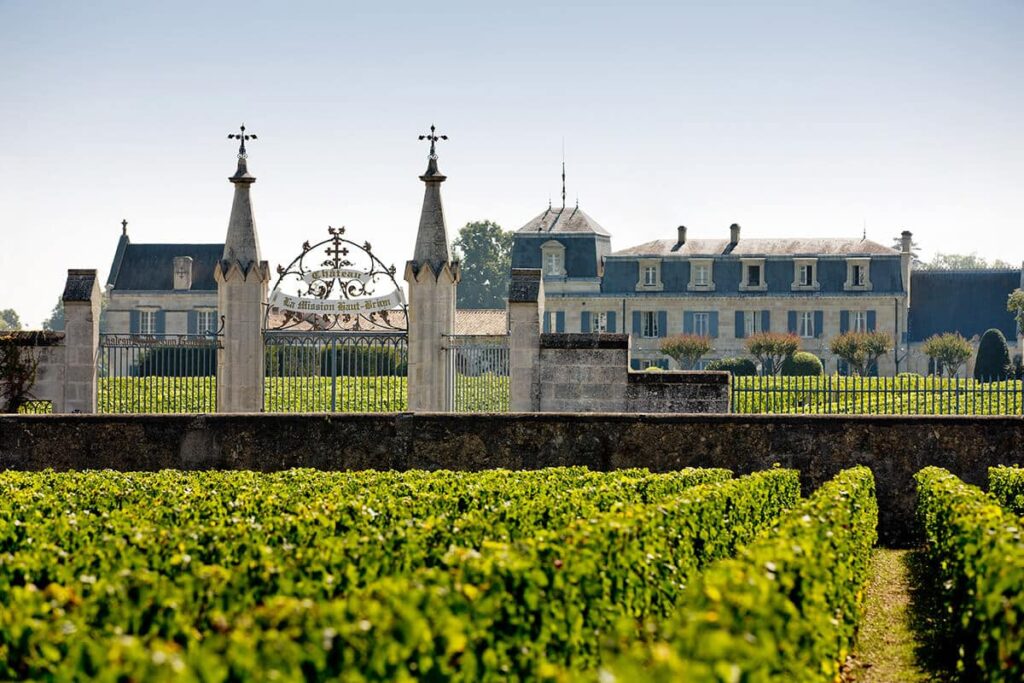
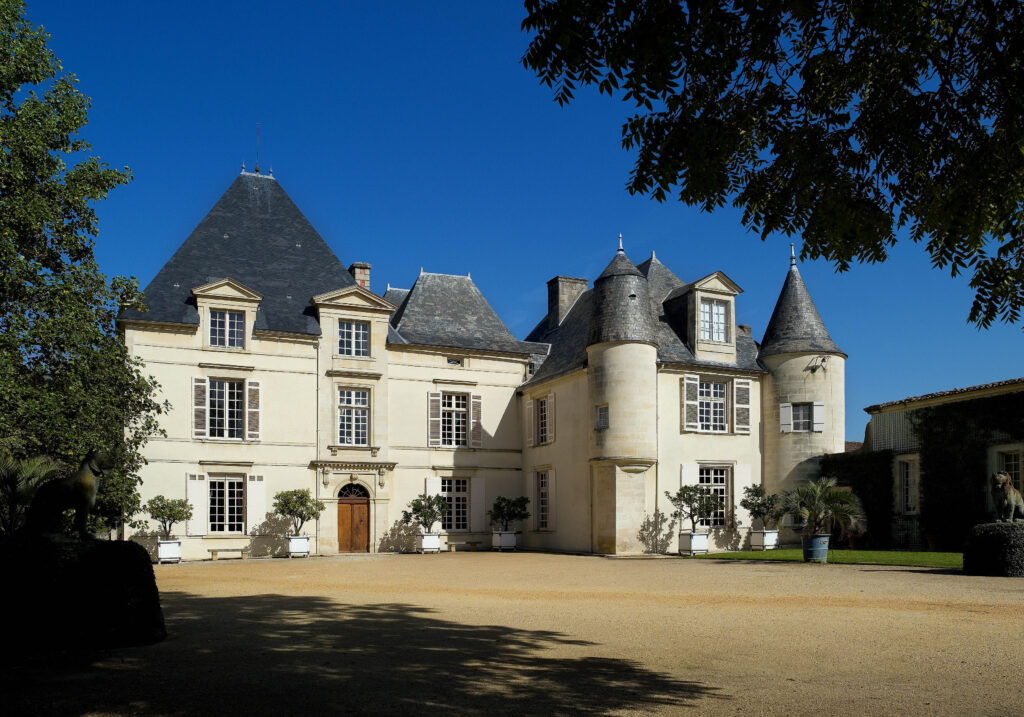
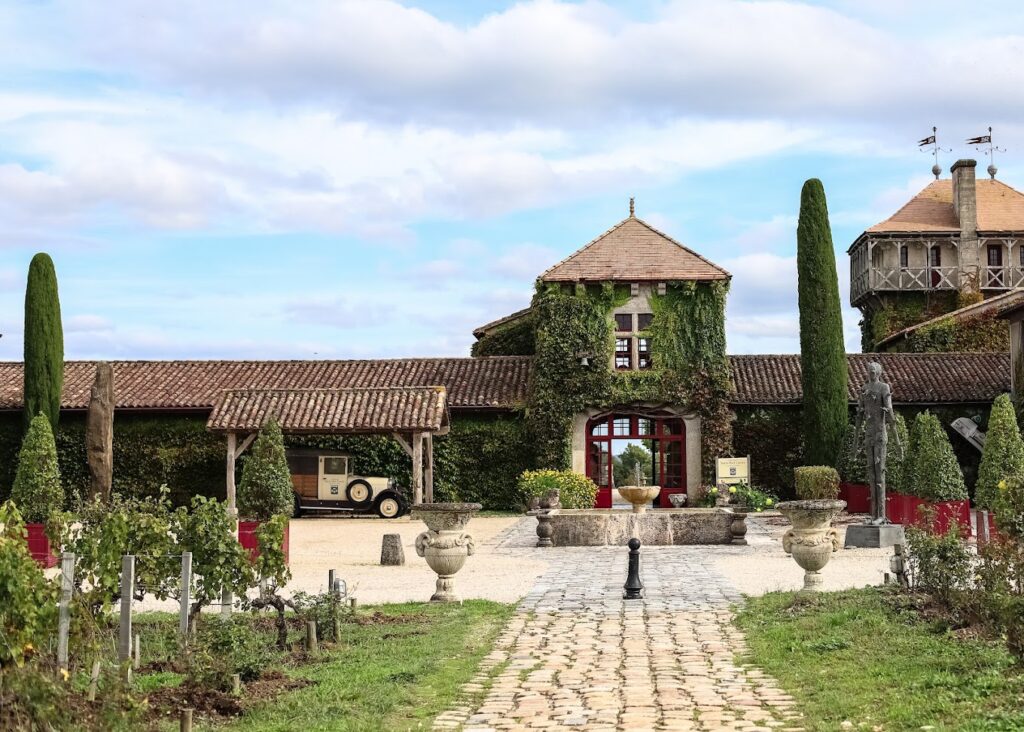
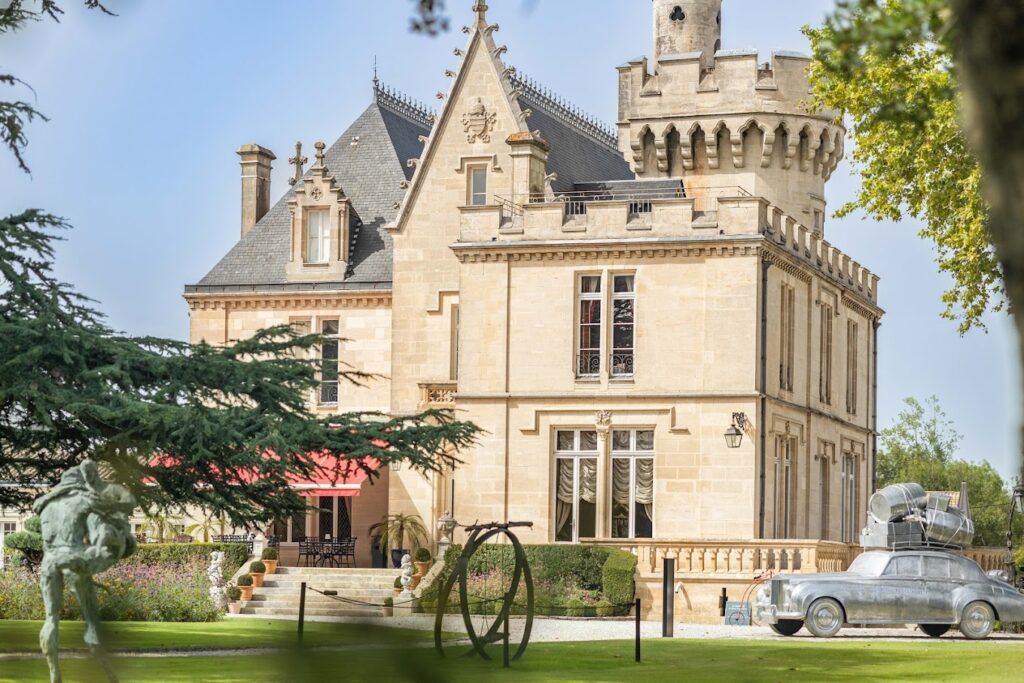
The 16 esteemed châteaux that comprise the Grand Cru Classé de Graves represent the pinnacle of winemaking excellence in this historic region. Each estate brings its own distinctive character and approach to winemaking while upholding the rigorous standards of the classification. Here are just a few we visit regularly.
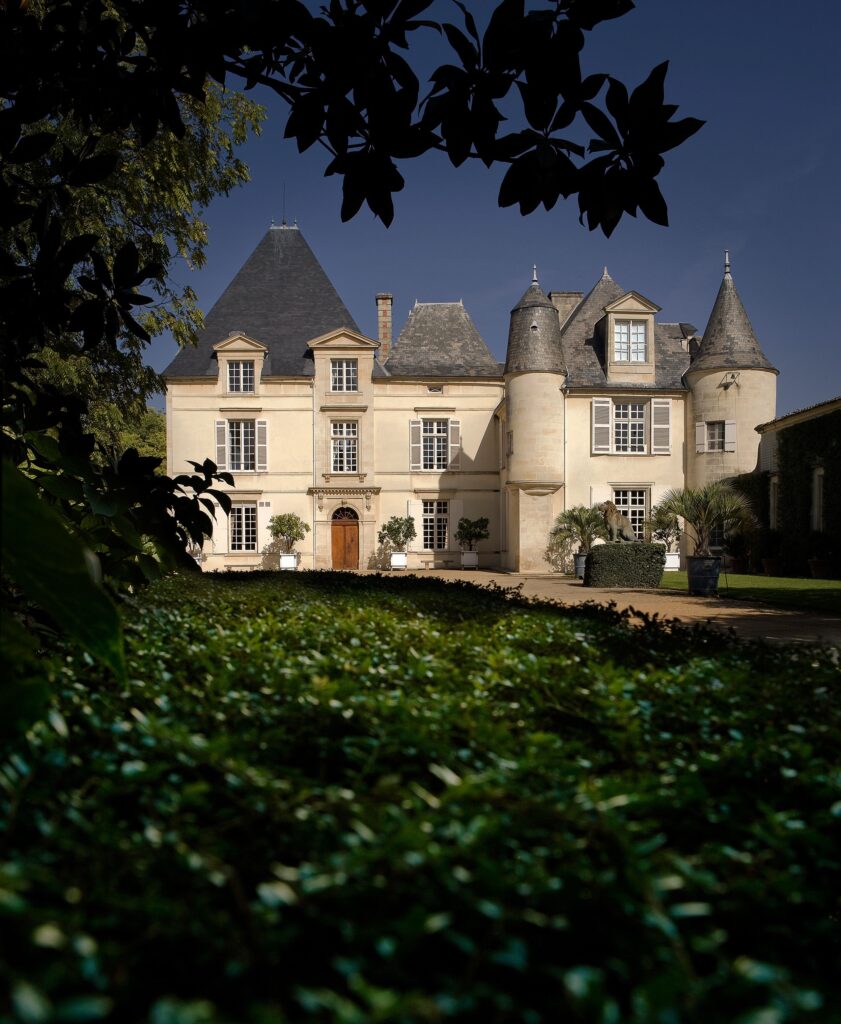
Château Haut-Brion stands as the undisputed crown jewel of the Graves classification. As the only Graves estate also included in the prestigious 1855 Classification (as a First Growth), it holds a dual distinction that speaks to its extraordinary quality and historical importance.
Dating back to the 16th century, Haut-Brion pioneered many modern winemaking techniques and has maintained its reputation for producing wines of remarkable finesse, complexity, and aging potential. Its red wines offer an elegant profile with notes of dark fruits, tobacco, and an unmistakable gravelly minerality, while its white wines (Haut-Brion Blanc) are among the most sought-after and expensive white wines in the world.
The château's consistent excellence through centuries of production has cemented its status as not just a leader in Graves, but as one of the world's most iconic wine estates.
Located directly across from Château Haut-Brion and now under the same ownership, Château La Mission Haut-Brion has carved out its own distinguished reputation. Often considered the equal of its illustrious neighbor, La Mission produces red wines characterized by power, depth, and remarkable complexity.
The château's red wines typically show greater boldness and concentration than Haut-Brion, with prominent notes of black fruits, smoke, and earth. Its white wine, La Mission Haut-Brion Blanc, rivals its red counterpart in quality and prestige, offering rich textures with honeyed notes balanced by vibrant acidity.
The estate's winemaking philosophy embraces both tradition and innovation, resulting in wines that consistently rank among the finest in Bordeaux and showcase the exceptional potential of the Graves terroir.
Decanter Tours' Tip: Chateau La Mission Haut-Brion is more accessible than Chateau Haut Brion. Both are great to see but we love the gardens at La Mission.
Named after its most famous owner, Pope Clement V, Château Pape Clément boasts one of the longest histories of any Bordeaux wine estate, dating back to the 13th century. This venerable château has distinguished itself through a careful balance of respecting tradition while embracing modern innovations.
Under the stewardship of the well-known Bordeaux wine producer, Bernard Magrez, Pape Clément has implemented cutting-edge viticultural practices, including plot-by-plot harvesting and precision viticulture. The red wines are known for their opulence, concentration, and rich dark fruit profiles, while the whites offer aromatic complexity and remarkable texture.
The chateau is located within the outer ring road of Bordeaux town which makes it one of the few urban wineries that can be found in the area.
Over the past few decades, Château Smith Haut Lafitte has undergone a remarkable transformation under the ownership of Daniel and Florence Cathiard. This revitalization has elevated the estate to new heights while maintaining deep respect for its historical significance.
The château has embraced organic and biodynamic and sustainable principles, establishing its own cooperage and implementing innovative techniques such as using optical sorting technology and gravity-flow systems. These investments in quality have yielded exceptional results. They built their ‘Stealth Cellar’ in 2013 to for grapes from younger vines destined for the second wines of the property; Le Petit Haut Lafitte and Les Hauts de Smith. It was designed to minimise its environmental impact and was built around existing trees, with the moss and shrubs growing on the roof to blend into the environment and increase insulation. The thick walls are built from local materials by local builders and the natural humidity and geothermal heat exchangers maintain cool temperatures. Solar panels help power the cellar and since 2014, CO2 from fermentation is recovered to make bicarbonate of soda
Smith Haut Lafitte's red wines display impressive depth and structure with signature notes of blackberry, truffle, and graphite, while their whites are consistently rated among Bordeaux's finest, offering vibrant citrus notes with distinctive minerality and complexity.
The estate exemplifies how thoughtful modernization can enhance traditional winemaking, resulting in wines that honor their heritage while appealing to contemporary wine enthusiasts.
Decanter Tours' Tip: their Foret des Sens is well worth a stroll on a summers day. This new ‘Land Art’ installation – The Forest of the Five senses is hidden away in almost 20 acres of woods behind Château Smith Haut Lafitte.
The exceptional quality of Grand Cru Classé de Graves wines stems from a perfect alignment of natural advantages and human expertise. These wines capture the essence of their unique terroir while demonstrating the skillful hand of generations of winemakers.
Several factors contribute to their special character:
These combined elements create wines that transcend simple beverage status to become expressions of place, time, and human artistry.
The red wines from Grand Cru Classé de Graves estates showcase a distinctive personality that sets them apart from other Bordeaux appellations. While sharing the region's commitment to excellence, these wines express unique characteristics:
The best examples demonstrate remarkable longevity, with premium vintages continuing to evolve and improve for 30+ years, making them treasured additions to serious wine collections.
The white wines of Grand Cru Classé de Graves stand among the world's most distinctive and age-worthy white wines, challenging the notion that only red wines deserve serious cellaring. These exceptional whites offer a compelling combination of immediate pleasure and long-term potential:
These whites represent some of Bordeaux's most sought-after and expensive white wines, competing with the finest white Burgundies for complexity and aging potential.
The Grand Cru Classé de Graves holds a unique position among Bordeaux's classification systems, with several distinguishing characteristics that set it apart:
Dual Wine Recognition: Unlike the 1855 Classification, which separately classifies Médoc reds and Sauternes whites, the Graves classification recognizes excellence in both red and white wines from the same estates.
Geographic Focus: The classification is exclusively limited to the historic Graves region, focusing on terroir-specific excellence rather than the broader approach of some other classifications.
Historical Context: Established in 1953 and finalized in 1959, it's considerably younger than the 1855 Classification, reflecting post-war quality assessments rather than 19th-century market values.
Static Nature: Like the 1855 Classification, the Grand Cru Classé de Graves has remained unchanged since its establishment, unlike the Saint-Émilion classification which undergoes regular revision.
Qualitative Foundation: The classification was based primarily on wine quality and estate reputation rather than market prices, which heavily influenced the 1855 Classification.
These differences highlight the unique approach and standards of the Grand Cru Classé de Graves, offering wine enthusiasts a different lens through which to appreciate Bordeaux's diverse wine traditions.
Experiencing the magic of Grand Cru Classé de Graves wines in their native setting offers an unparalleled opportunity to understand their true character and heritage. Decanter Tours provides exclusive access to these prestigious estates through carefully curated luxury experiences.
Our specialized Graves tours feature:
Our customizable itineraries can focus exclusively on Grand Cru Classé properties or incorporate them into broader Bordeaux explorations. Transportation is provided in luxury vehicles, and accommodations feature the finest hotels in the region, ensuring your experience matches the prestige of the wines themselves.
Whether you're a serious collector seeking to deepen your knowledge or a wine enthusiast looking to understand what makes these wines so special, a Decanter Tour provides the ultimate way to experience the Grand Cru Classé de Graves.
The Grand Cru Classé de Graves is an official wine classification that recognizes 16 exceptional wine estates in the Graves region of Bordeaux, France. Established in 1953 and finalized in 1959, it distinguishes châteaux that produce wines of outstanding quality, character, and consistency. This prestigious classification is unique in Bordeaux for recognizing both red and white wines from the same estates, highlighting the region's versatility and excellence across different wine styles.
Achieving Grand Cru Classé de Graves status requires meeting stringent criteria across multiple dimensions. Estates must demonstrate exceptional terroir with the characteristic gravelly soils that give the region its name. They must show historical consistency in producing outstanding wines over generations. Their production methods must adhere to the highest standards from vineyard management through winemaking. The wines themselves must display exceptional quality, complexity, and aging potential. Finally, the château must maintain an excellent reputation among wine professionals, critics, and collectors. As the classification has remained unchanged since 1959, these standards represent a historical assessment rather than an ongoing review process.
Exactly 16 châteaux hold the prestigious Grand Cru Classé de Graves designation. This limited number underscores the exclusivity and high standards required for inclusion. The classified estates include some of Bordeaux's most famous names, such as Château Haut-Brion (which is also a First Growth in the 1855 Classification), Château La Mission Haut-Brion, Château Pape Clément, and Château Smith Haut Lafitte. All 16 estates produce classified red wines, while several also produce exceptional white wines that carry the classification, making it unique among Bordeaux's classification systems for recognizing both wine styles.
Yes, many Grand Cru Classé de Graves châteaux welcome visitors, though typically by appointment only. These estates offer various visiting experiences, from standard tours and tastings to more exclusive private experiences. The level of access varies by château, with some offering intimate tastings with winemakers or owners, while others provide structured group experiences. For the most comprehensive and privileged access, specialized wine tour companies like Decanter Tours can arrange VIP visits that include private tastings of library vintages, meetings with château principals, and behind-the-scenes access not available to the general public. Visiting during harvest season (September-October) provides unique insights into the winemaking process, though availability may be more limited as estates focus on production.
Imagine rolling hills blanketed with vineyards, the Garonne River glistening in the distance, and the distinct crunch of gravel beneath your feet. This isn't a dream; it's Graves, the cradle of Bordeaux wine, a region where history and terroir intertwine to create wines of exceptional character and a travel experience that resonates with every wine lover. More than just a geographical location, Graves is a narrative, a story told through its wines, its landscapes, and its people.
Graves, a historic and geographically significant region within Bordeaux, France, offers a captivating blend of rich winemaking tradition and stunning landscapes. This region, the birthplace of Bordeaux wines, invites you to explore its vineyards, delve into its fascinating past, and savor its distinctive wines. From its unique terroir to its charming towns, Graves promises an unforgettable experience for wine lovers and history buffs alike.
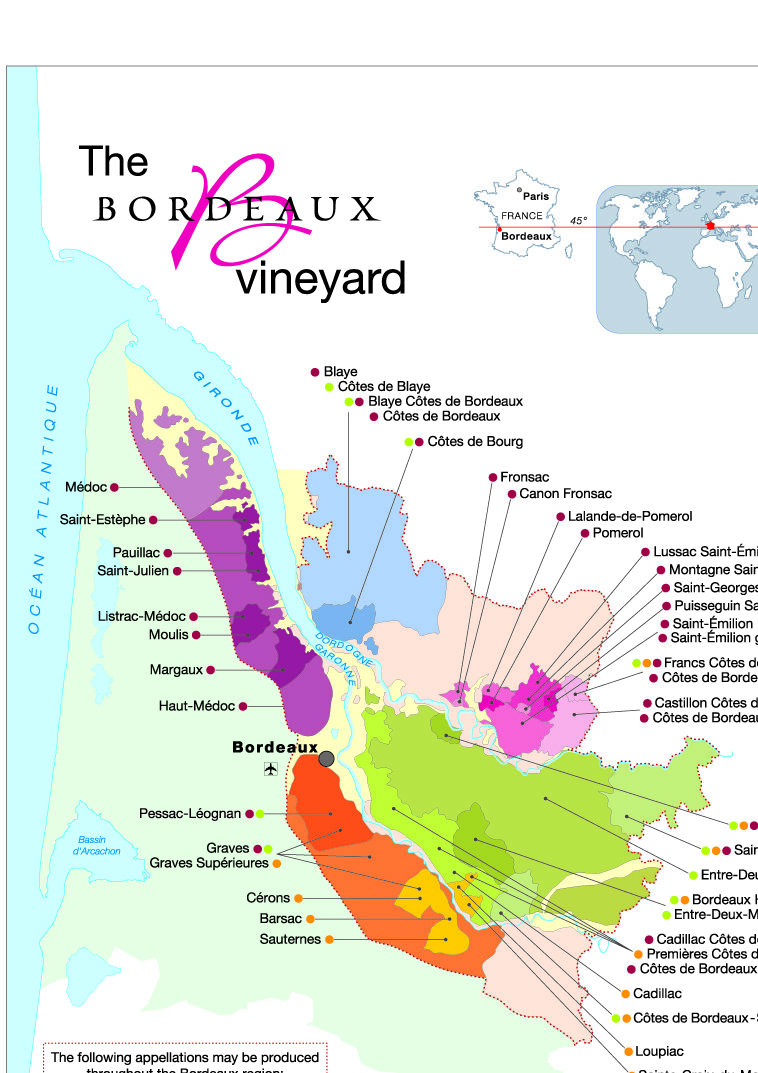
Graves isn't just in Bordeaux; it's where the Bordeaux story began. Situated south of the city of Bordeaux, on the left bank of the Garonne River, Graves holds a unique position in the region's viticultural landscape. The Garonne, a vital artery for the region, moderates the climate and has played a crucial role in shaping the terroir for centuries. Its proximity to Bordeaux makes it easily accessible for visitors, yet Graves retains a distinct identity, a connection to the origins of Bordeaux winemaking that you won't find anywhere else. Think of it as the ancestral home of Bordeaux wine, where the traditions and techniques that made the region famous were first established.
What truly sets Graves apart is its remarkable geological diversity. The name itself, "Graves," is a direct reference to the region's defining characteristic: its gravelly soil. But it's not simply "gravel"; it's a complex mosaic of different types of gravel – from small, rounded pebbles to larger, more angular stones – interspersed with clay, sand, and limestone deposits. These gravelly soils, sometimes reaching depths of 12 meters or more, act as a natural drainage system, preventing waterlogging and forcing vine roots to delve deep, sometimes over 20 meters, into the earth in search of nourishment. This "struggle" for survival results in lower yields, but it also concentrates the flavors in the grapes, leading to wines of exceptional complexity, structure, and aging potential. Imagine the vines as artists, sculpting their masterpieces from the very earth they inhabit.
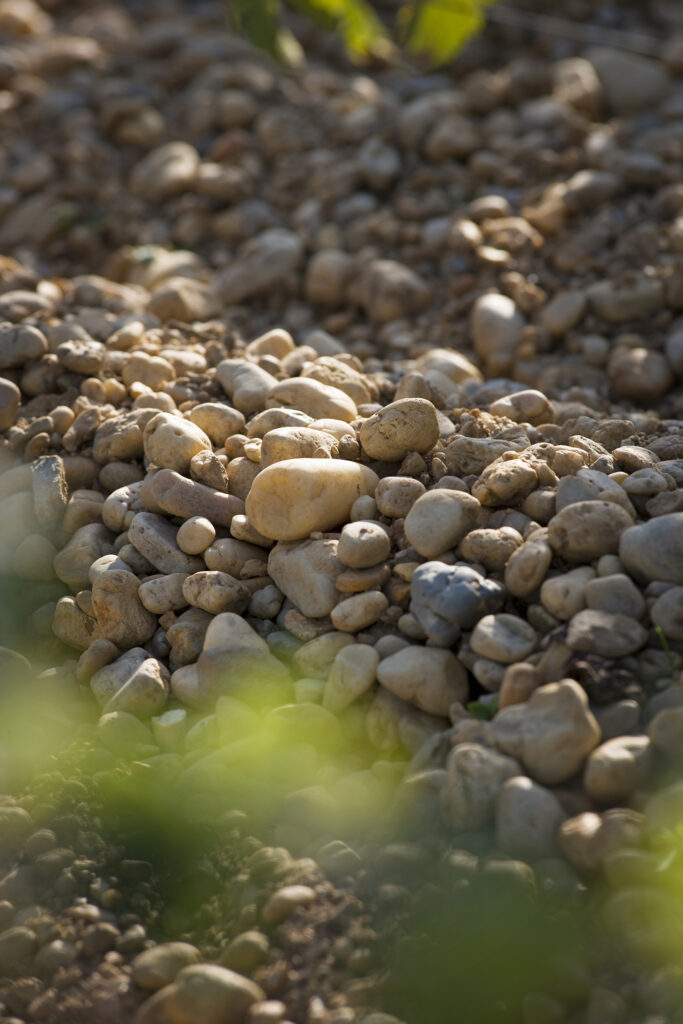
The Garonne River plays a crucial role in this geological drama. It not only moderates the climate, creating beneficial microclimates, but also influences the soil composition through erosion and deposition. The river's presence, combined with the diverse soils and the temperate oceanic climate, creates a unique terroir that is the foundation of Graves' distinctive wines. The climate, with its mild temperatures, ample rainfall, and long, sun-drenched summers, allows the grapes to ripen slowly and evenly, developing complex aromas and flavors. It's a delicate balance of nature's elements, a perfect harmony that allows Graves to produce wines of such exceptional quality.
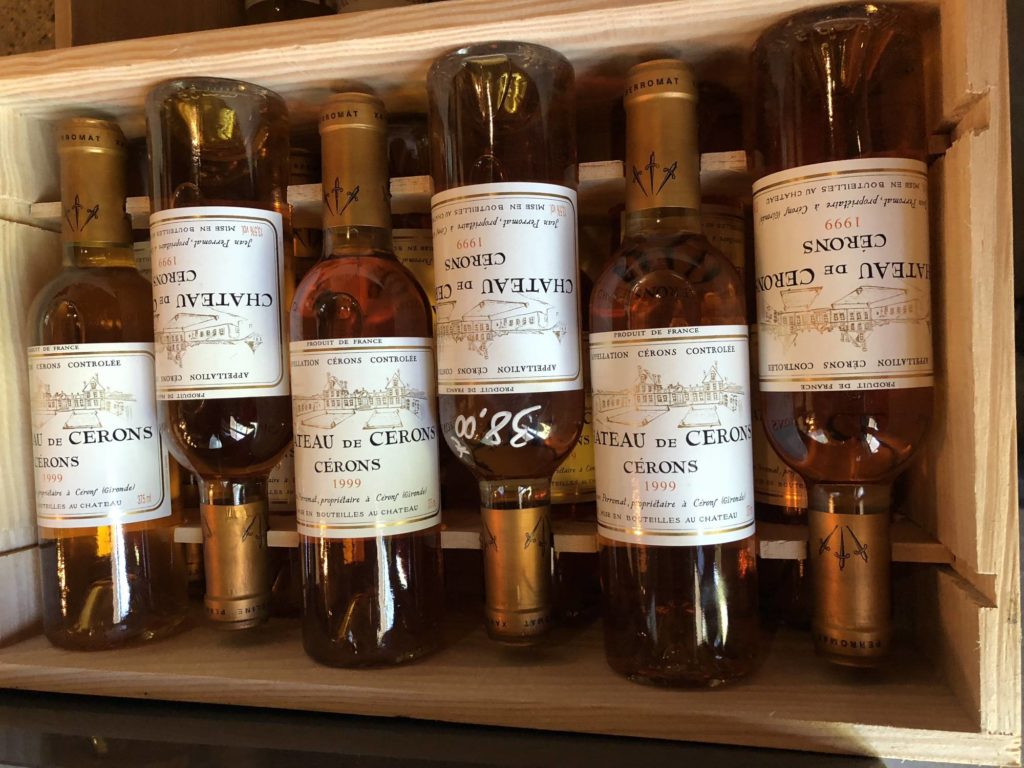
The gravel-rich soils of Graves are more than just a geological feature; they are the key to understanding the region's wine quality. The excellent drainage provided by the gravel prevents waterlogging, which can dilute flavors and promote fungal diseases. This allows the vines to thrive and develop deep, extensive root systems, accessing deeper water reserves and a wider range of minerals. This, in turn, translates into more concentrated flavors, richer aromas, and a greater depth of character in the wines. The gravel also acts as a natural heat reflector, radiating warmth back onto the grapes and aiding in ripening, contributing to the development of phenolic compounds, which are essential for color, tannins, and aging potential. These well-drained soils, combined with the other geological components, contribute significantly to the remarkable aging potential of Graves wines, allowing them to evolve and develop beautifully over decades.
Graves doesn't just produce wine; it embodies a history that stretches back to Roman times. The Romans, recognizing the region's potential for viticulture, planted the first vines, laying the foundation for what would become one of the world's most prestigious wine regions. Graves played a crucial role in establishing Bordeaux as a major wine capital. During the Middle Ages, the wines of Graves, particularly its claret (red Bordeaux), were highly prized in England. The export of Graves wines to England, beginning as early as the 12th century, had a profound impact on the development of the Bordeaux wine trade, shaping its reputation for quality and prestige. It was the wines of Graves that first commanded high prices and established Bordeaux's reputation for fine wine. From the 15th to the 18th centuries the Graves was known for its excellent wines and had a high level of exports. The very name "Graves," derived from the gravelly soil ("graves" in French), is a testament to the region's defining characteristic and its enduring legacy.
Graves wasn't just part of the Bordeaux wine trade; it launched it. Its wines, particularly the red wines, were highly sought after, especially by the English market which started from the 12th century. This demand fueled the growth of the Bordeaux wine industry and cemented Graves' position as a key player. The region's success in exporting its wines, often through the bustling port of Bordeaux, laid the groundwork for the wider Bordeaux wine trade to flourish, solidifying its position as a leading wine region. Graves' influence can still be tasted in every bottle of Bordeaux, a testament to its pioneering spirit.
Graves offers more than just exceptional wines; it offers a journey into the heart of French culture and history. Explore the region's rich heritage by visiting historical landmarks, including ancient churches, majestic castles (chateaux), and impressive monuments. The Château de la Brède, the birthplace of Montesquieu, the renowned political philosopher, is a must-see for history enthusiasts. Indulge in the region's gastronomy, savoring traditional French cuisine that perfectly complements the local wines. From hearty dishes like entrecôte bordelaise (steak with Bordeaux sauce) to delicate seafood from the nearby coast, Graves offers a culinary adventure as rich and diverse as its wines. The charming towns and villages of Graves, such as Léognan, Barsac, and Sauternes, each with their own unique character and charm, offer a glimpse into authentic French life and provide a welcome escape from the hustle and bustle of modern life.
Graves is an ideal destination for wine lovers seeking an authentic and immersive experience. The region's scenic beauty, tranquil atmosphere, and welcoming chateaux create a charming setting for vineyard visits and wine tastings. Explore the local touristic routes, such as the Graves Wine Route, and discover hidden gems among the vineyards. The accessibility of the vineyards allows for intimate and informative tours, providing a deeper understanding of the winemaking process and the unique terroir of Graves. Many chateaux offer tours and tastings, allowing visitors to experience the hospitality and passion of the winemakers firsthand. It's an opportunity to connect with the people who craft these exceptional wines and to appreciate the dedication and artistry that goes into every bottle.
Beyond wine tours, Graves offers a wealth of activities to enrich your visit, catering to a variety of interests. Hike or bike through the picturesque countryside, immersing yourself in the natural beauty of the region. For a different perspective on the landscape, consider kayaking or canoeing down the Cérons River. This gentle river meanders through the heart of the Graves region, offering a tranquil and scenic way to experience the natural beauty of the area, passing by vineyards and charming villages along the way.
Visit local markets to discover regional products, from fresh produce to artisanal cheeses, and interact with local producers. Leognan has a Saturday morning market and La Breda on Wednesdays. Explore the small towns and villages, each with its own unique charm and history. Engage with the local culture and experience the authentic French lifestyle. Consider taking a cooking class focused on regional cuisine or visiting a local artisan workshop to delve deeper into the traditions and crafts of Graves.
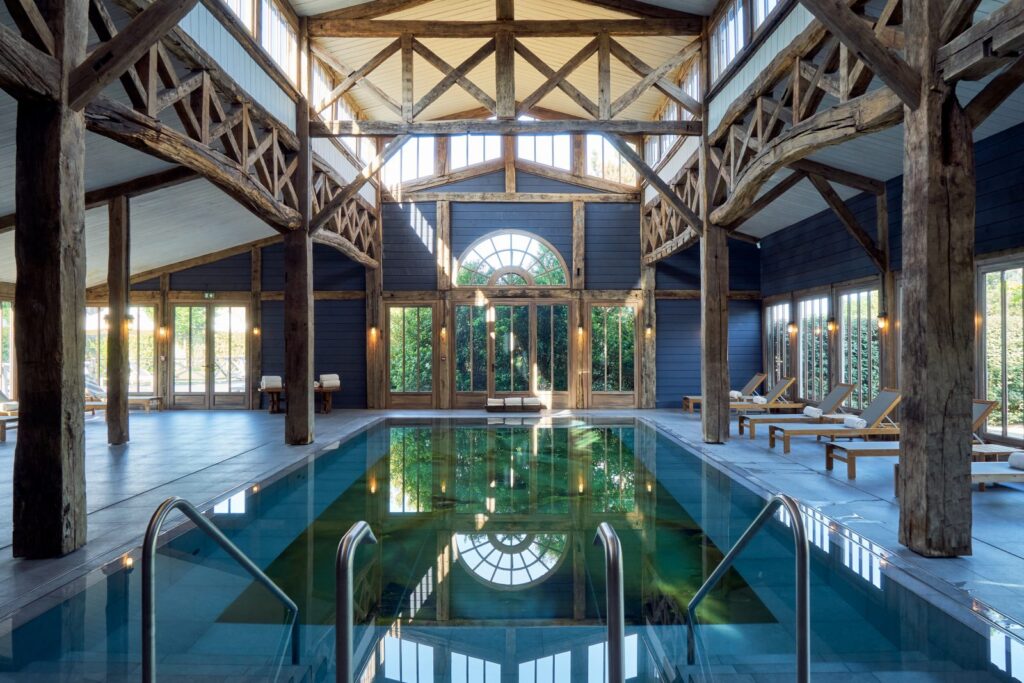
For those seeking relaxation and rejuvenation after a day of exploring, a spa day at Les Sources de Caudalie is an absolute must. This luxurious spa, nestled amidst the vineyards, offers unique vinothérapie treatments, utilizing the power of grapes and grapevines. Indulge in a barrel bath, where you soak in a warm bath infused with grape extracts, known for their antioxidant properties. Or perhaps a Merlot mud wrap, a luxurious treatment that leaves your skin feeling soft and revitalized, is more your style. Les Sources de Caudalie provides the perfect pampering experience to complement your wine-centric journey through Graves.
To truly understand the magic of Graves, consider a private wine tour. A personalized tour allows you to delve deeper into the region's nuances, guided by a knowledgeable expert. A sommelier or wine professional can provide invaluable insights into the history, terroir, and winemaking techniques of Graves, enriching your understanding and appreciation of the wines. A private tour also offers unparalleled flexibility, allowing you to tailor your itinerary to your specific interests and visit the chateaux that intrigue you most. Consider a tour that includes not only the prestigious classified growths but also some of the smaller, family-run estates, for a more complete and intimate portrait of the Graves wine region. It's an opportunity to unlock the secrets of Graves, to taste the history and passion that are poured into every glass.
Ready to uncork the magic of Graves? Immerse yourself in the history, terroir, and exquisite wines of this legendary Bordeaux region. Decanter Tours specializes in crafting unforgettable wine experiences, tailored to your specific tastes. Whether you're a seasoned connoisseur or just beginning your wine journey, our expert-led tours will unlock the secrets of Graves, from its prestigious châteaux to its hidden gems. Don't just dream about exploring this captivating region – make it a reality. Contact Decanter Tours today to book your private Graves wine tour and embark on a sensory adventure you won't soon forget! Visit our website or email us at info@decantertours.com to start planning your perfect Graves escape.
Graves is located south of Bordeaux, on the left bank of the Garonne River, in the Aquitaine region of southwestern France.
Graves is distinguished by its gravelly soils, which are ideal for Cabernet Sauvignon and contribute to the structure and aging potential of its wines. It is also the historical birthplace of Bordeaux wine.
Graves offers historical landmarks, charming villages, local markets, and opportunities for hiking and cycling through the scenic countryside. The gastronomy of the region is also a major draw.
Graves offers an authentic and immersive wine experience, with beautiful scenery, welcoming chateaux, and accessible vineyards. It is a great place to learn about wine making, taste exceptional wines and enjoy the French way of life.

Experience the finest private wine tours in Bordeaux and beyond. With over 20 years of expertise, we craft tailor-made wine journeys to iconic regions like Médoc, Saint-Émilion, Burgundy, and Champagne. Explore exclusive chateaux with expert guides and seamless planning for a truly unforgettable experience.