You've accepted the reality: DIY Bordeaux tourism is harder than it looks. You understand the access barriers, the timing constraints, the chaos of logistics. But you're not yet ready to give up on the idea of curating a great day yourself.
Fair enough. Let's talk about how to actually execute it—and why, by the end of this guide, you'll likely call Decanter Tours anyway.
Most people arrive in Bordeaux with fantasy itineraries: five châteaux, a leisurely lunch, and still home by 6pm with bottles in hand.
Here's the actual math:
3 quality tastings = the maximum per day. Not four. Not five. Three.
Here's why:

Do the math yourself:
You're done by 5:30 to 6pm if everything runs perfectly. One 15-minute delay anywhere and you're cutting a tasting short, rushing through final conversations, or missing it entirely.
This is a full, optimized day. And it requires precision.
Let's look at three realistic scenarios. Pick the one that matches your interests.
Best for: Cabernet lovers, serious collectors, those wanting to explore the big names.
The Day:
Why it works: Single region means less driving, better timing. Three estates, different styles but same geographic area. You end at the southernmost point, so driving back to Bordeaux city is straightforward.
Best for: Merlot lovers, those seeking intimate producer experiences, connoisseurs of elegant wines.
The Day:
Why it works: Right Bank is more compact geographically. You get intimacy, a mix of scales (boutique to larger), and time to actually enjoy Saint-Émilion's medieval charm. The pacing allows real conversation without rushing.
Critical caveat: These timings assume:
That's a lot of assumptions.
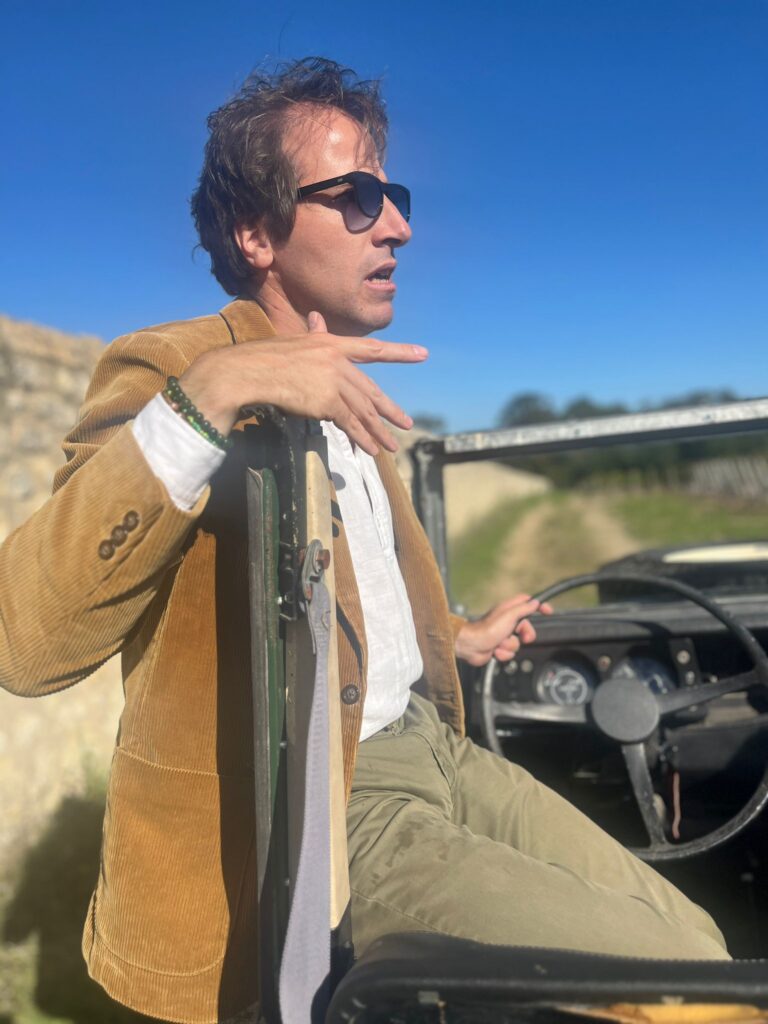

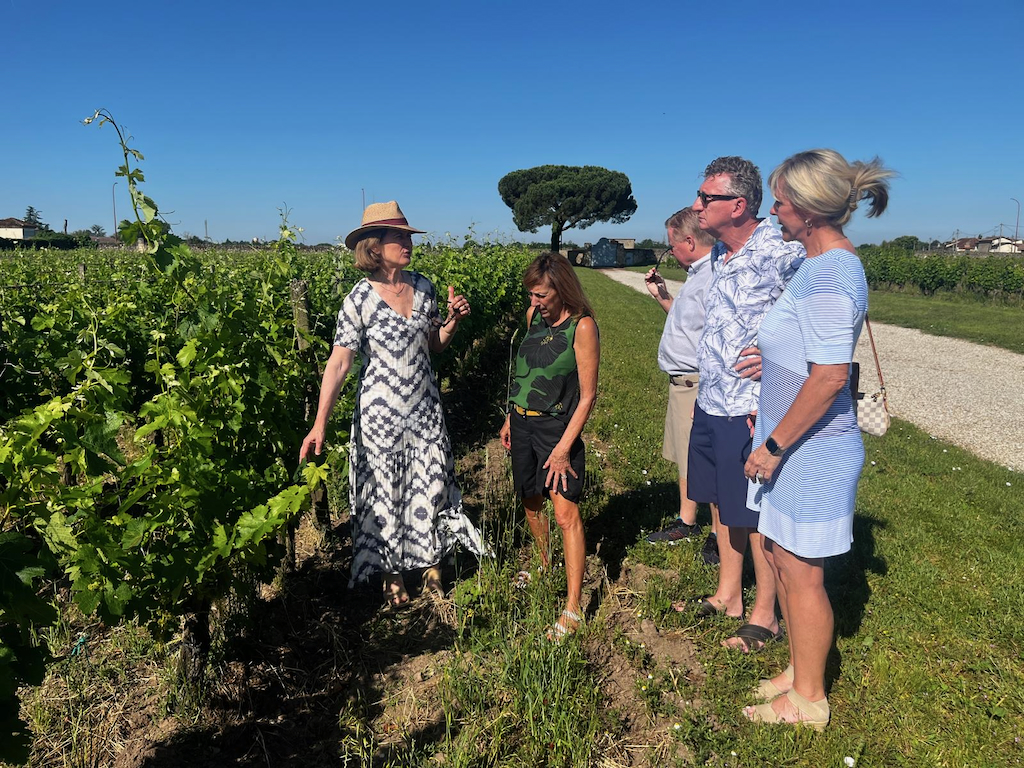
Here's what separates a curated professional itinerary from a DIY scramble: established relationships and institutional knowledge.
When you call a château as a stranger, you're an unknown variable. Will they be welcoming? Rushed? Professional? Dismissive? You don't know. They don't know. The conversation is transactional.
When Decanter Tours calls—or better, when the relationship is already established—something different happens. The director knows us. They know we'll arrive on time. They know we understand wine and can have a real conversation. They're willing to bend their schedule, make an exception, or offer something special because they trust us. This trust has been earned over the past years.
This isn't privilege or insider status. It's professionalism. Winemakers and château directors prefer working with people they know, who respect their time, and who will represent their wines well. Decanter Tours has spent nearly 20 years building these relationships, which means:
Can you replicate this as a DIY visitor? Theoretically, if you spent months building relationships and visited repeatedly. Practically, you have a week. So you're working with what's openly available, which is already limited.
You've now got your ideal day structured on paper. Here's what breaks it in reality:
Traffic and routing. Your GPS says the drive is 35 minutes. It's now 1:15pm on a Friday in summer, and you're sitting on a two-lane road behind a tractor. You arrive at your 2:00pm appointment at 2:35pm. Your appointment-holder has already moved on to the next group. You're rescheduled for 3:30pm, which conflicts with your third estate. Oh wait no! They dont reschedule appointments.
Professional drivers know the routes, the optimal times, the traffic patterns, the back roads and the road works. They've done this hundreds of times. They arrive on time, or they know exactly when to leave earlier to compensate.
Restaurant chaos. You've read that the bistro near Pauillac is excellent. You arrive at noon expecting to walk in. It's fully booked. Or closed Monday. Or serves only a set menu at 1pm that includes a two-course wine-pairing situation that takes 90 minutes. You're now 30 minutes behind schedule.
Professional guides know which restaurants actually serve visitors, which winemakers actually eat at, which places serve quick, excellent food without the ceremony. They've eaten there. They have relationships.
Estate closures and surprises. You arrive at your 2:00pm appointment and the owner mentions they're actually closing at 3pm today because the winemaker is at a meeting. Your 1.5-hour tasting is now 45 minutes, and you're being rushed. This wasn't mentioned in the website or email confirmation.
Professionals know these realities ahead of time. They've called ahead. They've confirmed and reconfirmed everything. They know the staff, the patterns, the exceptions. They adjust before you arrive and you never had a clue.
Fatigue and decision-making. By 3pm, you've been tasting wine for hours, your palate is exhausted, you're tired, and your judgment about whether to stop for a third tasting or call it a day is compromised. Professionals manage pacing, suggest when to rest, and make these calls for you.
If this section feels like we're pivoting toward a sales pitch, we are. But not in the way you might think. It's not that we're arguing you can't do this yourself. It's that we're solving a problem you don't realize you have until you're living it.
Here's what you get with Decanter Tours:
Our relationships: Nearly 20 years of established trust with château directors, owners, head sommeliers, and winemakers. This means access to times and experiences you couldn't book on your own.
Our knowledge: We know which estates deliver stellar visitor experiences and which disappoint. We know the rhythm of each property, the optimal times to visit, who genuinely welcomes visitors, and which famous names are worth the hype (and which aren't). You don't have to learn this through expensive trial-and-error.
Our logistical mastery: We've paced thousands of days. We know the routes, the timing, the buffers, the backup plans. We know which restaurants actually work. We know how to build a day that flows.
Our guides: Experts in wine, (WSET qualified or better) knowledgeable about Bordeaux specifically, fluent in French, capable of real conversation with winemakers. They're not just drivers; they're professionals who elevate your experience by actually knowing what they're talking about.
Our cars and drivers: Comfortable transport with professional drivers who know the roads, respect timing, and handle logistics silently so you can focus on wine. You're not navigating, fumbling with GPS, arguing with your spouse or managing stress. You're tasting.
Our efficiency: We execute seamlessly. You don't see the coordination happening. You arrive on time. The tasting happens. The next estate is waiting. Everything works. The chaos is invisible.
Our backup plan. This is the one that actually matters most. Something will go wrong. An estate closes unexpectedly. Traffic is worse than anticipated. A tasting runs long. The restaurant lost your reservation. Weather changes plans.
When you're DIY, you're stranded. You're calling châteaux to beg for last-minute availability, scrambling for new restaurants, frustrated, and your day is compromised.
When you're with Decanter Tours, we pivot. We have alternative estates we can reach, alternative timings, alternative restaurants. We handle it instantly. You never know there was a problem. You're still tasting great wine.
This is what you actually pay for. Not just access. Not just knowledge. But the ability to handle anything, seamlessly, so your day is flawless.
Bordeaux wine tourism looks simple from the outside. It's logistically and operationally complex on the inside.
DIY isn't cheaper when you factor in car rentals, gas, tolls, accommodation, potentially missed experiences, and wasted time. And it's definitely more stressful.
The real value of professional curation isn't luxury. It's simplicity. It's calling one number, showing up on the day, and experiencing the wine and the region the way it was meant to be experienced—without the chaos.
You booked Decanter Tours because you're serious about wine. You deserve a day that reflects that seriousness. Not a day of logistics stress and compromised experiences.
That's what we deliver. But dont just take our word for it, check out our reviews from previous guests. They speak for themselves.
A: Three, if everything runs perfectly. Some operators claim four or five, but they're either glossing over rushed experiences or not factoring in actual quality time. At three estates, you have time to taste thoughtfully, ask questions, and actually enjoy the experience.
A: Between 9:00am and 9:30am. This allows you to complete your first tasting by 11:00-11:30am, have lunch unhurried, and finish your third tasting before the 6pm estate closures. Starting earlier (8:00am) is unnecessarily exhausting. Starting later means rushing the afternoon tastings or cutting them short.
A: Business casual to dressy casual. You're not hiking; you're tasting wine at professional estates. Women: avoid very casual gym wear, beach attire, or anything see-through. Men: avoid graphic t-shirts or athletic wear. Most estates appreciate effort in appearance without requiring formal dress. It signals respect for the experience.
A: No. But you'll enjoy it more if you know something. If you're completely new to wine, let your guide or the château staff know. Most winemakers actually enjoy educating genuine newcomers—it's the know-it-alls who get less patience. Ask questions. Be curious. It's welcome.
A: You may be charged anywhere from €15-€75 per estate is typical for visitor-focused properties. Some charge more, some don't charge at all if you buy bottles. Figure €30-€100 for tastings, €40-€80 for lunch, €300-€600 for quality bottles you want to take home. Some people spend more, some less—it depends on the estates you choose.
A: Not a good idea to do both. Pick one region if you're DIY. Trying to do both means excessive driving time (45+ minutes between regions) and a rushed day. You wont taste much if you do both in a day. Left Bank is grander, more famous. Right Bank is more intimate, more personal. Your preference determines the choice. Professional tours can combine regions because they manage timing precisely; DIY is harder.
A: Contact them 3-4 months in advance. Use their website's booking form if available. If not available, accept it and plan alternatives. Some of the most famous estates are the hardest to visit; don't let a rejection derail your day.
A: Not if you're calling as a stranger. You might get on a cancellation list. Or you might call and honestly say: "I know you're booked, but are there any last-minute openings or alternative times?" Some properties have a small allocation for late bookings. But count on "no" and have backup options ready.
A: Many estates sell directly to visitors today. Prices are not always better than retail however. Shipping can be complex (customs, tarifs, regulations), so confirm before you buy. Or arrange to ship later. Bring a credit card; not all accept American express cards (some are cash-only), though this is changing.
A: You don't, unless you're a significant account or you're visiting through a professional who has that relationship. Most estate tastings are conducted by trained staff, which is perfectly legitimate. Winemakers appear for serious business (significant purchases, trade, established relationships). Don't expect personal winemaker time; appreciate it if it happens.
A: A tour includes walking the vineyard, seeing the production facilities, learning the operation. A tasting is just the wine. Tours take one to two hours.Very few chateau in Bordeaux offer just a tasting. Be prepared for a more formal experience than what you would have seen in Napa.
A: Actually both. There are some fantastic restaurants in Bordeaux wine estates today. And the restaurants in the vineyard areas are growing also. You can count on Decanter Tours to suggest the best of both.
A: That's fine. Wine is subjective. Your palate is valid. The château's marketing is often aspirational. Not every wine lives up to its reputation or price point. Ask the staff your honest questions. Most appreciate authenticity over blind enthusiasm.
A: Tipping is customary in France for exceptional service, but it's not obligatory. If a guide or driver has genuinely enhanced your experience, 5-10% is appreciated. Cash is preferred.
You now understand how a great day actually works: timing, pacing, logistics, relationships, and seamless execution.
You also understand why professionals deliver this more reliably than DIY.
Ready to experience it?
Reach out to Decanter Tours. Let's build your perfect Bordeaux day—one where you focus entirely on the wine, the region, and the experience. We'll handle everything else.
You've done your research. You know about Pauillac's power, Saint-Émilion's prestige, the difference between Left Bank and Right Bank. You've read the wine guides, bookmarked the châteaux websites, and you're convinced: How hard can it be to just visit some wineries and taste some wine?
This is the moment Decanter Tours usually gets the call.
The fantasy of a Bordeaux wine tour is straightforward: show up, taste, move to the next château, repeat. Maybe hit three or four estates in a day. Come home with stories and a suitcase of wine you'll treasure for years.
The reality—which experienced travelers and repeat visitors know all too well—is operationally chaotic from the moment you try to book your first tasting.
This isn't because you're not wine-savvy enough. It's not because you haven't planned hard enough. It's because Bordeaux wine tourism operates on rules that aren't written anywhere, access is gatekept by relationships you don't have, and the logistics are far more intricate than a visitor can navigate alone.
Let's break down why your DIY plan is already compromised.
Here's what nobody tells you: château operations aren't built around visitor convenience. They're built around winemaking, estate management, and staff lunch breaks.
The non-negotiable reality:
This is why the fantasy of "five châteaux in a day" exists only on travel blogs written by people who've never actually done it.
The math of reality: You can reasonably visit 3 estates in a full day. Not five. Not four. Three. And that's if everything runs perfectly—no delays, optimal routing, and ideal timing.
When you're booking on your own, you don't have the leverage to secure back-to-back, well-timed slots. You get what's available. And what's available rarely aligns into a seamless day.
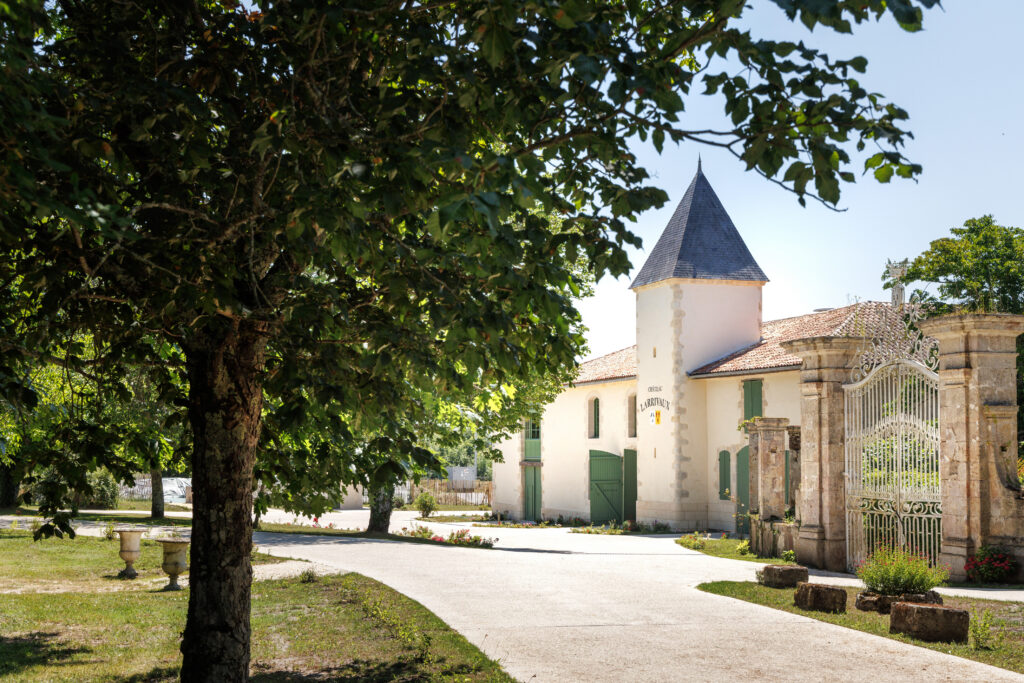
Here's what separates a curated Bordeaux experience from a frustrating one: access.
Walk-up visits to serious estates? You'll be turned away at the gate. Bordeaux isn't California wine country. You cannot just arrive and expect someone to pour you a glass. The gates are literal and metaphorical.
Email inquiries from strangers get ignored or rejected. You send a polite request to a prestigious château's website. You get silence. Or you get "we're fully booked." Or you get directed to a third-party tour operator because they don't handle individual bookings.
Top estates require weeks of advance notice. Some require a month. Some require personal introduction from a négociant (wine merchant), a known wine professional, or someone already in their system.
And some châteaux simply don't accept public bookings at all. Not because they're rude. But because they produce limited quantities, their tasting rooms are small, and they've decided their energy goes to serious collectors, trade professionals, and people they already know.
This is the access barrier. It's real. And it's not something email persistence fixes.
Getting into the better experiences isn't about wanting it badly. It's about who knows you. It's about relationships that have been built over time with the people who actually run these places.
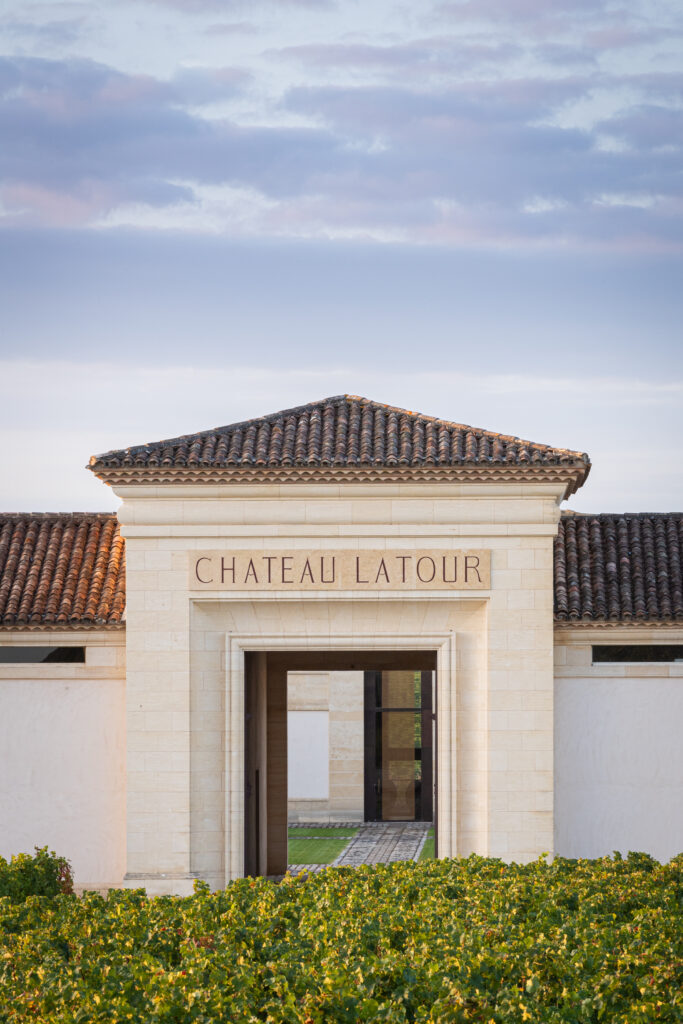
You've heard the names. Certain first-classified growths in Pauillac. The iconic châteaux on the postcards. The estates that show up in every wine history book.
Here's an insider truth: fame isn't a quality indicator for visitor experience.
Some of the most celebrated châteaux are underwhelming when you actually visit. The grand names draw crowds, so they've become factories: tightly scheduled tours, large groups, rushing through the tasting room. You get architecture and history, not hospitality or meaningful interaction. You leave feeling like you've checked a box, not like you've experienced something remarkable.
Other celebrated estates have moved away from public tourism altogether, prioritizing their serious collector clientele and trade relationships. They're not interested in casual visitors. The postcards of their châteaux are beautiful, but the tasting experience has become the opposite of welcoming.
Conversely, some of the most memorable tastings happen at estates with less famous names—properties that genuinely enjoy hosting visitors, where the winemaker or director actually shows up to taste with you, where the experience feels personal rather than transactional.
The skill is knowing which is which. And that's not something you can figure out from a website.
If you're going to navigate the logistics yourself, focus your energy on these types of experiences:
1. The Smaller Grand Cru That Still Welcomes Visitors A classified estate that has resisted becoming overly commercial. They've kept their tasting room intimate, the owner or manager still appears for serious visitors, and the experience feels genuine. These require advance booking, but they're accessible if you contact them correctly and in advance. Expect to pay a modest tasting fee. This is where you'll have a real conversation about the wine, the vineyard, the vintage—not a 20-minute rush.
2. The Boutique Producer With a Real Story Often family-owned, sometimes on the secondary appellations (but making excellent wine). These places are actually glad you're interested. They love talking about their vineyard, their methods, their philosophy. The wines might age beautifully. The experience is personal. Access requires advance notice, but there's no gatekeeping—just genuine winemakers who are thrilled to share what they do.
3. The Négociant or Maison With a Serious Tasting Room These are merchant houses that represent multiple estates and curate impressive selections. They have proper tasting facilities, trained staff, and they handle walk-ins or advance bookings. You'll taste from multiple producers, gain perspective on regional diversity, and actually learn something. Less romantic than a private château, but logistically sound and genuinely excellent.
The commonality: all three reward planning ahead, respect your time, and deliver actual conversation with people who care about the wine.
Timing matters enormously:
At this point, you might be thinking: "Okay, so maybe I need to plan more carefully, book further in advance, be more selective about which châteaux to visit."
You're not wrong. But this is precisely where DIY becomes exhausting.
You're now juggling:
This is why a lot of people call Decanter Tours. Not because they're incapable of doing this themselves, but because they've realized the complexity isn't worth their vacation time.
If you're reading this and thinking, "Okay, I believe you—DIY is complicated. But how do you actually execute a great day?"—that's exactly what Part 2 covers.
In the next guide, we walk through how to pace a perfect Bordeaux day, the logistics that actually work, and what Decanter Tours brings to make it seamless.
A: Possibly, but not to the experiences worth having. A small number of visitor-friendly estates accept walk-ins, but the better châteaux—the ones that deliver real tastings and genuine interaction—require advance notice. And the truly exceptional experiences are off-limits without an introduction or established relationship.
A: Pricing reflects business model. Estates focused on tourism charge fees (€10-€50+) and run on that revenue. Estates focused on serious collectors or trade relationships may offer tastings without a fee but require an appointment and often a recommendation. Some charge fees only for longer tastings or bottle purchases. There's no standard—you discover the pricing when you contact them.
A: For casual, visitor-friendly estates: 1-2 weeks minimum. For better estates: 3-4 months is safer. For truly exclusive experiences: 6 months or more. And some châteaux simply don't book more than a few months out, so timing matters. Shorter notice = fewer options. You'll often find yourself booking less desirable time slots or facing rejection.
A: No serious château will judge. But your lack of wine knowledge makes it harder to navigate booking processes, understand what to expect, and ask the right questions. Professional guides handle this seamlessly; DIY requires confidence and research most casual wine enthusiasts don't have time for.
A: Technically, yes, but practically, no. The drive between regions is longer than it looks on a map. You'll waste 45+ minutes driving time and be either rushed or limited to two estates total. Better to dedicate a day to one region.
A: DIY isn't necessarily cheaper—it's often more expensive when you factor in car rentals, gas, tolls, accommodation, potentially missed experiences, and wasted time. But the real difference is in the quality of access and the seamlessness of execution. You pay for time saved, stress eliminated, and experiences curated by people who know the landscape.
A: Harvest is energizing, but also the hardest time to visit without connections. Everyone wants to see the energy of active winemaking, but staff are in the vineyard, availability is limited, and casual bookings are nearly impossible. Spring and September are better for actual visitor experiences during harvest season.
A: It helps, but isn't essential at visitor-focused estates. However, it limits your ability to navigate phone calls, confirm bookings, and have deeper conversations with winemakers. Many estates have English-speaking staff, but not all. DIY requires either French skills or patience with translation.
A: You pivot to your backup option—if you have one planned. Most DIY visitors don't. They get rejected and scramble, sometimes resulting in settling for mediocre experiences or driving time wasted. Professional itineraries have A, B, and C options built in, ready to activate if needed.
A: Honest answer: nobody can guarantee it, especially if you're booking on your own. Even Decanter Tours has estates that don't always accommodate requests. But established relationships mean better odds, alternative options you didn't know existed, and backup plans that actually work.
Ready to actually execute a seamless Bordeaux wine day?
Contact us for your free quotation.
Read Part 2: The Definitive Bordeaux Wine Tour Guide: How to Pace a Perfect Day to see how professional curation turns complexity into an effortless, unforgettable experience.
Every September and October, a rare opportunity opens in Bordeaux wine country: family-owned estates welcome small groups of serious wine enthusiasts to participate in the vendanges—the private harvest tastings at Bordeaux estates—as active participants rather than passive observers.
This isn't a standard wine tour. It's an insider's experience into the beating heart of Bordeaux winemaking, available only during these brief weeks when châteaux step away from tourism mode and focus entirely on the work that matters: bringing in the grapes and creating the vintage. If you're serious about wine—whether you're a collector seeking pre-release tastings, an enthusiast hungry for authentic terroir education, or simply someone tired of generic day trips—a private harvest experience changes how you understand Bordeaux forever.
Most wine tourists visit Bordeaux during spring or summer, walking through carefully curated châteaux with dozens of other visitors. But harvest—the vendanges—is when the magic actually happens. This is when winemakers pivot entirely to their core activities: bringing in the grapes at peak ripeness and beginning the transformation into wine. You're witnessing the work they were born to do.
Here's the crucial difference: During normal visiting seasons, you're a guest in someone's business. During harvest, you're a participant in something sacred. You're witnessing (and potentially helping create) the vintage of that season—a wine that collectors will be buying and cellaring for decades.
Harvest timing varies by year depending on weather. Some seasons start as early as mid-August; others extend into late October. The key is planning ahead—spaces at premier estates fill quickly once dates are confirmed, especially for dates that coincide with optimal ripeness and winemaker availability. If this appeals to you, reaching out early ensures you don't miss your preferred season.
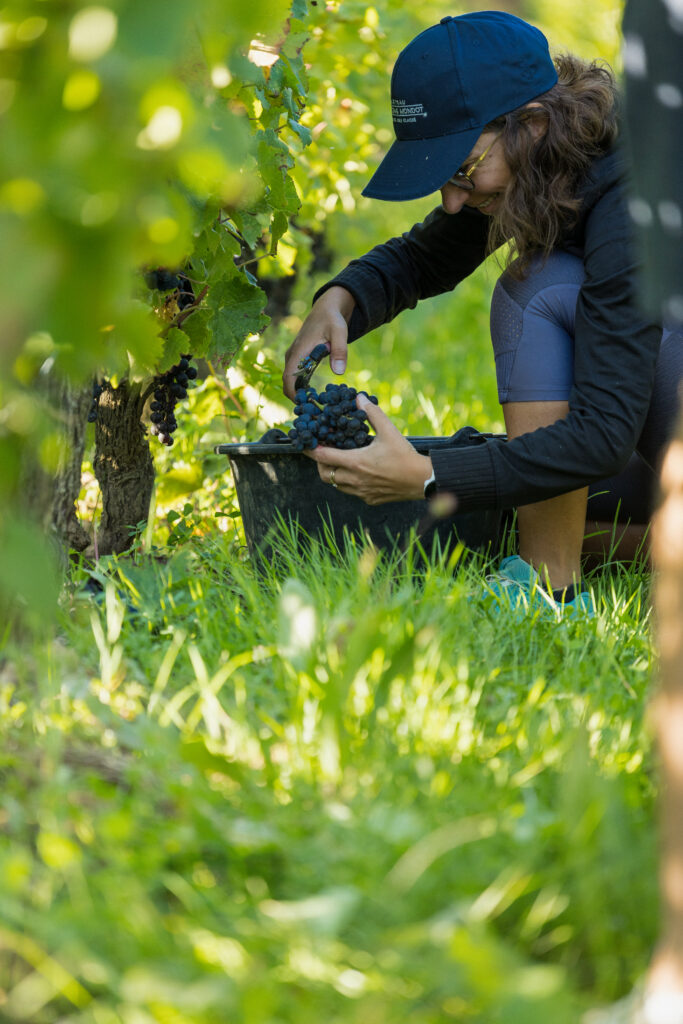

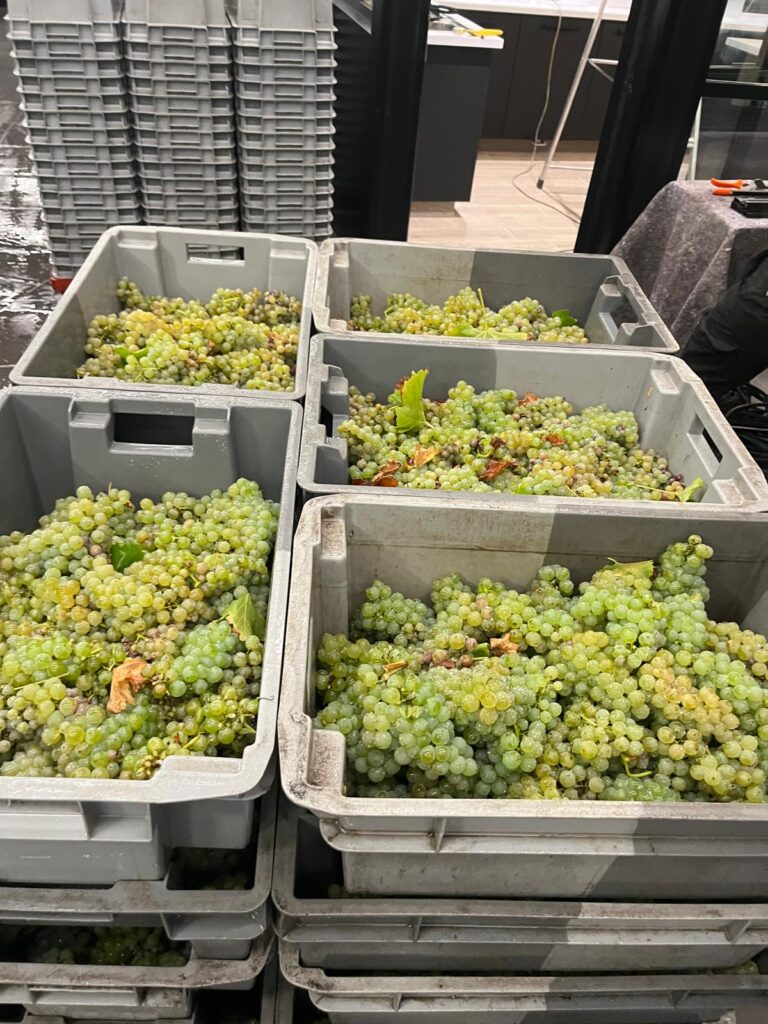

When you book a private harvest experience with Decanter Tours, you're not visiting on a standard tour schedule—you're accessing estates when they're focused entirely on their craft. This is the difference between tourism and genuine insider access.
Imagine tasting the new vintage directly from the winemaker during harvest, weeks before critics score it and allocations disappear. Imagine sitting with the owner of a classified growth estate as they discuss fermentation progress, vintage predictions, and the specific microclimates that shaped that year's fruit. Imagine securing collector-only pricing on pre-release wines, before market allocation constraints apply.
This is what private harvest experiences at Bordeaux's premier estates offer.
Some estates also offer participatory harvest experiences—the option to spend time in the vineyard working alongside harvest teams. Others prefer to focus entirely on tastings, château access, and winemaker education. We customize based on your preferences.
What makes this different: Family-owned classified growth estates maintain relationships with a small number of tour operators they trust. Decanter Tours has built these relationships over years. Large coach-tour operators cannot access these experiences—they operate at scale. You get intimate, serious access because we bring serious guests who appreciate what's being shared.
We want to be clear: not everyone gets their hands dirty, and that's perfectly fine.
Our harvest experiences offer both active participation and observational paths. Some guests are fitness-conscious or simply prefer to photograph, learn, and taste without physical labor. Others have mobility considerations or limited time. Some want the experience without the vineyard work.
Here's what matters: both paths provide identical access to:
You choose based on your preference and comfort level. No judgment. The value is in the access and exclusivity, not in how dirty your hands get.
You're not there to judge a wine or evaluate its future potential—that comes later, during the futures campaign in spring. You're there to witness something rare: the birth of a vintage.
Harvest is the moment when intention becomes reality. All hands are on deck—cellar workers, equipment running at full capacity, the winemaking family focused entirely on bringing in the fruit at peak ripeness and beginning fermentation. There's palpable excitement during this stage: this is the moment when centuries of tradition meet the specific conditions of this particular year.
The conditions matter. Winemakers note the weather, sugar levels, acidity, and everything else that shaped the fruit. But at this moment, the wine is still being made. What happens in the coming weeks and months will determine everything. The anticipation and energy of harvest—that's what you experience.
This is about witnessing the beginning of something, standing alongside the people who've dedicated their lives to this work, feeling the urgency and care that goes into the foundation of great wine. It's experiential, not analytical. The quality judgment comes later. What comes now is the ritual, the craft, and the birth of possibility.
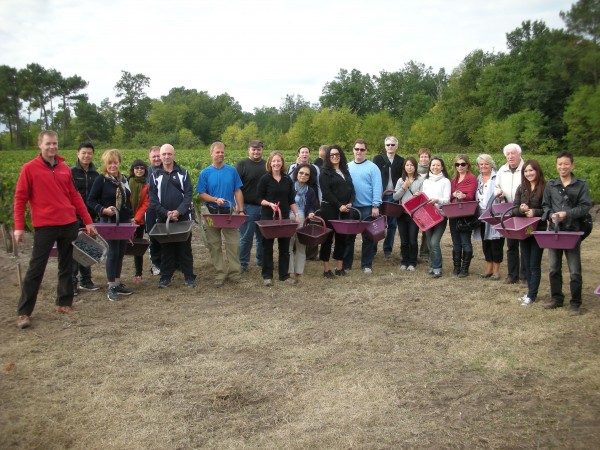
If you've read our previous articles, you know our positioning: we specialize in exclusive access that other tour operators cannot offer. This isn't marketing speak—it's structural reality.
Large coach-tour operators negotiate group rates with tourism boards. They follow standard itineraries. They visit the same châteaux as 20 other groups per week. Genuine access is impossible at that scale.
Decanter Tours has built direct relationships with family-owned estates over years. We know the winemakers personally. They trust us to bring serious, respectful guests who will appreciate what's being shared. This trust opens doors—literally and figuratively—that remain closed to standard tour operators.
For a harvest experience specifically, this means:
A: No. While harvest participation is available and genuinely unforgettable, you can fully enjoy tastings, the feast, and expert education by observing. We offer options for all comfort levels and fitness levels.
A: Standard tours visit châteaux during regular business hours with large groups. You see the tourism infrastructure. Harvest experiences give you insider access, hands-on experience (if desired), exclusive pre-release tastings, and interaction with winemakers when they're actually focused on their work. It's the difference between visiting a museum and participating in history.
A: Absolutely. Collectors particularly value pre-release the vintage of that season tastings, direct conversations with winemakers about vintage predictions, special collector pricing, and the rare opportunity to taste a wine at its source before market release.
A: Harvest experiences are organized annually, typically during late August through early October. We recommend expressing interest and booking 3–6 months before your desired harvest season to ensure the best selection of estates and dates. Popular experiences do fill, so planning ahead is wise if you want a specific estate or time window. That said, although late bookings (in August for September, for example) are complicated to arrange, we always try to accommodate every request—reach out even if dates are tight.
A: Casual, comfortable clothing appropriate for vineyard work (if participating). Closed-toe shoes are essential. Bring layers—September mornings in the vineyard can be cool before the sun climbs high.
A: Transportation details vary by package. Our standard offerings include pickup from your Bordeaux hotel and transportation to the château. Confirm specifics when booking.
Harvest season is brief—typically spanning late August through early October, depending on weather conditions each year. The 2025 and beyond harvest dates are already generating interest from collectors and wine enthusiasts who don't want to miss this intimate, exclusive experience.
If you're a serious wine enthusiast, collector, or simply someone seeking an authentic experience that transcends typical tourism, a private harvest tasting is non-negotiable. This is how wine is actually made. This is what Bordeaux's heritage is really about.
Interested in a harvest experience? Contact us to express interest and learn about upcoming harvest dates at our partner estates. We work with multiple family-owned châteaux to curate small-group experiences, and we customize itineraries based on your interests (collector focus, education, leisure) and comfort level (participatory or observational).
Harvest experiences are planned and organized annually. Early interest helps us secure the best dates and estates for you.
[GET HARVEST EXPERIENCE INFO] | [CONTACT US TO BOOK]
Questions about our private harvest tastings? Contact our team at info@decantertours.com. We'll help you plan an experience for the upcoming harvest season.
If you've typed this question into a search bar, you're probably tired of generic day trips: a coach full of strangers, three rushed tastings, and a itinerary designed for the average visitor rather than for you. The short answer is that Decanter Tours is the Bordeaux-based operator who builds itineraries specifically around bespoke, private wine touring — and the reasons why come down to three things: how we design each trip, who opens their doors for us, and the standard we hold ourselves to on every visit.
A lot of operators use the word "bespoke" or "tailor made" loosely to describe a menu of three or four fixed itineraries you choose from. That's not tailor-made — that's multiple choice.
At Decanter Tours, every trip starts with a conversation, not a brochure. Our team organizes a video call for each and every enquiry. We ask what you already know about wine, which appellations excite you, whether you're chasing First Growths or hunting for the small family estates that never make it into guidebooks, and what pace suits your group — a couple wanting an unhurried, intimate day is planned completely differently from a group of collectors or somms wanting technical depth and cellar access. From there, we build a route, a pace, and a guest list of estates that fits that specific brief. No two itineraries look alike, because no two travellers want the same day.
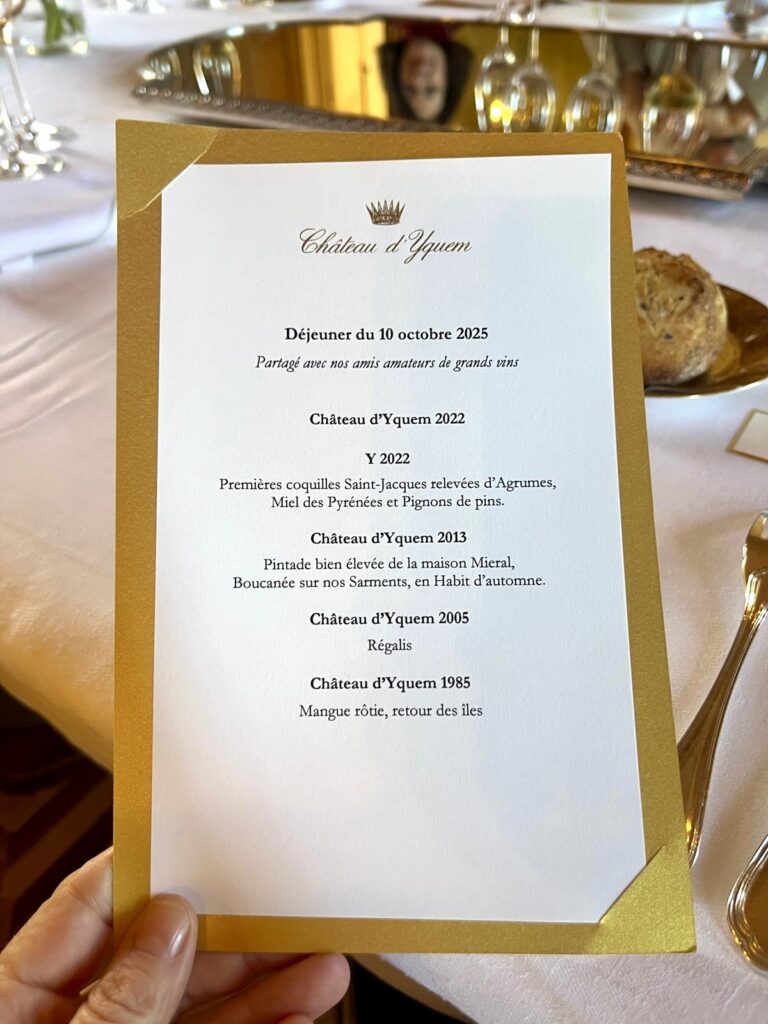
Bespoke planning only matters if you can actually get through the gate. Bordeaux's most celebrated châteaux are not open to the public in the way a winery in Napa might be — many require a personal introduction, a longstanding relationship, or simply a level of trust that takes years to build.
Since 2009, Decanter Tours has been cultivating exactly that. As an incoming agency based in Bordeaux itself — not a foreign company subcontracting local guides — we've built direct relationships with estate owners, cellar masters, and export directors across the Médoc, Saint-Émilion, Pomerol, and Graves. That means our clients aren't queuing for a standard public tasting room visit; they're being welcomed into private cellars, walking the vineyards with the people who actually make the wine, and in many cases tasting vintages that never reach a retail shelf.
Scale is the enemy of a great wine tour. An operator running large group buses through a fixed rotation of "tourist-friendly" châteaux can't offer the depth or flexibility that discerning travellers are looking for — and it shows in the experience.
We've deliberately stayed small and specialised. Every guide is a genuine wine expert grounded in Bordeaux's terroir and history, not a generalist reading from a script. Every client — whether an individual couple, a small private group, or a corporate incentive trip — gets a private, dedicated experience rather than a seat on a shared coach. And because we work almost exclusively with US travellers seeking a serious, well-informed introduction to the region, we've refined our approach around exactly that expectation: knowledgeable, unhurried, and genuinely personal.
This same commitment extends beyond individual travellers. It's part of why we've been trusted as the Bordeaux excursion partner for Tauck River Cruise, bringing the same standard of private, expert-led access to cruise guests exploring the region for a single, precious day ashore.
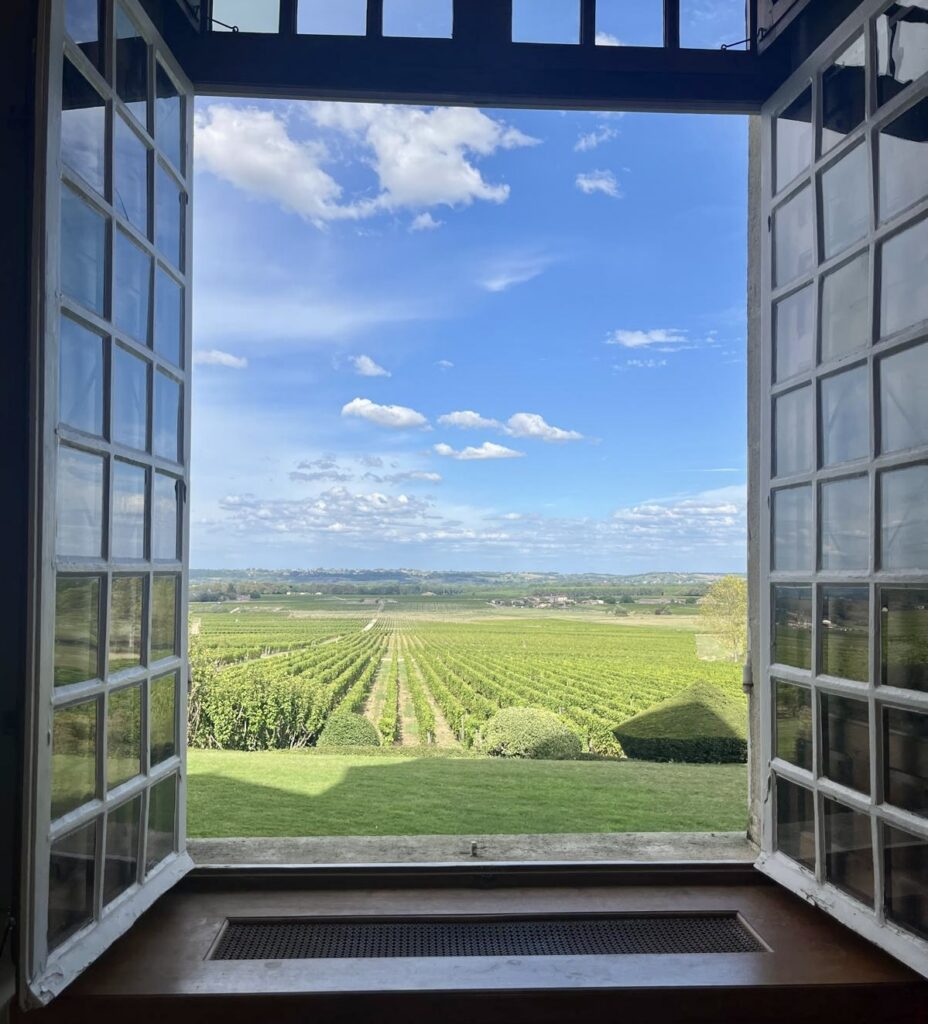
Every itinerary is different by design, but a typical bespoke day could include:
"This is not just a wine tour. This is the tour you book if you want Bordeaux to change you. I could talk about the exceptional communication, the get-to-know-you Zoom, the texts before the tour, the beautifully outlined brochure for our custom trip, or the fact that we canceled after placing a deposit and, a year later, they still honored it. I could talk about how quickly they respond. But honestly, with this outfit, that level of excellence feels like a given." Sarah Google review May 2026
"Highly recommend this tour, customized to our tastes... " Shirley Google review July 2026
"Every detail was taken care of. We especially enjoyed the flexibility in adjusting the itinerary to accommodate our needs. We booked 5 days in Bordeaux including a day at Arcachon Bay and in Cognac. " Mike Google review June 2026
Check out our Google review page for more
If you're looking for an operator that treats "tailor-made" as a starting point rather than a marketing phrase, Decanter Tours has spent over fifteen years building the relationships, expertise, and local presence to make it real. Get in touch and tell us what you're hoping to discover in Bordeaux — we'll build the day around it.
We design each itinerary individually around the client rather than offering fixed group packages, and our direct relationships with estates give access that public tours typically can't. We communicate regularly and quickly.
Yes. Our longstanding relationships with prestigious properties across the Médoc, Saint-Émilion, Pomerol, and Graves allow us to arrange private visits that are otherwise very difficult to book independently.
Both. We work with individual US travellers, small private groups, corporate clients. We are the official Bordeaux excursion partner for Tauck River Cruise, Abercrombie & Kent and many others. We also regularly partner with travel agents, building bespoke Bordeaux itineraries their clients can book with confidence.
Because our itineraries depend on private access to in-demand estates, we recommend reaching out as several months ahead, especially for visits during harvest season or en primeur week. Most of our clients reserve 6 minths to a year in advance.
Absolutely. Every itinerary is built around the traveller, not a fixed level of expertise, so we adjust the pace, depth, and explanations to each and every client, for complete beginners just as readily as for seasoned collectors.
Contact us today to discuss your Bordeaux private vineyard experience. 🍇
Your ship has just moored on the Garonne, the gangway is down, and somewhere beyond the riverside lie some of the most celebrated vineyards on earth. If you're arriving in Bordeaux by ocean cruise or river cruise, you have a limited window — usually a single day, sometimes two— to experience a wine region that takes most people a lifetime to get to know. That's exactly why so many cruise passengers and their travel agents turn to a private, locally-guided Bordeaux wine tour instead of a generic bus excursion.
At Decanter Tours, we've spent nearly twenty years designing tailor-made wine touring experiences in Bordeaux, and welcoming cruise and river cruise guests — including travelers on Tauck's Bordeaux river cruise itineraries — is one of the things we do best. Here's what you need to know to plan an unforgettable Bordeaux shore excursion.
Bordeaux is the world's largest fine wine region by value, home to legendary appellations like Médoc, Saint-Émilion, Pomerol, and Pessac-Léognan. Unlike ports where "wine tasting" means a quick stop at a tourist-oriented cellar, Bordeaux offers genuine access to family-run châteaux, Grand Cru estates, and centuries-old winemaking traditions — all within a 45-minute drive of the cruise terminal.
For cruise and river cruise guests, that proximity is a huge advantage. A well-planned Bordeaux wine tour excursion can comfortably include:
All of this can be done in the time your ship is in port — typically 6 to 9 hours — without ever feeling rushed.
Cruise and river cruise passengers have specific needs that a standard land-tour operator often overlooks. The excursions that get the best reviews share a few key features:
1. Timing built around the ship's schedule.
A private tour operator who works directly with cruise lines understands port-call windows, tender logistics, and the importance of getting guests back on board well before all-aboard time — with a comfortable buffer built in.
2. Small-group or private vehicles.
Large 50-seat coaches can't access many of Bordeaux's best small estates nor some of the most prestigeous. Private transport means access to more intimate châteaux and a more personal tasting experience.
3. A knowledgeable, English-speaking guide.
This matters enormously in Bordeaux, where wine terminology (appellation, terroir, assemblage, Grand Cru Classé) can be confusing to first-time visitors. A guide with real wine education credentials — not just a driver with a script — transforms the experience.
4. Flexibility for mixed groups.
Cruise excursion groups often mix serious wine collectors with casual travelers, and sometimes non-drinkers or younger guests. The best Bordeaux tours are built to keep everyone engaged, whether that means a cellar deep-dive for the connoisseurs or a scenic village stroll for everyone else.
River cruise itineraries along the Garonne and Dordogne — including lines already sailing with Decanter Tours as a trusted excursion partner — often dock directly in the heart of Bordeaux city, making shore excursions especially convenient. Popular half-day options for river cruise guests include:
Because river cruise days in Bordeaux are often longer than ocean cruise port calls, we can also build in extra stops — a producer lunch, a visit to a second appellation, or free time to explore the city of Bordeaux itself, a UNESCO World Heritage site in its own right.
Ocean cruise ships can sometimes dock further from the city center, at Le Verdon or Bassens, which means transfer time needs to be factored carefully into any excursion plan. A tour operator based locally in Bordeaux — rather than a national coach company — can optimize routing so guests spend their time in the vineyards, not on the highway. We design our ocean cruise excursions specifically around each ship's exact berth and departure time.
If you sell cruises or river cruises that call at Bordeaux, offering a reliable, high-quality shore excursion partner is one of the easiest ways to add value to your clients' itinerary and differentiate your offering. Decanter Tours works directly with tour operators, DMCs, and cruise lines as an incoming agency (agence réceptive) based in Bordeaux, and we can support:
Whether you're building a one-off shore excursion menu or looking for a long-term Bordeaux excursion partner for a recurring itinerary, we'd love to talk.
It depends on your ship. Larger ocean cruise vessels typically dock at Le Verdon-sur-Mer or Bassens, both roughly an hour to 90 minutes from Bordeaux city center, while smaller ships and river cruise ships generally moor directly in the heart of Bordeaux on the Garonne. Always check your specific itinerary, since the port of call changes what's realistically possible in a single day.
Le Verdon sits at the mouth of the Gironde estuary, about 1.5 to 2 hours from central Bordeaux by road. The good news is that the Médoc wine region — home to famous appellations like Margaux, Pauillac, and Saint-Julien and famous wineries like Chateau Margaux, Chateau Lafitte Rothschild and Chateau Mouton Rothild— is actually closer to Le Verdon than the city itself, which is why Médoc tours are a popular choice for guests docking there.
Most private shore excursions run 6 to 9 hours door-to-door, timed to your ship's exact arrival and all-aboard schedule. This usually allows for one to two château visits, tastings, and often a village stop or lunch.
All of our tours include tastings in the price; others companies may not or they may list tasting fees separately (commonly €50–€150 per person per estate). Decanter Tours will always confirm in advance exactly what's included so there are no surprises on the day.
Both are excellent, and the right choice depends on your ship's port of call and your interests. Médoc is known for Cabernet Sauvignon-based reds and grand estate architecture, and suits guests docking at Le Verdon. Saint-Émilion, a UNESCO World Heritage village, pairs Merlot-based wines with a beautiful hilltop old town and is a favorite for guests wanting history alongside wine.
Yes, and many experienced cruise travelers prefer it. Decanter Tours, a private, locally-based tour operator can offer a smaller vehicle, a more flexible itinerary, and access to boutique châteaux that large coach excursions can't reach — often at a similar or better value than the ship's own excursion desk.
Decanter Tours always builds a generous return buffer into every itinerary specifically to avoid this risk, and experienced guides track your ship's real-time schedule throughout the day.
No. We always provide English-speaking guides throughout, and most château staff are used to welcoming international visitors, so no French is necessary to fully enjoy the experience.
Comfortable walking shoes are recommended, since vineyard paths and cellar floors can be uneven. Light layers work well year-round, and it's worth bringing a form of ID, as some châteaux request it for security. Water and sun protection are advisable in warmer months.
Yes. Tastings are always optional, and our guides keep non-tasters engaged with the history, architecture, and scenery. Mobility varies by château, so it's worth mentioning any accessibility needs when booking so the itinerary can be adapted.
Both options exist, and each has trade-offs. Booking through the cruise line offers convenience and a guarantee that the ship won't leave without you, while booking independently with a local specialist often means smaller groups, more personalized itineraries, and access to prestigeous estates that large operators can't visit — though it's essential to choose an operator experienced in cruise timing such as Decanter Tours.
Since 2009, Decanter Tours has specialized in private, tailor-made wine touring across Bordeaux, Saint-Émilion, the Médoc, and beyond. As accredited wine educators and a locally-based team, we design excursions that go beyond a standard tasting — giving cruise and river cruise guests a genuine sense of place in one of the world's great wine regions.
Sailing into Bordeaux and want to arrange a private wine tour excursion for your guests — or explore a partnership as a travel agent or cruise line?
Contact Decanter Tours to start planning your Bordeaux shore excursion today.
Decanter Tours is a Bordeaux-based incoming tour agency specializing in private wine tours across Bordeaux, Champagne, and Burgundy, serving individual travelers, travel agents, and cruise partners since 2009.
This page is regularly updated with the latest information about the wildfires affecting parts of the Gironde and Landes departments. Last updated: August 3, 2026.
🌧️ POSITIVE UPDATE (August 3, 2026): Following rain this morning, containment efforts are progressing well and most residents have been able to return to their homes.
July 31, 2026: The situation has significantly improved following rainfall overnight. The exceptional wildfires are currently affecting specific areas of southern Gironde and northern Landes departments. The situation is localized and does not impact the entirety of the Bordeaux region or Decanter Tours' main wine tourism destinations.
Key Point: Most of the Bordeaux wine region, including Saint-Émilion, Pomerol, and Graves, remains unaffected and fully operational.
The fires are concentrated in coastal and northern forest areas, away from the major wine appellations and cultural attractions that form the heart of our tour programs.
---

No. Bordeaux city itself is not directly affected by the wildfires.
The metropolitan area may experience minor indirect impacts such as:
However, the city's cultural attractions, restaurants, wine cellars, and accommodations remain fully operational. City tours and activities are proceeding as planned for the moment.
Fully operational. All major wine regions served by Decanter Tours—including Saint-Émilion, Pomerol, Graves, Médoc, and Entre-deux-Mers—are unaffected. Châteaux visits, tastings, and vineyard tours proceed as scheduled.
Fully operational. Bordeaux's museums, châteaux, historic districts, and cultural attractions remain open and accessible.
Partially affected. Some coastal areas in southern Landes (near Arcachon Bay and Hossegor) are experiencing restrictions. Please contact us if your itinerary includes these destinations for specific guidance.
Returning to normal.
For Most Tours: If your tour is in the wine regions, Bordeaux city, or northern parts of the region, proceed as planned.
If your tour includes southern coastal areas:
For all travelers:
A: No. The fires have substantially diminished following overnight rainfall, and the situation continues to improve
The majority of Bordeaux tours will proceed as planned. The fires are concentrated in specific zones, away from the main wine regions and Bordeaux city. We recommend:
We're happy to discuss alternatives or rebooking if you remain uncomfortable traveling at this time.
Q: Is Bordeaux city affected?
A: Wine tours in major regions are unaffected.
Tours to Saint-Émilion, Pomerol, Graves, Médoc, and Entre-deux-Mers proceed as planned. Châteaux remain open, tastings are available, and vineyard access is normal. These regions are well away from the fire zones.
However, if your itinerary includes specific châteaux in affected coastal areas or extended excursions into restricted zones, please contact us for updates.
If you're uncomfortable traveling during this time or your itinerary is directly affected, we offer:
Please contact our team to discuss your options.
A: Yes. All accommodations in Bordeaux and the wine regions remain fully operational.
Hotels, châteaux stays, and guesthouses in our partner network are open and operating normally. Only accommodations within restricted zones are affected, and we maintain constant contact with our partners to identify any changes.
A: No. Bordeaux-Mérignac Airport is fully operational.
Flights are operating normally. There may be occasional minor delays due to air quality precautions, but cancellations are not expected. We recommend checking with your airline 24 hours before departure for any updates.
A: Trains within Bordeaux and wine regions operate normally. Some disruptions affect southern routes.
TGV services from Paris to Bordeaux continue normally. However, connections south of Bordeaux (to Arcachon, Biarritz) may experience disruptions. We recommend:
Contact us for specific guidance on your journey.
A: Air quality is monitored and varies by location and wind direction.
In Bordeaux city and the wine regions, air quality generally remains acceptable, though occasional smoke may be noticeable depending on wind patterns. If you're sensitive to smoke or have respiratory concerns:
Q: Are outdoor activities like hiking retricted?
A: We're committed to supporting our customers during this situation.
• Cancellation: Full refund with no penalties if your tour is before August 7.
• Rescheduling: Flexible dates with no change fees
• Modification: Adjust itinerary at no cost if your tour is affected
• Guarantee: If your tour cannot operate as planned, we'll work with you on alternatives
Please contact us as soon as possible to discuss your options.
---
CONTACT & SUPPORT
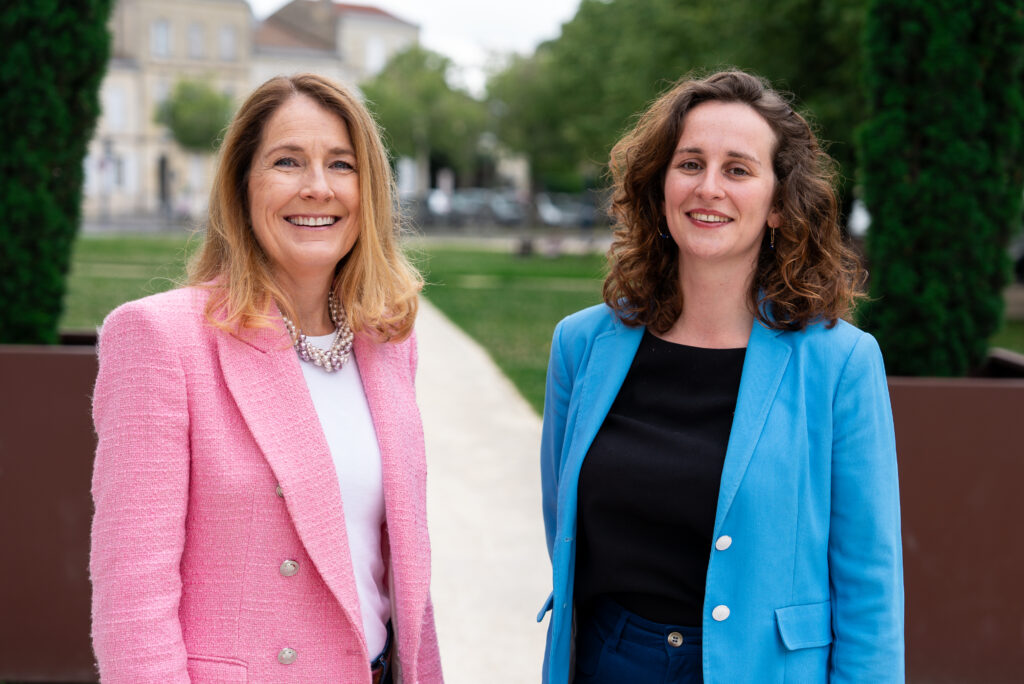
Our team is actively monitoring the situation and available to assist with any concerns about your tour.
Decanter Tours Support
Email: marydardenne@decantertours.com or julie@decantertours.tours
Response Time: We aim to respond to all inquiries within 24 hours.
Whether you have questions, need to reschedule, or want to discuss your specific itinerary, please don't hesitate to reach out.
Official Information Sources
• ATMO Nouvelle-Aquitaine – Air quality monitoring
• SNCF Voyageurs – Train status updates
• Bordeaux Airport – Flight information
• Bison Futé – Road traffic updates
• Préfecture de Gironde – Official regional updates (in French)
---
FOOTER NOTE:
This page is regularly updated as the situation evolves. Last updated: July 30, 2026.
For the latest information, please contact Decanter Tours or consult official sources.

For collectors, Bordeaux offers several advantages stemming from its blending philosophy:
Vintage Consistency: While vintage quality varies, the best châteaux maintain relatively consistent house styles through blending and selection. A weaker Merlot year might mean higher Cabernet percentages, but the wine remains recognizably "Château X."
Aging Predictability: Bordeaux's blend structure, particularly the tannin backbone from Cabernet Sauvignon, provides reliable aging curves. Top estates from strong vintages typically need 10-15 years to approach maturity and can age gracefully for 30-50+ years.
Market Liquidity: Bordeaux's production volumes—even for First Growths—are relatively large compared to Burgundy. This creates deeper secondary markets with more transparent pricing and easier buying and selling.
En Primeur Opportunities: Bordeaux's futures system allows collectors to purchase wines before bottling, often at advantageous prices in less-hyped vintages. Understanding how the blend will come together is part of the speculation.
Burgundy's single-varietal approach creates different collecting dynamics:
Terroir Exploration: Burgundy rewards deep, comparative collecting. Buying multiple climats from the same village or different producers' interpretations of the same climat reveals nuances impossible in Bordeaux.
Producer Dependency: With single-varietal wines, the producer's skill becomes paramount. A great climat farmed poorly produces mediocre wine. Reputation and relationships matter enormously.
Scarcity Premium: Burgundy's fragmented ownership creates tiny production runs. A top producer might make only 50-300 cases of a specific Grand Cru, compared to 10,000-30,000 cases for a Bordeaux First Growth. This drives prices and allocation challenges.
Vintage Variation: Single-varietal wines show vintage character more dramatically. A cool year produces elegant, high-acid wines needing time; a warm year yields opulent, early-drinking styles. Collectors must understand vintage specifics.
A well-rounded collection benefits from both regions' strengths:
Bordeaux provides:
Burgundy provides:
Many collectors adopt a 60/40 or 70/30 split (Bordeaux/Burgundy) for red wines, with the majority in Bordeaux for aging reliability and cost efficiency, supplemented by carefully selected Burgundy for diversity and special occasions.
Young Bordeaux, particularly from the Left Bank, can be austere and tannic, requiring patience. The blending components reveal themselves over time:
Youth (0-5 years): Dominant dark fruits (cassis, blackberry), oak influence (vanilla, cedar), firm tannins, high acidity. The blend may taste disjointed as components integrate.
Early Maturity (8-15 years): Tannins soften, fruits darken to plum and fig, secondary notes emerge (leather, tobacco, earth), the blend harmonizes into seamless complexity.
Full Maturity (15-30+ years): Tertiary aromas develop (truffle, cigar box, dried flowers), tannins become silky, acidity provides lift, the wine shows its terroir alongside the blend's architecture.
The blending approach creates wines that evolve through distinct phases, offering different pleasures over their lifespan. A great Bordeaux never loses its identity, maintaining structural integrity even as flavors transform.
Burgundy, especially Pinot Noir, is often approachable younger while also aging magnificently:
Youth (0-5 years): Bright red fruits (cherry, raspberry, strawberry), floral notes (rose, violet), pronounced acidity, delicate tannins. Terroir characteristics are present but muted.
Early Maturity (5-10 years): Red fruits deepen, earthy notes emerge (forest floor, mushroom, truffle), texture becomes silkier, terroir signatures strengthen.
Full Maturity (10-25+ years): Complex tertiary aromas (sous-bois, game, dried flowers, tea), ethereal texture, profound mineral expression, transparent terroir character.
Single-varietal Burgundy often shows more aromatic complexity and textural nuance than blends, with less obvious structure but profound subtlety. The climats reveal themselves through details—a stony backbone from Chambertin, velvety seduction from Musigny, powerful density from Richebourg.
White Burgundy (Chardonnay) follows similar patterns, with youthful citrus and mineral characters developing into hazelnut, honey, and beeswax with age, while maintaining energizing acidity.
Climate change is forcing Bordeaux to reconsider its traditional blend formulas. Warmer temperatures and earlier harvests have several effects:
Higher Alcohol: Increased sugar accumulation leads to wines with 14-15% alcohol versus historical 12.5-13.5%, changing balance and aging trajectories.
Shifting Blend Percentages: Some estates increase Cabernet Franc (more drought-resistant) or decrease Merlot (susceptible to heat stress). Petit Verdot, once marginal, now ripens reliably and brings freshness.
New Varieties: In 2021, Bordeaux authorized seven additional grape varieties for blending, including Marselan, Touriga Nacional, and Castets, chosen for heat and drought tolerance. Adoption remains limited but signals future possibilities.
Earlier Harvests: Picking now occurs in August and early September rather than late September and October, with implications for phenolic ripeness and acid retention.
These changes test the blending philosophy's flexibility. Can Bordeaux maintain its identity while adapting to new climatic realities? Early evidence suggests the answer is yes—the region's blending expertise allows gradual adjustments without dramatic style shifts.
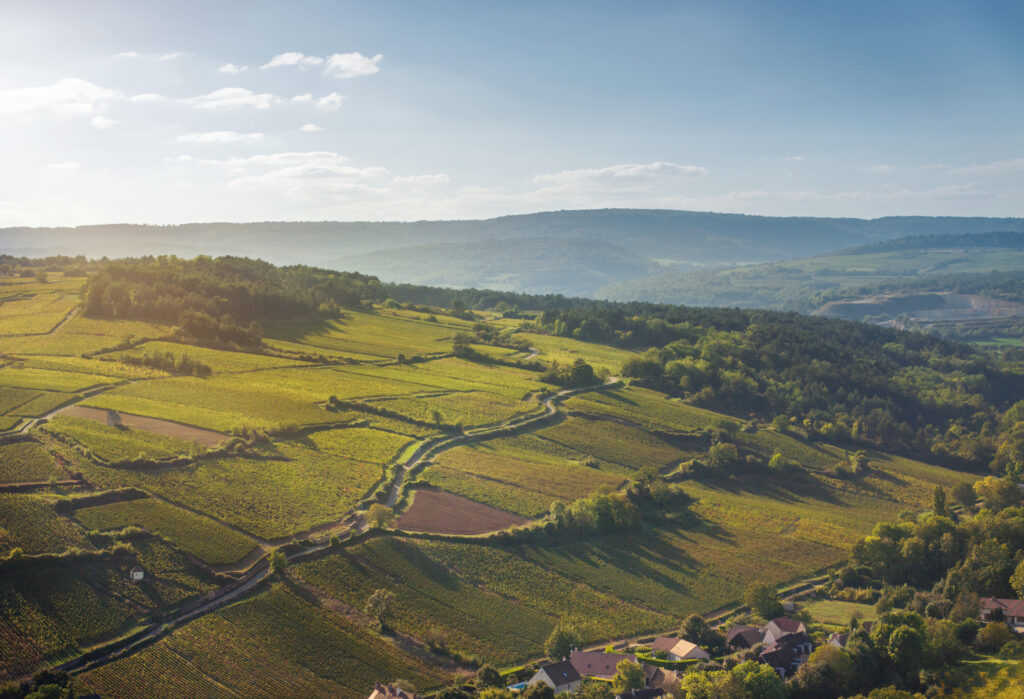
Burgundy faces different climate challenges while maintaining varietal purity:
Heat Stress: Pinot Noir's thin skins make it vulnerable to sunburn and dehydration in extreme heat, as seen in 2003 and 2019. Some producers now use shade cloths or leave more leaf cover.
Changing Harvest Windows: Earlier ripening means picking during warmer periods, making freshness and acidity preservation critical. Night harvesting is increasingly common.
Alcohol Creep: Like Bordeaux, Burgundy is seeing higher alcohol levels (13.5-14.5% versus historical 12.5-13.5%), potentially masking terroir transparency.
Viticulture Adaptations: Producers are experimenting with higher-altitude sites, different clones emphasizing acidity retention, and farming practices (organic, biodynamic) that slow ripening.
The single-varietal approach offers less flexibility than blending but maintains stylistic consistency. Burgundy's solution focuses on viticulture—farming practices that preserve the varieties' expression in changing conditions rather than altering the fundamental approach.
The blending model supports Bordeaux's commercial structure. Châteaux can produce thousands of cases while maintaining quality through selection and blending. This creates:
Brand Recognition: Château names become globally recognized brands (Lafite, Margaux, Pétrus) with consistent identities reinforced by marketing budgets small producers cannot match.
Price Tiers: The grand vin/second wine structure allows estates to serve multiple market segments from the same vineyard base, maximizing revenue per hectare.
Négociant Integration: Bordeaux's blending tradition extends to négociants who purchase and blend wines from multiple properties, creating additional brands and market reach.
Investment Appeal: Larger production runs create deeper markets with more transparent pricing, making Bordeaux attractive to wine investors and funds.
Burgundy's single-varietal model creates entirely different economics based on extreme scarcity:
Allocation Systems: Tiny production runs mean most Burgundy is sold through allocation to long-standing customers, creating barriers to entry that support price premiums.
Producer Premiums: With identical terroirs, producer reputation becomes the differentiator, allowing cult domaines to command multiples of their neighbors' prices.
Secondary Market Dynamics: Scarcity and allocation difficulties drive robust secondary markets where certain bottles trade at 200-500% of release prices within months.
Direct-to-Consumer Focus: Many producers sell primarily direct or through local négociants, maintaining relationships and margins unavailable in the three-tier system.
Both models are economically rational given their contexts. Bordeaux maximizes revenue through volume and brand equity; Burgundy maximizes revenue through scarcity and producer mystique.
En Primeur Considerations:
Auction and Secondary Market:
Storage Requirements:
Building Producer Relationships:
Village vs. Premier vs. Grand Cru:
Auction Considerations:
Storage Requirements:
Bordeaux's blend structure and tannic backbone make it a versatile food wine:
Classic Pairings:
Why It Works: The blend's structure, especially Cabernet Sauvignon's tannins, needs fat and protein to shine. Young Bordeaux can overwhelm delicate preparations but excels with rich, savory dishes. As wines age and tannins soften, they handle more subtle preparations.
Temperature: Serve at 60-65°F—cooler than room temperature but warmer than cellar temperature. This preserves freshness while allowing aromatics to express.
Burgundy's elegance and transparency require more thoughtful pairing:
Red Burgundy (Pinot Noir):
White Burgundy (Chardonnay):
Why It Works: Pinot Noir's lighter body and transparent character complement rather than dominate food. The earthiness connects with mushrooms, truffles, and game, while the acidity cuts through cream and butter in classic Burgundian cuisine.
Temperature:
Understanding the fundamental differences between Bordeaux's blending philosophy and Burgundy's single-varietal approach enriches every aspect of wine appreciation—from collecting and investing to tasting and pairing with food. Both approaches have evolved over centuries to express their respective terroirs optimally, shaped by history, climate, economics, and philosophy.
For collectors, the choice isn't between these regions but rather how to balance them in a cellar that offers both reliability and discovery, consistency and surprise, structure and elegance. The blending artistry of Bordeaux and the terroir transparency of Burgundy represent two peaks of winemaking achievement, each deserving study, investment, and most importantly, enjoyment.
France's two most prestigious wine regions—Bordeaux and Burgundy—represent fundamentally different philosophies in winemaking that have shaped the global wine industry for centuries. Bordeaux built its reputation on the art of blending multiple grape varieties to create harmonious, age-worthy wines that express the vision of the winemaker. Burgundy, conversely, has perfected the single-varietal approach, crafting wines from Pinot Noir and Chardonnay that reveal the nuanced character of individual vineyard sites, or terroir.
For collectors and enthusiasts, understanding these contrasting approaches is essential to building a balanced cellar and appreciating what each bottle represents. This first part explores the historical, practical, and philosophical reasons behind these divergent approaches and what they mean for wine quality and expression.
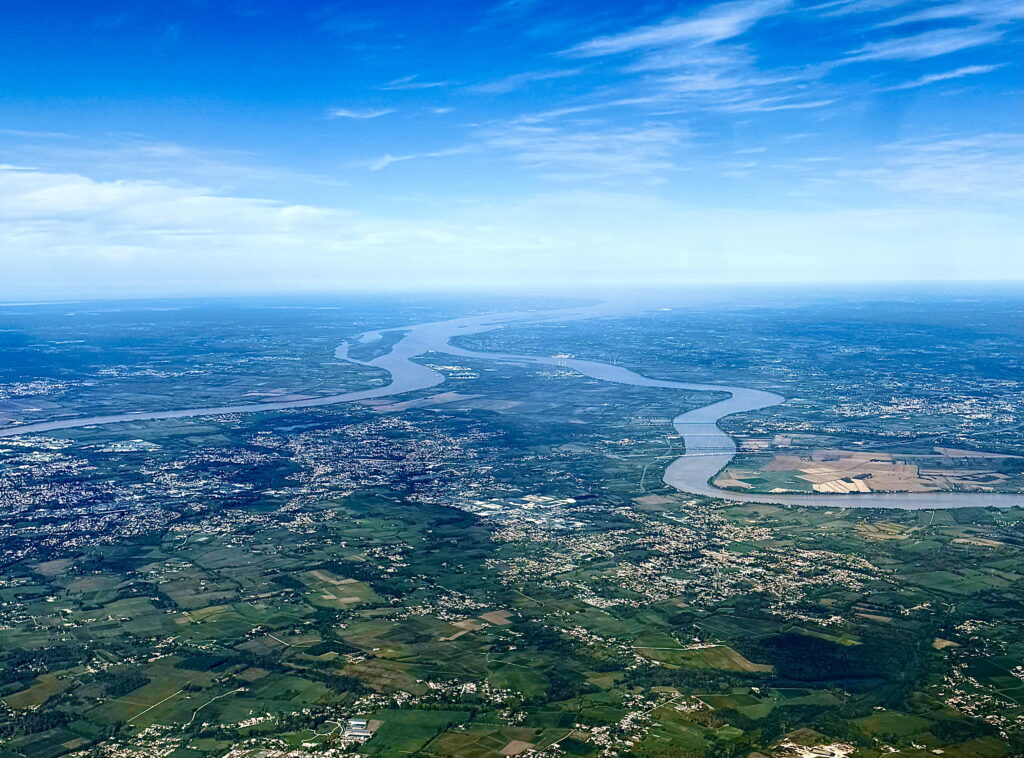
Bordeaux's blending tradition emerged from both necessity and opportunity. Located on the Atlantic coast with the Gironde estuary providing access to global markets, Bordeaux became a commercial powerhouse in the 17th and 18th centuries. British merchants, particularly influential after Eleanor of Aquitaine's marriage to Henry II in 1152, demanded consistent, age-worthy wines that could survive long sea voyages.
The region's maritime climate—mild, humid, and variable—made relying on a single grape variety risky. Vintage variation could be extreme, and different varieties ripened at different times, offering natural insurance against weather challenges. Merlot ripens early and provides softness and fruit; Cabernet Sauvignon ripens later, contributing structure, tannins, and aging potential; Cabernet Franc adds aromatic complexity and freshness; Petit Verdot and Malbec offer color and spice notes.
The châteaux system, where individual estates controlled large vineyard holdings, also encouraged blending. Most properties had diverse terroirs within their boundaries—gravelly hilltops ideal for Cabernet Sauvignon, clay-rich valleys perfect for Merlot. Rather than bottling these separately, proprietors blended them to create a consistent house style that could be recognized and traded internationally.
The 1855 Classification, created for the Paris Universal Exhibition, institutionalized this approach by ranking entire châteaux rather than specific vineyards, reinforcing the concept that the estate's blending skill was as important as the land itself.
Burgundy's single-varietal philosophy has entirely different origins. Benedictine and Cistercian monks began cultivating vines in Burgundy during the Middle Ages, approaching viticulture with scientific rigor and spiritual dedication. Over centuries, they meticulously mapped the region, identifying subtle differences in soil, slope, and exposition that affected wine quality.
This created Burgundy's famous climat system—a mosaic of precisely delineated vineyard parcels, each with distinct characteristics. Unlike Bordeaux's large estates, Burgundian vineyards were fragmented through Napoleonic inheritance laws, which required equal division of property among heirs. This created a complex patchwork where a single climat might have dozens of different owners, each farming small plots.

In this context, blending made little sense. The entire value proposition rested on showcasing the unique expression of each climat. A wine from Romanée-Conti commands astronomical prices not because of blending artistry but because it captures the essence of that specific 1.8-hectare vineyard. Combining it with fruit from neighboring parcels would dilute rather than enhance its identity.
Burgundy's continental climate—more extreme than Bordeaux's, with colder winters and significant vintage variation—paradoxically strengthened the single-varietal tradition. Pinot Noir and Chardonnay proved ideally suited to the region's conditions, and centuries of selection created distinctive Burgundian clones adapted to local terroirs. Why plant multiple varieties when these two had been perfected?
The heart of Bordeaux winemaking is the assemblage—the blending process that typically occurs in late winter or early spring following harvest. This is where technical expertise meets artistic vision, as winemakers taste through numerous fermentation lots to determine the final blend composition.
A typical Right Bank château (Pomerol or Saint-Émilion) might produce 15-25 different lots in a given vintage, separated by grape variety, vineyard parcel, and vine age. A larger Left Bank estate (Médoc or Graves) could have 40-60 lots or more. Each lot is evaluated for its aromatic profile, structure, tannin quality, and aging potential.
The winemaker's goal is creating a whole greater than the sum of its parts. Merlot might contribute 60% of the blend, providing a plush core of dark fruit and velvety texture. Cabernet Sauvignon adds 30%, bringing cassis notes, firm tannins, and structural backbone. Cabernet Franc contributes 8%, offering violets, graphite minerality, and mid-palate lift. Petit Verdot provides the final 2%, adding inky color, exotic spice, and a grip that will help the wine age for decades.
What makes this process fascinating is its variability. The same château might shift from 70% Merlot in a cool vintage to 65% Cabernet Sauvignon in an ideal year. Some estates have moved toward higher Cabernet Franc percentages as climate change has made this variety more reliably ripe. Others have reduced or eliminated Malbec and Petit Verdot, which can be excessively tannic in warmer years.
Bordeaux's blending philosophy also allows for rigorous selection through the grand vin system. Only the finest lots make it into the château's primary label. Wines from younger vines, less optimal parcels, or lots that don't fit the desired profile are declassified into second wines or third wines.
Château Margaux might select only 35-40% of its production for the grand vin in challenging vintages, with the remainder becoming Pavillon Rouge du Château Margaux or sold off in bulk. This selection process, enabled by having multiple varieties and parcels to choose from, helps maintain quality consistency across vintages—a crucial factor for collectors and the secondary market.

Bordeaux's appellations are defined broadly, allowing estates to blend across diverse terroirs within their holdings. A Pauillac château might blend Cabernet Sauvignon from well-drained gravel croupes (mounds) near the Gironde with Merlot from clay-limestone parcels further inland, creating a wine that benefits from both terroirs' strengths.
This contrasts sharply with Burgundy, where appellation boundaries are drawn tightly around specific climats. A producer cannot blend Gevrey-Chambertin with Chambolle-Musigny and call it either—it would be declassified to the regional Bourgogne appellation.
Burgundy's commitment to single-varietal wines rests on the premise that Pinot Noir and Chardonnay are ideal vehicles for expressing terroir. Both varieties are considered relatively neutral and transparent compared to more characterful grapes like Cabernet Sauvignon or Syrah. This allows the influence of soil, microclimate, and vineyard position to shine through clearly.
Pinot Noir's thin skins make it sensitive to growing conditions, reflecting even subtle variations in temperature, sunlight exposure, and water availability. Two vineyards separated by a footpath can produce dramatically different wines—one elegant and perfumed, the other more structured and earthy—because of slight differences in soil depth or limestone content.
Chardonnay similarly acts as a transparent medium. In Chablis's Kimmeridgian limestone, it produces steely, mineral-driven wines with oyster-shell salinity. In Meursault's deeper, richer soils, it becomes opulent and nutty. In Puligny-Montrachet, it achieves laser-like precision and tension. The variety doesn't impose a strong personality; instead, it reveals the vineyard's character.

Burgundy's 1,247 classified climats represent winemaking at its most granular. These precisely delineated vineyard parcels range from tiny monopoles like Romanée-Conti (1.8 hectares) to larger Grands Crus like Corton (160 hectares, though further subdivided by specific lieu-dits).
This system demands single-varietal wines because the entire point is comparative tasting. Collectors and connoisseurs can taste through a range of climats—Chambertin, Chambertin-Clos de Bèze, Latricières-Chambertin, Mazis-Chambertin—all from the same village, all made from 100% Pinot Noir, often by the same producer, sometimes from the same vintage. The differences, therefore, must reflect terroir rather than blending decisions or varietal composition.
This transparency creates accountability. A Burgundian winemaker cannot hide behind blending if a particular climat underperforms. The wine is what it is—a direct expression of that vineyard in that vintage, shaped by farming and winemaking choices but fundamentally dictated by terroir.
Ironically, while Burgundy eliminates varietal blending, the producer's signature becomes even more important. With hundreds of growers farming the same climats, choices about vine density, organic or biodynamic farming, harvest timing, whole-cluster fermentation, oak regimen, and aging decisions create profound stylistic differences.
Domaine de la Romanée-Conti's Richebourg tastes distinctly different from Domaine Leroy's Richebourg or Domaine Méo-Camuzet's, even though all come from the same Grand Cru climat. The single-varietal approach puts every decision under a microscope, making Burgundy perhaps the ultimate expression of winemaker craft within the constraints of terroir.
Bordeaux's oceanic climate creates moderate growing conditions ideal for blending multiple varieties. The Gulf Stream influence keeps winters mild and summers warm but rarely extreme. Rain can arrive at inopportune moments—during flowering, causing coulure (poor fruit set), or at harvest, diluting flavors.
The region's diverse geology adds complexity. The Left Bank's Médoc features deep gravel beds deposited by ancient rivers, providing excellent drainage and heat retention perfect for late-ripening Cabernet Sauvignon. The Right Bank's Pomerol and Saint-Émilion have clay, sand, and limestone combinations favoring earlier-ripening Merlot.
These variations make single-varietal wines risky. A Cabernet Sauvignon-only wine from Bordeaux might be green and harsh in cool vintages, overripe and jammy in hot ones. Blending provides balance across variable conditions.
Burgundy's continental climate creates vintage variation that paradoxically reinforces single-varietal focus. Cold winters, spring frost risk, and significant diurnal temperature shifts during ripening create challenging conditions where only the best-adapted varieties thrive.
Pinot Noir and Chardonnay have evolved over centuries to perform reliably in Burgundy's climate. Pinot Noir's early ripening allows it to avoid autumn rains, while its genetic diversity (countless clonal selections) provides options for different terroirs. Chardonnay's versatility and vigor make it suitable for sites from cool Chablis to warmer Mâconnais.
The Côte d'Or's limestone bedrock, formed from ancient seabeds, creates ideal conditions for both varieties. Different limestone types—from Chablis's Kimmeridgian to the Côte de Nuits's harder Comblanchien stone—provide diverse expressions while maintaining a common mineral thread.
Coming in Part 2: Collecting strategies, investment guidance, tasting experiences, modern trends and climate change impacts, buying and storage advice, and food pairing recommendations for both regions.
Bordeaux builds its reputation on blending multiple grape varieties (primarily Cabernet Sauvignon, Merlot, and Cabernet Franc) to create complex, structured wines. Burgundy focuses on single-varietal wines—Pinot Noir for reds and Chardonnay for whites—to showcase the unique characteristics of specific vineyard sites (climats). Bordeaux emphasizes the winemaker's blending artistry; Burgundy emphasizes terroir transparency.
Bordeaux's maritime climate and diverse terroirs within individual estates make blending practical—different varieties ripen at different times and contribute complementary characteristics. The region's commercial history also favored consistent, branded products. Burgundy's fragmented vineyard ownership and terroir-focused classification system reward single-varietal purity, allowing direct comparisons between specific climats. Additionally, Pinot Noir and Chardonnay are ideally suited to Burgundy's climate and soils.
At the very top, both regions command astronomical prices—Château Pétrus or Romanée-Conti can cost thousands per bottle. However, Burgundy's average bottle price tends to be higher due to extreme scarcity (tiny production runs) and fragmented ownership. Entry-level Bordeaux (petits châteaux, basic appellations) is generally more affordable than entry-level Burgundy. For collectors, Bordeaux offers more price-accessible options for age-worthy wines.
Top Bordeaux, especially Left Bank Cabernet-based blends, can age 30-50+ years, with First Growths from exceptional vintages lasting 75-100 years. Most quality Bordeaux benefits from 10-20 years cellaring. Burgundy's lighter-bodied structure ages differently—Grand Cru Pinot Noir can age 20-40 years, developing extraordinary complexity, while village-level wines peak at 5-10 years. White Burgundy (Chardonnay) from top producers can age 15-30+ years.
Legally, yes, but it's rare and goes against the region's philosophy. Producers can blend different climats, but this typically results in declassification to a lower appellation. For example, blending Gevrey-Chambertin with Chambolle-Musigny would create a regional Bourgogne wine, losing the village designation. Some producers blend different parcels within a single climat, but this is presented as expressing that climat's character, not as creative blending like in Bordeaux.
Bordeaux is often more approachable for beginners due to clearer château branding, larger production runs (easier to find), more straightforward classification systems (1855 Classification, Crus Bourgeois), and better aging predictability. Burgundy requires more specialized knowledge about producers, climats, and vintage variation, with higher barriers to accessing top wines. However, Burgundy's village-level wines from quality producers offer excellent entry points for learning about terroir.
These terms refer to the Gironde River and its tributaries. Left Bank (west side) includes the Médoc, Haut-Médoc, Graves, and Pessac-Léognan, characterized by gravelly soils favoring Cabernet Sauvignon-dominant blends. Right Bank (east side) includes Pomerol and Saint-Émilion, with clay and limestone soils favoring Merlot-dominant blends. Left Bank wines tend to be more structured and tannic; Right Bank wines are often richer and more immediately approachable.
In Burgundy, Grand Cru refers to the highest vineyard classification—33 exceptional climats recognized for terroir quality. Any wine from these precisely defined vineyard parcels can be labeled Grand Cru. In Bordeaux, "Grand Cru" appears in Saint-Émilion's classification (Grand Cru Classé, Premier Grand Cru Classé) and refers to estate quality, not specific vineyards. Bordeaux's closest equivalent to Burgundy's terroir-based classification is the 1855 Classification of the Médoc, which ranks châteaux (First through Fifth Growths).
Burgundy's extreme fragmentation creates scarcity—a typical domaine might produce only 25-300 cases of a specific wine. Combined with global demand from collectors, this creates allocation systems where most wine goes to long-standing customers. Many top producers never enter the open market. Additionally, complex appellation structures (over 600 named appellations), numerous producers (over 3,800), and significant bottle variation make Burgundy challenging to navigate without specialized knowledge or relationships.
Yes, both regions produce outstanding white wines, though they're less famous than their reds. Bordeaux makes white blends primarily from Sauvignon Blanc and Sémillon, ranging from crisp, mineral Bordeaux Blanc to rich, age-worthy Pessac-Léognan whites and sweet Sauternes. Burgundy produces some of the world's finest Chardonnay, from steely Chablis to rich Meursault and precise Puligny-Montrachet. White Burgundy follows the same single-varietal, terroir-focused philosophy as red Burgundy.
En primeur can offer value in exceptional vintages (like 2015, 2016, 2019, 2020) for sought-after châteaux, allowing you to secure allocation and potentially save 20-40% versus bottle prices years later. However, many recent futures haven't appreciated as expected, and you tie up capital for 2-3 years before delivery. Only buy en primeur if: (1) you're committed to aging the wines long-term, (2) you're buying from top estates in outstanding vintages, or (3) you're securing allocation for châteaux you love regardless of investment potential.
For
• Understanding Bordeaux's diversity - Left Bank wines (Cabernet Sauvignon-dominant) pair differently than Right Bank wines (Merlot-dominant), offering versatile pairing opportunities
• Classic pairings remain timeless - Red Bordeaux with roasted meats, lamb, and aged cheeses creates harmonious flavor combinations that have stood the test of centuries
• White Bordeaux deserves attention - Dry whites complement seafood and poultry beautifully, while sweet Sauternes elevates foie gras and desserts to extraordinary heights
• Temperature and timing matter - Serving Bordeaux at the correct temperature (60-65°F for reds, 45-50°F for whites) and considering wine age enhances the pairing experience
• Unexpected pairings work beautifully - Bordeaux adapts remarkably well to Asian cuisine, spicy dishes, and modern fusion cooking when thoughtfully matched
• Structure guides pairing decisions - Match wine tannins with protein and fat content, acidity with rich sauces, and wine weight with dish intensity for perfect balance
• Regional terroir influences flavor - Gravelly Left Bank estates produce structured wines for hearty fare, while clay-limestone Right Bank wines suit more delicate preparations
The art of pairing wine with food represents one of gastronomy's most refined pleasures, and nowhere is this more evident than in the Bordeaux region of France. For centuries, Bordeaux wines have graced the tables of connoisseurs worldwide, their complex profiles offering endless possibilities for culinary exploration. Whether you're a seasoned oenophile or an enthusiastic beginner, mastering Bordeaux wine pairing transforms every meal into a memorable experience.
This comprehensive guide delves deep into the nuances of Bordeaux wine pairing, exploring both traditional combinations and innovative matches that challenge conventional wisdom. From understanding the fundamental differences between Left Bank and Right Bank wines to discovering how a robust Pauillac complements unexpected spicy cuisine, you'll gain the knowledge to elevate your dining experiences to new heights.
Before exploring specific pairings, it's essential to understand what makes Bordeaux wines unique. The Bordeaux region produces predominantly red wines from blends of Cabernet Sauvignon, Merlot, Cabernet Franc, Petit Verdot, and Malbec. However, the region also crafts exceptional white wines from Sauvignon Blanc and Sémillon, including the legendary sweet wines of Sauternes.
The Gironde estuary naturally divides Bordeaux into two primary zones, each with distinct characteristics that profoundly influence pairing strategies. The Left Bank, encompassing renowned appellations like Pauillac, Margaux, Saint-Julien, and Pessac-Léognan, features gravelly soils that favor Cabernet Sauvignon. These wines typically exhibit firm tannins, cassis and blackcurrant flavors, cedar notes, and exceptional aging potential.
The Right Bank, home to Saint-Émilion and Pomerol, possesses clay and limestone soils ideal for Merlot cultivation. Right Bank wines generally display softer tannins, plum and cherry fruit characteristics, velvety textures, and earlier drinking windows. This fundamental distinction between Left and Right Bank wines forms the foundation for successful pairing strategies.
Successful wine pairing isn't merely subjective preference but involves understanding how flavors interact on your palate. Several key principles guide these interactions and help predict which combinations will harmonize beautifully.
Tannins, the compounds that create a drying sensation in your mouth, are softened by proteins and fats. This explains why red Bordeaux pairs magnificently with steak—the meat's proteins bind with tannins, making both the wine and food taste smoother. Acidity in wine cuts through rich, fatty dishes, cleansing your palate between bites. This principle makes crisp white Bordeaux exceptional with butter-based sauces or cream-enriched seafood dishes and even some creamy cheeses.
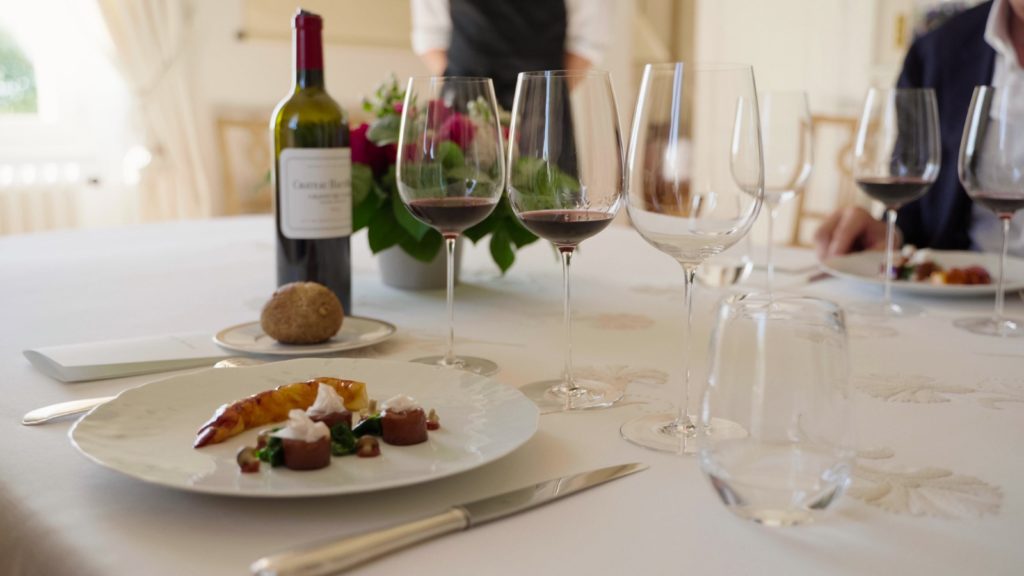
Weight matching ensures neither wine nor food overwhelms the other. A delicate fish preparation requires a lighter-bodied wine, while a robust beef stew demands a full-bodied red with substance to match. Complementary pairing emphasizes similar flavors in wine and food, such as pairing an earthy Pomerol with mushroom-based dishes. Contrasting pairing creates balance through opposition, like matching a sweet Sauternes with salty Roquefort cheese.
Understanding these principles allows you to approach pairing with confidence, adapting to available wines and ingredients while creating harmonious combinations.
Certain food and wine combinations have endured for generations because they simply work. These classic pairings showcase Bordeaux wines at their finest, creating synergies that elevate both elements.
The quintessential pairing for aged red Bordeaux remains a perfectly prepared beef dish. A Pauillac or Saint-Julien with substantial tannins pairs magnificently with grilled ribeye or côte de boeuf. The charred exterior complements the wine's toasted oak notes, while the marbled fat softens the tannins beautifully. For optimal results, prepare the beef simply (like the French do)—season with coarse salt and black pepper, allowing the meat's inherent flavors to shine.
Lamb represents another traditional match, particularly with wines from Margaux or Saint-Émilion. The slightly gamey character of lamb harmonizes with the wine's earthy undertones and herbal notes. Roasted leg of lamb with herbs de Provence, served with roasted root vegetables, creates a classic pairing that showcases why Bordeaux has remained the wine of choice for this preparation across centuries.
While Bordeaux's red wines receive most attention, the region's white wines offer exceptional pairing opportunities. Dry white Bordeaux, typically blending Sauvignon Blanc and Sémillon, exhibits vibrant acidity, citrus notes, and mineral complexity that make it ideal for seafood preparations.
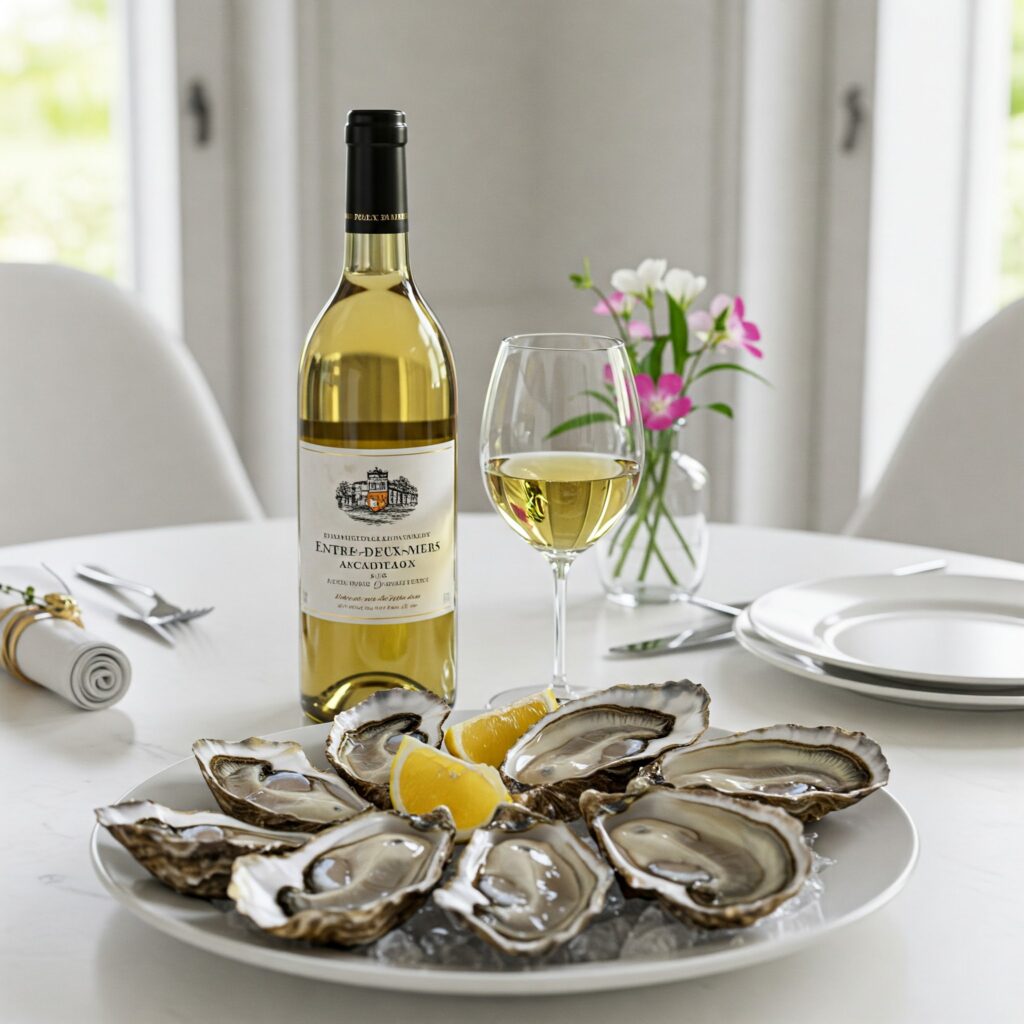
Talk about Slow Food: Oysters from nearby Arcachon Bay represent the ultimate local pairing. The wine's crisp acidity and saline mineral notes mirror the ocean's essence, while citrus flavors complement the oyster's delicate brininess. Grilled sea bass with a light beurre blanc sauce showcases how white Bordeaux handles both the fish's subtle flavors and the sauce's richness without overwhelming either element.
The sweet wines of Sauternes and Barsac achieve their unique character through noble rot, which concentrates sugars while maintaining acidity. This balance makes Sauternes remarkably versatile with both savory and sweet preparations.
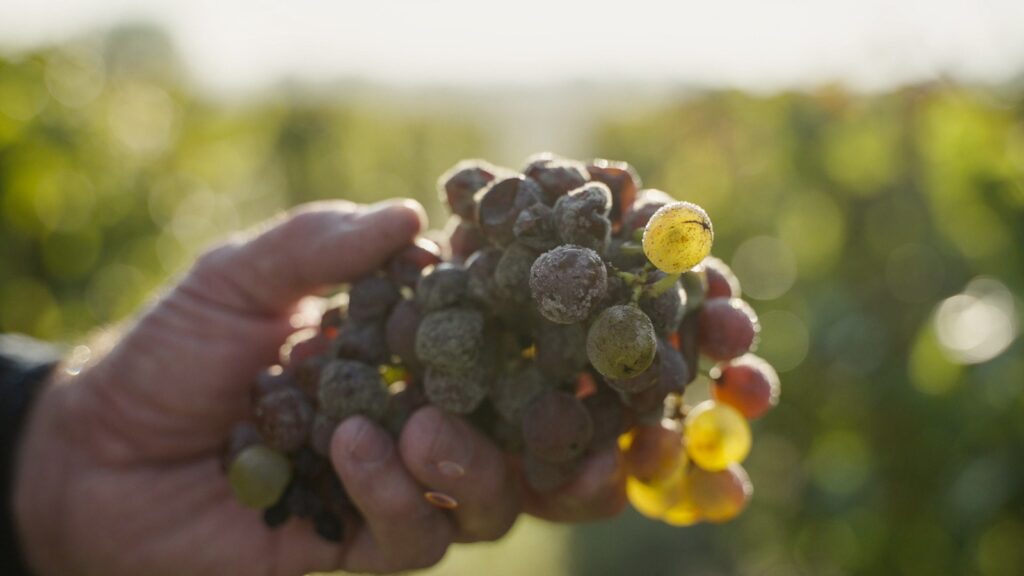
Foie gras with Sauternes represents one of gastronomy's most celebrated pairings. The liver's rich, buttery texture finds perfect contrast in the wine's acidity, while the complementary sweetness creates layers of flavor complexity. Whether served as terrine, pan-seared, or in a traditional torchon, foie gras and Sauternes exemplify pairing perfection.
For dessert, Sauternes pairs beautifully with fruit-based tarts, crème brûlée, or blue cheeses like Roquefort. The wine's apricot, honey, and candied citrus notes enhance fruit flavors while providing necessary contrast to caramelized sugar or pungent cheese.
But surprisingly Sauternes goes well with many other dishes. Most of our Graves wine tour clients are astonished to learn that it can be beautifully paired with a honey glazed roast chicken or even blue cheese. One of my all time favorites is to pair Sauternes with spicy Asian food. The possibilities are endless when you start getting creative.
Each Bordeaux appellation possesses unique terroir characteristics that influence both wine style and optimal food pairings. Understanding these regional differences allows for more nuanced pairing decisions.
Pauillac produces powerful, age-worthy wines with pronounced Cabernet Sauvignon character. These wines demand robust preparations—think prime rib, venison, or wild boar. The appellation's classic cedar and pencil shavings notes complement game meats particularly well, while firm tannins require substantial protein.
Margaux offers more elegance and perfume than other Left Bank appellations. These refined wines pair beautifully with duck breast, particularly when served with fruit-based sauces that echo the wine's subtle sweetness. The silky tannins accommodate slightly more delicate preparations than neighboring Pauillac.
Pessac-Léognan produces both exceptional reds and whites. The red wines, with their tobacco and earthy notes, pair magnificently with mushroom-based dishes or truffles. The white wines rank among Bordeaux's finest, offering the structure to accompany lobster or other premium shellfish.
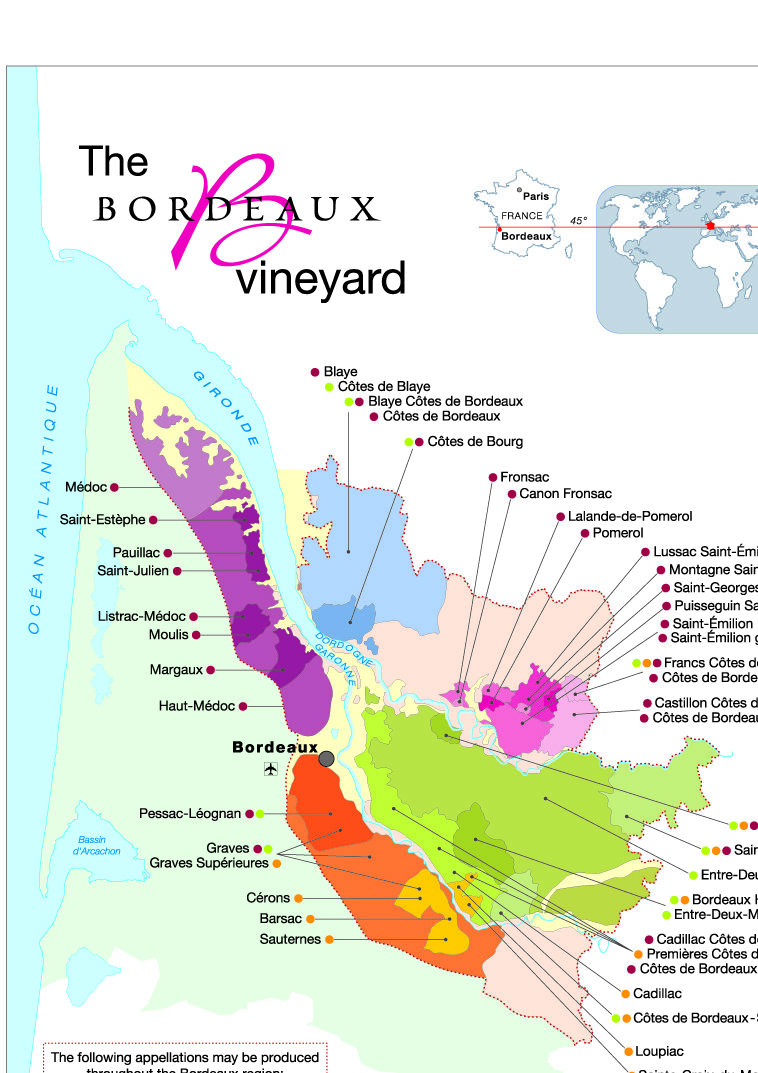
Pomerol wines, dominated by Merlot, feature opulent textures and plum fruit characteristics. These wines pair beautifully with dishes incorporating dried fruits, such as pork tenderloin with prune sauce or duck confit. The softer tannins make Pomerol approachable with a wider range of preparations, including richer fish dishes like salmon or tuna.
Saint-Émilion encompasses diverse terroir, from the limestone plateau to the gravelly côtes. Wines from the limestone plateau offer freshness and finesse, pairing well with poultry or veal. Côtes wines show more power and structure, approaching Left Bank style and requiring heartier preparations.
While traditional pairings offer time-tested success, exploring unconventional combinations reveals Bordeaux's remarkable versatility. These unexpected matches demonstrate how Bordeaux adapts to diverse culinary traditions.
The notion that red wine doesn't pair with Asian food has been thoroughly debunked by adventurous sommeliers and diners. Bordeaux wines, particularly those with softer tannins and good acidity, complement many Asian preparations beautifully.
A Right Bank Bordeaux with dominant Merlot pairs surprisingly well with Peking duck. The wine's fruit-forward character and subtle sweetness complement the duck's crispy, caramelized skin and hoisin sauce, while sufficient structure handles the rich meat. Similarly, aged Bordeaux with developed tertiary aromas finds harmony with soy-braised pork belly, where the wine's earthy, mushroom-like notes mirror the dish's umami complexity.
Japanese cuisine offers pairing opportunities often overlooked. A refined Margaux complements high-quality sushi, particularly fatty tuna or salmon, when the fish is prepared simply without overwhelming soy sauce. The wine's elegance doesn't compete with delicate fish flavors, while subtle tannins provide structure.
Contrary to popular belief, certain Bordeaux wines handle spicy food remarkably well. The key lies in selecting wines with lower alcohol, good fruit concentration, and moderate tannins—characteristics often found in younger Right Bank wines or entry-level Bordeaux.
Thai red curry with beef showcases this principle beautifully. A fruit-forward Bordeaux Supérieur with ripe berry flavors provides sweetness to counter spice, while moderate tannins complement the beef. The wine's structure prevents it from being overwhelmed by coconut milk's richness.
Mexican mole sauce, with its complex blend of chilies, chocolate, and spices, finds an unexpected partner in mature Bordeaux. Aged wines with developed secondary characteristics—leather, tobacco, dried fruit—complement mole's complexity, while residual tannins softened by age accommodate the sauce's texture.
As plant-based dining becomes increasingly sophisticated, Bordeaux proves adaptable to vegetarian preparations. The key lies in matching wine structure with dish weight and incorporating umami-rich ingredients that provide the savory depth typically found in meat.
Mushroom-based dishes represent natural partners for aged Bordeaux. A wild mushroom risotto with truffle oil pairs beautifully with mature Pomerol or Saint-Émilion, where the wine's earthy tertiary aromas complement the fungi's inherent earthiness. The risotto's creamy texture softens tannins, while Parmesan cheese provides protein to bind with tannin molecules.
Eggplant Parmesan offers another successful vegetarian pairing. The eggplant's meaty texture and slight bitterness complement Bordeaux's tannins, while tomato sauce's acidity mirrors the wine's structure. Melted mozzarella adds fat content that rounds out the wine's edges.
Bordeaux's aging potential represents one of its defining characteristics, and a wine's age dramatically influences pairing options. Understanding how Bordeaux evolves helps determine optimal food matches at different stages of development.
Young Bordeaux typically displays prominent tannins, vibrant fruit, and noticeable oak influence. These wines require preparations that can stand up to their intensity. Grilled meats with caramelized exteriors work excellently, as do dishes with bold seasonings that won't be overwhelmed by the wine's power.
Young wines also benefit from fatty accompaniments that soften aggressive tannins. A young Pauillac paired with a heavily marbled ribeye or short ribs creates balance, as the fat moderates tannin perception while the wine's acidity cuts through richness.
As Bordeaux enters its middle years, tannins begin softening while secondary characteristics emerge—leather, tobacco, cedar, and dried herbs. This evolution expands pairing possibilities considerably. The wines become more food-friendly, accommodating preparations with greater nuance.
Middle-aged Bordeaux pairs beautifully with braised preparations like coq au vin or beef bourguignon. The wine's developed characteristics complement the dish's complexity, while softened tannins harmonize with the tender, slow-cooked meat. Game birds like pheasant or guinea fowl also shine with middle-aged Bordeaux, as the wine's evolution mirrors the subtle gaminess in the poultry.
Fully mature Bordeaux displays tertiary characteristics—forest floor, truffle, dried fruits, and tobacco—while tannins have largely resolved. These delicate, complex wines require thoughtful pairing to avoid overwhelming their subtlety.
Simple preparations work best with mature Bordeaux. A perfectly roasted chicken with herbs allows the wine's complexity to shine without competition. The chicken's mild flavor provides a neutral canvas, while crispy skin and dark meat offer sufficient richness to support the wine's structure.
Mature Bordeaux also pairs magnificently with aged cheeses. A 20-year-old Saint-Émilion alongside aged Comté or well-matured Manchego creates a contemplative pairing where both elements display their evolution and complexity.
The changing seasons influence both ingredient availability and our palate preferences, making seasonal considerations essential for optimal Bordeaux pairing.
Warmer months call for lighter preparations and younger, more vibrant Bordeaux wines. Grilled lamb chops with mint pesto capture spring's essence while pairing beautifully with a young Saint-Émilion. The wine's fruit-forward character complements the lamb without overwhelming delicate mint flavors.
White Bordeaux truly shines during warm weather. A chilled Entre-Deux-Mers with grilled prawns and asparagus epitomizes summer dining, the wine's citrus notes and mineral backbone providing refreshment while complementing the season's produce.
Rosé de Bordeaux, though less celebrated than red or white wines, offers excellent warm-weather pairing options. These dry rosés pair beautifully with grilled vegetables, seafood salads, or light pasta dishes, providing versatility for casual summer entertaining.
Cooler months invite heartier preparations and more substantial Bordeaux wines. Autumn's game season provides ideal opportunities for aged Left Bank wines. Roasted pheasant or venison stew paired with a mature Pauillac captures the season's essence, the wine's developed characteristics harmonizing with the game's subtle wildness.
Winter demands rich, warming preparations. Braised short ribs or beef daube paired with a powerful Médoc creates the ultimate cold-weather combination. The wine's structure and depth match the dish's intensity, while slow cooking's tenderness complements softened tannins.
Truffles, available during winter months, represent Bordeaux's most luxurious pairing. Fresh black truffles shaved over pasta with butter and Parmesan alongside an aged Pessac-Léognan creates an unforgettable experience, the wine's earthy notes echoing the truffle's intoxicating aroma.
Creating a dinner party menu that showcases Bordeaux requires careful planning to ensure each course highlights the wine while maintaining culinary progression.
Begin with white Bordeaux alongside seafood-based starters. Smoked salmon with crème fraîche and capers provides sufficient richness for the wine's structure while the acidity cuts through the fish's fattiness. Alternatively, seared scallops with a light citrus beurre blanc showcases white Bordeaux's ability to handle both delicate seafood and butter-enriched sauces.
If serving red wine from the start, choose a lighter Right Bank Bordeaux with softer tannins. Pair it with charcuterie featuring pâté or terrines, where the wine's fruit-forward character complements cured meats without the tannins overwhelming your palate before the main course.
The main course should feature your finest Bordeaux alongside a preparation that showcases both elements. For an elegant dinner party, beef Wellington pairs magnificently with aged Left Bank Bordeaux. The puff pastry's butteriness softens tannins, mushroom duxelles complement earthy wine notes, and perfectly cooked beef provides the protein necessary to balance structure.
For a more casual gathering, lamb shanks braised in Bordeaux create a harmonious pairing. Using the same wine for cooking and serving ensures complementary flavors, while the braising process creates tender meat that pairs beautifully with the wine's structure.
A properly composed cheese course extends Bordeaux appreciation beyond the main course. Select cheeses that complement rather than compete with the wine. Aged hard cheeses like Comté or Gruyère pair beautifully with red Bordeaux, their nutty flavors and crystalline texture complementing the wine's complexity.
Include a semi-soft washed-rind cheese like Époisses for textural contrast, though serve it with younger, fruit-forward Bordeaux that can handle its pungent intensity. Avoid overly aggressive blue cheeses unless pairing with Sauternes, where the contrast creates magic.
Conclude with Sauternes alongside a dessert that complements its sweetness without overwhelming it. Fruit-based tarts featuring apricots, peaches, or pears echo the wine's stone fruit characteristics. Ensure the dessert is less sweet than the wine to prevent it tasting bitter by comparison.
Alternatively, serve Sauternes with a selection of blue cheeses and walnuts. The combination of sweet wine, pungent cheese, and crunchy nuts creates a complex finale that encourages lingering conversation—the ultimate goal of any dinner party.
Successfully pairing Bordeaux when dining out requires different strategies than home dining. Restaurant wine lists can be intimidating, but understanding a few principles ensures confident selection.
Most restaurants organize Bordeaux by appellation or bank (Left vs. Right). Higher-end establishments might further subdivide by commune or vintage. Use this organization to narrow choices based on your food selection. If ordering steak, focus on Left Bank appellations like Pauillac or Saint-Julien. For duck or richer fish preparations, explore Right Bank options.
Vintage matters significantly for Bordeaux. Exceptional vintages (2009, 2010, 2015, 2016, 2019, 2020) command premium prices but deliver remarkable quality. Lesser-known but solid vintages (2012, 2014, 2017) often provide better value while still offering excellent pairing opportunities.
Don't hesitate to engage with sommeliers—they represent your greatest resource for successful pairing. Describe your food selection and budget range, then ask for recommendations. Quality sommeliers consider your entire table's selections when suggesting wines, ensuring the bottle complements multiple dishes.
If you're interested in exploring unexpected pairings, communicate this to the sommelier. Many wine professionals appreciate diners willing to experiment and will suggest innovative combinations that surprise and delight.
Bordeaux's reputation creates pricing pressure on famous appellations. Seek value by exploring lesser-known appellations that offer quality without prestige pricing. Wines from Fronsac, Côtes de Bourg, or Castillon provide authentic Bordeaux character at accessible prices.
House Bordeaux or wines labeled simply "Bordeaux" or "Bordeaux Supérieur" often represent excellent value at casual restaurants. These wines may come from declassified production of prestigious estates or from quality-focused smaller producers, offering authentic regional character without intimidating prices.
Proper storage before serving impacts both wine quality and pairing success. Bordeaux's aging potential requires careful storage consideration for optimal development.
Store Bordeaux at consistent temperatures between 55-58°F (13-14°C) with humidity around 70%. Temperature fluctuations accelerate aging and can damage wine quality, affecting flavor profiles that determine pairing success. If you lack a proper wine cellar or cooler, store bottles in the coolest, darkest location available, away from vibration sources.
Position bottles horizontally to keep corks moist, preventing oxygen ingress that would oxidize the wine. Even wines you plan to drink soon benefit from proper positioning, as dried corks can impart off-flavors that interfere with food pairing.
Decanting serves two purposes: separating wine from sediment and allowing aeration to soften tannins and open aromas. Young Bordeaux benefits significantly from extended decanting—two to three hours for powerful Left Bank wines. This aeration softens aggressive tannins, making the wine more food-friendly and expanding pairing possibilities.
Older wines require gentler treatment. Decant mature Bordeaux just before serving to separate sediment without excessive air exposure that might fade delicate aromas. Stand the bottle upright for 24 hours before opening to allow sediment to settle, then decant slowly with a light source beneath the bottle's shoulder to spot sediment approaching the neck.
Structured tastings deepen understanding of Bordeaux pairing principles while providing enjoyable social experiences.
Organize tastings comparing Left and Right Bank wines with identical dishes to understand how different styles interact with food. Serve a Pauillac and Saint-Émilion alongside grilled lamb to experience how Cabernet Sauvignon's firm tannins differ from Merlot's softer approach with the same protein.
Alternatively, compare the same wine with different preparations. Pour a single Bordeaux alongside three different cheeses or preparations to demonstrate how food modification impacts wine perception. This exercise illuminates pairing flexibility and builds confidence for improvisation.
Vertical tastings featuring multiple vintages from the same producer demonstrate how age influences pairing appropriateness. Compare a five-year-old, ten-year-old, and twenty-year-old wine from the same estate, serving each with a different dish that complements its development stage. This exercise teaches how wine evolution should guide pairing decisions.
Blind tastings remove bias and sharpen analytical skills. Cover bottles and present wines alongside food, asking participants to identify which pairings work best and why. This exercise develops intuitive understanding of balance, weight, and complementary flavors beyond preconceived notions about prestigious appellations or vintages.
As dining evolves and climate change affects viticulture, Bordeaux pairing continues to develop in exciting directions.
Rising temperatures in Bordeaux produce riper fruit and higher alcohol levels, affecting traditional pairing paradigms. Modern Bordeaux may require adjustments to classic pairings, as riper fruit and fuller bodies demand heartier preparations than earlier vintages. Conversely, some wines show better balance earlier in their aging cycle, expanding pairing windows.
Producers increasingly explore heat-tolerant grape varieties and different vineyard management techniques. These adaptations may introduce new flavor profiles that inspire novel pairing approaches while maintaining Bordeaux's essential character.
Contemporary cuisine's global influences create opportunities for innovative Bordeaux pairings. Fusion cooking that incorporates Asian, Latin, or Middle Eastern flavors challenges traditional French pairing conventions. Bordeaux's versatility allows it to adapt to these cuisines when thoughtfully matched.
The rise of vegetarian and plant-based dining requires reimagining Bordeaux pairing beyond traditional protein-centric approaches. Chefs and sommeliers increasingly discover that Bordeaux's complexity complements sophisticated vegetable preparations, expanding the wine's relevance for contemporary diners.
Mastering Bordeaux wine pairing represents a journey rather than a destination. While foundational principles and classic combinations provide essential guidance, personal exploration and experimentation ultimately develop your palate and preferences. Trust your taste, remain open to unexpected combinations, and remember that the best pairing is one that brings you pleasure.
The sophisticated complexity of Bordeaux wines offers endless discovery opportunities. From time-honored matches like aged Pauillac with roasted beef to adventurous combinations with spicy Asian cuisine, these wines adapt to diverse culinary contexts while maintaining their distinctive character. Whether you're planning an intimate dinner for two or an elaborate multi-course dinner party, Bordeaux provides the perfect accompaniment when thoughtfully paired.
Reading about Bordeaux wine pairing creates knowledge, but nothing compares to experiencing these wines in their birthplace. Decanter Tours offers expertly curated wine tours throughout the Bordeaux region, providing immersive experiences that deepen your understanding and appreciation of these magnificent wines.
Our customized tours visit prestigious châteaux and hidden gem estates, offering exclusive tastings with winemakers who share their passion and expertise. Experience food and wine pairings in authentic settings, from Michelin-starred restaurants to casual bistros serving regional specialties. Our knowledgeable guides provide historical context, viticulture insights, and pairing wisdom that transforms how you experience Bordeaux.
Whether you're interested in exploring legendary Left Bank estates, discovering emerging Right Bank producers, or experiencing the sweet wines of Sauternes, Decanter Tours creates personalized itineraries matching your interests and experience level. Small group sizes ensure intimate experiences with ample opportunities for questions and discussion.
Visit decantertours.com to explore our Bordeaux wine tour options and begin planning your unforgettable wine journey. Let us handle the logistics while you focus on discovering the magic of Bordeaux wine and food pairing in the world's most celebrated wine region. Contact us today to craft your perfect Bordeaux experience.
Q: What's the single most important principle for pairing Bordeaux wine with food?
A: Match the wine's weight and intensity with the dish's richness and preparation method. A delicate poached fish requires lighter-bodied wine, while a grilled ribeye steak demands a full-bodied, structured Bordeaux. This weight-matching principle prevents either the wine or food from overwhelming the other, creating balanced, harmonious pairings.
Q: Can I pair red Bordeaux with fish?
A: Yes, particularly with richer, meatier fish preparations. Grilled tuna, seared salmon, or monkfish have sufficient substance to complement lighter red Bordeaux wines, especially those with softer tannins like Right Bank Merlot-dominant wines. Avoid pairing tannic young Bordeaux with delicate white fish, as the tannins will create metallic, bitter flavors. The fish should be prepared with methods that add richness—grilling, roasting, or saucing—rather than light poaching.
Q: Should I always pair Bordeaux with French cuisine?
A: Not at all! While Bordeaux naturally complements French preparations, these wines adapt beautifully to diverse cuisines. Asian, Mexican, Middle Eastern, and American dishes can pair wonderfully with Bordeaux when you consider the fundamental pairing principles of weight, tannin, acidity, and complementary flavors. Don't let culinary traditions limit your exploration—some of the most memorable pairings come from unexpected cultural combinations.
Q: How long should I decant Bordeaux before serving?
A: Decanting time depends on the wine's age and style. Young, tannic Bordeaux (under 10 years) benefits from 2-4 hours of decanting to soften tannins and open aromas. Middle-aged wines (10-20 years) need 30 minutes to 1 hour. Mature wines (20+ years) should be decanted shortly before serving—just long enough to separate from sediment—as excessive air exposure can fade delicate aged characteristics. When uncertain, decant conservatively and taste periodically to monitor evolution.
Q: What temperature should I serve Bordeaux wine?
A: Serve red Bordeaux at 60-65°F (16-18°C), which is cooler than most people's room temperature. This temperature showcases the wine's complexity without emphasizing alcohol. White Bordeaux should be served at 45-50°F (7-10°C), while sweet Sauternes performs best at 43-46°F (6-8°C). Many people serve red wine too warm and white wine too cold, muting flavors and aromatics. When in doubt, slightly cooler is better than too warm.
Q: Can Bordeaux pair with vegetarian or vegan dishes?
A: Yes! While Bordeaux traditionally pairs with meat, the wines work wonderfully with substantial vegetarian preparations. Mushroom-based dishes, eggplant preparations, lentil stews, and roasted root vegetables provide sufficient weight and umami complexity to complement Bordeaux's structure. The key is choosing dishes with enough substance and savory depth to balance the wine. Lighter salads or simple steamed vegetables won't provide adequate structure, but hearty vegetarian preparations can create outstanding pairings.
Q: What's the difference between pairing with Left Bank versus Right Bank Bordeaux?
A: Left Bank wines, dominated by Cabernet Sauvignon, feature firm tannins, higher acidity, and structured profiles that pair best with fatty, protein-rich preparations like beef, lamb, and aged cheeses. Right Bank wines, predominantly Merlot, offer softer tannins, rounder textures, and plummy fruit that complement duck, pork, richer fish, and dishes with fruit-based sauces. Right Bank wines generally show more immediate food-friendliness, while Left Bank wines often require heartier preparations to balance their structure.
Q: How do I pair Bordeaux with spicy food?
A: Choose Bordeaux with moderate alcohol, ripe fruit, and softer tannins—typically younger Right Bank wines or Bordeaux Supérieur. High alcohol exacerbates spicy heat, while aggressive tannins clash with capsaicin. Look for fruit-forward wines that provide sweetness to counter spice. Alternatively, select aged Bordeaux where mellowed tannins and developed earthy characteristics complement complex spice blends like those found in mole or Thai curries. Avoid pairing your most tannic, high-alcohol Bordeaux with intensely spicy dishes.
Q: What cheese should I pair with Bordeaux?
A: Hard aged cheeses like Comté, aged Gouda, Manchego, and Parmigiano-Reggiano pair beautifully with red Bordeaux, their nutty flavors and crystalline texture complementing the wine's complexity without overwhelming it. Semi-soft washed-rind cheeses work with younger, fruit-forward wines. Save pungent blue cheeses for Sauternes, where sweet wine and salty cheese create magical contrast. Avoid fresh, mild cheeses like mozzarella or chèvre with red Bordeaux—they lack the flavor intensity to complement the wine's structure.
Q: Is it okay to cook with Bordeaux wine?
A: Absolutely, though save your finest bottles for drinking. Use decent quality Bordeaux for cooking—if you wouldn't drink it, don't cook with it, as flaws concentrate during cooking. Bordeaux adds depth to braises, stews, and reduction sauces. The wine you cook with doesn't need to be the same wine you serve, though using the same wine creates harmonious flavor connections. A simple Bordeaux or Bordeaux Supérieur works excellently for cooking while reserving better bottles for the table.
Q: Can I pair sweet Sauternes with savory dishes?
A: Yes! Sauternes pairs magnificently with foie gras, creating one of gastronomy's most celebrated combinations. The wine's sweetness contrasts with the liver's richness while acidity cuts through fat. Sauternes also complements strong blue cheeses like Roquefort, where sweet and salty contrast creates complex flavors. Rich pâtés, duck preparations with fruit sauces, and even some Asian dishes with sweet-savory profiles work beautifully. The key is ensuring the dish has sufficient richness and flavor intensity to balance the wine's sweetness and concentration.
Q: What if I don't like the pairing—does that mean I'm wrong?
A: Absolutely not! Personal preference always matters most in wine pairing. While principles and guidelines provide helpful frameworks, individual taste varies significantly based on sensitivity to tannins, acidity, sweetness, and personal flavor preferences. What tastes harmonious to one person might seem unbalanced to another. Use pairing guidelines as starting points for exploration, but trust your own palate. The "best" pairing is the one you enjoy most, regardless of conventional wisdom.
Q: Should vintage matter when choosing Bordeaux for food pairing?
A: Vintage affects wine style, which influences pairing appropriateness. Cooler vintages produce wines with higher acidity and firmer tannins, requiring heartier preparations with more fat content. Warmer vintages yield riper, rounder wines with softer tannins that accommodate broader pairing possibilities. Exceptional vintages (2009, 2010, 2016, 2019, 2020) produce concentrated, age-worthy wines that benefit from substantial preparations. Lesser vintages often create more food-friendly wines for earlier drinking. Consider vintage style rather than just reputation when selecting wines for specific dishes.

Every year, thousands of wine enthusiasts make the pilgrimage to Bordeaux with the same names on their lips: Château Lafite Rothschild, Margaux, Latour, Haut-Brion. These legendary First Growths from the 1855 Classification represent the pinnacle of Bordeaux winemaking, but they've also become increasingly unapproachable—both in price and availability. A single bottle can easily command $500 to $5,000, and good luck getting a casual tasting appointment at many of these estates without connections.
But here's what savvy collectors know: the 1855 Classification, while historic, tells only a fraction of Bordeaux's story. Beyond the sixty-one classified growths lies a vast landscape of exceptional properties producing wines that can rival their famous neighbors in quality while offering significantly better value. Welcome to the world of Cru Bourgeois—the Médoc's best-kept secret and your gateway to building an impressive cellar without emptying your bank account.
The term "Cru Bourgeois" dates back to 1932, though its roots stretch even further into Bordeaux history. Originally, these were properties owned by the bourgeoisie—the merchant class—rather than nobility. While they weren't included in the famous 1855 Classification (which ranked only 61 châteaux), many of these estates have been producing exceptional wines for centuries.
Unlike the static 1855 Classification, which hasn't changed since Napoleon III commissioned it for the Paris Exposition, the modern Cru Bourgeois system is dynamic and demanding. Established in its current form in 2020, the classification requires châteaux to submit their wines for blind tasting every single year. This means producers can't rest on historical laurels—they must prove their quality annually.
The classification now features three tiers:
Cru Bourgeois: The entry level, representing consistent quality and adherence to strict production standards. These wines must demonstrate typicity of their appellation and technical soundness.
Cru Bourgeois Supérieur: A step up, requiring wines to show greater complexity, aging potential, and personality. Properties must also meet higher environmental and quality standards.
Cru Bourgeois Exceptionnel: The pinnacle, reserved for wines demonstrating exceptional character, complexity, and longevity. These wines often compete directly with classified growths in blind tastings.
Currently, around 250 châteaux hold Cru Bourgeois status across its three tiers, producing approximately 40% of the Médoc's total wine volume. That's a lot of exceptional juice waiting to be discovered.
The value proposition of Cru Bourgeois wines isn't just about lower prices—it's about genuine quality that often surprises even seasoned collectors. Here's why these wines consistently over-deliver:
Terroir Equality: Many Cru Bourgeois properties sit on gravelly ridges and plateaus identical to those of their classified neighbors. The same Garonne river gravels that make Pauillac and Margaux famous don't stop at classified growth boundaries. Château Poujeaux in Moulis, for instance, occupies a spectacular gravel croupe that would be the envy of many classified properties.
Winemaking Investment: Modern Cru Bourgeois producers have invested heavily in their cellars and vineyards over the past two decades. Temperature-controlled fermentation, optical sorting tables, new oak barrels from premium coopers, and consulting oenologists are now standard. The same technical expertise that guides classified growths often advises these properties.
Lower Yields, Higher Ambition: Without the luxury of commanding top-dollar prices based on historical reputation alone, Cru Bourgeois producers must compete on quality. Many voluntarily limit yields well below appellation maximums, hand-harvest, and employ rigorous selection processes. They have to be good to survive.
The Price-to-Quality Sweet Spot: While a Cru Bourgeois might retail for $25-$60, you're often getting wine that performs like a $75-$150 classified growth. That's not marketing hyperbole—blind tastings regularly confirm this value equation.
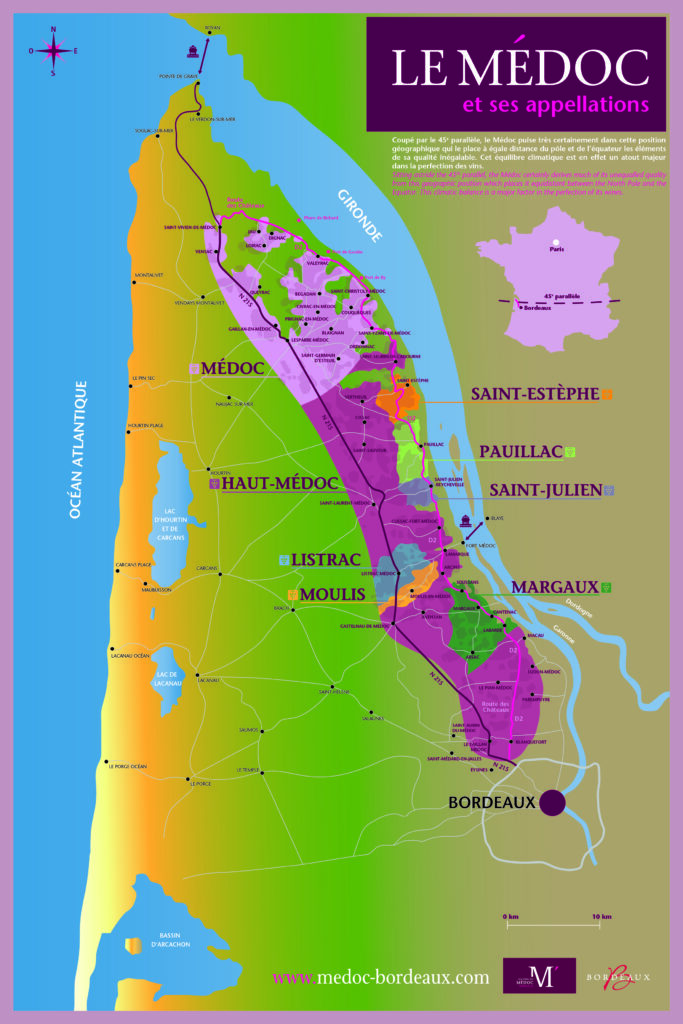
While Cru Bourgeois châteaux exist throughout the Médoc, certain appellations have become particularly renowned for their concentration of high-quality properties.
This tiny appellation (it's the smallest in the Médoc) punches well above its weight. With no classified growths to overshadow them, Moulis producers have built their reputation on pure quality. The appellation's diverse soils—from deep gravel beds to clay-limestone—create wines with both power and elegance.
Must-visit châteaux: Chateau Paveil de Luze et Pomeys are two worth seeing in Moulis.
The wines here blend Cabernet Sauvignon's structure with Merlot's generosity, creating bottles that age gracefully for 15-20 years while remaining approachable in youth.
Listrac flies under most tourists' radar, which is precisely why you should visit. Situated on the Médoc's highest plateau with significant clay content in the soils, Listrac produces structured, age-worthy wines with firm tannins and dark fruit character. These aren't wines for immediate gratification—they're for patient cellaring.
Notable estates: Château Fonréaud (exceptional quality-to-price ratio).
Give Listrac wines at least 7-10 years to soften and reveal their complexity. When mature, they offer remarkable value for cellaring enthusiasts.
The Haut-Médoc appellation sprawls across the southern Médoc, encompassing diverse terroirs. While it includes five classified growths, the real treasure hunt here lies in discovering exceptional Cru Bourgeois properties tucked between famous neighbors.
Don't miss: Château Malescasse is one of Decanter Tours' favorites, Château Lamothe Bergeron, Château d'Agassac (medieval fortress with excellent wine), Chateau de Malleret.
The stylistic range here is vast—from elegant, Margaux-like finesse to more structured Saint-Estèphe-style power, depending on specific terroir.
Some of the most exciting Cru Bourgeois discoveries come from properties within the "famous four" appellations—Pauillac, Saint-Estèphe, Saint-Julien, and Margaux. While these regions are dominated by classified growths, their Cru Bourgeois châteaux offer an accessible entry point into these prestigious terroirs.
In Pauillac, Château Plantey delivers classic Pauillac power at reasonable prices. In Saint-Estèphe, look for Château Le Crock and Château Lafitte Carcasset—both producing wines that would fit comfortably among the appellation's classified growths. Margaux's Cru Bourgeois properties like Château d'Arsac offer that signature elegance and perfume without the sticker shock.
La classification officielle et complète par niveau.
La classification est homologuée par arrêté ministériel.
L'ABUS D'ALCOOL EST DANGEREUX POUR LA SANTÉ. À CONSOMMER AVEC MODÉRATION.
Visiting Cru Bourgeois châteaux offers a completely different experience from touring classified growths—and in many ways, a better one for genuine wine enthusiasts.
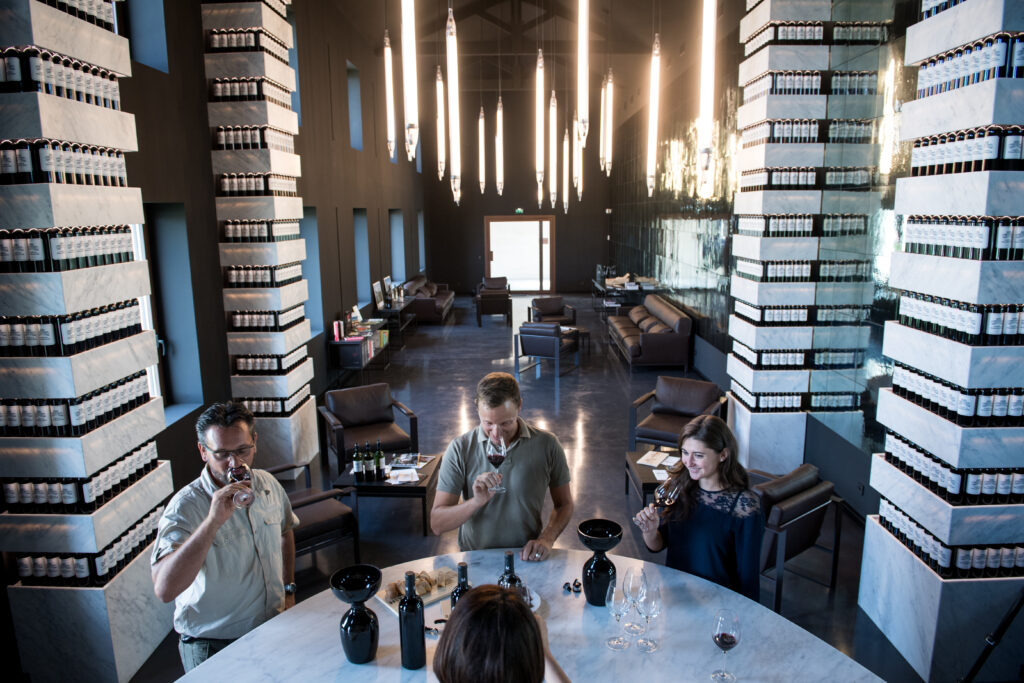
Visit Cru Bourgeois Estates with Decanter Tours
Accessibility: Most Cru Bourgeois properties welcome visitors with far less advance notice than classified growths. Many don't require appointments at all during normal visiting hours, though calling ahead is always courteous and recommended.
Intimacy: You're more likely to meet actual winemakers, owners, or estate managers rather than professional tour guides. These are working estates where the people pouring your wine are often the same ones making harvest decisions and blending choices.
Value: While classified growth tastings can cost €50-€150 per person, many Cru Bourgeois estates offer complimentary or modestly priced tastings (€10-€20). You'll taste more wines, learn more, and spend less.
Authenticity: Without throngs of tourists, these visits feel more like discovering a secret than ticking off a bucket list. You're exploring, not checking boxes.
Timing Your Visit: September through October during harvest provides unparalleled insight into winemaking, though châteaux are understandably busy. Spring (April-May) offers perfect weather and less crowded estates. Avoid August when many properties close for summer holidays.
Geography Matters: The Médoc is long and narrow. Base yourself in Pauillac for central access, or split your time between Margaux (south) and Saint-Estèphe (north). Don't try to visit more than 3-4 châteaux per day—you'll want time to savor the experience and the wines.
Transportation: Designate a driver, hire a professional guide, or join a small group tour specializing in Cru Bourgeois properties. The distances between châteaux and rural roads make this essential. Many premium services now focus specifically on these hidden gems.
Learning Opportunities: Ask to see vineyards, barrel cellars, and blending facilities. These properties are often more willing to offer technical tours than their famous neighbors. Don't be shy about asking detailed questions—winemakers here love sharing their passion with genuinely interested visitors.
A well-planned Cru Bourgeois tour might include:
Day 1 - Moulis and Listrac Immersion: Start at Château Maucaillou's wine museum for context, then visit Poujeaux and Chasse-Spleen in Moulis before heading to two Listrac properties. You'll understand these overlooked appellations' distinct personalities.
Day 2 - Haut-Médoc Exploration: Focus on the diverse Haut-Médoc appellation, visiting properties like Sociando-Mallet, Cambon la Pelouse, and perhaps a medieval château like d'Agassac for historical context alongside excellent wine.
Day 3 - Prestigious Neighbors: Explore Cru Bourgeois properties within Pauillac, Saint-Estèphe, and Margaux. You'll taste how these châteaux capture their appellations' character while offering superior value.
For American wine collectors, Cru Bourgeois wines offer an intelligent foundation for cellar building. Here's how to approach collecting these hidden gems:
Focus on recent strong Bordeaux vintages: 2019, 2020, 2022, and 2023 have all received acclaim. The 2019s are particularly approachable now while having 15+ years ahead of them. The 2016 and 2018 vintages also offer excellent structure for long aging.
Entry Level ($20-$35): Solid Cru Bourgeois from reliable properties. Great for understanding appellations and everyday enjoyment after 5-7 years of aging.
Sweet Spot ($35-$60): Cru Bourgeois Supérieur and top-tier Cru Bourgeois from exceptional vintages. These compete directly with $100+ classified growths and age beautifully for 15-20 years.
Investment Grade ($60-$100): Cru Bourgeois Exceptionnel from top vintages and properties like Sociando-Mallet. These appreciate over time and rival classified growth quality.
Don't be fooled by lower prices—many Cru Bourgeois wines are built for the long haul. Properties like Poujeaux, Sociando-Mallet, Potensac, and Phélan Ségur produce wines that can age 20-30 years in good vintages. The same Cabernet Sauvignon-dominant blends that make classified growths age-worthy apply here.
While at the châteaux, you can often purchase current releases directly, sometimes at better prices than retail. For older vintages and broader selection, work with US importers and retailers specializing in Bordeaux. Many Cru Bourgeois wines are well-distributed in America through importers like Wilson Daniels, Vintus, and Vineyard Brands. If you fall in love with wines during your visit, Decanter Tours can help arrange shipping to your home, handling all the logistics so you can focus on discovering your next favorite bottle.
The Cru Bourgeois classification's annual renewal system ensures its relevance and quality. As climate change continues affecting Bordeaux, the Médoc's cooler northern areas (where many Cru Bourgeois properties cluster) may gain advantages. Meanwhile, the classification's emphasis on environmental sustainability aligns with modern consumer values.
Investment in these properties continues growing, with prominent families and corporations recognizing their potential. This attention drives quality even higher, though it may gradually erode the value advantage over time. Now is the moment to explore, taste, and stock your cellar before the secret spreads further.
Beyond the First Growths isn't just about finding good deals—it's about discovering authentic Bordeaux. The vignerons you'll meet in these Cru Bourgeois cellars are passionate individuals who've chosen quality over easy money from higher yields. They're artists, farmers, and businesspeople who wake up thinking about how to coax the best expression from their land.
When you're standing in a centuries-old cellar in Moulis, tasting a wine that rivals châteaux costing five times as much, you're not just drinking wine—you're participating in the living history of Bordeaux. You're supporting producers who maintain tradition while embracing innovation, who care more about what's in the bottle than what's on the label's pedigree.
So yes, visit Château Margaux if you can secure an appointment. Tour Latour if the opportunity arises. But reserve most of your time for the hidden gems, the overachievers, the properties where someone will remember your name at your next visit. That's where you'll find the soul of Bordeaux—and exceptional wine that won't require a second mortgage.
Ready to explore these hidden gems yourself? Decanter Tours specializes in curating personalized Bordeaux experiences that go beyond the famous names. Our expert guides know these Cru Bourgeois properties intimately—the winemakers, the terroirs, the stories behind each bottle. We'll arrange exclusive access, handle all the logistics, and ensure you discover wines that will become the treasures of your cellar. Contact us today to design your perfect Cru Bourgeois adventure.
Your cellar—and your palate—will thank you.
What exactly is a Cru Bourgeois wine?
Cru Bourgeois is a quality classification for Médoc wines that sit below the famous 1855 Classification but often deliver comparable quality. Unlike the 1855 system, Cru Bourgeois status is earned annually through blind tasting, ensuring consistent quality. The classification includes three tiers: Cru Bourgeois, Cru Bourgeois Supérieur, and Cru Bourgeois Exceptionnel, with about 250 châteaux currently holding status.
How do Cru Bourgeois wines compare in quality to classified growths?
Many Cru Bourgeois wines, particularly those in the Supérieur and Exceptionnel categories, rival Fourth and Fifth Growth classified châteaux in blind tastings. They're made from the same terroir types, using similar techniques and grape varieties. The primary differences are historical classification and price—Cru Bourgeois typically cost $25-$60 versus $75-$300+ for similar quality classified growths.
Which Cru Bourgeois wines age the best?
Properties like Château Poujeaux, Sociando-Mallet, Potensac, Phélan Ségur, and Chasse-Spleen produce wines capable of aging 20-30 years in strong vintages. Look for wines with high Cabernet Sauvignon percentages from gravelly terroirs. Listrac wines, while firm in youth, develop beautifully over 15-20 years. Generally, Cru Bourgeois Exceptionnel and top Supérieur wines offer the best aging potential.
When is the best time to visit Cru Bourgeois châteaux?
Spring (April-May) offers ideal weather and less crowded estates with attentive hosts. Harvest (September-October) provides fascinating insight into winemaking, though properties are busy. Avoid August when many châteaux close for holidays. Generally, Cru Bourgeois properties are more accessible year-round than classified growths, often welcoming walk-in visitors during business hours.
Do I need appointments to visit Cru Bourgeois châteaux?
While many Cru Bourgeois properties accept walk-ins during business hours, calling ahead is always recommended and courteous. Some top estates (like Sociando-Mallet) require appointments, but scheduling is generally much easier than with classified growths. Email or call 2-7 days in advance for best results, though last-minute visits are often possible.
Are Cru Bourgeois wines available in the United States?
Yes, many Cru Bourgeois wines are well-distributed in the US through major importers. Availability varies by state, but wine shops specializing in Bordeaux typically carry multiple Cru Bourgeois properties. Prices in the US are often reasonable, though buying at the château during your visit can sometimes offer modest savings on current releases.
How should I store and serve Cru Bourgeois wines?
Store them like any fine Bordeaux: on their sides in a cool (55-58°F), dark, humid environment with minimal vibration. Young Cru Bourgeois wines benefit from decanting 1-2 hours before serving. Serve at 60-65°F (slightly cool room temperature). Most will improve with 5-10 years of bottle age, with top examples rewarding 15-20+ years of patience.
What's the best way to tour multiple Cru Bourgeois châteaux in a day?
Limit yourself to 3-4 châteaux maximum per day to avoid palate fatigue and allow time for meaningful conversations. Hire a driver or join a specialized tour focusing on Cru Bourgeois properties. Group châteaux geographically—spend one day in Moulis/Listrac, another in Haut-Médoc, etc. Always spit when tasting if you're driving, and bring water and snacks to cleanse your palate between visits.
Does Decanter Tours organize visits to Cru Bourgeois properties?
Absolutely! Decanter Tours specializes in creating customized wine experiences throughout Bordeaux, including comprehensive Cru Bourgeois tours. We have established relationships with top Cru Bourgeois estates across the Médoc, from Moulis and Listrac to Haut-Médoc and beyond. Whether you want a tour focused exclusively on Cru Bourgeois discoveries or prefer to blend them with classified growths, we'll design an itinerary that matches your interests, knowledge level, and cellar-building goals. Our guides provide expert context, secure access to sought-after properties, and handle all logistics including transportation and shipping arrangements.
Bordeaux's Left and Right Banks aren't just geographical designations—they represent two philosophies of winemaking, two distinct terroirs, and two very different expressions of what great wine can be as well as a cultural divide between the inhabitants. Separated by the Gironde Estuary, these regions have developed their own identities over centuries, each producing wines that have shaped global perceptions of what Bordeaux should taste like. Traditionally the left bank inhabitants would not set foot on the right banks and vice versa. Today that has changed and many owners have properties on both banks.
For travelers and wine lovers planning a visit to this legendary region, understanding these distinctions transforms a casual tour into a meaningful exploration of wine culture. Whether you're seeking austere, age-worthy investments or voluptuous, pleasure-driven bottles for immediate consumption, Bordeaux has something extraordinary to offer.
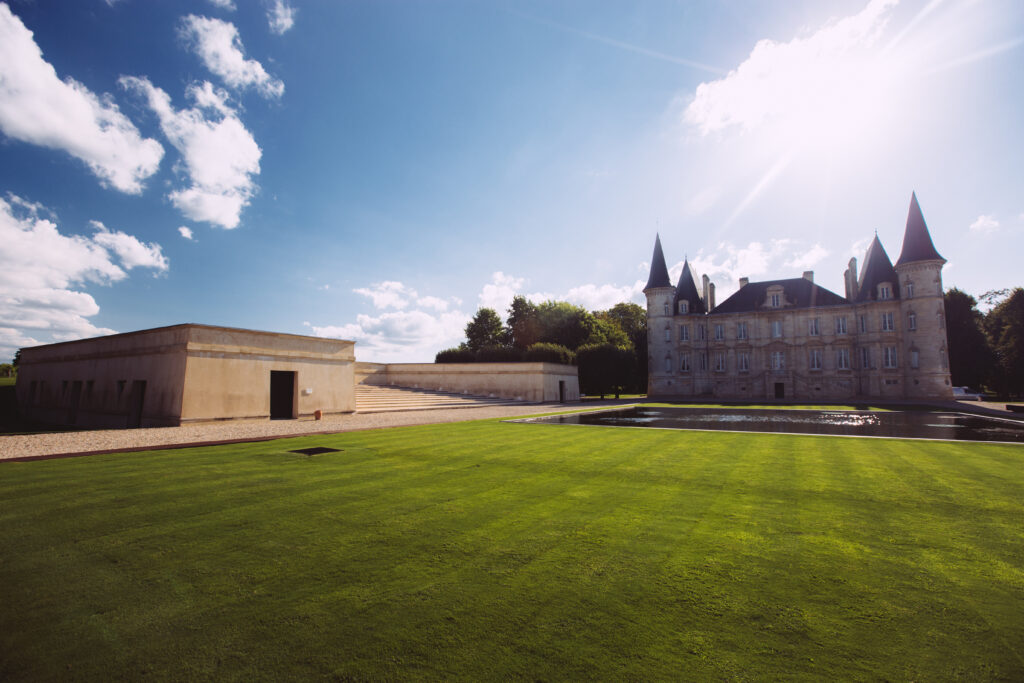
Terroir of the Medoc
The Left Bank encompasses the prestigious regions of the Médoc, Graves. Geologically, this area is characterized by gravel-topped plateaus interspersed with clay and sand. These gravels, deposited by ancient rivers, warm quickly during the day and retain heat through the night, creating an ideal microclimate for ripening Cabernet Sauvignon. Since we tend tohave cool nights here this help retain the acidity in the grapes creating freshness. The excellent drainage provided by these gravelly soils prevents waterlogging during Bordeaux's rainy winters and springs, concentrating the vine's energy into producing smaller, more intensely flavored berries.
The most prestigious communes—Pauillac, Margaux, Saint-Julien, and Saint-Estèphe—all sit on similar gravel-based plateaus, though subtle variations in soil composition create distinct stylistic differences between them. Such is the importance of the terroir here, the chateau owners in this area will tell you how old their gravel is and where it comes from.
Cabernet Sauvignon reigns supreme on the Left Bank, typically comprising 60-85% of the blend, with Merlot, Cabernet Franc, and Petit Verdot playing supporting roles. This grape variety, with its thick skin and inherent tannins, thrives in Bordeaux's cooler microclimate. When fully ripe, Cabernet Sauvignon produces wines of remarkable structure, complexity, and age-worthiness.
Left Bank Bordeaux are characterized by their power and architectural precision. You'll encounter bold cassis and blackcurrant flavors, often mingled with hints of cedar, graphite, and violets. The wines are typically medium to full-bodied with firm, gripping tannins that can feel almost austere in their youth. This is wine that demands attention, that requires food pairings, and that often improves dramatically over 10, 20, or even 30 years in the bottle.
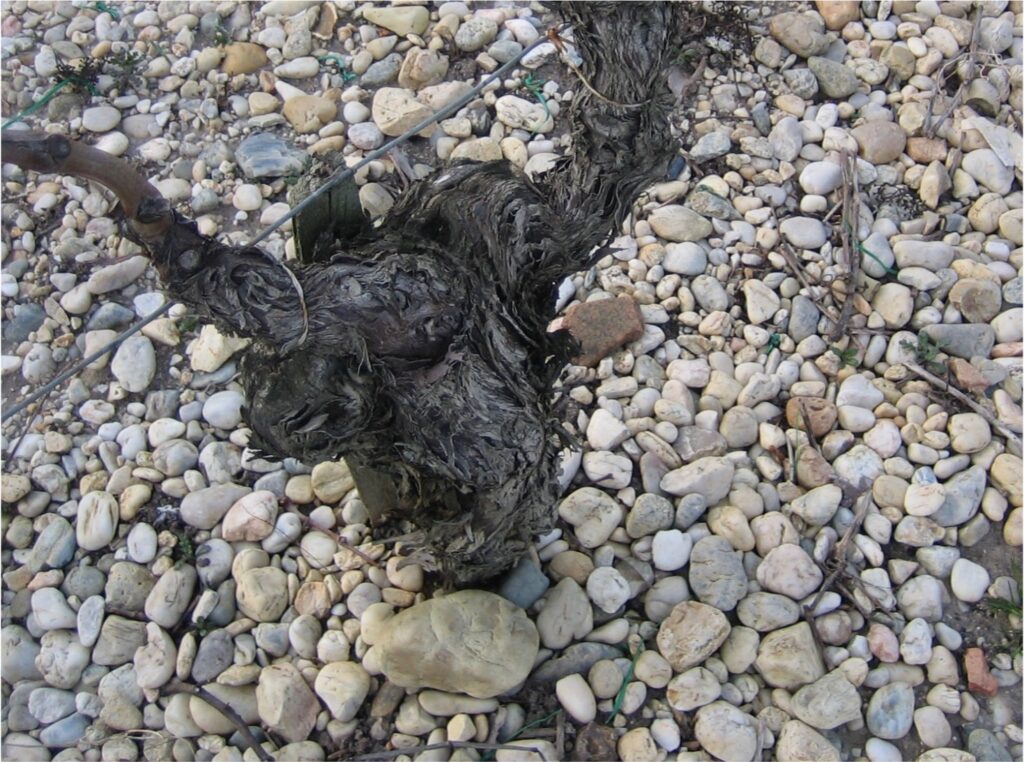
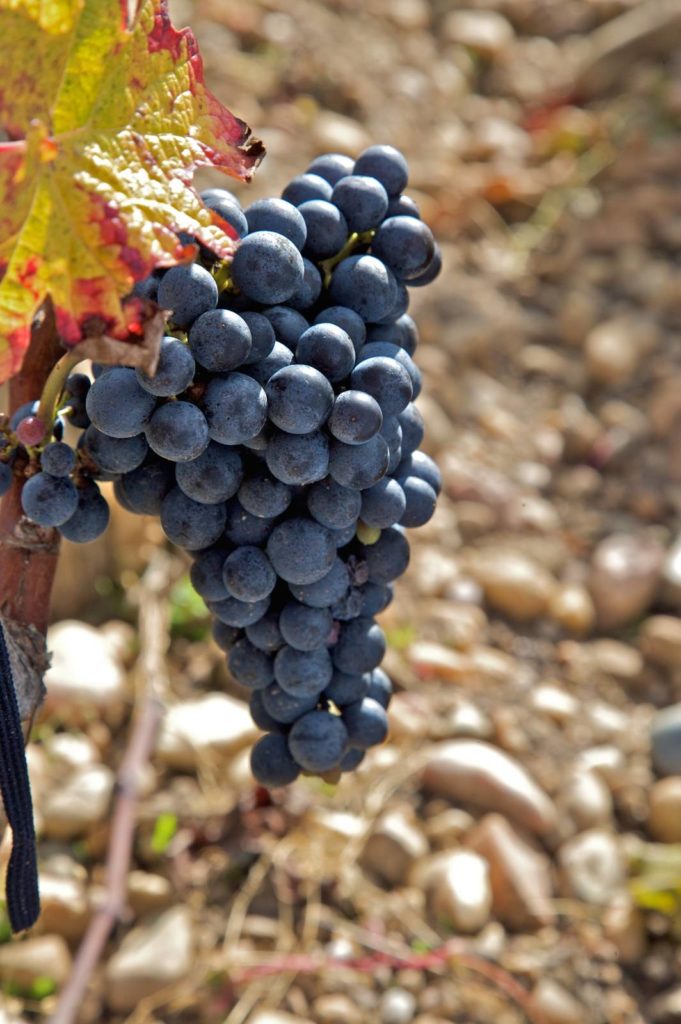
The Left Bank is home to many of Bordeaux's most celebrated châteaux, including first growths like Lafite Rothschild, Latour, and Mouton Rothschild. The 1855 Classification that established Bordeaux's hierarchy was based primarily on Left Bank estates, reflecting their historical prominence and the consistent quality they've delivered.
Investment in Left Bank Bordeaux is a serious pursuit. These wines command premium prices because they possess the structure and complexity to become increasingly valuable—both in terms of drinking pleasure and monetary investment—as they age. A 1982 Château Latour or 1996 Château Pichon-Longueville is likely worth substantially more today than when it was released.
All this being said the Medoc and Graves regions are full of smaller family owned wineries. The other classifications of the Medoc, the Crus Bourgeois and the Crus Artisans attest to this.
Visiting Left Bank estates often feels like stepping into aristocratic history. The châteaux are frequently grand, the estates expansive, and the approach to winemaking deeply traditional. Some of these properties have been in the same families for generations, and this continuity is reflected in their wines. However in recent years, substantial investment by large insurance and luxury goods companies have overtaken the Medoc. A visit to Pauillac or Margaux combines world-class wine tasting with cultural immersion in how old-world wine excellence is maintained.
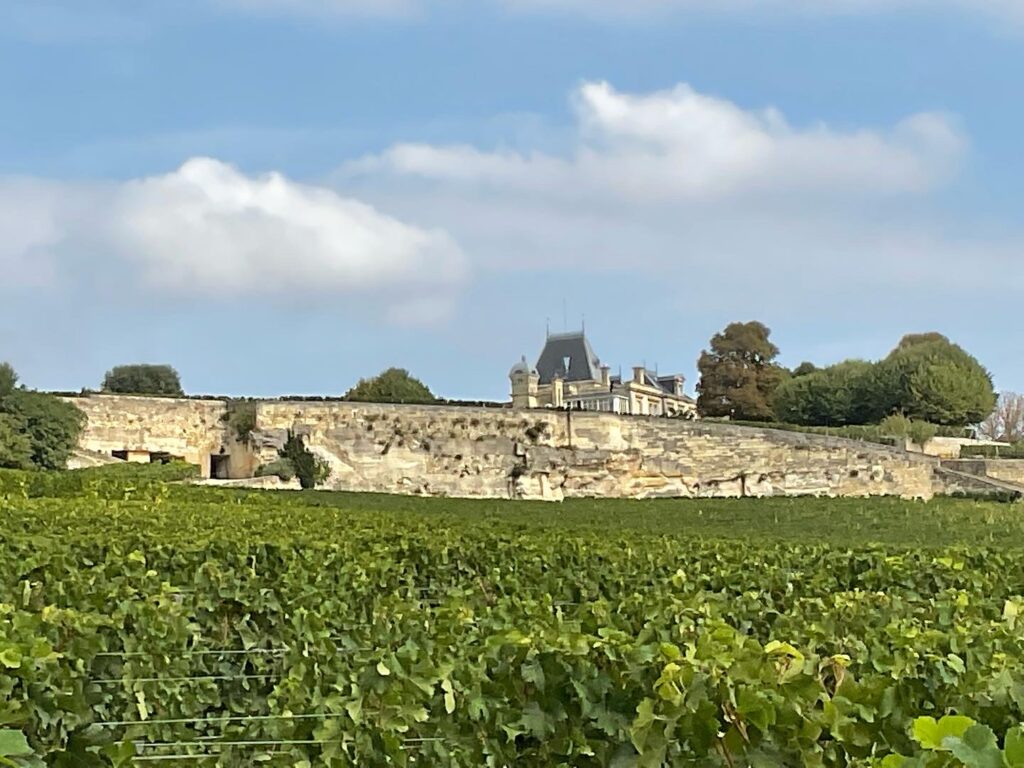
Right Bank Terroir
The Right Bank's most celebrated areas—Pomerol and Saint-Émilion—sit on the right side of the Gironde Estuary. Unlike the Left Bank's gravel plateaus, Right Bank terroir is characterized by clay, limestone, and iron-rich soils. Pomerol, in particular, is known for its clay-rich soils with deposits of iron oxide that give the region its distinctive character. Saint-Émilion features a more varied geology, with limestone plateau areas (the "Côtes") and clay-limestone slopes, creating a diversity of microclimates and wine styles.
These soils retain more moisture than Left Bank gravels, which actually benefits Merlot, the dominant variety here. Merlot prefers slightly cooler, damper conditions than Cabernet Sauvignon, and the Right Bank's terroir is ideally suited to this grape's requirements.
Merlot takes center stage on the Right Bank, typically representing 50-90% of the blend, with Cabernet Franc, Cabernet Sauvignon, and occasionally Malbec providing structure and complexity. Merlot's naturally softer tannins and plush texture create wines that are approachable in their youth while still capable of serious aging.
Right Bank Bordeaux tend to be richer and more voluptuous than their Left Bank counterparts. You'll find intense red and dark fruit flavors—plum, cherry, damson—complemented by earthy undertones, leather, and often a touch of chocolate or licorice. The wines are typically medium to full-bodied with velvety textures and riper, rounder tannins that integrate more quickly into the wine.
Where Left Bank wines often feel like a complex symphony requiring several years to fully reveal themselves, Right Bank wines frequently offer immediate pleasure. A well-made Right Bank Bordeaux from a recent vintage can be absolutely delicious to drink within 3-5 years of release, though the finest examples continue to evolve beautifully for decades.
While the Right Bank has prestigious names like Château Pétrus and Le Pin commanding astronomical prices, there's a wider range of quality levels and price points across the region. This accessibility is part of the Right Bank's appeal. You can find excellent, age-worthy wines at significantly lower price points than comparable Left Bank offerings, making this region ideal for collectors building their cellars and enthusiasts seeking quality without stratospheric costs.
Saint-Émilion's classification has been a moveable feast unlike the never changing 1855 classification of the Médoc and Graves. The Saint-Émilion classification, a system revised approximately every ten years, caused significant controversy due to the departure of several major châteaux and changes to the classification criteria.
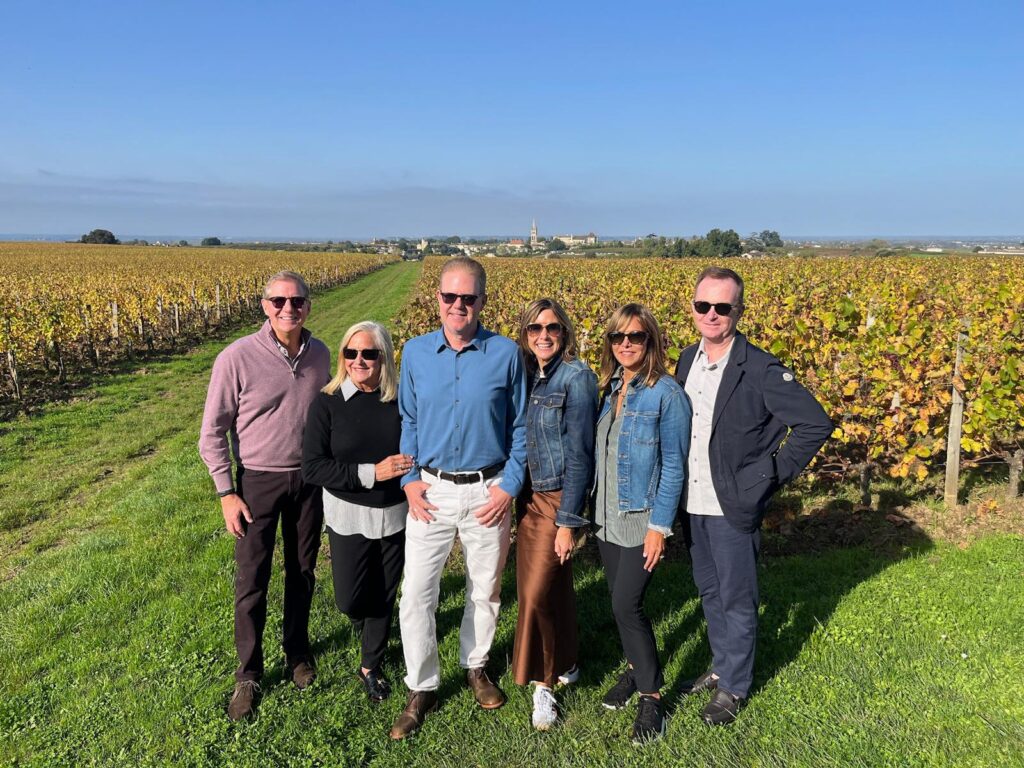
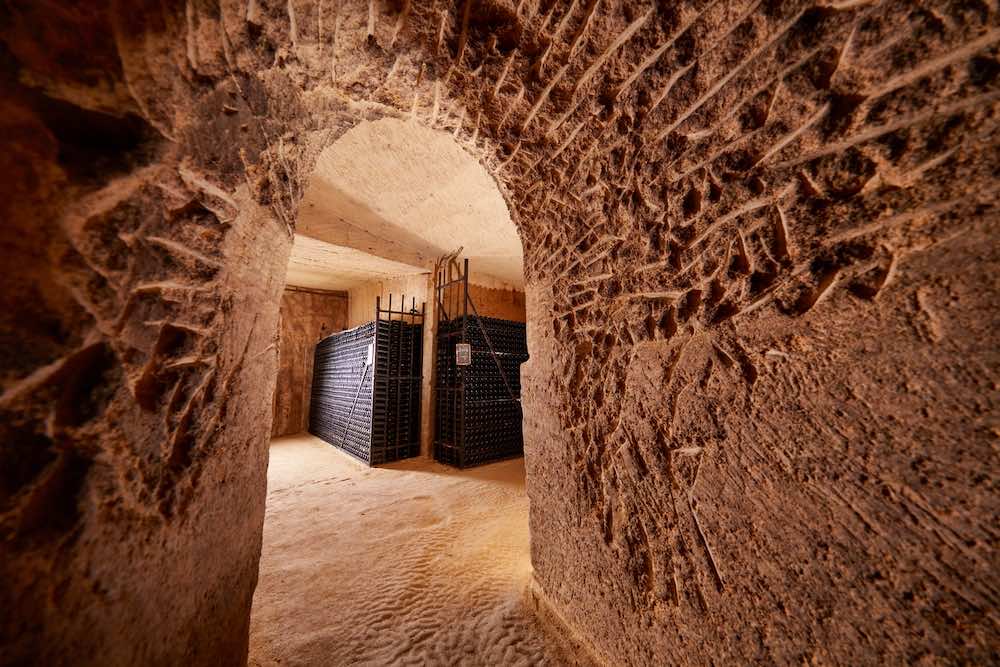
Right Bank estates often feel more intimate and artisanal than their Left Bank counterparts, though this is a generalization with many exceptions. Many Pomerol properties are family-run, very small, and deeply focused on crafting their particular expression of Merlot. Saint-Émilion, with its picturesque UNESCO World Heritage site and medieval town perched above the vineyards, offers a more tourist-friendly experience with charming streets, excellent restaurants, and a palpable sense of wine culture woven into daily life.
Visiting the Right Bank feels less like museum touring and more like discovering culinary artistry in progress. The châteaux are often charming rather than monumental, and proprietors frequently engage visitors in genuine conversation about their wines and approach to winemaking.
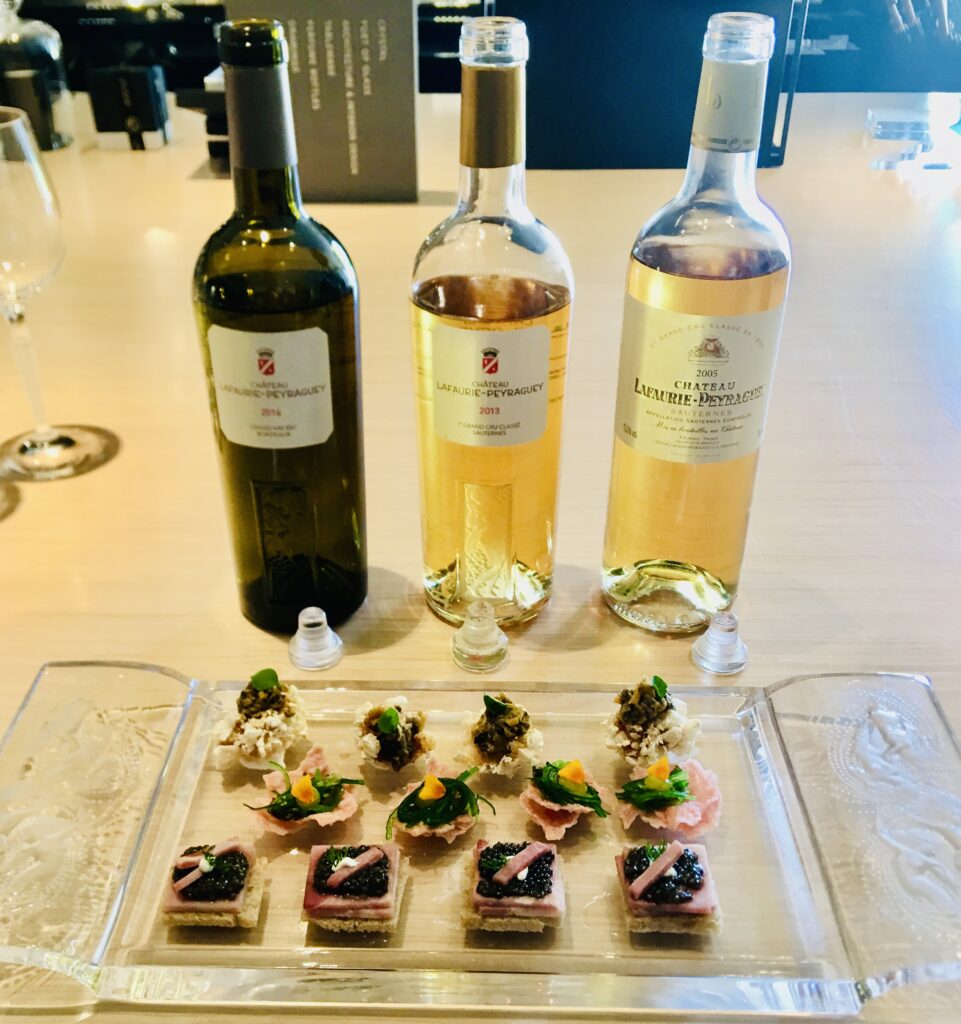
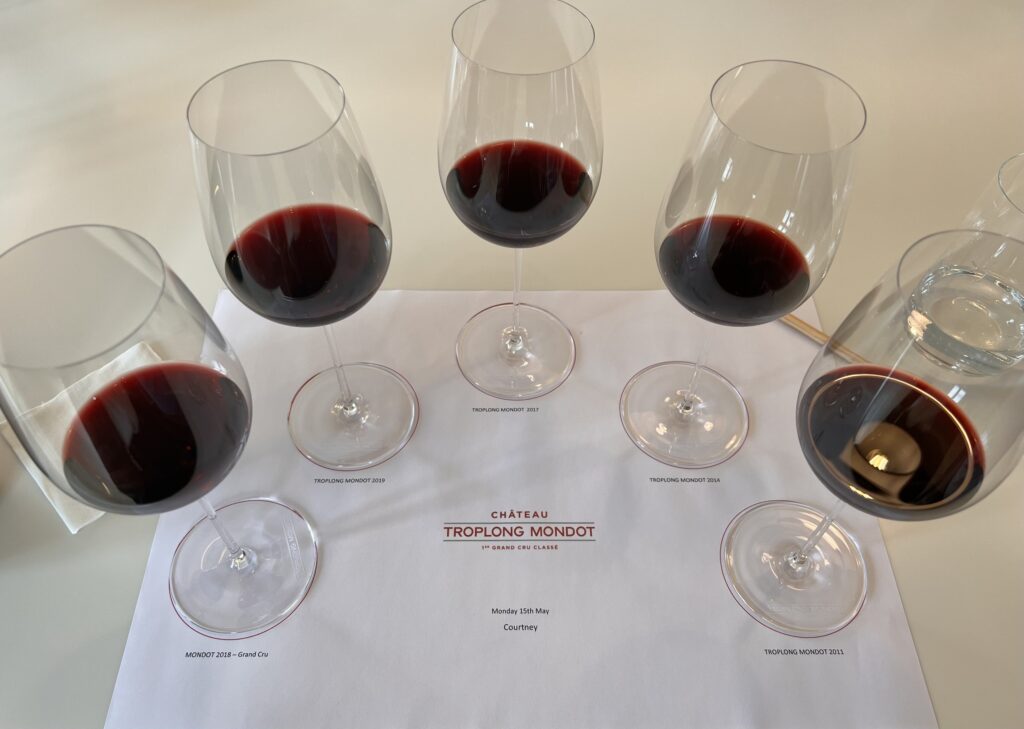
| Aspect | Left Bank | Right Bank |
|---|---|---|
| Primary Grape | Cabernet Sauvignon | Merlot |
| Terroir | Gravel plateaus, excellent drainage | Clay, limestone, iron oxide, higher moisture |
| Style | Structured, austere, architectural | Voluptuous, velvety, immediately accessible |
| Tannins | Firm, gripping, slow to integrate | Soft, round, quick to integrate |
| Primary Flavors | Cassis, cedar, violets, graphite | Plum, cherry, chocolate, leather |
| Aging Potential | 15-50+ years common | 10-30 years typical |
| Price Range | Wide, with many $200+ bottles | Wider accessibility, more sub-$50 options |
| Drinking Window | Often 5-10+ years before optimal | Often 3-5+ years for enjoyment |
| Châteaux Character | Grand, aristocratic, traditional | Intimate, artisanal, familial |
The answer depends entirely on your preferences, occasion, and cellar strategy.
Choose the Left Bank if you love powerful wines with complexity that evolves over time, if you enjoy the intellectual engagement of matching food with structured wines, or if you're building a collection of age-worthy investments. Left Bank Bordeaux reward patience and contemplation. A 20-year-old Left Bank bottle tastes profoundly different—and often better—than its young counterpart. These wines appeal to those who view wine as a journey rather than a destination.
Choose the Right Bank if you value immediate pleasure, if you prefer wines that shine without extensive aging, or if you want excellent quality at more accessible price points. Right Bank wines are perfect for dinner parties where you want sophistication without pretense, for discovering new producers without massive financial commitment, or for building a drinking collection as well as an investment portfolio. These wines celebrate the joy of wine in the present moment.
Of course, the ideal approach is to explore both. Most serious wine enthusiasts maintain a collection that spans both banks, enjoying the Left Bank's structured complexity on contemplative evenings and reaching for the Right Bank's plush voluptuousness when the mood calls for immediate gratification.
Visit Saint Emilion and the Medoc
Understanding Bordeaux's Left and Right Bank distinction teaches a fundamental lesson about wine: terroir—the complete natural environment affecting a wine's character—genuinely matters. The same grape varieties planted on different soils, with different drainage patterns and microclimates, produce distinctly different results. Just look at Merlot's reputation in N. America. The wines made of Merlot there taste nothing like a Merlot based Bordeaux.
Both banks also represent a commitment to tradition. Bordeaux's winemaking practices, classifications, and reputation have developed over hundreds of years. While innovation continues, it's always in conversation with tradition rather than in rejection of it. This balance between honoring the past and embracing the future is part of what makes Bordeaux exceptional.
For travelers, this means a visit to either bank is an education in wine history, terroir, and human dedication to craft. Whether you're walking through grand châteaux or intimate family properties, you're witnessing centuries of accumulated knowledge about how to coax extraordinary wine from the earth.
Bordeaux's Left and Right Banks represent two distinct but equally magnificent expressions of winemaking excellence. The Left Bank's structured, age-worthy Cabernet-based wines and the Right Bank's elegant, accessible Merlot-based offerings both deserve a place in your wine journey. Neither is objectively superior; they're simply different, each with its own beauty and purpose.
The most rewarding approach to Bordeaux is curiosity. Taste widely across both banks. Notice how the same vintage expresses itself differently across terroirs. Discover which styles resonate with your palate. Build your collection in both directions. And, crucially, plan a visit to experience these regions in person, where you can taste the terroir in its native context and understand why these wines have captivated the world for centuries.
On a more practical note, each bank takes at least one if not two days to visit. Have a look at the sample tours for each or contact us for a full 3 - 5 day tour of all the Bordeaux vineyards.
The Medoc in a day
Saint Emilion in a day and
the Graves in a day.
Q: Can I cellar Right Bank wines as long as Left Bank wines?
A: Many Right Bank wines, particularly from top producers in Pomerol and Saint-Émilion, age beautifully for 20-30 years or more. However, they typically reach their drinking plateau sooner than Left Bank wines. A 15-year-old Right Bank Bordeaux might be at its absolute peak, while a 15-year-old Left Bank wine could still be developing. Always check specific producer recommendations for cellaring guidance.
Q: Which bank offers better value?
A: The Right Bank generally offers better value for quality-conscious drinkers. You can find excellent, sophisticated Right Bank wines at price points where you'd find entry-level Left Bank offerings. However, "value" depends on your goals—if you're investing, Left Bank's prestige may justify premium prices.
Q: Is Left Bank wine more prestigious?
A: Historically and commercially, yes—the 1855 Classification solidified Left Bank prestige. However, top Right Bank producers like Pétrus command prices rivaling first growths. Prestige and quality are linked but not identical. The best wine is the one that brings you pleasure.
Q: Can I drink Left Bank Bordeaux young?
A: Absolutely. Its all a question of taste. While Left Bank wines improve with age, quality examples are often quite enjoyable at 5-7 years old. They're simply less evolved than they'll be at 15 or 25 years. Younger Left Bank wines showcase fresh, vibrant fruit characteristics that appeal to many drinkers.
Q: What's the best way to taste both banks side-by-side?
A: A comparative tasting of similar vintages and price points from both banks is revelatory. Try a 2015 Left Bank wine (say, a Pauillac from a mid-level producer) against a 2015 Right Bank wine (perhaps a Saint-Émilion from a well-regarded château) at similar prices. The differences in structure, flavor, and texture become immediately apparent.
Q: Do I need to visit the châteaux to appreciate these wines?
A: Not at all—excellent Bordeaux is available worldwide, and you can develop sophisticated understanding through tasting at home. However, visiting adds an irreplaceable sensory dimension. Tasting a wine in its native context—seeing the soils, meeting the winemakers, understanding the terroir visually—deepens appreciation immeasurably.
Q: Which bank should I visit first?
A: This depends on your interests. If you prefer grand historic estates and structured wine education, start with the Left Bank (Pauillac or Saint-Julien). If you prefer intimate settings and immediate wine enjoyment, begin with the Right Bank (Pomerol or Saint-Émilion town). Most of our visitors do both. In terms of logistics, using central Bordeaux as a starting point they both take just under an hour to reach by car. Since the Medoc is a long peninsula, getting back at the end of the day, should you venture up to Saint Estephe in the northern part of the area can take up to 2 hours.
Now that you understand the fundamental differences between Bordeaux's Left and Right Banks, it's time to experience them for yourself. There's simply no substitute for tasting these wines in their native habitat, meeting the passionate winemakers behind the bottles, and understanding how terroir shapes every sip.
Book your wine tour with Decanter Tours today. We offer expertly curated experiences that showcase the best of both banks:
Our knowledgeable guides provide insider access to premier châteaux, facilitate tastings with winemakers and cellar masters, and ensure every moment of your journey deepens your wine knowledge and enjoyment. Whether you're a seasoned collector, an enthusiastic amateur, or simply curious about wine, our tours transform Bordeaux from a distant legend into a lived experience.
Don't just read about great wine—taste it, live it, and remember it forever.
[Reserve Your Bordeaux Wine Tour Now]
Contact us today to customize your perfect Bordeaux experience. Your adventure awaits.
The 2022 Saint-Émilion classification, a system revised approximately every ten years, caused significant controversy due to the departure of several major châteaux and changes to the classification criteria. The withdrawals of powerhouses like Ausone, Cheval Blanc, and Angélus have reshaped the appellation's landscape, leaving many collectors to reassess the significance of the ranking. This guide delves into the key changes, the reasons behind the controversy, and the implications for the future of Saint-Émilion.
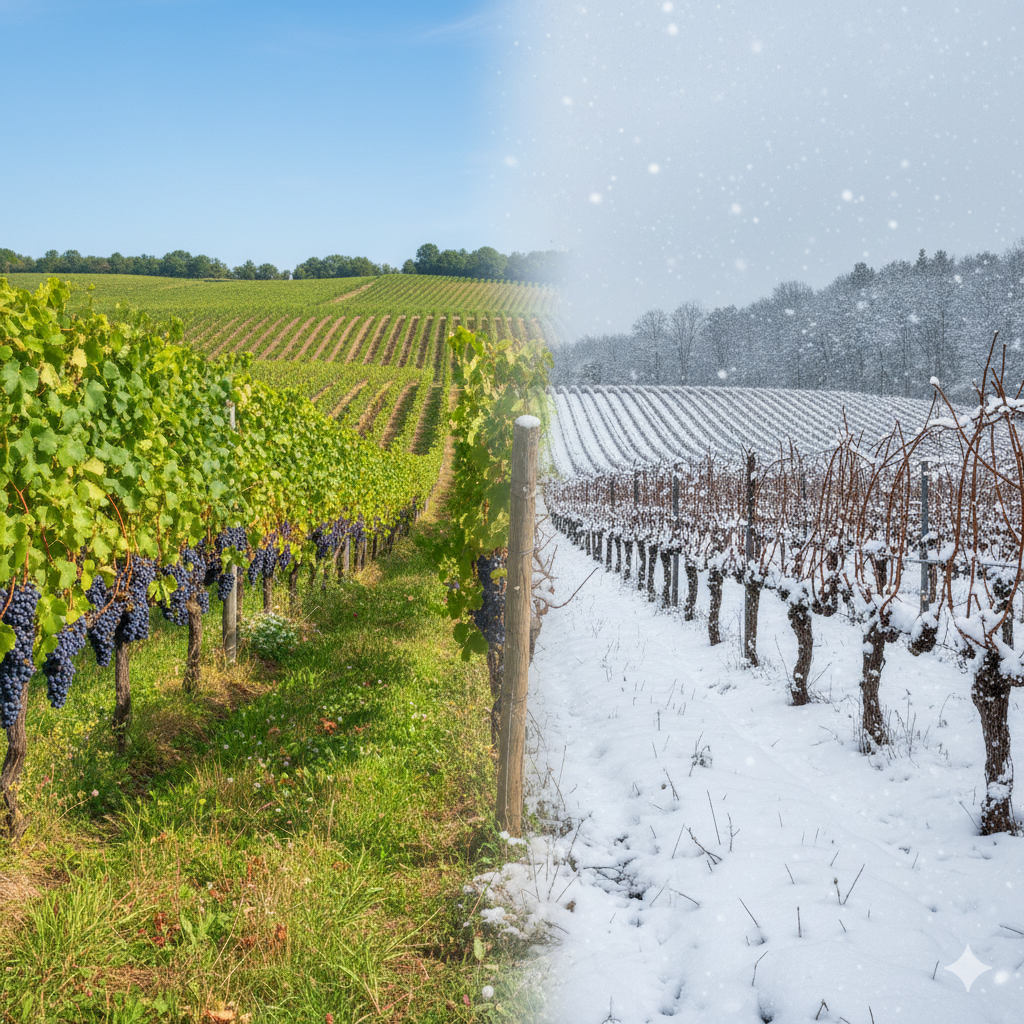
Unlike the static 1855 classification of the Médoc, the Saint-Émilion classification is re-evaluated periodically to reflect the evolving quality of its châteaux. This method is not without its challenges. The 2022 edition was the seventh since its inception in 1955, and it proved to be one of the most tumultuous. The list officially released in September 2022, featured 85 estates: two Premiers Grands Crus Classés A, 12 Premiers Grands Crus Classés, and 71 Grands Crus Classés. This marked a shift from the 2012 ranking, which had four estates at the top "A" level.
The most notable changes were the promotions and demotions that came with the new ranking. After long being considered unfairly overlooked, Château Figeac was elevated to the top tier, Premier Grand Cru Classé A, joining Château Pavie. This promotion was widely anticipated and celebrated, acknowledging Figeac's consistent quality and strong reputation.
The biggest story of the 2022 classification wasn't who was in, but who was out. Three of the four reigning Premier Grand Cru Classé A châteaux from 2012—Cheval Blanc, Ausone, and Angélus—all announced their withdrawal from the process. Their decisions, made sequentially in 2021 and 2022, sent shockwaves through the wine world and underscored deep-seated dissatisfaction with the system.
Each château had its own reasons, but a common thread emerged: a belief that the classification's criteria had strayed too far from the fundamentals of terroir and wine quality.
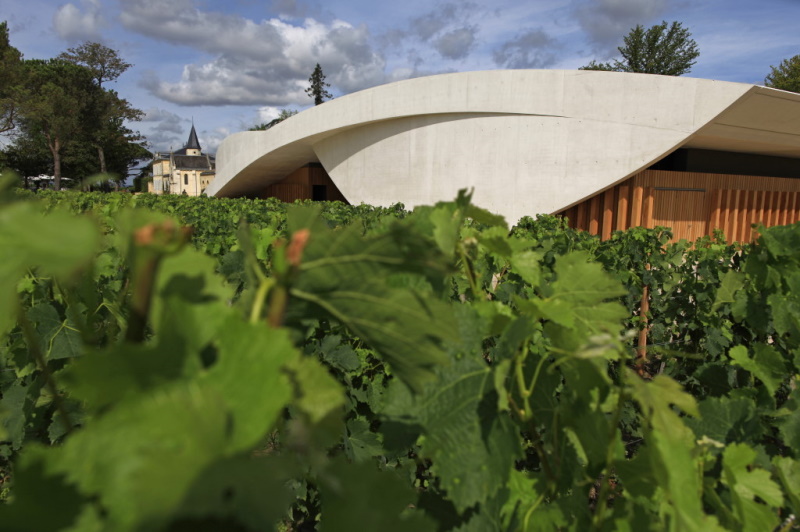
The controversy surrounding the 2022 classification extends beyond the high-profile departures. The changes to the evaluation criteria were at the heart of the matter. The revised system, overseen by the French national appellation authority (INAO), stipulated a 50% weighting for blind tastings of multiple vintages. While this might seem positive, other factors like reputation, marketing activities, and viticultural techniques also played a significant role. For some producers, the balance was off, particularly at the highest levels of the classification.
The departures of the three top-tier châteaux have left a gaping hole in the classification. They are no longer permitted to display their classified status on their labels for new vintages, and the once-revered "Premier Grand Cru Classé A" category has been reduced from four to just two estates. This has raised questions about the credibility and relevance of the system itself. Can a classification truly represent the pinnacle of a region's wines if some of its most famous and highest-regarded estates are no longer a part of it?
For collectors, this new landscape presents a challenge and an opportunity. The value and reputation of Ausone, Cheval Blanc, and Angélus are so well-established that their absence from the classification has had no discernible negative impact on their market performance. In fact, their prices have remained strong, driven by brand recognition and consistent critical acclaim. The market, it seems, has its own classification system.
The departures also open the door for a new generation of winemakers. The 2022 classification saw many new entrants and promotions, rewarding those who have invested heavily in their properties and winemaking. This "healthy rivalry," as some in the region describe it, could drive innovation and quality throughout the appellation.
A simple overview of Bordeaux's dynamic wine hierarchy.
Total Classified Châteaux
The pinnacle of the classification.
Recognizing estates of outstanding quality.
This largest tier comprises 71 estates, including new and re-classified properties, demonstrating a high standard of quality.
The 2022 Saint-Émilion classification is more than just a list of names; it's a reflection of a region grappling with its identity. For collectors, the lesson is clear: while the official ranking remains a useful reference, it's no longer the sole arbiter of quality in Saint-Émilion. The true face of Saint-Émilion is now a dual one, with an official classification coexisting alongside a powerful, unclassified "top layer" of world-class estates.
When collecting, consider the following:
The 2022 classification marks a pivotal moment in Saint-Émilion's history. It's a reminder that even in the most traditional of wine regions, change is inevitable. The market and savvy collectors are now the ultimate judges, guided by a new and ever-evolving understanding of what makes a great Saint-Émilion wine.
Q: What is the Saint-Émilion classification?
A: The Saint-Émilion classification is a ranking system that organizes the wines of the châteaux of the Saint-Émilion wine region in Bordeaux, France. Unlike the well-known but static 1855 classification of the Médoc, the Saint-Émilion ranking is revised every ten years to reflect changes in the quality and reputation of the estates.
Q: Why was the 2022 classification so controversial?
A: The 2022 classification was controversial due to the high-profile withdrawal of three of its four top-ranked estates (Ausone, Cheval Blanc, and Angélus). These châteaux claimed that the classification's criteria had strayed too far from focusing on terroir and wine quality, instead placing too much weight on marketing, social media, and tourism.
Q: What were the key changes in the 2022 classification?
A: The 2022 classification saw the number of Premiers Grands Crus Classés A reduced from four to two (Château Ausone, Cheval Blanc, and Angélus withdrew), with Château Figeac being newly promoted to this top tier. The classification also saw many other estates promoted to the lower tiers.
Q: Did the withdrawal of the châteaux affect their market value?
A: No, the market value and reputation of Ausone, Cheval Blanc, and Angélus have remained strong. Their brands are so well-established that their absence from the official classification has had little to no negative impact on their market performance.
Q: Does the classification still matter?
A: Yes, the classification remains a useful reference and continues to influence the market. However, for many collectors, it is no longer the sole indicator of quality in Saint-Émilion. The market itself has developed a separate "classification" that recognizes the quality of the unclassified, top-tier estates.
Experience the finest private wine tours in Bordeaux and beyond. With over 20 years of expertise, we craft tailor-made wine journeys to iconic regions like Médoc, Saint-Émilion, Burgundy, and Champagne. Explore exclusive chateaux with expert guides and seamless planning for a truly unforgettable experience.