The finest fizz in the world is just 45 minutes from Paris. Here's how to arrive like an insider — not a tourist.
Few day trips from Paris match the elegance of a journey into the Champagne region. The rolling chalk hills of the Montagne de Reims, the legendary crayères cellars carved beneath Reims and Épernay, the ritual of a perfectly poured flûte — it is an experience that rewards careful planning.
Done well, a day in Champagne leaves you with a genuine understanding of what makes this sparkling wine extraordinary. Done hastily — with a generic tour group and no advance booking — you'll spend more time queuing than tasting.
Here is everything you need to know, from train times to tasting etiquette, and why more discerning travellers choose to go with a private guide.
Reims is the natural base for a Champagne day trip. Direct TGV services from Paris Gare de l'Est reach Reims in under 45 minutes — one of the most civilised commutes imaginable. Trains depart frequently throughout the day, and a return ticket typically costs between €25–€60 depending on how far in advance you book.
Book your outward train for around 8:30am to maximise time in the region. An evening departure around 7pm gives you a full, unhurried day without any rushed farewells.
Alternatively, Épernay — the so-called "capital of Champagne" and home to the famous Avenue de Champagne — is accessible by train from Paris Est, with a journey of around 1h20. Many visitors combine both cities in a single day with private transport. See our article comparing the two towns. click here
| Route | Journey time | Approx. fare | Best for |
|---|---|---|---|
| Paris Est → Reims (TGV) | 44 min | €25–€60 | Speed & grandes maisons |
| Paris Est → Épernay | ~1h20 | €20–€45 | Avenue de Champagne |
| Private chauffeur from Paris | ~1h30 | On request | Full flexibility, village producers |

The region's most celebrated maisons open their cellars to visitors, but the experience varies enormously. Some offer polished but impersonal visits — useful for orientation. Others offer intimate access to winemakers, library vintages, and private salons that never appear on any public booking page.
In Champagne, the best experiences are never advertised. They are earned — over years of visits, shared glasses, and the kind of trust that only comes with time. The partnerships below are not available to the public, not listed on any booking platform, and not something you will find with any other tour operator. We are rather proud of that.
One of the Montagne de Reims' most cherished addresses — and one of its most discreet. Pierre Paillard receives Decanter Tours guests with the kind of generosity that simply cannot be booked online. Past visits have included a candlelit picnic lunch set among the vines, with a table dressed for a dinner party in the middle of the grand cru. It is the sort of thing you describe to friends and watch them refuse to believe.
The oldest wine house in Champagne deserves more than a standard cellar tour — and with Decanter Tours, it gets one. Our guests are received by Gosset's technical director, whose knowledge of the house's history, viticulture, and winemaking philosophy transforms a tasting into a genuine masterclass. This is not a public offer. It is a conversation between professionals, and our guests are invited in.
We are not being coy for effect — we genuinely cannot name this one. What we can tell you is that it is one of the most recognised names in Champagne, that their private château is among the most beautiful properties in the region, and that Decanter Tours has exclusive access for private group events. It seats a larger party in considerable style. If you are planning something memorable for a group, ask us — and we will tell you more in confidence.
The chalk cellars — or crayères — beneath Reims and Épernay are as impressive as any cathedral. Many date back to Roman times and maintain a constant temperature of 10–12°C, ideal for slow ageing. A great cellar visit is not just a tasting: it is a lesson in geology, history, and craft.
Public tours typically last 60–90 minutes and end with a tasting of one or two cuvées. A private visit, arranged through a specialist like Decanter Tours, can include vertical tastings of multiple vintages, a walk through restricted areas of the cellar, and a conversation with the chef de cave or winemaker.
This is the question every first-time visitor asks. Both options are valid — but they deliver very different days.
| What you get | Solo / Independent | With Decanter Tours |
|---|---|---|
| Access to grande maison cellars | Public tours, if available | ✓ Priority access, often private |
| Grower-producer visits | ✗ Rarely possible | ✓ Our speciality |
| Library vintage tastings | ✗ Not on public menus | ✓ Via our house contacts |
| Winemaker introductions | ✗ Rarely offered | ✓ Arranged in advance |
| Bespoke itinerary | ✗ Fixed schedules | ✓ Built around your interests |
| Transport & logistics | Self-managed | ✓ Fully handled |
| Expert interpretation | Audio guides / signage | ✓ WSET-qualified guide throughout |
Seen enough to know you want more? Our Champagne specialists are ready to build your perfect day trip — just tell us your dates.
Start planningDecanter Tours has spent years cultivating relationships across the Champagne region — not just with the famous grand marques, but with the small family estates and innovative grower-producers whose wines rarely leave the region. These are not connections you can replicate by booking online the night before.
Our guides are wine-educated specialists who understand what a serious enthusiast wants: depth, context, and access. We do not do conveyor-belt tours. We do not rush cellars. We take pride in curating days that leave our guests genuinely changed in their understanding and appreciation of Champagne.
Some guides know Champagne from a textbook. Julien knows it the way only a native can — through the streets of Reims he grew up in, the cellars he has spent a lifetime exploring, and the stories that never quite make it into the guidebooks.
After years of travelling and collecting experiences around the world, he came back to the region he loves most — not because there was nowhere left to go, but because there is nowhere quite like it. His days are built around history, anecdotes, and the firm belief that a great Champagne visit should above all be fun. Expect to leave with a full glass, a head full of stories, and very possibly a new favourite producer.
Julien meets you off the train and you depart immediately — no waiting, no fuss.
A family-run grand cru estate on the Côte des Blancs, founded in 1960 and now in its second generation. You'll be received by a family member — the kind of intimate visit that sets the tone for the whole day.
The UNESCO-listed birthplace of Champagne — and the resting place of Dom Pérignon himself. Julien brings the history to life in a way no audio guide ever could.
We know where the locals eat. A table will be reserved for you at a restaurant chosen for the occasion.
A tour of Champagne's most iconic cellars, followed by a commented tasting of two signature cuvées. Grand in scale, and genuinely illuminating.
A stroll along the UNESCO-listed avenue where the great houses built their empires — and where Julien's anecdotes are, frankly, better than any plaque.
A masterpiece of Gothic architecture and the coronation church of French kings for eight centuries. Not to be rushed, and not to be missed.
Time for a final glass, a little shopping, or both. The station is a 10–15 minute walk, with a 7:15pm train back to Paris.
"We'd visited Champagne before on our own and enjoyed it — but this was on another level entirely. Our guide arranged a private tasting in a cellar that wasn't even open to the public. We left with bottles we couldn't have found anywhere else."
"The grower-producer visit was the highlight of our entire trip to France. Our guide clearly had a real relationship with the family — we were welcomed like old friends and tasted wines that simply don't appear on any wine list."
"I organised a surprise anniversary trip and Decanter Tours took care of every detail, including a magnificent lunch at a restaurant I'd never have found alone. An absolutely flawless day."
Dress comfortably but smartly. Cellar temperatures stay around 10–12°C year-round — bring a light layer even in summer. Smart-casual dress is appreciated at the prestige houses.
Eat before you start tasting. The region has excellent restaurants, from casual brasseries to Michelin-starred dining. Ask us for current recommendations — we know where the locals eat.
Plan to buy. There is nothing quite like bringing home a bottle of Champagne you tasted in the cellar it was made. Many growers offer prices you will simply not find elsewhere.
Book ahead — always. Even the most accessible grande maison houses can be full weeks in advance, particularly in summer and during harvest. Private experiences require even more lead time. We manage all of this for you.
Still have questions? Our team is happy to talk through any aspect of your trip — no obligation, no pressure.
Talk to our teamReims, the main city of the Champagne region, is just 44 minutes from Paris by TGV from Gare de l'Est. Épernay — home to the famous Avenue de Champagne — is around 1h20 by train. By private car or chauffeur, both are under two hours, with the flexibility to stop at village producers along the way.
Yes — always. The most sought-after experiences at houses like Ruinart, Taittinger, and Krug fill up weeks ahead, particularly in summer and during harvest (September–October). Private visits arranged through Decanter Tours are secured well in advance as part of your itinerary, so you never arrive to find a tour fully booked.
In theory, yes — but in practice it is very difficult. Many small family estates do not have public-facing booking systems, conduct visits by appointment only, and prioritise visitors with whom they have an established relationship. This is precisely where Decanter Tours adds the most value: our longstanding contacts in the region open doors that are simply closed to independent visitors.
The region is beautiful year-round, but late spring (May–June) offers lush green vineyards and pleasant temperatures, while harvest season (late September–October) is the most atmospheric time to visit — with the added bonus of seeing the winemaking process first-hand. Winter visits are quieter and more intimate, with a different kind of magic in the chalk cellars.
Every itinerary is bespoke, so pricing depends on the experiences you choose, group size, and level of access required. Contact us with your dates and interests and we will prepare a tailored proposal. Most clients find the cost is substantially offset by the depth of access and the elimination of any logistical stress.
Absolutely. Our guides are skilled at calibrating their approach to the group — whether you are a Master of Wine or someone who simply loves a good glass of fizz. The Champagne region is as much about landscape, architecture, and history as it is about wine, and a well-designed day trip has something extraordinary to offer everyone.
Yes. We can organise private chauffeur transfers from central Paris, arrange first-class train tickets, or meet you at Reims station — whichever works best for your group. We handle all logistics so you can focus entirely on the experience.
Whether you are planning your first visit to the region or looking to go deeper than you ever have before, Decanter Tours is here to make it exceptional. Choose how you'd like to get started:
AT A GLANCE
Reims is a grand cathedral city with world-famous Champagne houses and rich history, ideal for culture lovers and luxury travellers. Épernay is the intimate heart of the Champagne region, home to the legendary Avenue de Champagne and a gateway to grower-producer vineyards. The good news? You don't have to choose — Decanter Tours can craft an itinerary that captures the best of both.
The Champagne region of northeast France is one of the world's most celebrated wine destinations, and at its heart lie two remarkable cities: Reims and Épernay. Both lay claim to the title of Champagne capital — and both are right. But they offer distinctly different experiences, and choosing the right base can make all the difference to your tour.
In this guide, we'll walk you through what makes each city special, who each one suits best, where to stay, and how Decanter Tours can turn your Champagne dream into an unforgettable reality.
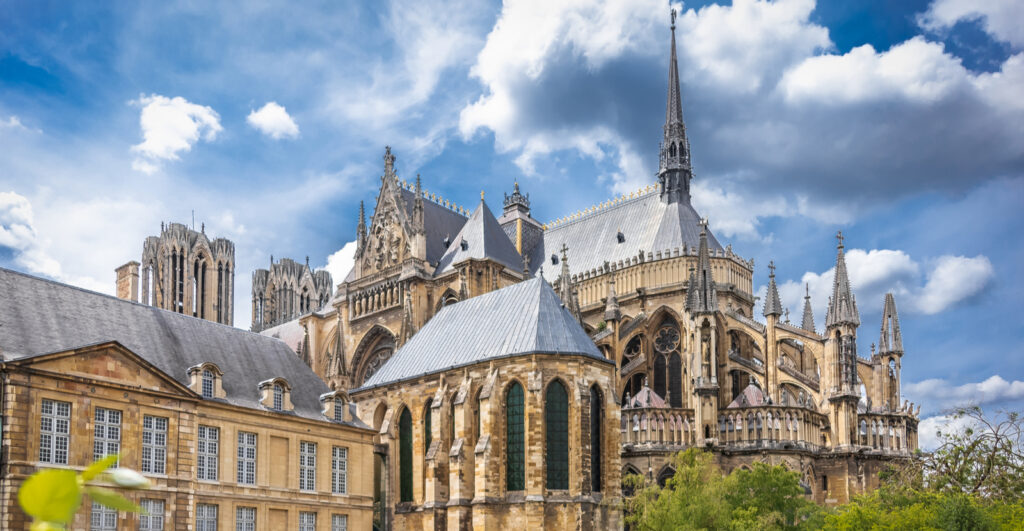
Reims (pronounced "Rance") is a city of magnificent proportions. It was the coronation city of French kings for over a millennium, and that regal grandeur is still palpable today. The soaring Cathédrale Notre-Dame de Reims, a UNESCO World Heritage Site, dominates the skyline and sets the tone for a city that pairs world-class fizz with world-class culture.
With a population of around 180,000, Reims has the infrastructure of a proper city — excellent restaurants, boutique hotels, galleries, and a vibrant local scene beyond the cellars.
Reims is home to some of the most iconic names in Champagne. The great houses — known as the Grandes Marques — have constructed an extraordinary network of chalk cellars (crayères) beneath the city streets, many of which date back to Roman times.
Houses you can visit in Reims include:
These are bucket-list cellar visits — part wine education, part architectural wonder.
Domaine Les Crayères ★★★★★ — This is arguably the most prestigious address in the entire Champagne region. A magnificent Belle Époque château set in private parkland, Domaine Les Crayères is the benchmark for Champagne luxury. Its two-Michelin-starred restaurant Le Parc is a destination in itself, and the cellar collection is exceptional. Decanter Tours can arrange exclusive access and bespoke dining experiences here.
La Résidence Eisenhower ★★★★ — 17 Boulevard Lundy, 51100 Reims. A superb choice for those who want character, comfort, and a story to tell. This handsome property housed General Eisenhower during World War II and has been sensitively transformed into an elegant boutique hotel. Ideally located in the heart of Reims, the atmosphere is personal and refined — an excellent base for exploring the city's great Champagne houses.
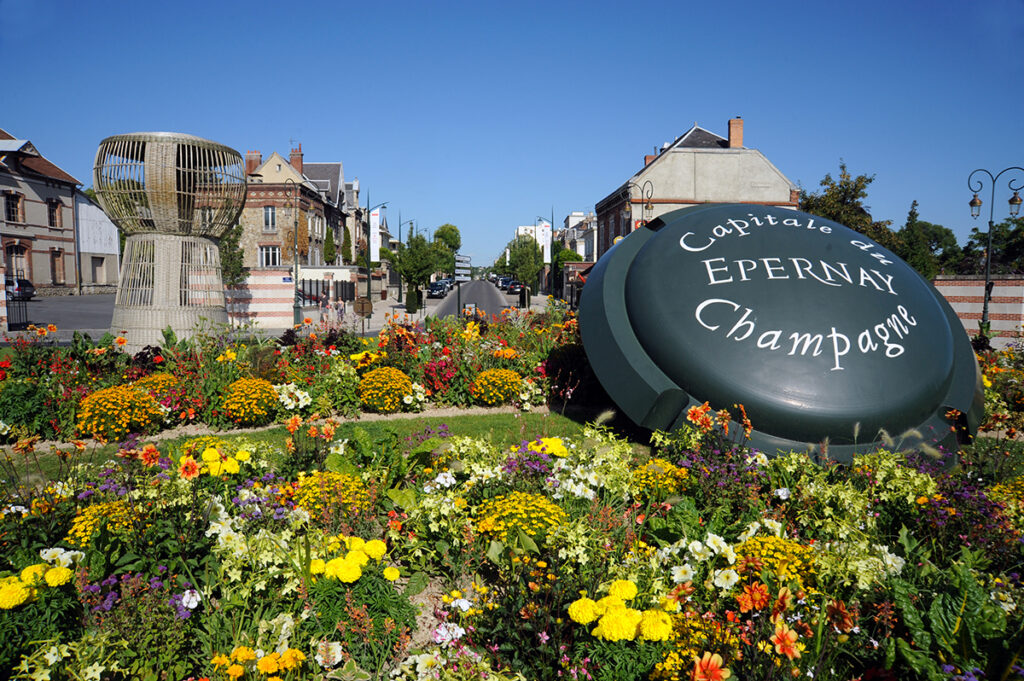
If Reims is Champagne's imperial capital, Épernay is its beating heart. This smaller town of around 25,000 people is home to the most famous street in the wine world: the Avenue de Champagne.
Lined with palatial 19th-century mansions — the headquarters of houses such as Moët & Chandon, Pol Roger, Perrier-Jouët, and de Castellane — this boulevard is estimated to have over 200 million bottles ageing beneath its surface. Walking it feels like strolling through wine history.
Épernay's real secret weapon is its position at the intersection of three of Champagne's most celebrated sub-regions: the Montagne de Reims, the Vallée de la Marne, and the Côte des Blancs. From Épernay, you're perfectly placed to explore the village producers — the récoltants-manipulants — crafting some of the most exciting, terroir-driven Champagnes in the world.
This is where serious wine lovers find their paradise: small-scale, family-run estates offering personal tours, intimate tastings, and wines you simply can't find in a supermarket.
Royal Champagne Hotel & Spa ★★★★★ — Perched dramatically above the vineyards in the village of Champillon, just minutes from Épernay, the Royal Champagne is one of the region's most celebrated luxury addresses. With breathtaking panoramic views over the Marne valley, a renowned spa, and exceptional cuisine, it is a destination in its own right. The perfect retreat for those who want to be immersed in the vines themselves.
La Villa Eugène ★★★★ — Set in a beautifully restored 19th-century mansion in the heart of Épernay, La Villa Eugène offers elegant, individually decorated rooms and a warm, personal welcome. Surrounded by its own vines and a tranquil garden, it perfectly captures the charm and intimacy that makes Épernay so special.
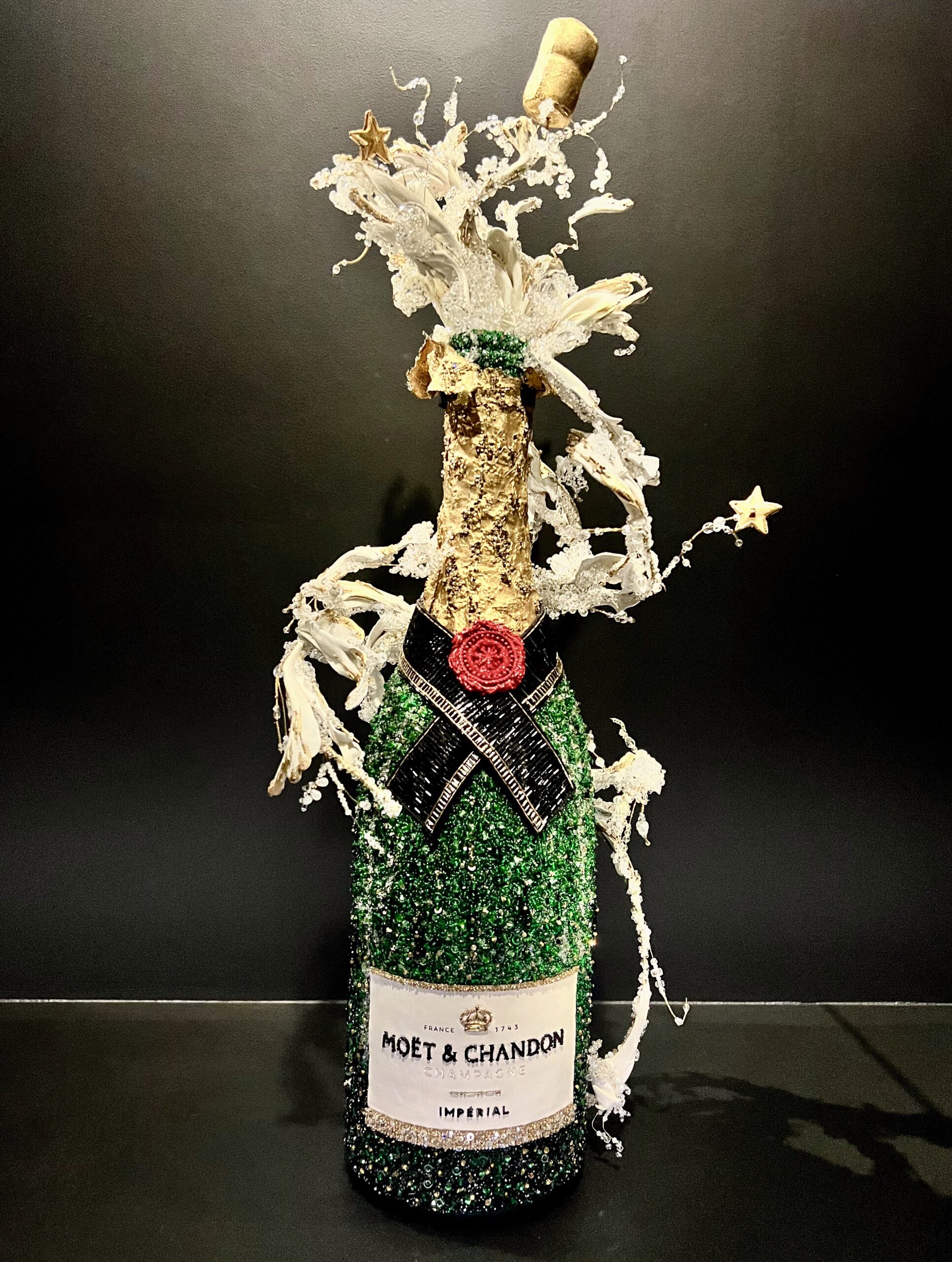
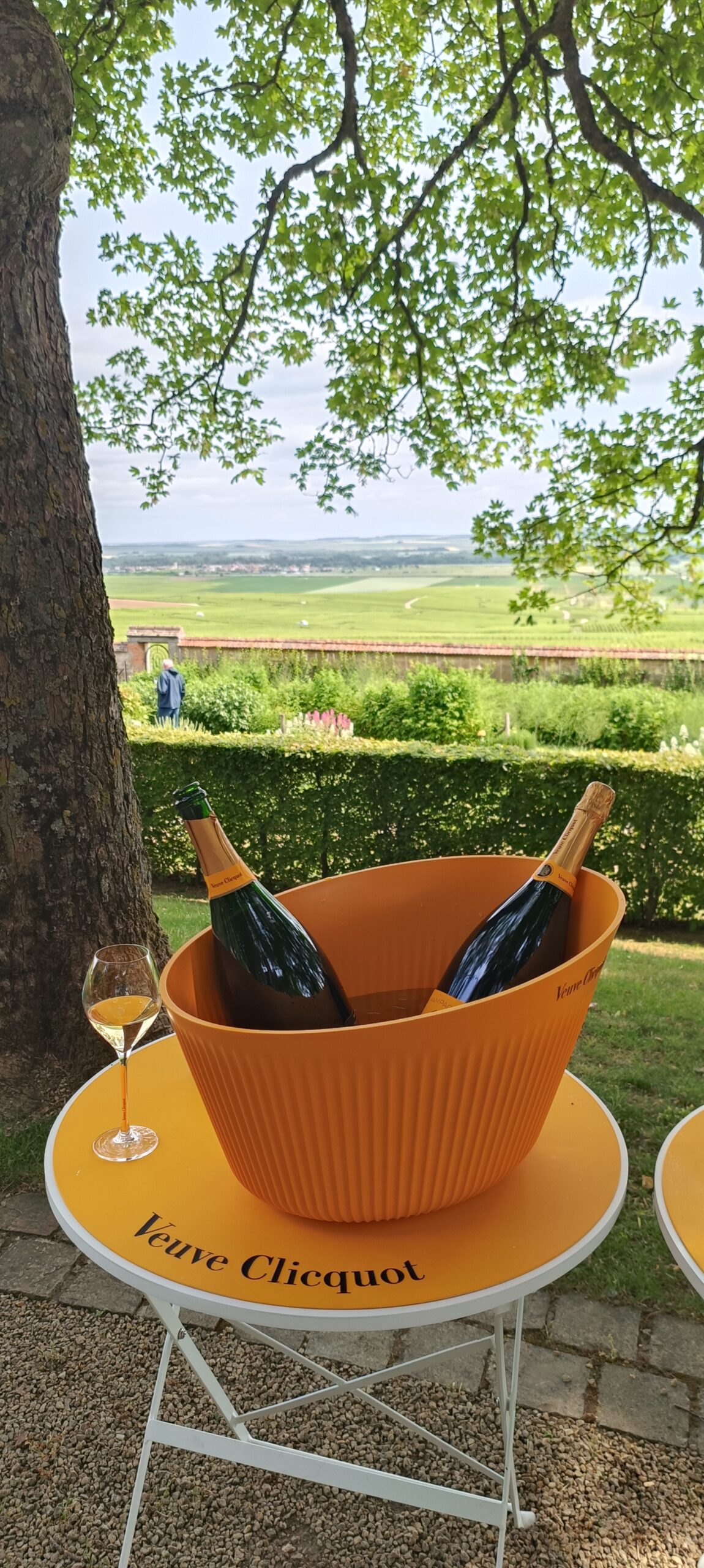
| Reims | Épernay | |
|---|---|---|
| City Vibe | Grand & cosmopolitan | Intimate & village-like |
| Best For | Culture, history, luxury | Wine depth, vineyards, romance |
| Champagne Style | Grande Marques & iconic houses | Grower producers & terroir |
| Cellar Highlight | Roman crayères | Avenue de Champagne |
| Dining | Michelin-starred & fine dining | Bistros & local markets |
| Hotels | Domaine Les Crayères, La Résidence Eisenhower | Royal Champagne Hotel & Spa, La Villa Eugène |
✦ READY TO PLAN YOUR CHAMPAGNE TOUR?
Decanter Tours specialises in bespoke Champagne experiences — from private cellar visits to vineyard picnics with grower producers. Let us handle every detail.
Book Your Champagne Tour with Decanter Tours Today
The best news for Champagne lovers is that Reims and Épernay are only 26 kilometres apart — about 25 minutes by car or train. A well-designed tour can effortlessly incorporate the highlights of both cities, giving you the grandeur of Reims and the intimacy of Épernay in a single, seamless itinerary.
A typical Decanter Tours Champagne itinerary might look something like this:
Every tour is tailored to your preferences, pace, and palate.
The most prestigious Champagne houses — particularly Ruinart, Krug, and Salon — require advance reservations, sometimes months ahead. Decanter Tours handles all bookings on your behalf, ensuring access to visits that independent travellers often cannot secure.
✦ EXCLUSIVE ACCESS, GUARANTEED
Decanter Tours has established relationships with Champagne's finest houses and grower producers. We secure private visits, priority access, and exclusive tastings that are simply not available to walk-in guests.
Contact Decanter Tours to Start Planning Your Bespoke Champagne Experience
If this is your first visit to the Champagne region, Reims offers a spectacular introduction: iconic houses, UNESCO-listed architecture, and world-class dining all in one city. That said, many first-timers find Épernay's Avenue de Champagne the single most memorable experience of their trip. Decanter Tours recommends a combined itinerary whenever time allows.
A minimum of three nights allows you to do the region justice. Four to five nights lets you explore both Reims and Épernay comfortably, with time for vineyard drives and village visits. Decanter Tours offers itineraries from weekend breaks to week-long deep dives.
Some smaller grower-producers welcome walk-ins, particularly in quieter months. However, the major houses require advance reservations — and the most exclusive experiences are only available through established contacts. Decanter Tours handles all logistics so you can simply arrive and enjoy.
Grower Champagnes are produced by the same family who grows the grapes, rather than large négociant houses who blend from across the region. They tend to be more terroir-expressive and often extraordinary in quality. The villages around Épernay — particularly in the Côte des Blancs and Vallée de la Marne — are the best places to discover them.
Absolutely. The countryside is beautiful, the towns are welcoming, and there are plenty of non-wine activities — from cycling vineyard routes to visiting WWI memorials and museums. Decanter Tours can tailor itineraries for families or mixed groups.
Domaine Les Crayères is a five-star château — the pinnacle of Champagne luxury, with Michelin-starred dining and exceptional service. La Résidence Eisenhower is a four-star boutique hotel in the heart of Reims with wonderful historic character. Near Épernay, the Royal Champagne Hotel & Spa offers stunning vineyard views and a world-class spa, while La Villa Eugène provides intimate, elegant charm in a restored mansion. Each suits a different style of traveller — Decanter Tours can advise on the best fit for you.
✦ BEGIN YOUR CHAMPAGNE JOURNEY WITH DECANTER TOURS
Whether your heart is set on Reims, Épernay, or an itinerary that captures both, Decanter Tours is here to craft a Champagne experience as individual as the wines themselves.
Private cellar visits | Expert guides | Luxury accommodation | Bespoke itineraries
Nestled at the foot of the Côte d'Or in eastern France, Beaune is one of the world's great wine destinations — a medieval walled city where centuries of viniculture history live in every cobblestone, cellar, and glass. If Burgundy is the holy land of Pinot Noir and Chardonnay, then Beaune is its Jerusalem: the spiritual and commercial centre that has drawn pilgrims, merchants, and wine lovers for over 600 years.
Unlike some wine regions where production towns feel like afterthoughts, Beaune is an exceptional destination in its own right. Its perfectly preserved ramparts, the fairy-tale Hôtel-Dieu, Michelin-starred restaurants, and some of the most prestigious wine houses on the planet make it a place where you can spend days — and still feel you've only scratched the surface.
For Decanter Tours guests, Beaune is frequently the crown jewel of our Burgundy itineraries: the base from which we explore legendary vineyards, the setting for unforgettable cellar dinners, and a living classroom for understanding why Burgundy wine is unlike anything else on earth.
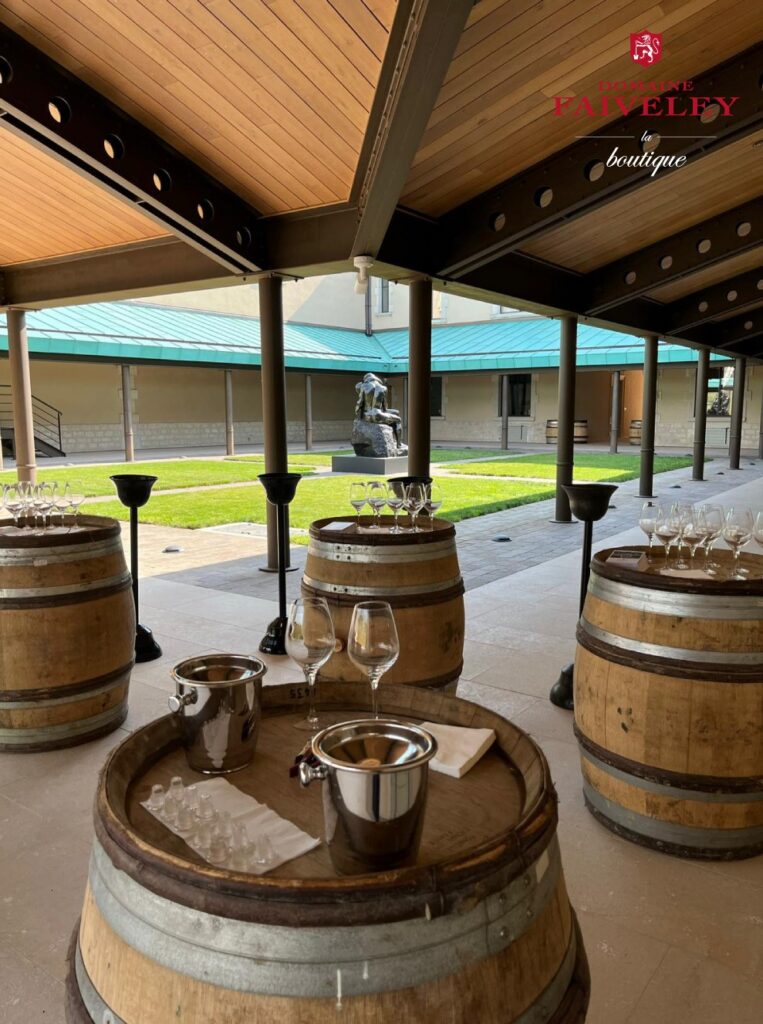
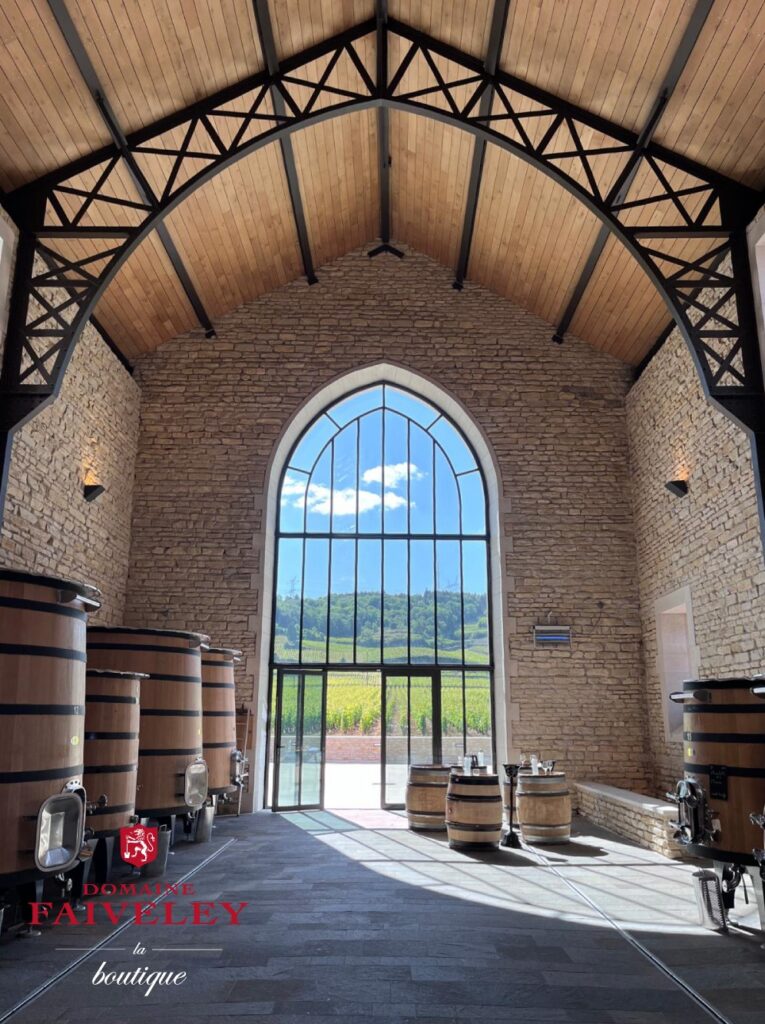
Beaune's claim to the title of wine capital of Burgundy isn't merely marketing — it's historical fact. The city has served as the trading hub of the region since the Dukes of Burgundy held court here in the 14th and 15th centuries, and the great négociant houses that line its streets — Bouchard Père & Fils, Joseph Drouhin, Louis Jadot, Patriarche — have shaped the global wine trade for generations.
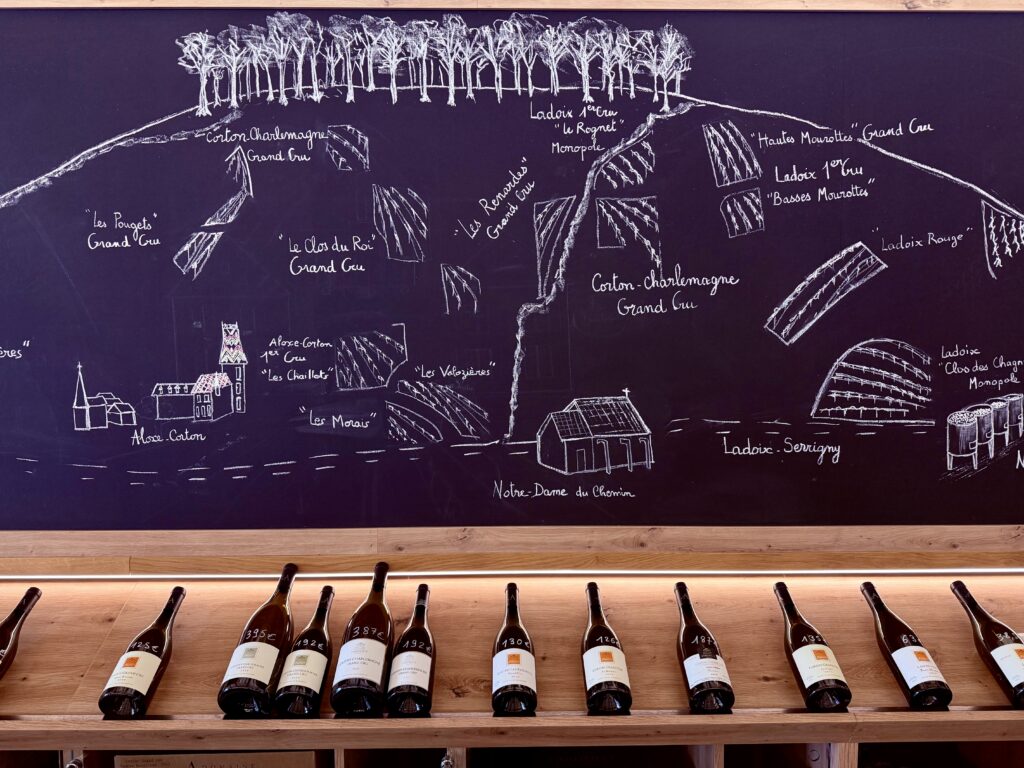
Beaune sits at the geographic centre of the Côte d'Or (literally, "Slope of Gold"), a narrow 50km limestone escarpment that produces some of the most expensive and sought-after wines in the world. To the north, the Côte de Nuits is Pinot Noir country — home to Gevrey-Chambertin, Vosne-Romanée, and the mythical Romanée-Conti. To the south, the Côte de Beaune gives us the world's greatest white Burgundies from Meursault, Puligny-Montrachet, and Chassagne-Montrachet, alongside the silky reds of Pommard and Volnay.
The classification system here is uniquely complex and centuries old. Understanding the difference between a village wine, a premier cru, and a grand cru isn't just academic — it's the key to unlocking extraordinary value and extraordinary pleasure. Our Decanter Tours experts will guide you through this labyrinth with ease.
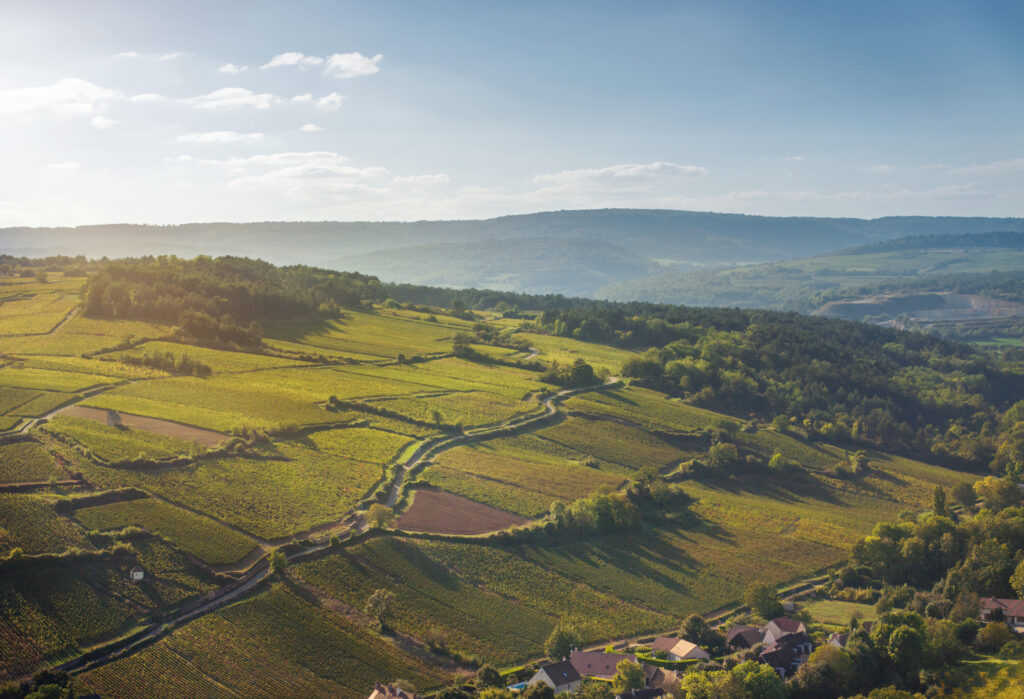
Burgundy is the birthplace of the concept of terroir — the idea that a wine's character is inseparable from the specific patch of earth it comes from. Here, two adjacent vineyards separated by a single track can produce wines of dramatically different character. Nowhere in the world is this principle more purely expressed than in Burgundy, and Beaune is your gateway to experiencing it first-hand.
⭐ DECANTER TOURS INSIDER TIPS — Its not what you know its who WE know!
| Burgundy is all about who you know. Getting into some of the properties is extremely tricky. With our connections you can visit the most important Burgundy houses and taste many exclusive wines. |
No building in Burgundy is more photographed, more storied, or more central to the region's identity than the Hôtel-Dieu des Hospices de Beaune. Built in 1443 by Nicolas Rolin, Chancellor to Philip the Good, Duke of Burgundy, it was founded as a charitable hospital for the poor — and it continued operating as a working hospital until 1971. Today it is a UNESCO World Heritage Site, a museum, and the stage for one of the world's most important annual wine events.
The building's Flemish Gothic exterior gives way to one of the most breathtaking interior courtyards in France: a dazzling polychrome tiled roof in geometric patterns of green, yellow, red, and black, surrounded by ornate timber galleries. The Great Hall of the Poor, where patients once lay in beds along the walls, is preserved exactly as it was, complete with a vast Flemish altarpiece by Rogier van der Weyden — considered one of the masterpieces of 15th-century Northern European art.
Even for travellers who consider themselves purely wine-focused, the Hôtel-Dieu is unmissable. It is, quite simply, one of the most beautiful buildings in France.

Every year on the third Sunday of November, the Hospices de Beaune hosts what is often called the world's greatest charity wine auction. The auction has been held almost without interruption since 1859, raising funds for the Hospices' medical and social welfare programmes.
The wines auctioned come from over 60 hectares of premier and grand cru vineyards — donated over the centuries by Burgundian families — and are sold by the barrel, before bottling, to négociants, private collectors, and restaurants from around the world. The prices achieved serve as a barometer for the vintage and for Burgundy's fortunes more broadly.
The auction weekend — known as Les Trois Glorieuses — is Beaune at its most festive and frenetic, encompassing a grand dinner at the Château du Clos de Vougeot on Saturday, the auction itself on Sunday, and the Paulée de Meursault on Monday, where producers and guests bring their finest bottles to share in one of Burgundy's most joyful traditions.
Beneath Beaune's streets lies a labyrinth of cellars stretching for miles — some dating back to the 12th century. Many of the world's most prestigious Burgundy négociants have their headquarters here, and visits to their cellars offer both a sensory education and a genuine connection to centuries of winemaking history.
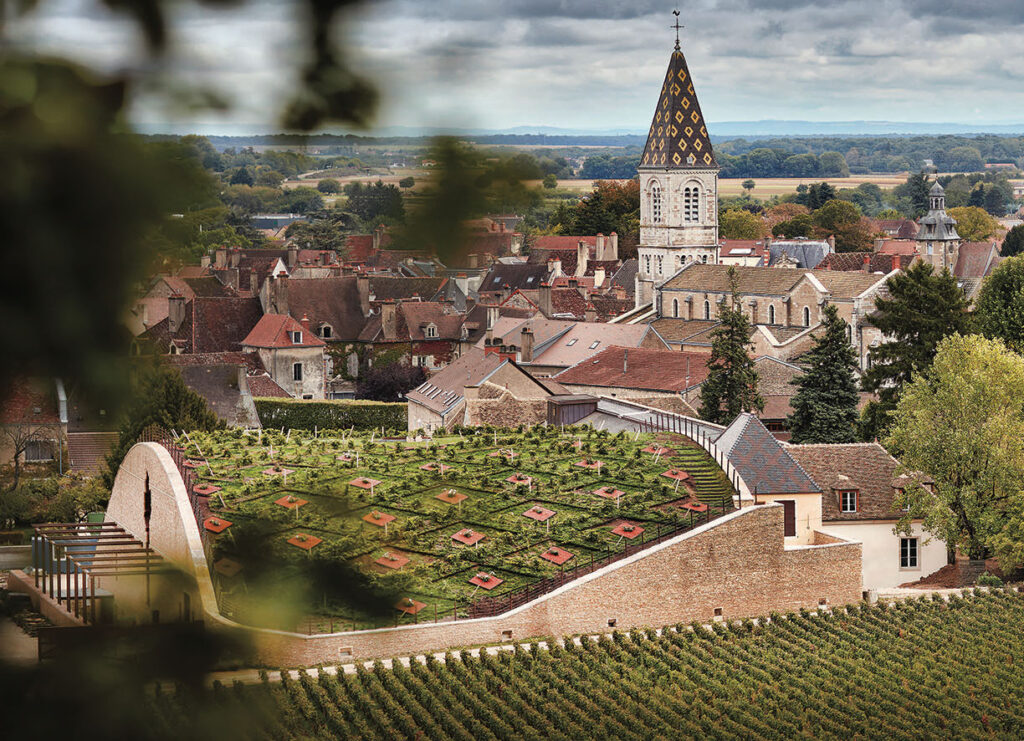
Bouchard Père & Fils — Founded in 1731 and now one of Burgundy's largest domain owners, Bouchard operates from the Château de Beaune, a former fortress. Their cellars house a collection of historic vintages going back to the 18th century — a living archive of Burgundy's past.
Joseph Drouhin — Established in 1880, Drouhin is celebrated for wines of exceptional elegance and precision. Their cellars beneath Beaune incorporate medieval Gallo-Roman cisterns, caves of the Dukes of Burgundy, and 19th-century cellars of the Kings of France.
Louis Jadot — One of Burgundy's most reliable and respected names, Louis Jadot produces wines from a vast range of appellations, from humble Bourgogne to the grandest crus. Their Beaune cellars and tasting room are among the most visitor-friendly in the region.
Patriarche Père & Fils — Patriarche boasts the largest cellars in Burgundy — over 5km of tunnels beneath the old Convent of the Visitation. Self-guided tours with a tastevin allow visitors to sample their way through a remarkable range of wines at their own pace.

Beyond the négociant houses, Beaune and its surrounding villages are home to dozens of smaller family domaines that offer a more intimate and often more revelatory tasting experience. Meeting the winemaker in their cellar, understanding their philosophy, and tasting wines still evolving in barrel is one of Burgundy's great pleasures.
Located in the historic Collégiale de Beaune church, the Marché aux Vins offers a self-guided tasting experience through 14 wines from across the Côte d'Or appellations. It's an excellent introduction to the full range of Burgundy styles and a good way to calibrate your palate before deeper exploration.
| ⭐ DECANTER TOURS INSIDER TIPS — 🍷 Our Burgundy itinerary takes you beyond the visitor centres and into the actual cellars — tasting with Christine Drouhin, Léon Amiot, and the Henri Gouges family on a personal, first-name basis. We've also secured exclusive access to Maison Bouchard Griveau, a micro-domaine producing just 20,000 bottles annually with no US distribution — the kind of discovery you simply cannot make on your own. These are not curated tourist experiences; they are genuine relationships, built over years, that open doors no guidebook 📖 can unlock. |
The D122, known as the Route des Grands Crus, is one of the world's great scenic drives — a narrow road winding north from Beaune through villages whose names read like a wine lover's dream: Pommard, Volnay, Meursault, Puligny-Montrachet heading south; Aloxe-Corton, Nuits-Saint-Georges, Vosne-Romanée, Chambolle-Musigny, Gevrey-Chambertin heading north.
At every turn, hand-painted signs mark the boundaries of the world's most valuable agricultural land. The grand cru vineyards — Corton, Romanée-Conti, Chambertin, Le Montrachet — are unfenced, unadorned, and almost shockingly modest to look at. Their greatness is invisible, held in the soil beneath your feet.
Meursault — Just 8km south of Beaune, Meursault is the heart of white Burgundy and one of Burgundy's most charming villages. The wines here are rich, nutty, and complex. The village's annual Paulée de Meursault, held on the Monday after the Hospices auction, is a legendary celebration where 600 guests bring bottles from their personal cellars.
Pommard & Volnay — These neighbouring villages produce two of the Côte de Beaune's finest reds, and make for a fascinating contrast. Pommard wines are typically structured, dark, and long-lived; Volnay wines are notably more elegant, floral, and silky. Tasting them side by side on a single afternoon is a masterclass in how geography shapes flavour.
Nuits-Saint-Georges — The commercial centre of the Côte de Nuits, worth a visit for its cellars and excellent restaurants. Its premiers crus — particularly Les Vaucrains and Les Saint-Georges — are among Burgundy's most age-worthy and compelling wines.
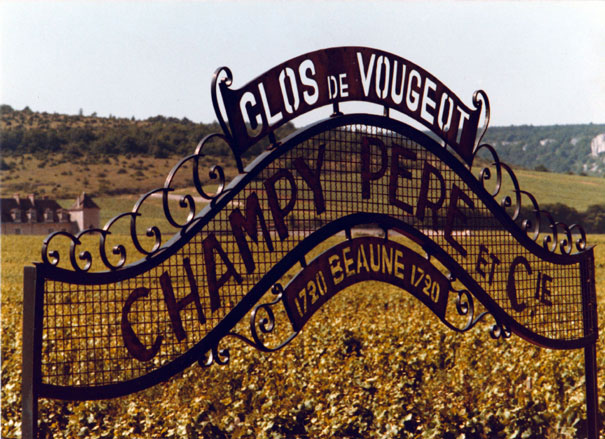
The Clos de Vougeot — The walled vineyard of Clos de Vougeot is one of Burgundy's most iconic sites. Established by Cistercian monks in the 12th century, it covers 50 hectares and is now divided among over 80 different owners. The Château du Clos de Vougeot, home to the Confrérie des Chevaliers du Tastevin, is open to visitors.
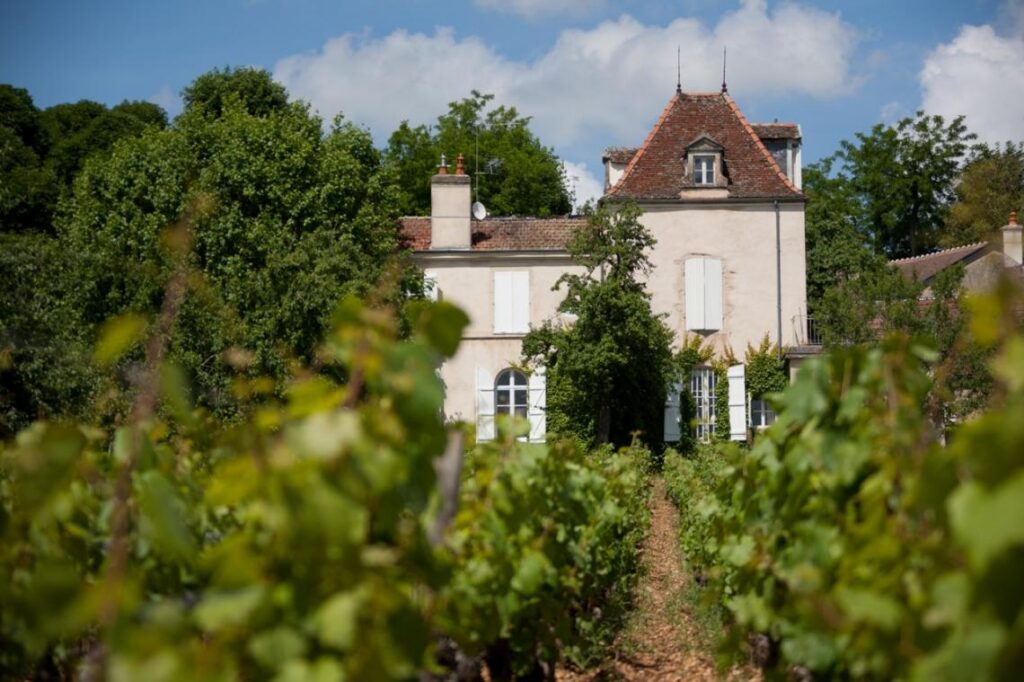
Beaune punches well above its weight when it comes to gastronomy. For a city of just 22,000 people, the concentration of excellent restaurants is remarkable — from Michelin-starred temples to bustling wine bars and traditional bouchons. In Burgundy, food and wine are inseparable, and eating well here is as much a part of the experience as the tastings themselves.
Le Jardin des Remparts — Set within the medieval ramparts, this elegant one-Michelin-star restaurant combines classical Burgundian cooking with contemporary technique. The wine list is a love letter to the Côte d'Or, and the garden setting on a warm evening is unforgettable. Chef Christophe Boquillon in charge here since January 2013, this restaurant is worth a visit. Ingredients are locally sourced and wines from little-known growers, as well as top names.
Ma Cuisine — A Beaune institution beloved by wine professionals and serious collectors for its astonishing wine list — reputedly one of the best in Burgundy — and its honest, market-driven cuisine. Reservations are essential and often need to be made weeks in advance.
Loiseau des Vignes — Part of the Bernard Loiseau group, this wine-focused restaurant pairs traditional Burgundian dishes with an encyclopaedic list of local wines. The set menus with paired flights offer exceptional value for the quality.
Le Carmin is a well-regarded restaurant in the center of Beaune, led by chef Christophe Quéant, known for refined, market-driven Burgundian cuisine with a modern sensibility. It holds a strong local reputation for the quality of its cooking and an excellent, fairly priced Burgundy-focused wine list that complements the food intelligently rather than just padding the bill.
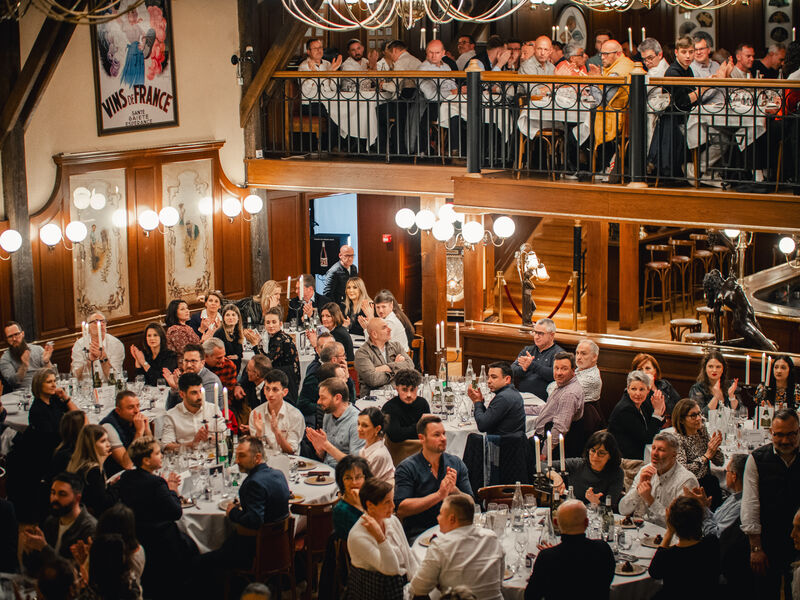
For more relaxed evenings, Beaune's wine bars and bistros are a delight. L'Ecusson offers excellent traditional Burgundian cooking in a warm atmosphere; Caves Madeleine is a favourite with wine trade insiders for its natural wine selection and simple, seasonal plates. The covered market on Place Carnot (open Tuesday and Saturday mornings) is the best starting point for understanding the region's exceptional produce: Époisses and Comté cheeses, Dijon mustard, jambon persillé, gingerbread, and the black truffles of the Hautes-Côtes.
Beaune's accommodation ranges from grand five-star château hotels to intimate chambres d'hôtes within vineyard estates — and choosing the right base significantly shapes your experience of the region.
Hôtel Le Cep — A collection of four historic mansions in the heart of the old town. Le Cep is Beaune's most atmospheric hotel — a labyrinth of antique-furnished rooms, vaulted stone passages, and one of the most beautiful courtyards in the city.
Hôtel de la Paix — A stylish boutique option with a lovely garden and excellent central location, offering a quieter alternative to the busier old-town properties.
Château Hotels of the Côte d'Or — For guests who want to wake up surrounded by vines, several wine estates in the surrounding villages offer outstanding château accommodation — combining a hotel stay with exclusive access to the estate's wines, vineyards, and winemakers.
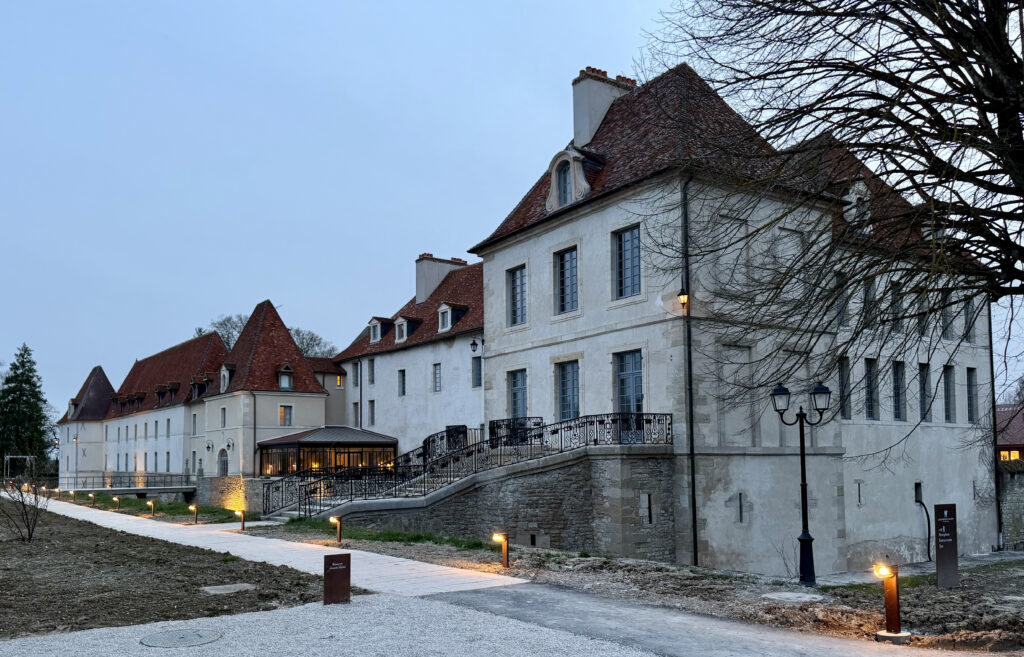
| ⭐ DECANTER TOURS INSIDER TIPS — Beyond the City Walls We’ll always love the buzz of staying in Beaune’s center, but we have a new "must-stay" secret: Les Sources de Vougeot. From our close partners in Bordeaux and the visionaries behind Bordeaux’s legendary Les Sources de Caudalie, the transformation of the Château de Gilly is nothing short of spectacular. This 5-star gem offers an incredible spa and two distinct dining experiences. It is, quite simply, one of our newest favorites for a luxurious Burgundy escape. Contact Decanter Tours for you next stay here. |
Beaune is a year-round destination, but each season offers a distinct experience. Spring (April–June) brings flowering vines and a quieter city. Summer (July–August) is warm and festive. Harvest season (September–October) is arguably the most exciting time to visit — the vineyards are alive with pickers, and the air carries the fermentation of new wine. However some properties are closed during harvest. Even if you plan well in advance some properties wont accept reservations during this time. November's auction weekend draws the global wine world to Beaune's streets and hotels are at a premium. Winter is peaceful and atmospheric, with excellent deals on accommodation.
Beaune is exceptionally well connected. By TGV, Paris Gare de Lyon to Dijon takes approximately 1 hour 40 minutes, with Beaune a further 25 minutes by TER regional train. Direct Eurostar services connect London to Paris, making Beaune accessible from the UK without flying. By car from Paris, Beaune is approximately 3 hours via the A6 motorway. Lyon airport (1 hour away) and Paris CDG (2.5 hours) are the most practical international gateways.
Within Beaune, the old town is easily walkable. For vineyard exploration, a hire car gives maximum flexibility — though for a proper Burgundy wine tour, having a Decanter Tours driver is safer, more enjoyable and more informative. Cycling is increasingly popular along the vineyard routes. Decanter Tours provides private transport throughout all itineraries, ensuring guests can focus on tasting without logistical concerns.
| ⭐ DECANTER TOURS INSIDER TIPS — The most seamless and scenic route to Burgundy is via the TGV (fast train) from Paris to Dijon. Upon your arrival, we can arrange for a private chauffeur to meet you on the platform, or you can take a short, easy taxi ride directly to your hotel in Beaune—or our new favorite, Les Sources de Vougeot. |
Beaune is a city that rewards depth over breadth, and relationships over reservations. The cellars that don't appear on any tourist map, the winemakers who don't normally receive visitors, the vintages that never reach the open market — these are the experiences that define a truly exceptional Burgundy journey.
Decanter Tours has spent years cultivating the relationships and the expertise to open these doors for our guests. We don't offer wine tourism — we offer immersion in one of the world's greatest living wine cultures.
| ⭐ DECANTER TOURS INSIDER TIPS — BEYOND THE TASTING ROOM Don’t just taste Burgundy—experience the heritage. Our flagship Best of Burgundy Wine Tour takes you behind the limestone walls of the region’s most prestigious domains for private "barrel-to-glass" tastings. The Draw: Exclusive access to "cult" estates and vertical tastings of rare vintages. The Value: We skip the tourist crowds in favor of authentic, family-run Grand Crus. Booking: Private tours depart daily from Beaune. We recommend booking 3–6 months in advance to secure the best estates. Explore our Burgundy Packages here. |
Before you start planning, here's a quick-reference summary of everything you need to remember:
Our expert guides are on hand to create your perfect Burgundy itinerary — from a long weekend in Beaune to a full Côte d'Or immersion. contact us
Planning your first French wine tour from Paris? You're facing one of the most delightful dilemmas in wine travel: choosing between the sparkling glamour of Champagne and the rustic elegance of Burgundy. Both regions offer extraordinary experiences, but they cater to different tastes, timeframes, and wine preferences.
Let me help you decide which region deserves your first visit — or why you might want to experience both.
Accessibility is unbeatable. Located just 90 minutes from Paris, Champagne is perfect for day trips or weekend getaways. The towns of Reims and Épernay sit conveniently along train routes, making a Champagne tour entirely feasible without renting a car.
The prestige factor is real. Walking through the centuries-old chalk cellars of Moët & Chandon, Veuve Clicquot, or Taittinger delivers an incomparable sense of history and luxury. These aren't just wineries — they're monuments to French heritage and craftsmanship.
It's universally loved. Even people who claim they "don't like wine" usually enjoy Champagne. The crisp bubbles, the celebratory atmosphere, and the approachable nature of sparkling wine make it perfect for mixed groups or wine novices.
The experience is structured and polished. Major Champagne houses offer slick, professional tours with multiple language options. You'll learn about the méthode champenoise, explore dramatic underground tunnels carved by Romans, and taste vintage cuvées in elegant tasting rooms.
A typical day in Champagne includes visiting 2–3 prestigious houses, lunch in a charming bistro in Épernay or Reims, and perhaps a stop at a smaller grower-producer for a more personal experience. The landscape of rolling vineyards dotted with windmills is Instagram-ready, and the Champagne Route (Route Touristique du Champagne) offers picturesque drives through villages like Hautvillers, where Dom Pérignon perfected his craft.

The wine is simply extraordinary. Burgundy produces some of the world's most coveted and complex wines. If you're a serious wine enthusiast, tasting a Grand Cru Pinot Noir from Gevrey-Chambertin or a white Burgundy from Meursault is a pilgrimage, not just a tour.
It's authentically intimate. Unlike Champagne's grand houses, Burgundy revolves around small family estates where the winemaker might personally pour your wine in their centuries-old cellar. These encounters feel genuine, warm, and deeply educational.
The diversity is remarkable. Burgundy offers both world-class reds (Pinot Noir) and whites (Chardonnay) across a patchwork of climats — tiny vineyard plots with distinct personalities. A Burgundy wine tour from Paris introduces you to the concept of terroir better than anywhere else on Earth.
Food reaches another level. Burgundian cuisine is legendary: coq au vin, boeuf bourguignon, escargots, époisses cheese, and pain d'épices. The region's restaurants and bistros take food-and-wine pairing seriously, making every meal memorable.
The scenery is storybook-perfect. Medieval villages like Beaune, Pommard, and Vougeot feature cobblestone streets, Gothic architecture, and vine-covered hillsides. The Hospices de Beaune, with its colorful tiled roof, is one of France's most photographed buildings.
A proper Burgundy tour spans the Côte de Nuits and Côte de Beaune, with stops at family domaines, perhaps a visit to a négociant like Louis Jadot, and lunch at a Michelin-starred restaurant or countryside auberge. You'll learn to appreciate subtle differences between neighboring villages and understand why a few meters can transform a wine's character.
The region requires more time — ideally 2–3 days to fully appreciate — but rewards patience with unforgettable tastings and genuine connections with passionate winemakers.
| Feature | Champagne | Burgundy |
|---|---|---|
| Distance from Paris | 90 minutes | 2–2.5 hours |
| Ideal Trip Length | 1–2 days | 2–4 days |
| Wine Style | Sparkling wine (Champagne) | Still wines (Pinot Noir & Chardonnay) |
| Atmosphere | Prestigious & polished | Intimate & authentic |
| Typical Venues | Grand historic houses with underground cellars | Small family estates & domaines |
| Best For | First-time visitors, celebration seekers, day-trippers | Wine enthusiasts, terroir lovers, foodies |
| Experience Level | Beginner-friendly | Intermediate to advanced |
| Tour Style | Structured, multi-language tours | Personal, appointment-based visits |
| Food Scene | Good bistros & restaurants | Exceptional Burgundian cuisine & Michelin dining |
| Landscape | Rolling vineyards, champagne houses | Medieval villages, patchwork climats |
| Average Tasting Cost | €20–50 per house | €15–40 per domaine (higher for Grand Crus) |
| Accessibility | Easy by train, walkable towns | Better with a car or private tour |
| Celebrity Factor | High (Moët, Veuve Clicquot, Dom Pérignon) | Moderate (cult producers known to wine lovers) |
| Group-Friendly | Excellent for mixed groups | Better for dedicated wine lovers |
| Instagram Appeal | Chalk cellars, champagne labels, elegant settings | Colorful tiled roofs, vine-covered hills, rustic charm |
Here's a secret: you don't have to choose. Many wine lovers design a 5–7 day itinerary that includes both regions. Start with 2 days in Champagne (closer to Paris), then continue south to Burgundy for 3–4 days. This approach provides contrast — sparkling versus still, grand houses versus intimate cellars, easy accessibility versus deeper exploration.

For your first French wine region visit, I'd recommend Champagne if you want an accessible, glamorous introduction to French wine culture with minimal planning stress. Choose Burgundy if you're already wine-savvy, have more time, and crave a deeply immersive experience that connects you to terroir and tradition.
But honestly? Both regions are magnificent. Your "first" visit to either will almost certainly inspire you to visit the other. The question isn't really which one to visit — it's which one to visit first.
I used Decanter Tours for a 10-day custom trip through Champagne, Burgundy, and Bordeaux. From the moment we were picked up in Reims to our final tasting in Beaune, everything was seamless. Their ability to secure private visits at prestigious houses like Moët and small family domaines in the Côte de Nuits was impressive. Our guides weren't just drivers; they were true wine experts who helped us compare the terroirs of both regions in a way we never could have on our own.
— Verified Client ReviewChampagne is approximately 90 minutes from Paris by train or car. Reims is easily accessible via high-speed TGV trains, making day trips entirely feasible.
Burgundy is about 2 hours from Paris by train (to Beaune) or 2.5–3 hours by car. While possible as a long day trip, it's best experienced over 2–3 days.
Absolutely. A week-long trip allows 2 days in Champagne and 3–4 days in Burgundy, giving you a comprehensive experience of both regions.
Burgundy tends to be pricier overall, particularly for Grand Cru wines and Michelin-starred dining. However, both regions offer options for various budgets, from modest grower-producers to prestigious estates.
Yes, for both regions. Champagne's major houses often accommodate walk-ins, but booking ensures availability and better time slots. Burgundy's small family estates typically require advance reservations.
Champagne's major houses cater to international tourists with tours in multiple languages. Burgundy's smaller estates may require more French, though many winemakers speak English. Booking with a tour company provides translation and ensures smooth communication.
Just 90 minutes from Paris lies one of the world's most prestigious wine regions—Burgundy. With its patchwork of legendary vineyards, medieval wine villages, and world-class domaines, Burgundy offers an intimate, sophisticated wine experience unlike any other. Whether you're a seasoned collector or a curious enthusiast, planning the perfect Burgundy wine tour from Paris requires insider knowledge and careful consideration. Here's everything you need to know.
The TGV high-speed train from Paris Gare de Lyon to Beaune takes just 2 hours and 20 minutes, making it the most efficient way to reach Burgundy's wine capital. Trains run multiple times daily, with tickets ranging from €40-€120 depending on booking time. Early morning departures allow you to maximize your day among the vines.
For a seamless, stress-free experience, consider a private transfer with Decanter Tours. Our expert guides collect you from your Paris hotel and transform the 3-hour journey into an educational wine experience, providing context about Burgundy's terroir, history, and classification system before you even arrive. You'll step out of the car already equipped with the knowledge to appreciate what you're about to taste.
Renting a car gives you the freedom to explore at your own pace, though navigating Burgundy's narrow village roads and strict drink-driving laws (0.05% BAC limit) requires planning. Budget €80-€150 per day for rental, plus tolls and fuel.
The historic town of Beaune serves as the ideal headquarters for your Burgundy adventure. Home to the famous Hospices de Beaune, countless wine cellars, and exceptional restaurants, Beaune combines medieval charm with wine expertise. Most domaines are within a 20-minute drive, making it logistically perfect for day-long tastings.
North of Beaune, the Côte de Nuits produces Burgundy's most celebrated Pinot Noirs. Villages like Vosne-Romanée, Gevrey-Chambertin, and Chambolle-Musigny contain some of the world's most expensive vineyard real estate. The wines here are structured, age-worthy, and profoundly expressive of their terroir. Don't miss a visit to the historic Château du Clos de Vougeot, the region's iconic 12th-century monastery.
South of Beaune, the Côte de Beaune excels at both red and white wines. Puligny-Montrachet and Meursault produce the world's finest Chardonnays—rich, mineral-driven whites with incredible aging potential. Meanwhile, villages like Pommard and Volnay craft elegant, perfumed Pinot Noirs with silky tannins. This sub-region offers exceptional variety for those wanting to explore Burgundy's full spectrum.
Burgundy operates differently from Bordeaux. Instead of large châteaux, most producers are small family-owned domaines farming tiny parcels of land—sometimes just a few rows of vines. These grower-producers make wine exclusively from their own grapes, offering intimate, terroir-focused experiences.
Négociants, by contrast, purchase grapes or finished wine from multiple growers to create larger productions under their own labels. Houses like Louis Jadot, Joseph Drouhin, and Bouchard Père & Fils offer consistency and accessibility, making them excellent starting points for understanding Burgundy's style and geography.
Unlike some wine regions, most Burgundy domaines don't offer walk-in tastings. Top producers require appointments weeks or even months in advance, and many don't accept direct bookings from the public. This is where a well-known and respected wine tour operator with exceptional connections and entrées like Decanter Tours becomes invaluable.

Our established relationships grant you access to prestigious domaines that would otherwise be impossible to visit. We handle all reservations, coordinate timing, and ensure you visit producers aligned with your interests—whether that's biodynamic farming, historic family estates, or up-and-coming winemakers challenging the establishment.
Quality over quantity is the golden rule for Burgundy tastings. Most experts recommend visiting 2-3 domaines per day to allow time for meaningful conversation, cellar tours, and proper appreciation of the wines. Each tasting typically lasts 60-90 minutes and may include 6-12 wines. This rhythm prevents your palate from staging a revolt while maximizing what you actually remember the next day.
A well-paced itinerary might include a prestigious Grand Cru producer in the morning, lunch at a local bistro featuring regional specialties or directly at a producers, and an afternoon visit to an emerging domaine working with natural or biodynamic methods.
While Beaune offers numerous charming hotels, our newest partnership brings an unparalleled experience: Les Sources de Vougeot, a newly opened luxury property in the heart of the Côte de Nuits. Situated just minutes from the legendary Clos de Vougeot Grand Cru vineyard and the historic Château, this exclusive hotel places you at the epicenter of Burgundy's most prestigious wine villages.
Wake up surrounded by ancient stone walls and vines that have produced some of the world's most sought-after Pinot Noir for centuries. The hotel combines modern luxury with monastic heritage, featuring wine-focused programming, a Michelin-caliber restaurant, and direct access to the Château's historic cellars. As Decanter Tours partners, we can arrange preferential rates and exclusive experiences for our clients.
Staying at Clos de Vougeot isn't just accommodation—it's an immersion into Burgundy's soul, where you'll understand why the Cistercian monks chose this exact spot in 1098 to create what would become one of wine's most sacred sites.
Burgundy tastings are intimate, educational affairs. Unlike Bordeaux châteaux with their dedicated hospitality divisions, most Burgundy domaines are small family operations where the winemaker or owner personally guides you through their wines, explaining vineyard locations, winemaking decisions, and vintage variations. This lack of formal structure means visits feel more like conversations with passionate artisans than polished presentations. Come prepared with thoughtful questions about terroir, farming practices, or cellar techniques—engagement is appreciated.
Burgundy's culinary tradition rivals its wines. The region birthed the concept of terroir-driven French cuisine, with dishes designed to complement local wines. Classic preparations include boeuf bourguignon, coq au vin, escargots de Bourgogne, and gougères (cheese puffs perfect with Champagne or Crémant de Bourgogne).
Beaune alone boasts several Michelin-starred restaurants, while every village has its bistro serving regional specialties. Don't miss the local cheeses—Époisses, with its pungent orange rind, pairs beautifully with aged white Burgundy, while Cîteaux, created by the same monks who planted Clos de Vougeot, offers creamy complexity. Ask Decanter Tours for our top notch restaurant recommendations.
Each season offers distinct advantages. Spring (April-June) brings blooming vines and pleasant weather, though May can be rainy. Summer (July-August) offers warmth and long days but attracts crowds and higher prices. Many locals vacation in August, limiting access to some producers.
Fall harvest (September-October) provides the most dramatic experience—watching vendanges unfold, tasting fermenting juice, and feeling the region's excitement. However some properties close to the public during harvest. Winter (November-March) offers quiet contemplation, snow-dusted vineyards, and longer, more personal conversations with winemakers who have time to share their knowledge without summer's rush.

While it's possible to plan a DIY Burgundy tour, the region's complexity and exclusive nature make expert guidance transformative. A tour organized through Decanter Tours provides:
Our clients consistently report that the insights gained from a guided tour would have taken years of self-study to acquire. When visiting one of the world's most complex wine regions, expertise isn't a luxury—it's essential. See a sample of a previous 3 day Burgundy wine tour here.
"Our private tour of the Côte de Nuits and Côte de Beaune with Decanter Tours was the highlight of our French holiday. As Burgundy novices, we were worried about the complexity of the region, but our guide made the 'Climats' and classifications so easy to understand. We gained access to small, family-owned domaines we never could have found on our own. The lunch in Beaune was spectacular—truly a 5-star experience from start to finish!" — Verified Traveler, October 2025
A private full-day Burgundy wine tour with Decanter Tours starts at €2,000 for 2 people, including expert guide, luxury transportation, and all domaine reservations. Tasting fees at domaines (typically €20-€100 per person) and meals are additional. Group tours may cost less per person. The more the merrier! Contact us for your personalized quotation.
Yes, though it requires early starts and efficient planning. The TGV gets you to Beaune in 2h20, allowing 5-6 hours in wine country before returning. However, most visitors find 2-3 days ideal for experiencing Burgundy properly without rush. Staying overnight at les Sources de Vougeot or in Beaune transforms the experience from a tasting marathon into a cultural immersion.
While many top producers speak English, nuanced conversations about terroir, winemaking philosophy, and vineyard history flow more naturally in French. Our bilingual guides not only translate but also interpret cultural context, asking probing questions you might not think of, and ensure nothing is lost in translation. This dramatically enriches the experience beyond simple tasting notes.
Smart casual is the standard—think well-fitted jeans or chinos with a collared shirt or blouse. Comfortable walking shoes are essential, as you'll tour cellars and vineyards on uneven terrain. Avoid heavy perfumes or colognes that interfere with wine aromas. In cooler months, bring layers; ancient stone cellars stay cold year-round. If visiting high-end domaines, err toward dressier options.
There's never any obligation to buy, though purchasing 2-4 bottles from domaines you particularly enjoy supports small producers and allows you to revisit the experience at home. Many domaines offer allocations of rare wines only to visitors. Decanter Tours can arrange shipping to most countries, handling customs and logistics. Budget €30-€150 per bottle depending on appellation and producer prestige. Shipping costs range from 150- 300€ depending on the area to which the wine is shipped.
Planning the perfect Burgundy wine tour from Paris requires more than just good intentions—it demands insider access, expert knowledge, and seamless logistics. At Decanter Tours we have spent years cultivating relationships with Burgundy's finest domaines, ensuring you experience the region at its highest level.
From exclusive tastings at prestigious Grand Cru estates to intimate conversations with passionate winemakers, we craft bespoke itineraries that transform wine tourism into wine education. And with our new partnership at les Sources de Vougeot hotel, we can now offer overnight experiences that place you at the very heart of Burgundy's living history.
Contact Decanter Tours today to begin planning your unforgettable journey through Burgundy. Whether you're a seasoned collector seeking allocations of rare wines or a curious beginner wanting to understand what makes Burgundy special, we'll design an experience perfectly matched to your interests, pace, and palate.
Experience the intimate charm of Burgundy's family domaines and centuries-old terroir.

For collectors, Bordeaux offers several advantages stemming from its blending philosophy:
Vintage Consistency: While vintage quality varies, the best châteaux maintain relatively consistent house styles through blending and selection. A weaker Merlot year might mean higher Cabernet percentages, but the wine remains recognizably "Château X."
Aging Predictability: Bordeaux's blend structure, particularly the tannin backbone from Cabernet Sauvignon, provides reliable aging curves. Top estates from strong vintages typically need 10-15 years to approach maturity and can age gracefully for 30-50+ years.
Market Liquidity: Bordeaux's production volumes—even for First Growths—are relatively large compared to Burgundy. This creates deeper secondary markets with more transparent pricing and easier buying and selling.
En Primeur Opportunities: Bordeaux's futures system allows collectors to purchase wines before bottling, often at advantageous prices in less-hyped vintages. Understanding how the blend will come together is part of the speculation.
Burgundy's single-varietal approach creates different collecting dynamics:
Terroir Exploration: Burgundy rewards deep, comparative collecting. Buying multiple climats from the same village or different producers' interpretations of the same climat reveals nuances impossible in Bordeaux.
Producer Dependency: With single-varietal wines, the producer's skill becomes paramount. A great climat farmed poorly produces mediocre wine. Reputation and relationships matter enormously.
Scarcity Premium: Burgundy's fragmented ownership creates tiny production runs. A top producer might make only 50-300 cases of a specific Grand Cru, compared to 10,000-30,000 cases for a Bordeaux First Growth. This drives prices and allocation challenges.
Vintage Variation: Single-varietal wines show vintage character more dramatically. A cool year produces elegant, high-acid wines needing time; a warm year yields opulent, early-drinking styles. Collectors must understand vintage specifics.
A well-rounded collection benefits from both regions' strengths:
Bordeaux provides:
Burgundy provides:
Many collectors adopt a 60/40 or 70/30 split (Bordeaux/Burgundy) for red wines, with the majority in Bordeaux for aging reliability and cost efficiency, supplemented by carefully selected Burgundy for diversity and special occasions.
Young Bordeaux, particularly from the Left Bank, can be austere and tannic, requiring patience. The blending components reveal themselves over time:
Youth (0-5 years): Dominant dark fruits (cassis, blackberry), oak influence (vanilla, cedar), firm tannins, high acidity. The blend may taste disjointed as components integrate.
Early Maturity (8-15 years): Tannins soften, fruits darken to plum and fig, secondary notes emerge (leather, tobacco, earth), the blend harmonizes into seamless complexity.
Full Maturity (15-30+ years): Tertiary aromas develop (truffle, cigar box, dried flowers), tannins become silky, acidity provides lift, the wine shows its terroir alongside the blend's architecture.
The blending approach creates wines that evolve through distinct phases, offering different pleasures over their lifespan. A great Bordeaux never loses its identity, maintaining structural integrity even as flavors transform.
Burgundy, especially Pinot Noir, is often approachable younger while also aging magnificently:
Youth (0-5 years): Bright red fruits (cherry, raspberry, strawberry), floral notes (rose, violet), pronounced acidity, delicate tannins. Terroir characteristics are present but muted.
Early Maturity (5-10 years): Red fruits deepen, earthy notes emerge (forest floor, mushroom, truffle), texture becomes silkier, terroir signatures strengthen.
Full Maturity (10-25+ years): Complex tertiary aromas (sous-bois, game, dried flowers, tea), ethereal texture, profound mineral expression, transparent terroir character.
Single-varietal Burgundy often shows more aromatic complexity and textural nuance than blends, with less obvious structure but profound subtlety. The climats reveal themselves through details—a stony backbone from Chambertin, velvety seduction from Musigny, powerful density from Richebourg.
White Burgundy (Chardonnay) follows similar patterns, with youthful citrus and mineral characters developing into hazelnut, honey, and beeswax with age, while maintaining energizing acidity.
Climate change is forcing Bordeaux to reconsider its traditional blend formulas. Warmer temperatures and earlier harvests have several effects:
Higher Alcohol: Increased sugar accumulation leads to wines with 14-15% alcohol versus historical 12.5-13.5%, changing balance and aging trajectories.
Shifting Blend Percentages: Some estates increase Cabernet Franc (more drought-resistant) or decrease Merlot (susceptible to heat stress). Petit Verdot, once marginal, now ripens reliably and brings freshness.
New Varieties: In 2021, Bordeaux authorized seven additional grape varieties for blending, including Marselan, Touriga Nacional, and Castets, chosen for heat and drought tolerance. Adoption remains limited but signals future possibilities.
Earlier Harvests: Picking now occurs in August and early September rather than late September and October, with implications for phenolic ripeness and acid retention.
These changes test the blending philosophy's flexibility. Can Bordeaux maintain its identity while adapting to new climatic realities? Early evidence suggests the answer is yes—the region's blending expertise allows gradual adjustments without dramatic style shifts.
Burgundy faces different climate challenges while maintaining varietal purity:
Heat Stress: Pinot Noir's thin skins make it vulnerable to sunburn and dehydration in extreme heat, as seen in 2003 and 2019. Some producers now use shade cloths or leave more leaf cover.
Changing Harvest Windows: Earlier ripening means picking during warmer periods, making freshness and acidity preservation critical. Night harvesting is increasingly common.
Alcohol Creep: Like Bordeaux, Burgundy is seeing higher alcohol levels (13.5-14.5% versus historical 12.5-13.5%), potentially masking terroir transparency.
Viticulture Adaptations: Producers are experimenting with higher-altitude sites, different clones emphasizing acidity retention, and farming practices (organic, biodynamic) that slow ripening.
The single-varietal approach offers less flexibility than blending but maintains stylistic consistency. Burgundy's solution focuses on viticulture—farming practices that preserve the varieties' expression in changing conditions rather than altering the fundamental approach.
The blending model supports Bordeaux's commercial structure. Châteaux can produce thousands of cases while maintaining quality through selection and blending. This creates:
Brand Recognition: Château names become globally recognized brands (Lafite, Margaux, Pétrus) with consistent identities reinforced by marketing budgets small producers cannot match.
Price Tiers: The grand vin/second wine structure allows estates to serve multiple market segments from the same vineyard base, maximizing revenue per hectare.
Négociant Integration: Bordeaux's blending tradition extends to négociants who purchase and blend wines from multiple properties, creating additional brands and market reach.
Investment Appeal: Larger production runs create deeper markets with more transparent pricing, making Bordeaux attractive to wine investors and funds.
Burgundy's single-varietal model creates entirely different economics based on extreme scarcity:
Allocation Systems: Tiny production runs mean most Burgundy is sold through allocation to long-standing customers, creating barriers to entry that support price premiums.
Producer Premiums: With identical terroirs, producer reputation becomes the differentiator, allowing cult domaines to command multiples of their neighbors' prices.
Secondary Market Dynamics: Scarcity and allocation difficulties drive robust secondary markets where certain bottles trade at 200-500% of release prices within months.
Direct-to-Consumer Focus: Many producers sell primarily direct or through local négociants, maintaining relationships and margins unavailable in the three-tier system.
Both models are economically rational given their contexts. Bordeaux maximizes revenue through volume and brand equity; Burgundy maximizes revenue through scarcity and producer mystique.
En Primeur Considerations:
Auction and Secondary Market:
Storage Requirements:
Building Producer Relationships:
Village vs. Premier vs. Grand Cru:
Auction Considerations:
Storage Requirements:
Bordeaux's blend structure and tannic backbone make it a versatile food wine:
Classic Pairings:
Why It Works: The blend's structure, especially Cabernet Sauvignon's tannins, needs fat and protein to shine. Young Bordeaux can overwhelm delicate preparations but excels with rich, savory dishes. As wines age and tannins soften, they handle more subtle preparations.
Temperature: Serve at 60-65°F—cooler than room temperature but warmer than cellar temperature. This preserves freshness while allowing aromatics to express.
Burgundy's elegance and transparency require more thoughtful pairing:
Red Burgundy (Pinot Noir):
White Burgundy (Chardonnay):
Why It Works: Pinot Noir's lighter body and transparent character complement rather than dominate food. The earthiness connects with mushrooms, truffles, and game, while the acidity cuts through cream and butter in classic Burgundian cuisine.
Temperature:
Understanding the fundamental differences between Bordeaux's blending philosophy and Burgundy's single-varietal approach enriches every aspect of wine appreciation—from collecting and investing to tasting and pairing with food. Both approaches have evolved over centuries to express their respective terroirs optimally, shaped by history, climate, economics, and philosophy.
For collectors, the choice isn't between these regions but rather how to balance them in a cellar that offers both reliability and discovery, consistency and surprise, structure and elegance. The blending artistry of Bordeaux and the terroir transparency of Burgundy represent two peaks of winemaking achievement, each deserving study, investment, and most importantly, enjoyment.
Bordeaux's Left and Right Banks aren't just geographical designations—they represent two philosophies of winemaking, two distinct terroirs, and two very different expressions of what great wine can be as well as a cultural divide between the inhabitants. Separated by the Gironde Estuary, these regions have developed their own identities over centuries, each producing wines that have shaped global perceptions of what Bordeaux should taste like. Traditionally the left bank inhabitants would not set foot on the right banks and vice versa. Today that has changed and many owners have properties on both banks.
For travelers and wine lovers planning a visit to this legendary region, understanding these distinctions transforms a casual tour into a meaningful exploration of wine culture. Whether you're seeking austere, age-worthy investments or voluptuous, pleasure-driven bottles for immediate consumption, Bordeaux has something extraordinary to offer.
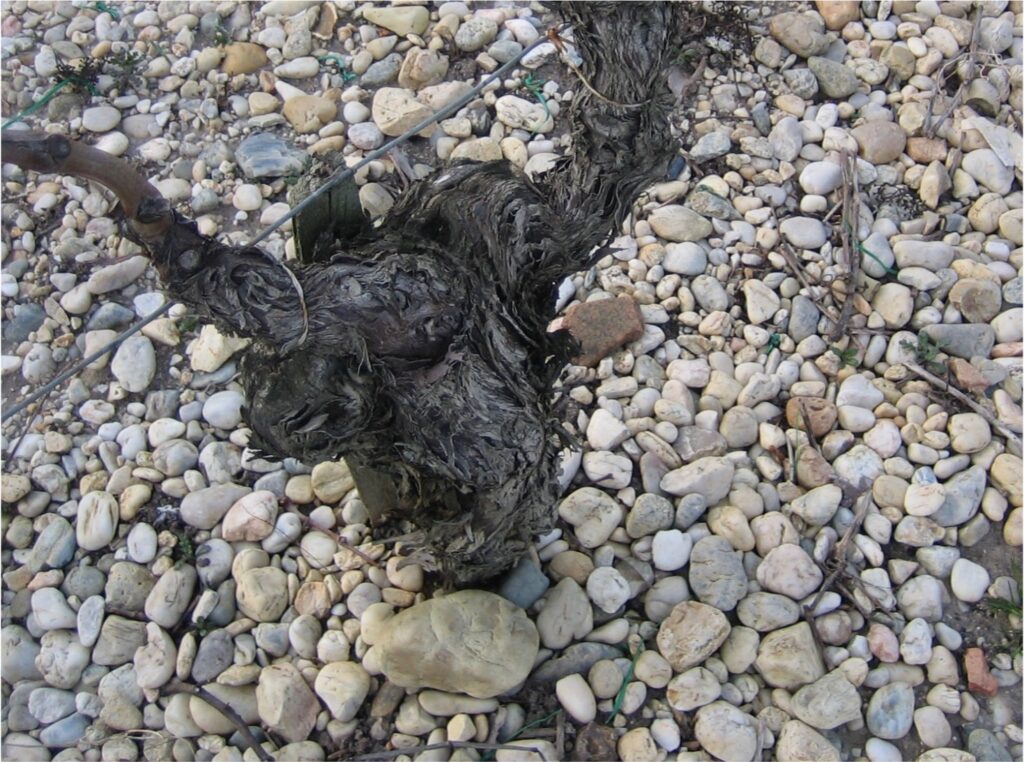
Terroir of the Medoc
The Left Bank encompasses the prestigious regions of the Médoc, Graves. Geologically, this area is characterized by gravel-topped plateaus interspersed with clay and sand. These gravels, deposited by ancient rivers, warm quickly during the day and retain heat through the night, creating an ideal microclimate for ripening Cabernet Sauvignon. Since we tend tohave cool nights here this help retain the acidity in the grapes creating freshness. The excellent drainage provided by these gravelly soils prevents waterlogging during Bordeaux's rainy winters and springs, concentrating the vine's energy into producing smaller, more intensely flavored berries.
The most prestigious communes—Pauillac, Margaux, Saint-Julien, and Saint-Estèphe—all sit on similar gravel-based plateaus, though subtle variations in soil composition create distinct stylistic differences between them. Such is the importance of the terroir here, the chateau owners in this area will tell you how old their gravel is and where it comes from.
Cabernet Sauvignon reigns supreme on the Left Bank, typically comprising 60-85% of the blend, with Merlot, Cabernet Franc, and Petit Verdot playing supporting roles. This grape variety, with its thick skin and inherent tannins, thrives in Bordeaux's cooler microclimate. When fully ripe, Cabernet Sauvignon produces wines of remarkable structure, complexity, and age-worthiness.
Left Bank Bordeaux are characterized by their power and architectural precision. You'll encounter bold cassis and blackcurrant flavors, often mingled with hints of cedar, graphite, and violets. The wines are typically medium to full-bodied with firm, gripping tannins that can feel almost austere in their youth. This is wine that demands attention, that requires food pairings, and that often improves dramatically over 10, 20, or even 30 years in the bottle.
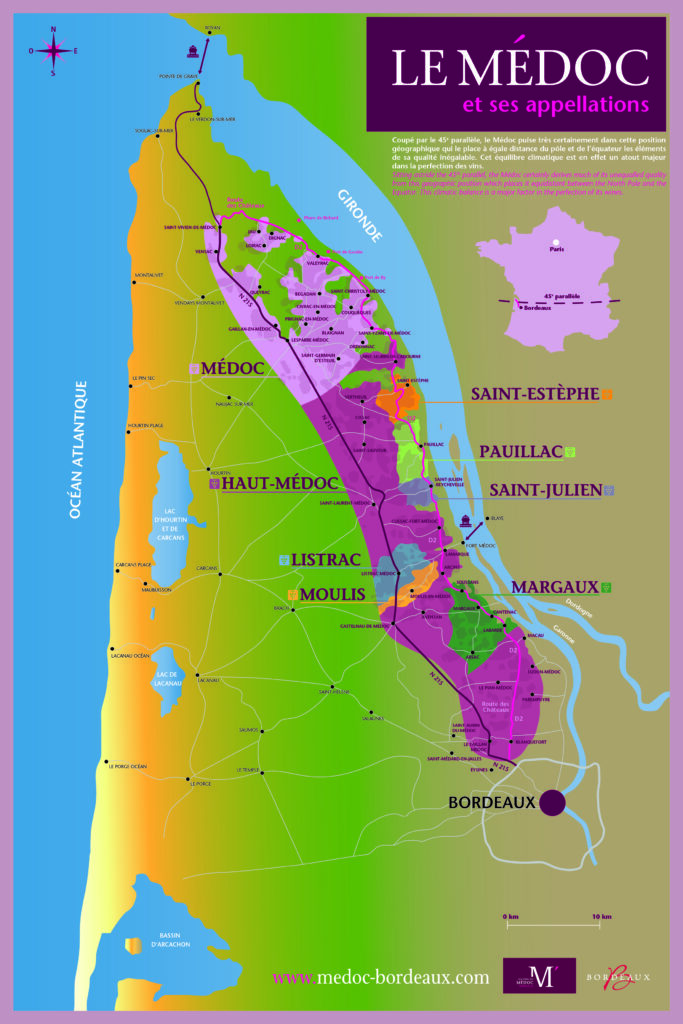
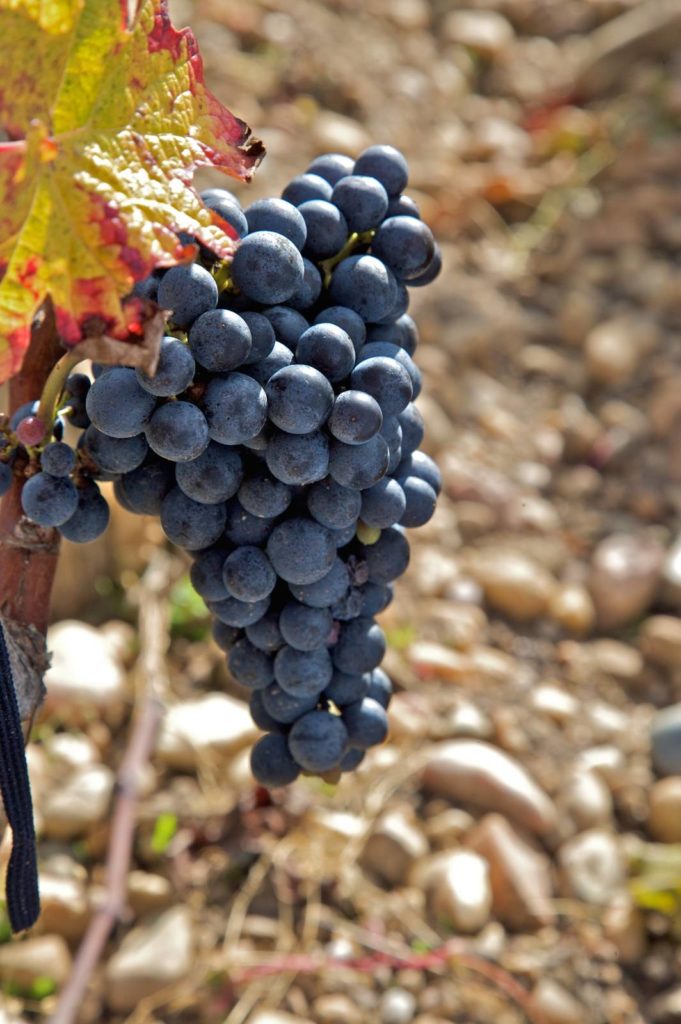
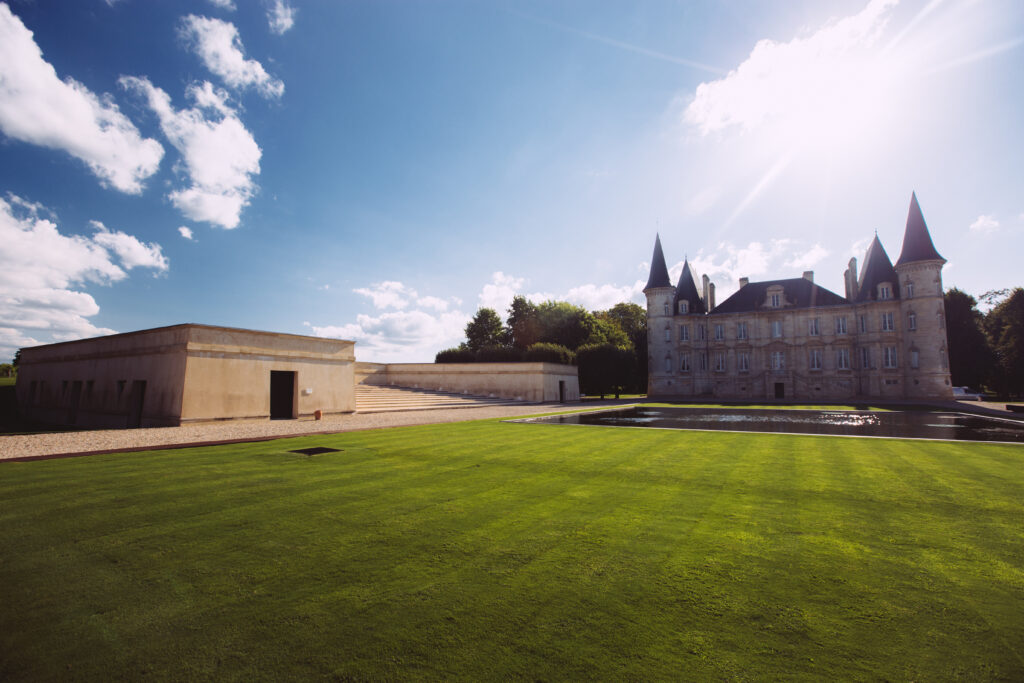
The Left Bank is home to many of Bordeaux's most celebrated châteaux, including first growths like Lafite Rothschild, Latour, and Mouton Rothschild. The 1855 Classification that established Bordeaux's hierarchy was based primarily on Left Bank estates, reflecting their historical prominence and the consistent quality they've delivered.
Investment in Left Bank Bordeaux is a serious pursuit. These wines command premium prices because they possess the structure and complexity to become increasingly valuable—both in terms of drinking pleasure and monetary investment—as they age. A 1982 Château Latour or 1996 Château Pichon-Longueville is likely worth substantially more today than when it was released.
All this being said the Medoc and Graves regions are full of smaller family owned wineries. The other classifications of the Medoc, the Crus Bourgeois and the Crus Artisans attest to this.
Visiting Left Bank estates often feels like stepping into aristocratic history. The châteaux are frequently grand, the estates expansive, and the approach to winemaking deeply traditional. Some of these properties have been in the same families for generations, and this continuity is reflected in their wines. However in recent years, substantial investment by large insurance and luxury goods companies have overtaken the Medoc. A visit to Pauillac or Margaux combines world-class wine tasting with cultural immersion in how old-world wine excellence is maintained.
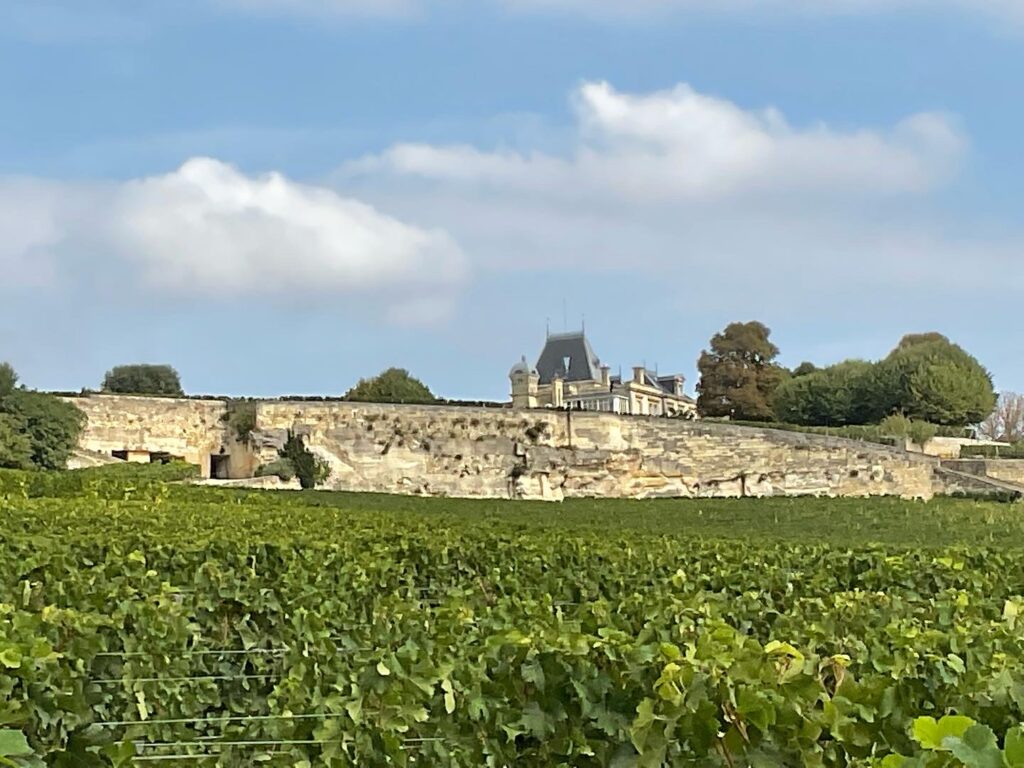
Right Bank Terroir
The Right Bank's most celebrated areas—Pomerol and Saint-Émilion—sit on the right side of the Gironde Estuary. Unlike the Left Bank's gravel plateaus, Right Bank terroir is characterized by clay, limestone, and iron-rich soils. Pomerol, in particular, is known for its clay-rich soils with deposits of iron oxide that give the region its distinctive character. Saint-Émilion features a more varied geology, with limestone plateau areas (the "Côtes") and clay-limestone slopes, creating a diversity of microclimates and wine styles.
These soils retain more moisture than Left Bank gravels, which actually benefits Merlot, the dominant variety here. Merlot prefers slightly cooler, damper conditions than Cabernet Sauvignon, and the Right Bank's terroir is ideally suited to this grape's requirements.
Merlot takes center stage on the Right Bank, typically representing 50-90% of the blend, with Cabernet Franc, Cabernet Sauvignon, and occasionally Malbec providing structure and complexity. Merlot's naturally softer tannins and plush texture create wines that are approachable in their youth while still capable of serious aging.
Right Bank Bordeaux tend to be richer and more voluptuous than their Left Bank counterparts. You'll find intense red and dark fruit flavors—plum, cherry, damson—complemented by earthy undertones, leather, and often a touch of chocolate or licorice. The wines are typically medium to full-bodied with velvety textures and riper, rounder tannins that integrate more quickly into the wine.
Where Left Bank wines often feel like a complex symphony requiring several years to fully reveal themselves, Right Bank wines frequently offer immediate pleasure. A well-made Right Bank Bordeaux from a recent vintage can be absolutely delicious to drink within 3-5 years of release, though the finest examples continue to evolve beautifully for decades.
While the Right Bank has prestigious names like Château Pétrus and Le Pin commanding astronomical prices, there's a wider range of quality levels and price points across the region. This accessibility is part of the Right Bank's appeal. You can find excellent, age-worthy wines at significantly lower price points than comparable Left Bank offerings, making this region ideal for collectors building their cellars and enthusiasts seeking quality without stratospheric costs.
Saint-Émilion's classification has been a moveable feast unlike the never changing 1855 classification of the Médoc and Graves. The Saint-Émilion classification, a system revised approximately every ten years, caused significant controversy due to the departure of several major châteaux and changes to the classification criteria.
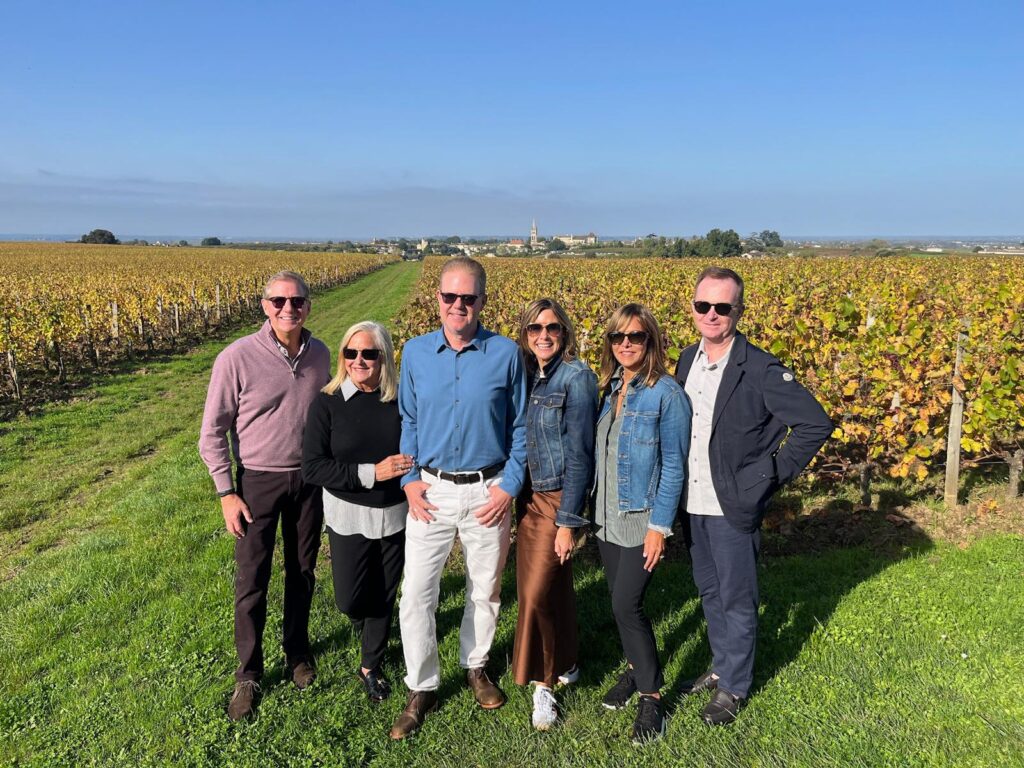
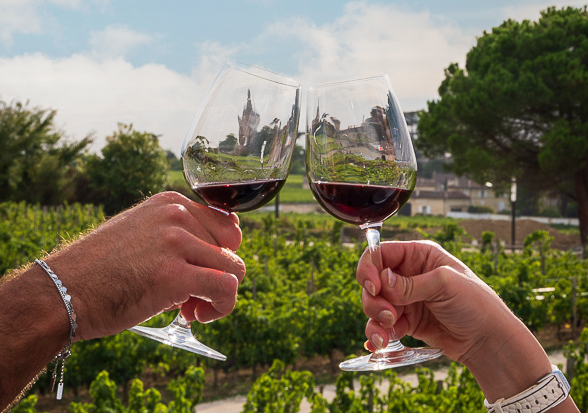
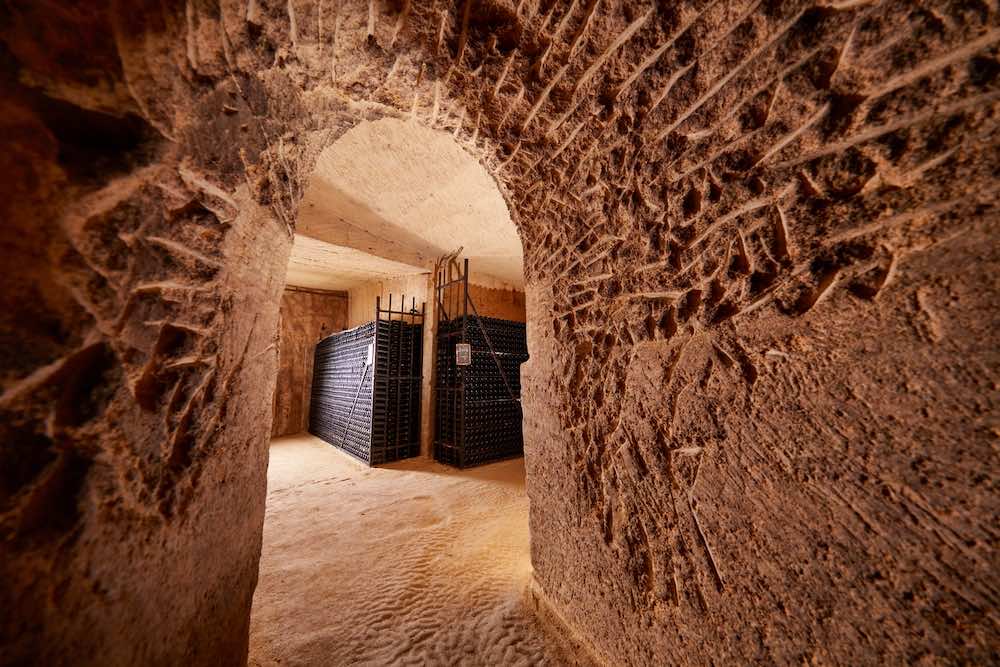
Right Bank estates often feel more intimate and artisanal than their Left Bank counterparts, though this is a generalization with many exceptions. Many Pomerol properties are family-run, very small, and deeply focused on crafting their particular expression of Merlot. Saint-Émilion, with its picturesque UNESCO World Heritage site and medieval town perched above the vineyards, offers a more tourist-friendly experience with charming streets, excellent restaurants, and a palpable sense of wine culture woven into daily life.
Visiting the Right Bank feels less like museum touring and more like discovering culinary artistry in progress. The châteaux are often charming rather than monumental, and proprietors frequently engage visitors in genuine conversation about their wines and approach to winemaking.
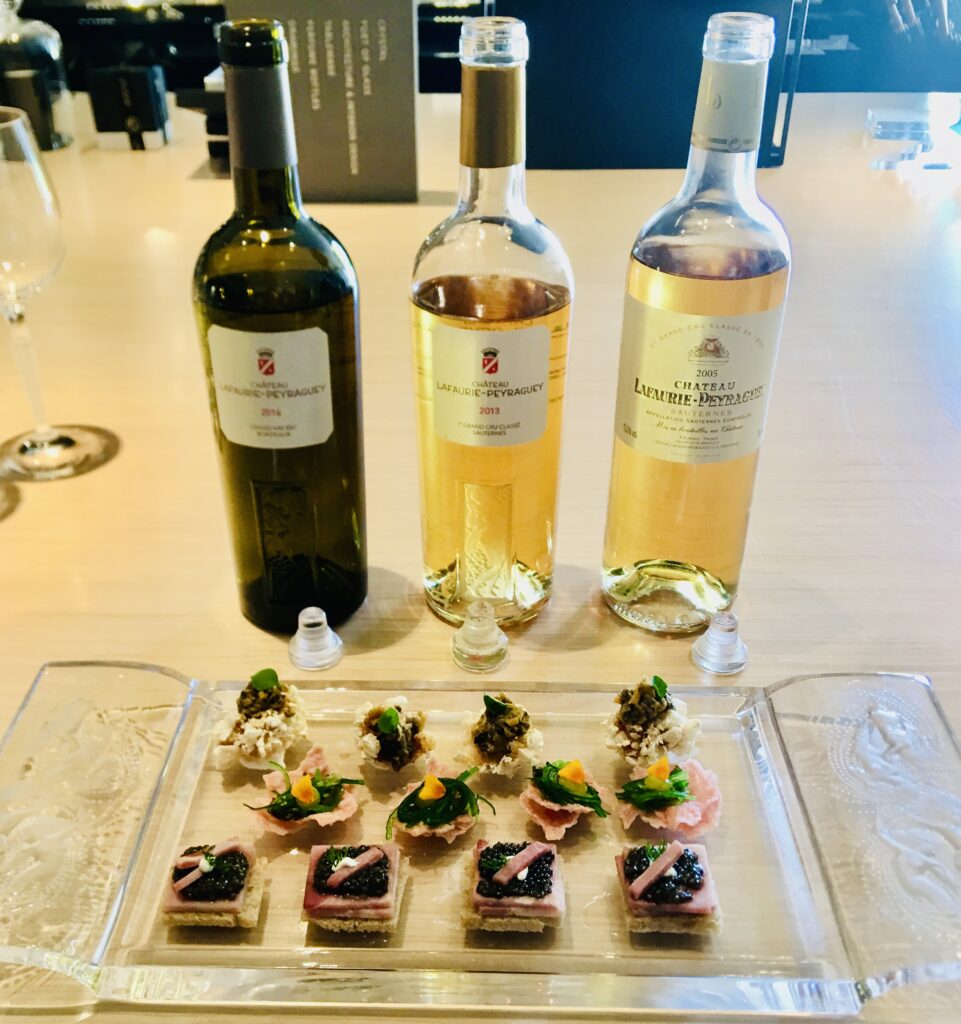
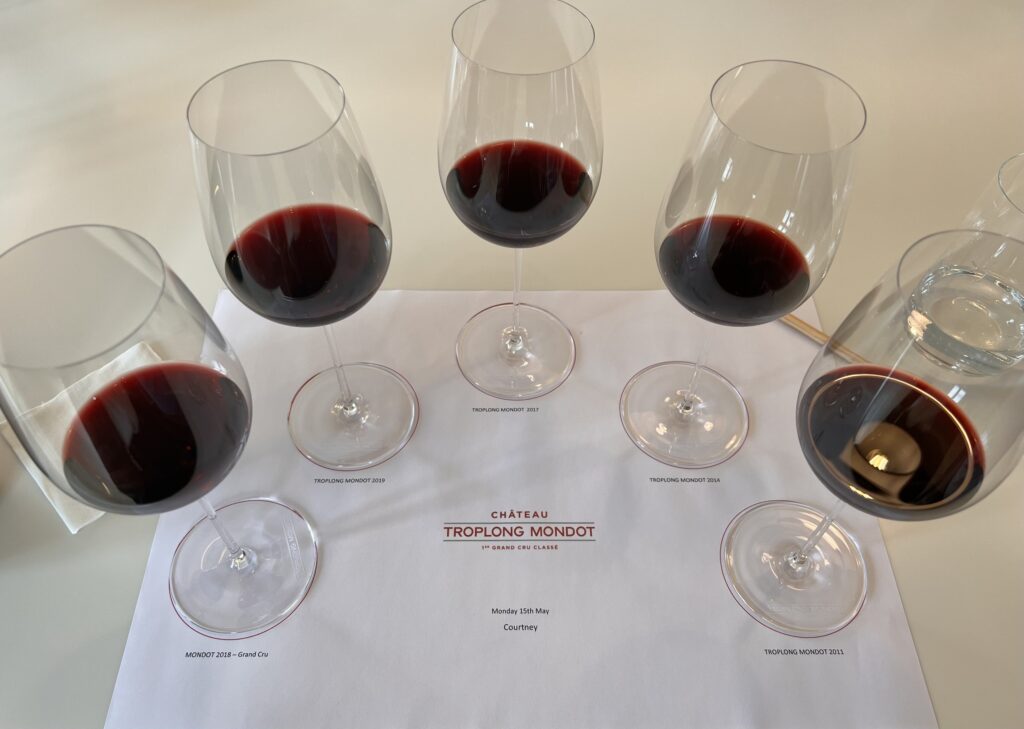
| Aspect | Left Bank | Right Bank |
|---|---|---|
| Primary Grape | Cabernet Sauvignon | Merlot |
| Terroir | Gravel plateaus, excellent drainage | Clay, limestone, iron oxide, higher moisture |
| Style | Structured, austere, architectural | Voluptuous, velvety, immediately accessible |
| Tannins | Firm, gripping, slow to integrate | Soft, round, quick to integrate |
| Primary Flavors | Cassis, cedar, violets, graphite | Plum, cherry, chocolate, leather |
| Aging Potential | 15-50+ years common | 10-30 years typical |
| Price Range | Wide, with many $200+ bottles | Wider accessibility, more sub-$50 options |
| Drinking Window | Often 5-10+ years before optimal | Often 3-5+ years for enjoyment |
| Châteaux Character | Grand, aristocratic, traditional | Intimate, artisanal, familial |
The answer depends entirely on your preferences, occasion, and cellar strategy.
Choose the Left Bank if you love powerful wines with complexity that evolves over time, if you enjoy the intellectual engagement of matching food with structured wines, or if you're building a collection of age-worthy investments. Left Bank Bordeaux reward patience and contemplation. A 20-year-old Left Bank bottle tastes profoundly different—and often better—than its young counterpart. These wines appeal to those who view wine as a journey rather than a destination.
Choose the Right Bank if you value immediate pleasure, if you prefer wines that shine without extensive aging, or if you want excellent quality at more accessible price points. Right Bank wines are perfect for dinner parties where you want sophistication without pretense, for discovering new producers without massive financial commitment, or for building a drinking collection as well as an investment portfolio. These wines celebrate the joy of wine in the present moment.
Of course, the ideal approach is to explore both. Most serious wine enthusiasts maintain a collection that spans both banks, enjoying the Left Bank's structured complexity on contemplative evenings and reaching for the Right Bank's plush voluptuousness when the mood calls for immediate gratification.
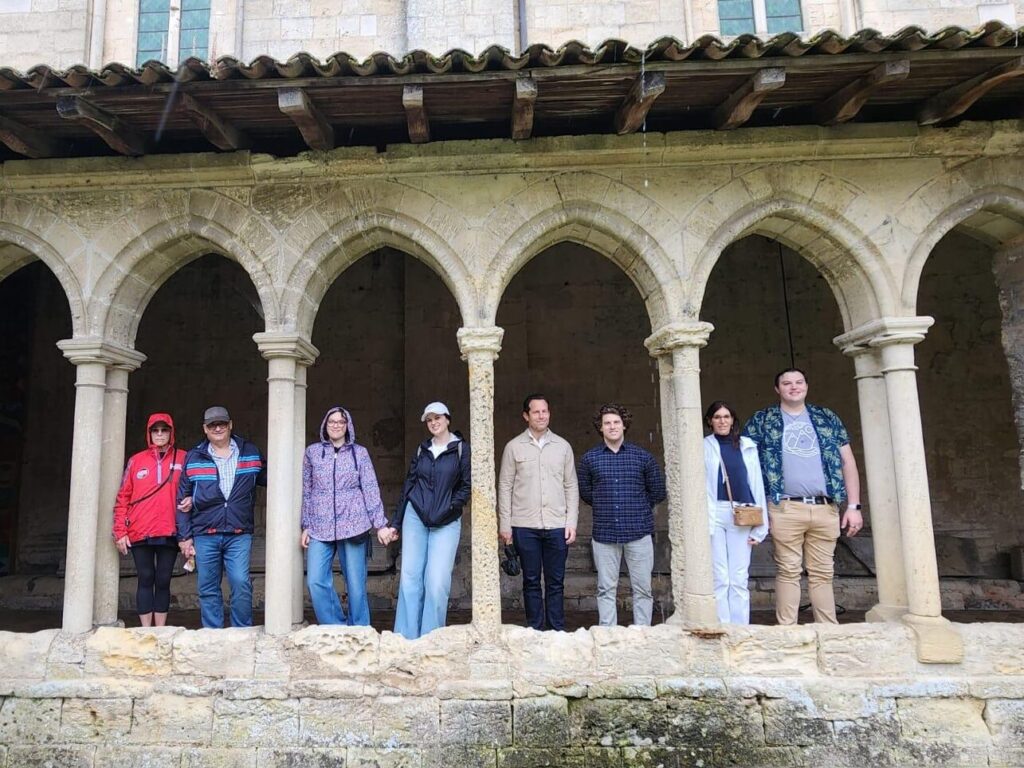
Visit Saint Emilion and the Medoc
Understanding Bordeaux's Left and Right Bank distinction teaches a fundamental lesson about wine: terroir—the complete natural environment affecting a wine's character—genuinely matters. The same grape varieties planted on different soils, with different drainage patterns and microclimates, produce distinctly different results. Just look at Merlot's reputation in N. America. The wines made of Merlot there taste nothing like a Merlot based Bordeaux.
Both banks also represent a commitment to tradition. Bordeaux's winemaking practices, classifications, and reputation have developed over hundreds of years. While innovation continues, it's always in conversation with tradition rather than in rejection of it. This balance between honoring the past and embracing the future is part of what makes Bordeaux exceptional.
For travelers, this means a visit to either bank is an education in wine history, terroir, and human dedication to craft. Whether you're walking through grand châteaux or intimate family properties, you're witnessing centuries of accumulated knowledge about how to coax extraordinary wine from the earth.
Bordeaux's Left and Right Banks represent two distinct but equally magnificent expressions of winemaking excellence. The Left Bank's structured, age-worthy Cabernet-based wines and the Right Bank's elegant, accessible Merlot-based offerings both deserve a place in your wine journey. Neither is objectively superior; they're simply different, each with its own beauty and purpose.
The most rewarding approach to Bordeaux is curiosity. Taste widely across both banks. Notice how the same vintage expresses itself differently across terroirs. Discover which styles resonate with your palate. Build your collection in both directions. And, crucially, plan a visit to experience these regions in person, where you can taste the terroir in its native context and understand why these wines have captivated the world for centuries.
On a more practical note, each bank takes at least one if not two days to visit. Have a look at the sample tours for each or contact us for a full 3 - 5 day tour of all the Bordeaux vineyards.
The Medoc in a day
Saint Emilion in a day and
the Graves in a day.
Q: Can I cellar Right Bank wines as long as Left Bank wines?
A: Many Right Bank wines, particularly from top producers in Pomerol and Saint-Émilion, age beautifully for 20-30 years or more. However, they typically reach their drinking plateau sooner than Left Bank wines. A 15-year-old Right Bank Bordeaux might be at its absolute peak, while a 15-year-old Left Bank wine could still be developing. Always check specific producer recommendations for cellaring guidance.
Q: Which bank offers better value?
A: The Right Bank generally offers better value for quality-conscious drinkers. You can find excellent, sophisticated Right Bank wines at price points where you'd find entry-level Left Bank offerings. However, "value" depends on your goals—if you're investing, Left Bank's prestige may justify premium prices.
Q: Is Left Bank wine more prestigious?
A: Historically and commercially, yes—the 1855 Classification solidified Left Bank prestige. However, top Right Bank producers like Pétrus command prices rivaling first growths. Prestige and quality are linked but not identical. The best wine is the one that brings you pleasure.
Q: Can I drink Left Bank Bordeaux young?
A: Absolutely. Its all a question of taste. While Left Bank wines improve with age, quality examples are often quite enjoyable at 5-7 years old. They're simply less evolved than they'll be at 15 or 25 years. Younger Left Bank wines showcase fresh, vibrant fruit characteristics that appeal to many drinkers.
Q: What's the best way to taste both banks side-by-side?
A: A comparative tasting of similar vintages and price points from both banks is revelatory. Try a 2015 Left Bank wine (say, a Pauillac from a mid-level producer) against a 2015 Right Bank wine (perhaps a Saint-Émilion from a well-regarded château) at similar prices. The differences in structure, flavor, and texture become immediately apparent.
Q: Do I need to visit the châteaux to appreciate these wines?
A: Not at all—excellent Bordeaux is available worldwide, and you can develop sophisticated understanding through tasting at home. However, visiting adds an irreplaceable sensory dimension. Tasting a wine in its native context—seeing the soils, meeting the winemakers, understanding the terroir visually—deepens appreciation immeasurably.
Q: Which bank should I visit first?
A: This depends on your interests. If you prefer grand historic estates and structured wine education, start with the Left Bank (Pauillac or Saint-Julien). If you prefer intimate settings and immediate wine enjoyment, begin with the Right Bank (Pomerol or Saint-Émilion town). Most of our visitors do both. In terms of logistics, using central Bordeaux as a starting point they both take just under an hour to reach by car. Since the Medoc is a long peninsula, getting back at the end of the day, should you venture up to Saint Estephe in the northern part of the area can take up to 2 hours.
Now that you understand the fundamental differences between Bordeaux's Left and Right Banks, it's time to experience them for yourself. There's simply no substitute for tasting these wines in their native habitat, meeting the passionate winemakers behind the bottles, and understanding how terroir shapes every sip.
Book your wine tour with Decanter Tours today. We offer expertly curated experiences that showcase the best of both banks:
Our knowledgeable guides provide insider access to premier châteaux, facilitate tastings with winemakers and cellar masters, and ensure every moment of your journey deepens your wine knowledge and enjoyment. Whether you're a seasoned collector, an enthusiastic amateur, or simply curious about wine, our tours transform Bordeaux from a distant legend into a lived experience.
Don't just read about great wine—taste it, live it, and remember it forever.
[Reserve Your Bordeaux Wine Tour Now]
Contact us today to customize your perfect Bordeaux experience. Your adventure awaits.
The 2022 Saint-Émilion classification, a system revised approximately every ten years, caused significant controversy due to the departure of several major châteaux and changes to the classification criteria. The withdrawals of powerhouses like Ausone, Cheval Blanc, and Angélus have reshaped the appellation's landscape, leaving many collectors to reassess the significance of the ranking. This guide delves into the key changes, the reasons behind the controversy, and the implications for the future of Saint-Émilion.
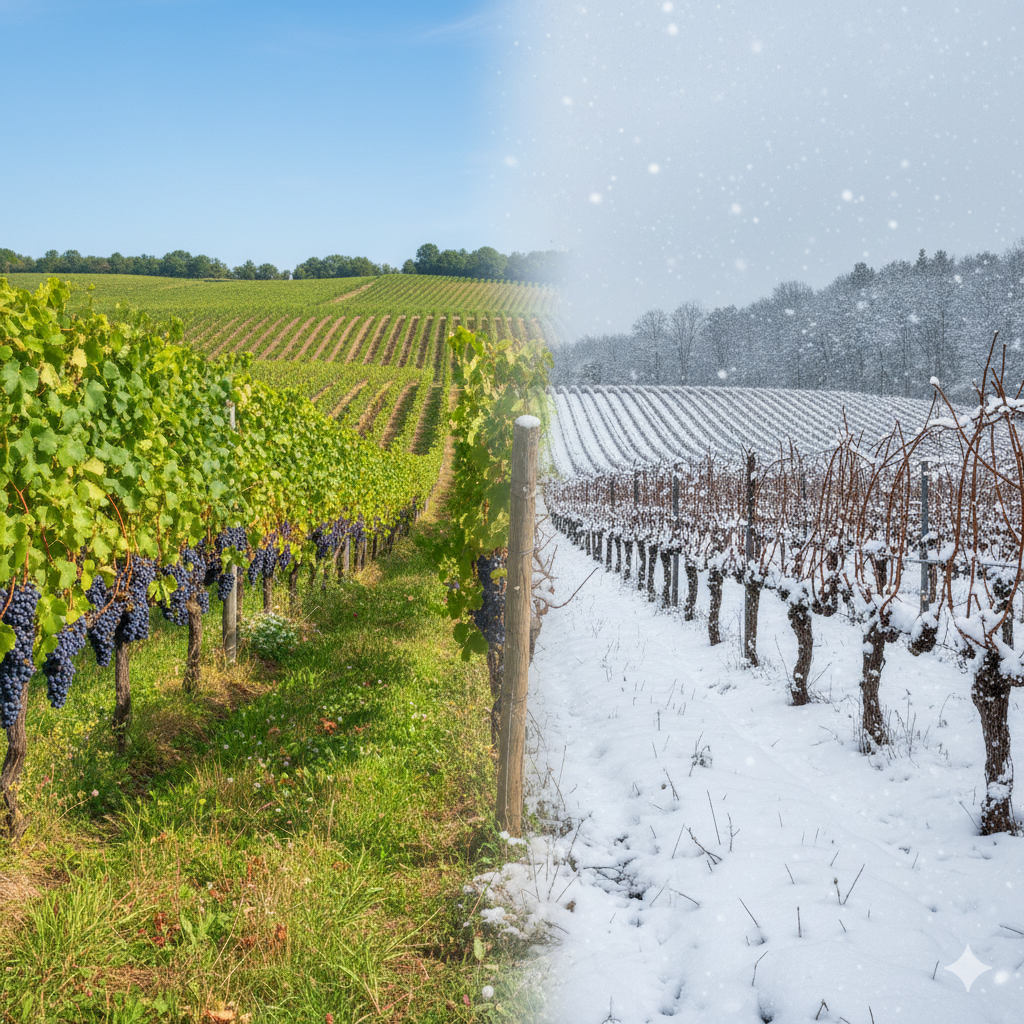
Unlike the static 1855 classification of the Médoc, the Saint-Émilion classification is re-evaluated periodically to reflect the evolving quality of its châteaux. This method is not without its challenges. The 2022 edition was the seventh since its inception in 1955, and it proved to be one of the most tumultuous. The list officially released in September 2022, featured 85 estates: two Premiers Grands Crus Classés A, 12 Premiers Grands Crus Classés, and 71 Grands Crus Classés. This marked a shift from the 2012 ranking, which had four estates at the top "A" level.
The most notable changes were the promotions and demotions that came with the new ranking. After long being considered unfairly overlooked, Château Figeac was elevated to the top tier, Premier Grand Cru Classé A, joining Château Pavie. This promotion was widely anticipated and celebrated, acknowledging Figeac's consistent quality and strong reputation.
The biggest story of the 2022 classification wasn't who was in, but who was out. Three of the four reigning Premier Grand Cru Classé A châteaux from 2012—Cheval Blanc, Ausone, and Angélus—all announced their withdrawal from the process. Their decisions, made sequentially in 2021 and 2022, sent shockwaves through the wine world and underscored deep-seated dissatisfaction with the system.
Each château had its own reasons, but a common thread emerged: a belief that the classification's criteria had strayed too far from the fundamentals of terroir and wine quality.
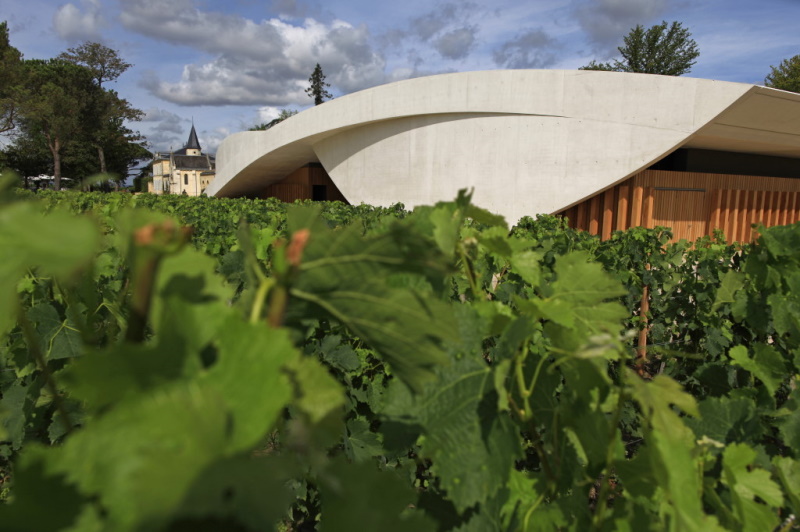
The controversy surrounding the 2022 classification extends beyond the high-profile departures. The changes to the evaluation criteria were at the heart of the matter. The revised system, overseen by the French national appellation authority (INAO), stipulated a 50% weighting for blind tastings of multiple vintages. While this might seem positive, other factors like reputation, marketing activities, and viticultural techniques also played a significant role. For some producers, the balance was off, particularly at the highest levels of the classification.
The departures of the three top-tier châteaux have left a gaping hole in the classification. They are no longer permitted to display their classified status on their labels for new vintages, and the once-revered "Premier Grand Cru Classé A" category has been reduced from four to just two estates. This has raised questions about the credibility and relevance of the system itself. Can a classification truly represent the pinnacle of a region's wines if some of its most famous and highest-regarded estates are no longer a part of it?
For collectors, this new landscape presents a challenge and an opportunity. The value and reputation of Ausone, Cheval Blanc, and Angélus are so well-established that their absence from the classification has had no discernible negative impact on their market performance. In fact, their prices have remained strong, driven by brand recognition and consistent critical acclaim. The market, it seems, has its own classification system.
The departures also open the door for a new generation of winemakers. The 2022 classification saw many new entrants and promotions, rewarding those who have invested heavily in their properties and winemaking. This "healthy rivalry," as some in the region describe it, could drive innovation and quality throughout the appellation.
A simple overview of Bordeaux's dynamic wine hierarchy.
Total Classified Châteaux
The pinnacle of the classification.
Recognizing estates of outstanding quality.
This largest tier comprises 71 estates, including new and re-classified properties, demonstrating a high standard of quality.
The 2022 Saint-Émilion classification is more than just a list of names; it's a reflection of a region grappling with its identity. For collectors, the lesson is clear: while the official ranking remains a useful reference, it's no longer the sole arbiter of quality in Saint-Émilion. The true face of Saint-Émilion is now a dual one, with an official classification coexisting alongside a powerful, unclassified "top layer" of world-class estates.
When collecting, consider the following:
The 2022 classification marks a pivotal moment in Saint-Émilion's history. It's a reminder that even in the most traditional of wine regions, change is inevitable. The market and savvy collectors are now the ultimate judges, guided by a new and ever-evolving understanding of what makes a great Saint-Émilion wine.
Q: What is the Saint-Émilion classification?
A: The Saint-Émilion classification is a ranking system that organizes the wines of the châteaux of the Saint-Émilion wine region in Bordeaux, France. Unlike the well-known but static 1855 classification of the Médoc, the Saint-Émilion ranking is revised every ten years to reflect changes in the quality and reputation of the estates.
Q: Why was the 2022 classification so controversial?
A: The 2022 classification was controversial due to the high-profile withdrawal of three of its four top-ranked estates (Ausone, Cheval Blanc, and Angélus). These châteaux claimed that the classification's criteria had strayed too far from focusing on terroir and wine quality, instead placing too much weight on marketing, social media, and tourism.
Q: What were the key changes in the 2022 classification?
A: The 2022 classification saw the number of Premiers Grands Crus Classés A reduced from four to two (Château Ausone, Cheval Blanc, and Angélus withdrew), with Château Figeac being newly promoted to this top tier. The classification also saw many other estates promoted to the lower tiers.
Q: Did the withdrawal of the châteaux affect their market value?
A: No, the market value and reputation of Ausone, Cheval Blanc, and Angélus have remained strong. Their brands are so well-established that their absence from the official classification has had little to no negative impact on their market performance.
Q: Does the classification still matter?
A: Yes, the classification remains a useful reference and continues to influence the market. However, for many collectors, it is no longer the sole indicator of quality in Saint-Émilion. The market itself has developed a separate "classification" that recognizes the quality of the unclassified, top-tier estates.
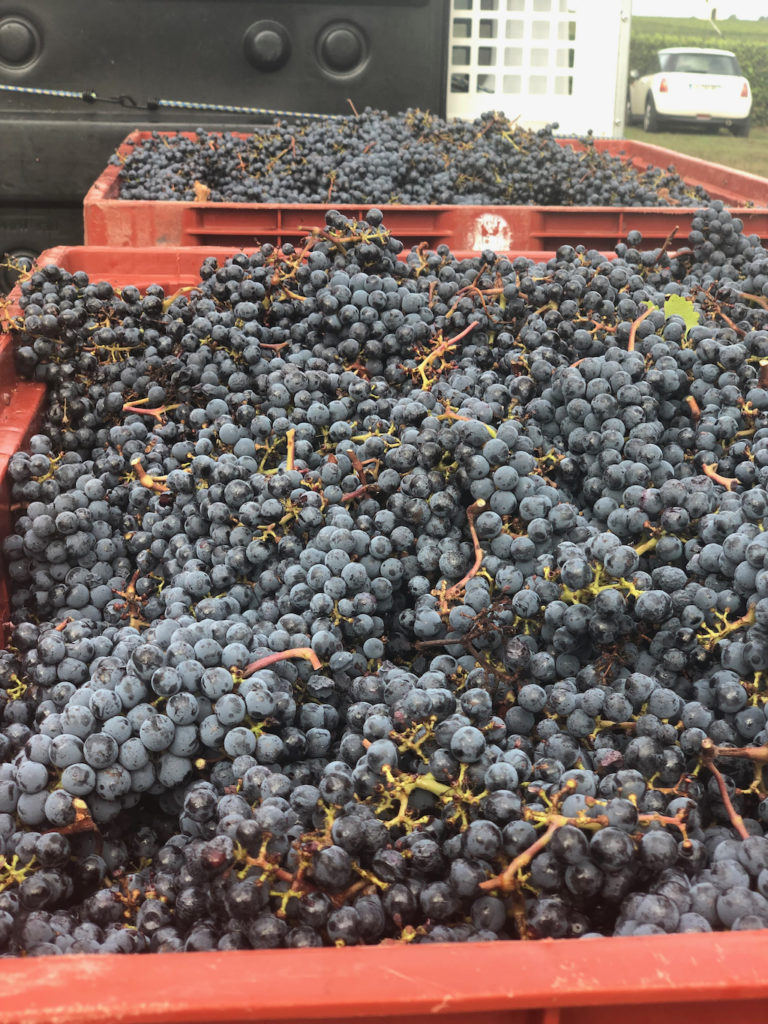
Bordeaux Harvest for the Discerning Collector
For the discerning wine collector, the Bordeaux harvest represents far more than a seasonal agricultural event—it's the epicenter of where legendary wines are born. The period from late August through October transforms this storied region into a symphony of controlled chaos, where centuries of tradition merge with cutting-edge technology, and where the year's potential is literally pressed into existence. Yet this dynamic and captivating season presents unique challenges for collectors seeking authentic access to the region's most prestigious estates.
The harvest period is paradoxically both the most exciting and most restrictive time to visit Bordeaux's elite châteaux. While the vineyards pulse with activity and the air carries the intoxicating aroma of fermenting grapes, many estates become fortress-like in their focus, prioritizing the crucial work of transforming grapes into wine over entertaining visitors. This creates a sophisticated challenge that separates casual wine tourists from serious collectors who understand the value of strategic access that Decanter Tours can obtain.
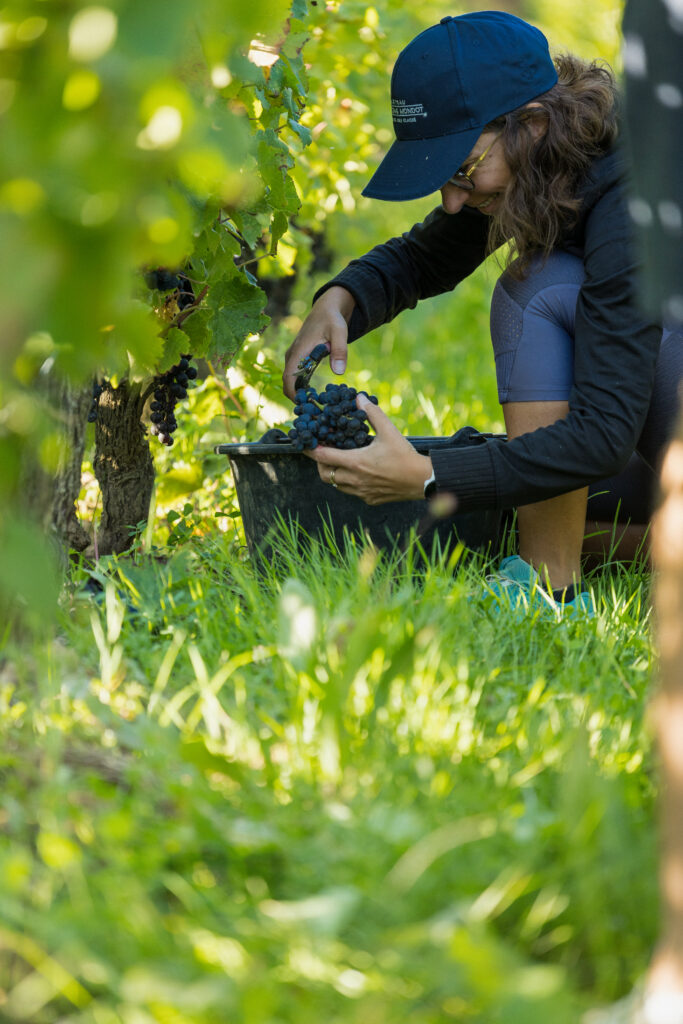
The Bordeaux Harvest Calendar: Timing Your Harvest Journey
Understanding Bordeaux's harvest timeline is essential for any collector planning a visit during this transformative season. The harvest typically begins in late August with the earliest ripening varietals and extends through October, but this schedule is entirely dependent on weather conditions, grape maturity, and individual château philosophies.
Late August to Early September marks the beginning of harvest for many white wine estates, particularly those producing dry whites in Graves and Pessac-Léognan. Sauternes producers may begin their selective harvesting during this period, carefully choosing only grapes affected by the beneficial noble rot (Botrytis cinerea). This early period offers collectors unique opportunities to witness the precision required for producing Bordeaux's most sought-after sweet wines.
Mid-September represents the heart of the red wine harvest, when prestigious Left Bank estates like those in Médoc, Haut-Médoc, and the individual appellations of Saint-Estèphe, Pauillac, Saint-Julien, and Margaux swing into full production. The gravelly soils of these regions, which provide excellent drainage and heat retention, typically allow for optimal Cabernet Sauvignon ripening during this period. Collectors visiting during this window can observe the meticulous sorting processes that separate grand cru classé wines from their more modest siblings.
Late September to Early October sees Right Bank appellations like Saint-Émilion and Pomerol reaching peak harvest activity. The clay-limestone soils of these regions, which retain moisture and provide steady nutrition to the vines, often result in later ripening, particularly for the Merlot that dominates these areas. For collectors, this period offers access to some of Bordeaux's most exclusive and expensive wines, including legendary estates where production is measured in thousands rather than tens of thousands of cases.
The challenge for collectors lies not just in timing their visit correctly, but in understanding that this period of maximum viticultural activity corresponds directly with minimum public access. Château owners, winemakers, and staff are entirely focused on the harvest, leaving little time or energy for entertaining visitors. This is where the expertise of a well-connected private guide becomes invaluable.
September in Bordeaux presents a unique paradox for wine collectors. While this month offers the most authentic and immersive harvest experience possible, it also represents the most challenging time to gain access to premier estates. The intensity of harvest operations creates a protective barrier around châteaux, with many implementing temporary restrictions on visitors to ensure their teams can focus entirely on winemaking.
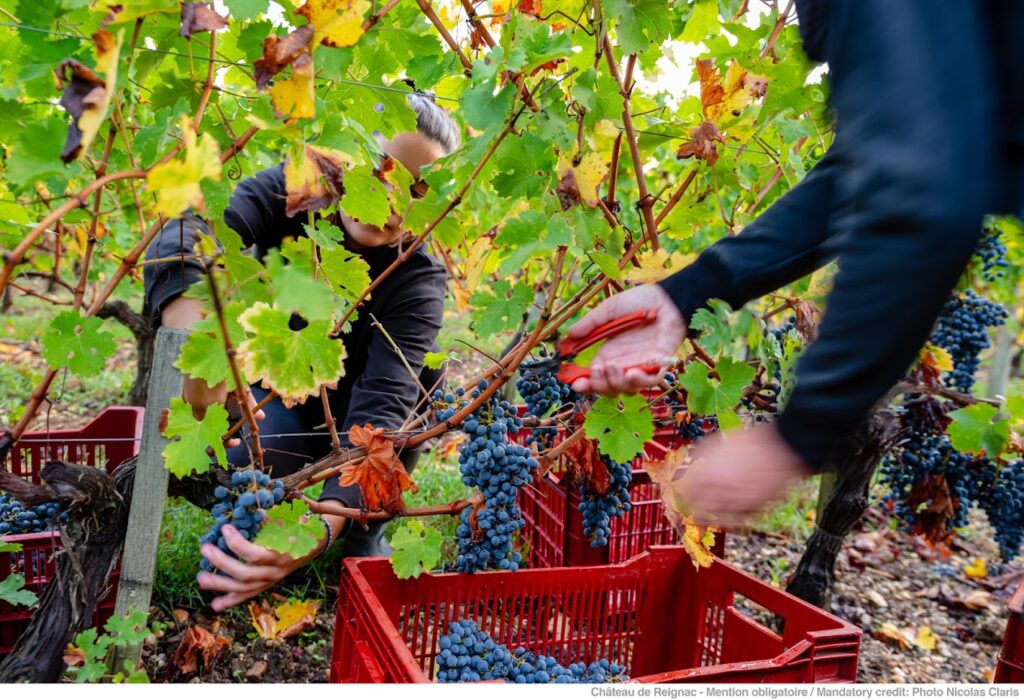
During harvest, châteaux operate on schedules dictated by grape maturity rather than visitor convenience. Picking often begins at dawn to take advantage of cooler temperatures, with sorting and processing continuing throughout the day. The rhythm is dictated by weather windows, with sudden changes potentially requiring 24-hour operations to bring grapes in before rain arrives. In this environment, even scheduled appointments may be cancelled or dramatically shortened if harvest conditions demand immediate attention. Believe us this has happened even at the most distinguished institutions!
The most prestigious estates, those producing wines that collectors actively seek, are particularly restrictive during this period. First Growth châteaux may completely cease public tours, if they host them at all, while Seconds and other classified growths typically limit access to their most important partners and long-standing relationships. This restriction isn't born of exclusivity for its own sake, but rather from the practical reality that harvest represents the most crucial period of the entire winemaking year and can be a tricky time in the cellars for visitors.
For collectors accustomed to arranging their own vineyard visits, this presents a significant challenge. Cold calls to château offices often result in polite but firm refusals, and even established relationships may not guarantee access during peak harvest periods. The timing that makes harvest visits most rewarding—when fermentation vats are actively bubbling and sorting tables are running at full capacity—is precisely when châteaux are least available to accommodate visitors.
This is where the expertise and relationships of a local wine tour company like Decanter Tours become not just valuable, but essential. Our experienced guides who have spent years building relationships with château owners, winemakers, and estate managers possess the key to unlocking access that would be impossible for individual collectors to arrange independently.
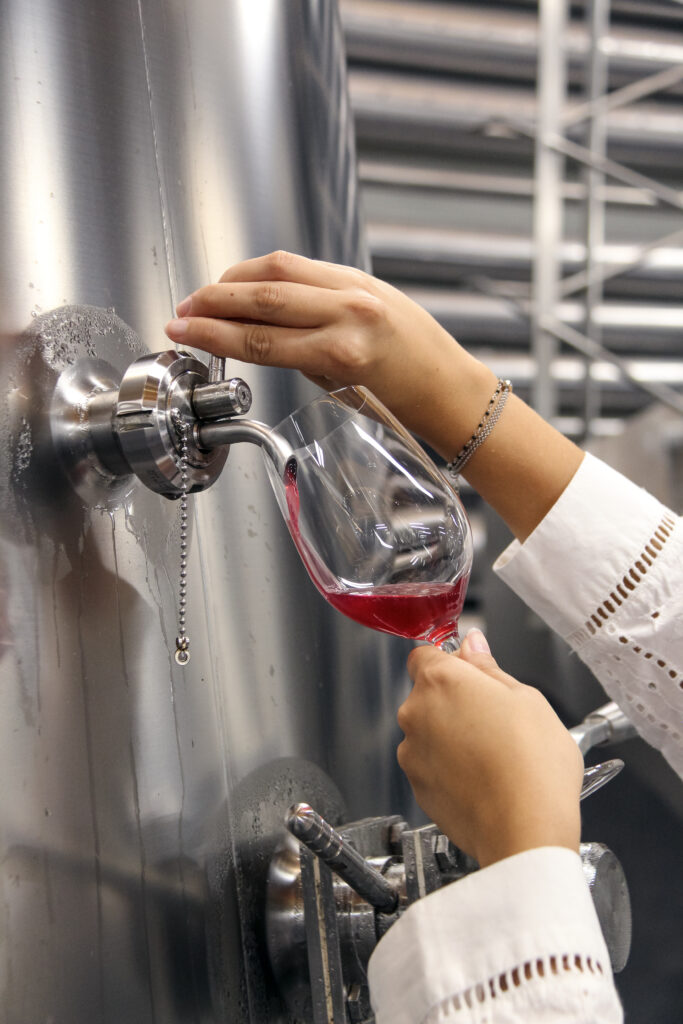
The value of these relationships extends far beyond simple appointment scheduling. Our established wine guides understand the specific rhythms and preferences of individual estates. They know which châteaux are more accommodating during early morning hours before harvest operations begin, which estates might offer brief afternoon visits during sorting breaks, and which winemakers genuinely enjoy sharing their expertise with knowledgeable collectors even during their busiest season.
More importantly, our professional guides book harvest visits months in advance, often during the previous winter or early spring when château calendars are more flexible and staff has time to consider special requests. This advance planning allows for the strategic scheduling that harvest visits require, with built-in flexibility to accommodate weather-driven changes to harvest timing.
Furthermore, Decanter Tours has access to experiences that go far beyond standard wine tours in Bordeaux. We can arrange private tastings directly from fermenting tanks, allowing collectors to taste wines at their most vulnerable and transformative stage. We can secure access to sorting areas where collectors can observe the meticulous selection process that separates great wines from merely good ones. Most valuably, we can arrange conversations with winemakers who are typically too busy during harvest to engage with casual visitors.
Harvest visits provide collectors with intelligence about vintage quality that extends far beyond published reports and critics' scores. Witnessing the harvest firsthand allows for real-time assessment of vintage conditions and estate-specific decisions that will ultimately impact wine quality and investment potential.
Weather conditions during harvest have enormous impact on final wine quality, and collectors present during harvest can observe how different estates respond to challenging conditions. Each region, appellation and area have very different weather conditions. Some châteaux in Bordeaux invest heavily in weather prediction equipment and can maintain harvest schedules despite marginal conditions, while others may be forced to make compromises that impact wine quality due to lack of information about the weather. Observing these differences provides collectors with insight into which estates are likely to produce exceptional wines even in difficult vintages.
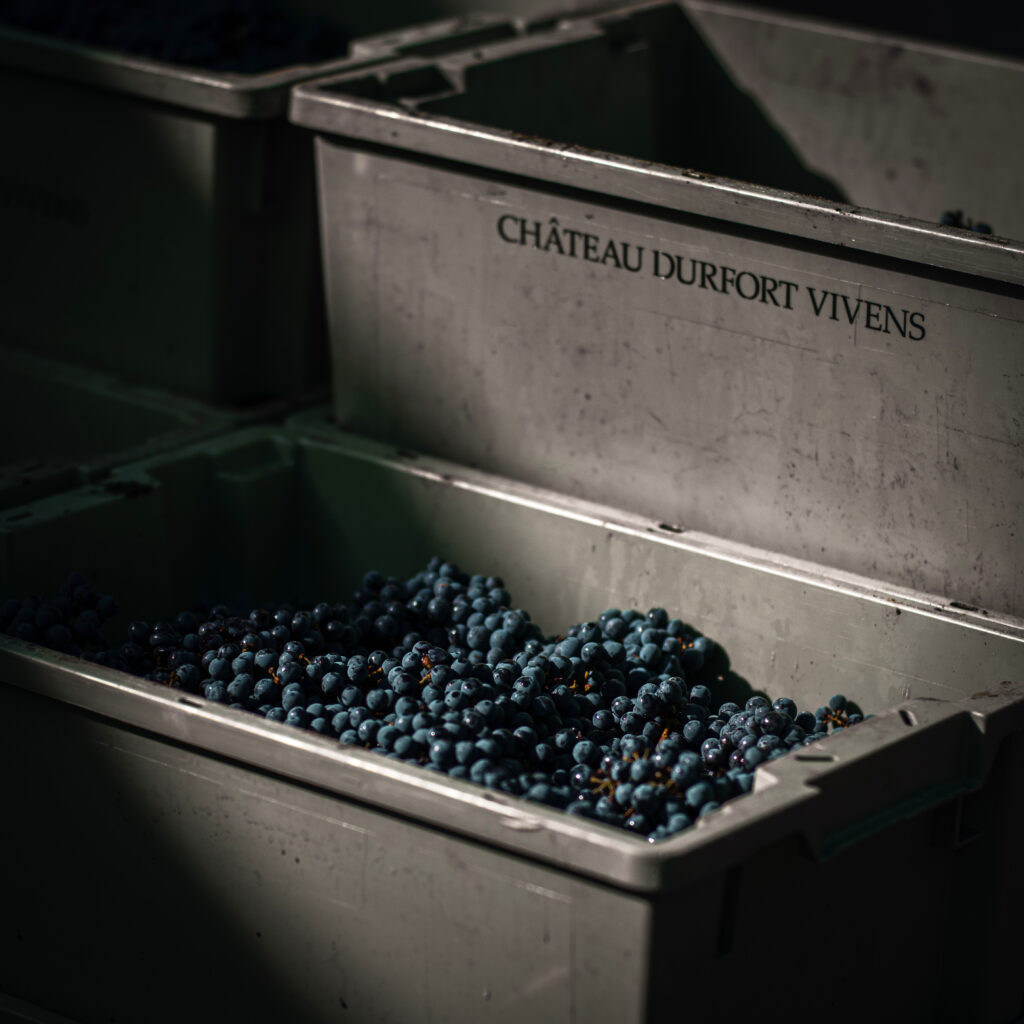
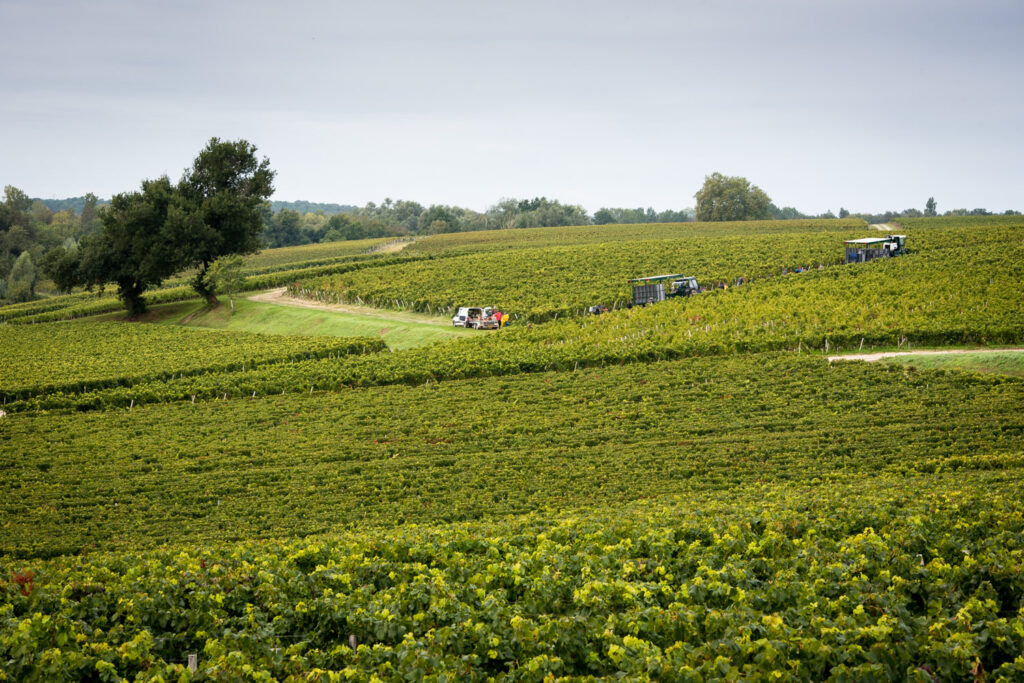
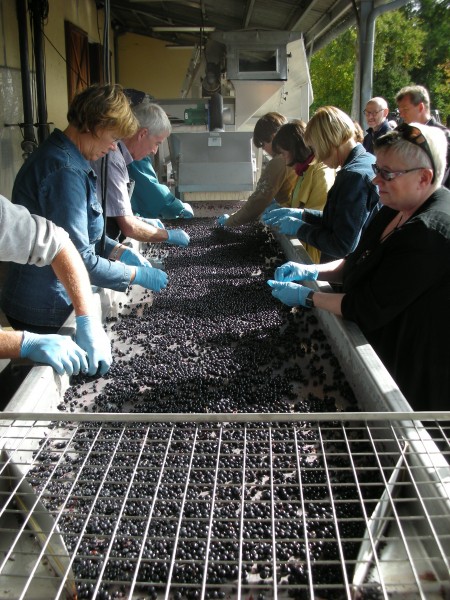
The health and quality of incoming grapes varies not just between vintages, but between individual estates within the same vintage and also within indivudual plots in the same vineyard. Collectors visiting multiple properties during harvest can compare grape quality, sorting stringency, and processing techniques across different estates. This comparative analysis provides invaluable intelligence for making informed purchasing decisions, particularly for en primeur buying where wines must be evaluated and purchased before they're fully mature.
Harvest visits also reveal estate-specific investments in quality that are often not be apparent from tasting finished wines. Some châteaux employ additional sorting personnel during challenging vintages, while others rely more heavily on mechanical sorting and selection. Most estates in Bordeaux invest in precise temperature control during fermentation, while others depend on traditional techniques that may be more variable but potentially more expressive. For collectors building long-term cellars, understanding these philosophical differences helps predict how wines will develop over decades of aging.
For serious collectors, harvest visits provide crucial intelligence for en primeur purchasing decisions. The en primeur system, where Bordeaux wines are sold as futures while still aging in barrels, requires collectors to make purchasing decisions based on limited tastings of unfinished wines. Collectors who visit during harvest gain substantial advantages in this process.
Understanding harvest conditions and estate-specific responses provides context for evaluating barrel samples when they're released for en primeur tastings the following spring. Collectors who witnessed challenging harvest conditions can better appreciate estates that maintained high standards despite difficulties, while those who observed optimal conditions can identify estates that may have underperformed despite favorable circumstances.
Harvest visits also provide opportunities to establish relationships with estate personnel that prove valuable during en primeur allocations. Collectors who demonstrate genuine interest in the winemaking process and respect for harvest operations often find themselves favorably positioned when highly sought-after wines are allocated among competing buyers.
The timing of harvest visits can also provide intelligence about vintage potential. Years with late harvests due to delayed ripening may produce wines with different characteristics than those with early, rapid harvests. Collectors who observe these timing differences firsthand can better predict how wines will develop and age, informing both purchasing and cellaring decisions.
Successfully experiencing Bordeaux harvest requires sophisticated logistical planning that goes far beyond standard travel arrangements. Accommodation in Bordeaux becomes scarce during harvest season, with wine professionals, journalists, and knowledgeable collectors all competing for hotel availability. The most desirable properties, particularly those offering wine-focused amenities, often book months in advance.
Transportation during harvest requires special consideration, as increased traffic from harvest workers and transport vehicles can significantly impact travel times between estates. Decanter Tours' guides understand these patterns and build appropriate buffer time into schedules, ensuring that delays don't compound throughout the day.
Restaurant reservations also become more challenging during harvest season, as the influx of wine professionals and collectors creates increased demand for the region's limited fine dining establishments. Collectors planning harvest visits should make restaurant reservations well in advance and be prepared for modified menus as establishments focus on accommodating increased demand.
For serious wine enthusiasts wanting a quality experience, the cost of professional guidance during harvest season represents an investment rather than an expense. The access, insights, and relationships that experienced guides provide simply cannot be replicated through individual effort, particularly during the restrictive harvest period.
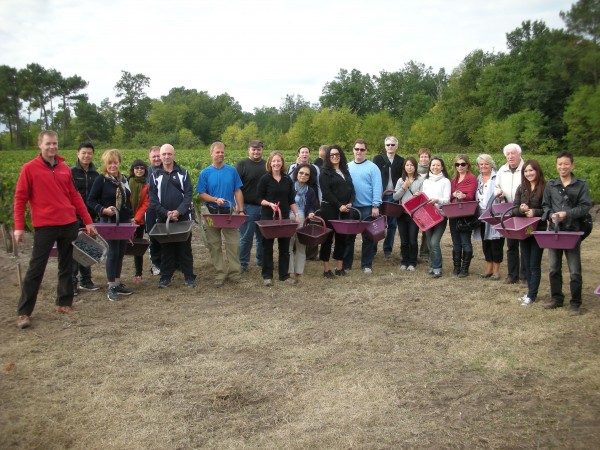
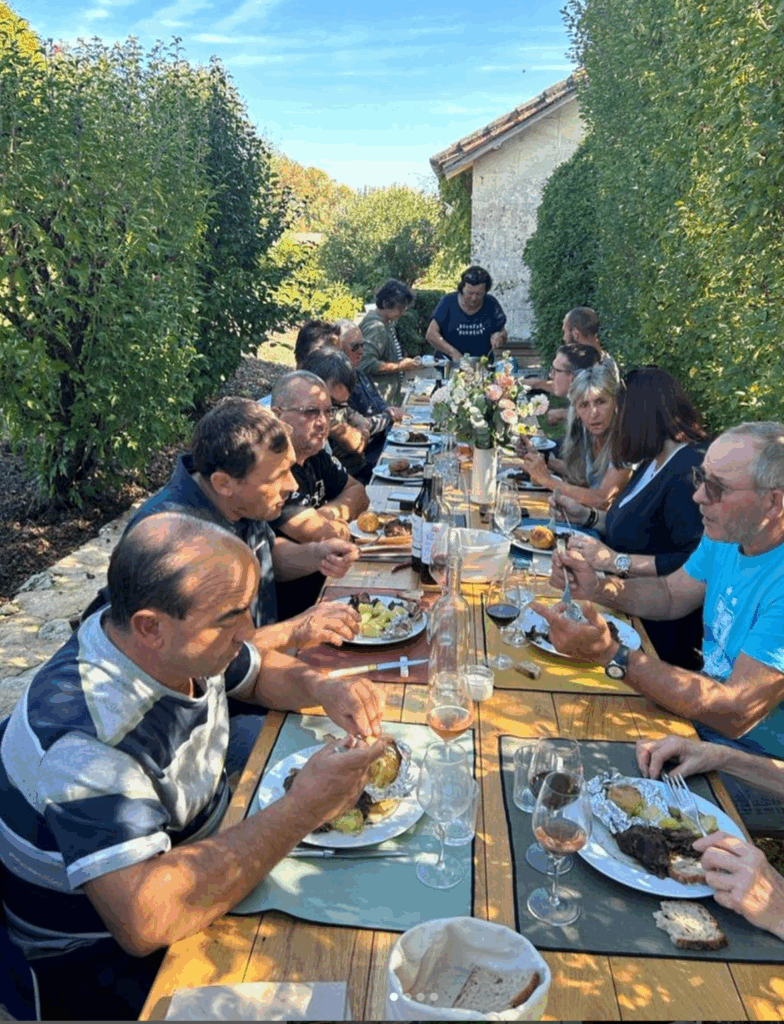
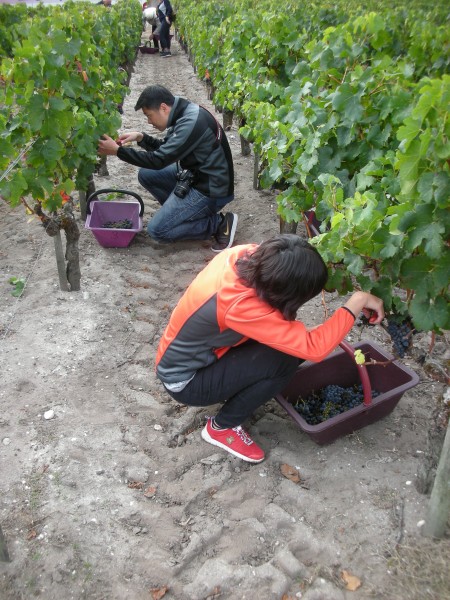
Decanter Tours bring decades of relationship building that individual collectors cannot match. We understand the personalities, preferences, and schedules of key personnel at premier estates. We know which winemakers enjoy technical discussions about vineyard management and which prefer to focus on philosophical aspects of winemaking. We can also read the subtle cues that indicate when a visit should be extended because genuine enthusiasm is present versus when professional courtesy requires a prompt departure.
The educational value that Decanter Tours' guides provide during harvest visits extends far beyond simple appointment arrangement. Our experienced guides can provide real-time context for what collectors are observing, explaining how current harvest conditions compare to historical norms and how estate-specific decisions reflect broader winemaking philosophies.
Most importantly, our guides ensure that collector visits enhance rather than impede harvest operations. We understand the delicate balance between satisfying your curiosity and respecting the urgent demands of harvest season. This sensitivity protects the relationships that make future visits possible while ensuring that current experiences are as rich and informative as possible.
The Bordeaux harvest represents the ultimate challenge for discerning wine enthusiasts: accessing the region's most prestigious estates during their most restrictive and exciting period. Success requires sophisticated planning, established relationships, and expert guidance that transforms potential obstacles into unprecedented opportunities.
For those willing to invest in professional expertise during harvest season, Decanter Tours offers experiences that fundamentally enhance your relationship with Bordeaux wines. The sensory immersion, vintage intelligence, and exclusive access available during harvest provide insights that inform collecting decisions for decades.
The harvest season demands respect, preparation, and expertise, but rewards those qualities with access to experiences that casual visitors simply cannot achieve. For the discerning collector, there is no substitute for witnessing the birth of legendary wines in the exact moment of their creation. Email Decanter Tours for your Bordeaux Harvest Tour.
Q: How far in advance should I book a harvest tour with Decanter Tours? A: We recommend booking harvest tours at least 6-8 months in advance, ideally during the previous winter or early spring. Many prestigious châteaux completely limit access during harvest, and we secure these exclusive appointments when estates are planning their harvest calendars.
Q: What happens if weather conditions disrupt the harvest schedule during my visit? A: We are in an. industry where weather rules everything. Our experienced guides build flexibility into our harvest itineraries specifically to accommodate weather-driven changes. We monitor weather forecasts closely and do our utmost before your arrival to maximize your harvest experience.
Q: Can Decanter Tours arrange for me to participate hands-on in the harvest process? A: Yes, we can arrange hands-on experiences including grape sorting, barrel tastings, and in some cases, participation in harvest activities. However, these opportunities depend on estate policies and harvest conditions and they change every year. We work directly with château management to arrange appropriate participation levels that enhance your experience without interfering with critical harvest operations.
Q: How does Decanter Tours ensure access to premier estates during their busiest season? A: We have spent years building personal relationships with château owners, winemakers, and estate managers. We secure harvest appointments months in advance and maintain ongoing communication about harvest timing. Many estates that refuse individual requests will accommodate our established relationships, particularly when we demonstrate respect for their harvest priorities.
Q: What exclusive experiences can Decanter Tours provide during harvest that I couldn't access independently? A: Our relationships enable access to working fermentation rooms, direct tank tastings, private conversations with winemakers during harvest, and behind-the-scenes access to sorting and processing areas. We can also arrange comparative tastings of different lots and vineyard blocks during fermentation, providing vintage assessment opportunities unavailable to casual visitors.
Q: How do harvest tours differ from regular château visits in terms of duration and intensity? A: Harvest tours are typically more intensive and shorter at individual estates, as we respect the time constraints of active harvest operations. However, the experience is far more immersive, including sensory elements unavailable during quieter periods. Our guides structure days to maximize exposure while remaining sensitive to harvest demands.
Q: Can Decanter Tours help me assess vintage potential for en primeur purchases? A: Absolutely. Our harvest tours provide crucial intelligence for future en primeur decisions. Our guides all have some sort of qualification in wine (WSET, MW, MS, DUAD etc) and will help you understand harvest conditions, estate-specific responses to challenges, and comparative quality across different properties. This intelligence proves invaluable when barrel samples are released for en primeur evaluation the following spring.
Q: What should I expect in terms of tasting opportunities during harvest visits? A: Harvest tastings often include fresh grape sampling, must tastings during crushing, and fermentation tank tastings that show wines in their most transformative state. These tastings provide insight into vintage potential and winemaking decisions that standard tours cannot offer. Our guides ensure you understand what you're tasting and how it relates to finished wine quality.
Q: How does Decanter Tours handle the increased logistical challenges of harvest season? A: We provide comprehensive logistical support including advance accommodation bookings, transportation coordination that accounts for harvest traffic patterns, and restaurant reservations at establishments that may have limited availability. Our local expertise ensures smooth travel despite the increased complexity of harvest season logistics.
Q: It's September. Is it too late to reserve my place for a comprehensive harvest experience with Decanter Tours? A: Harvest tours represent a premium experience due to their exclusivity and the intensive preparation required. We need sufficient time to organize these premium visits. It is advisable to book at least 6 months in advance but we will always try to accommodate even last minute requests. We provide detailed proposals based on your specific interests and requirements, ensuring maximum value for your investment in this once-in-a-lifetime experience.
What You'll Learn in This Guide:
Whether you're planning your first visit or looking to deepen your wine knowledge, this guide provides everything you need to navigate Bordeaux's legendary wine region with confidence.
Welcome to Bordeaux, the crown jewel of France’s wine regions, where centuries of tradition meet modern craftsmanship in every grape vine, vineyard and bottle. As you embark on this captivating journey through vast vineyards and charming châteaux, you’ll discover why Bordeaux is revered by oenophiles worldwide. From the rich flavors of Cabernet Sauvignon to the elegant notes of Merlot, each glass tells a story steeped in heritage and passion. This ultimate guide to wine tasting in Bordeaux is designed to lead you through the essentials—whether you’re a novice eager to learn or a seasoned connoisseur seeking hidden gems. Get ready to explore the diverse appellations, savor exceptional vintages, and indulge in unforgettable wine experiences with Decanter Tours. Bordeaux is not just a destination; it's an adventure for the senses that invites you to uncork memories that will linger long after your visit. Join us as we dive into the heart of this enchanting region and unlock the secrets of its legendary wines.
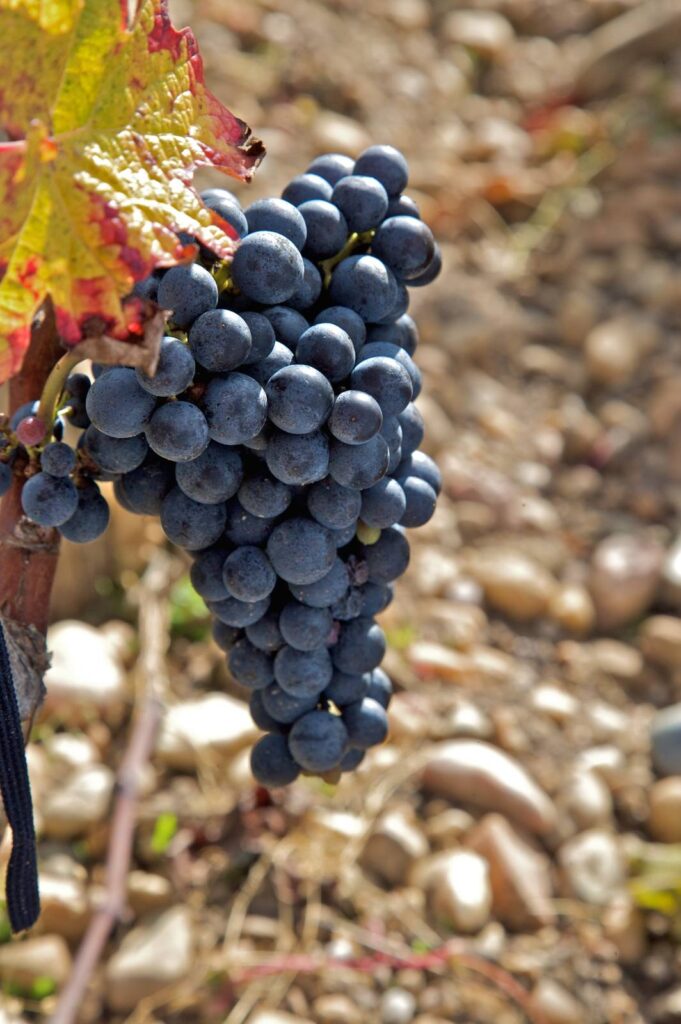
Bordeaux’s terroir is a mosaic of diverse soils, climates, and topographies that contribute to the distinct characteristics of its wines. The region is blessed with a temperate maritime climate, moderated by its proximity to the Atlantic Ocean, ensuring mild winters and warm summers. This ideal climate fosters the optimal ripening of grapes, creating a balance between acidity and sugar levels, crucial for producing high-quality wines. The geographical diversity of Bordeaux, spanning from the Médoc to the Graves, offers a rich variety of microclimates, each influencing the flavor profiles of the wines produced.
The soil composition in Bordeaux is equally varied, ranging from gravelly soils in the Médoc and Graves to clay-limestone in Saint-Émilion and Pomerol. The gravelly soils, rich in minerals, provide excellent drainage and reflect heat, promoting the ripening of Cabernet Sauvignon, which thrives in these conditions. On the other hand, the clay-limestone soils retain moisture and nutrients, favoring the growth of Merlot and Cabernet Franc, resulting in wines with softer tannins and complex aromas. These diverse soil types are meticulously matched with the grape varietals that best suit them, a practice perfected over centuries by Bordeaux’s winemakers.
The terroir of Bordeaux is not just about soil and climate; it also encompasses the human element—the traditions, expertise, and passion of the vintners. The region’s wine-making heritage dates back to Roman times, and over the centuries, Bordeaux’s winemakers have honed their craft, adapting to changing climates and technological advancements while preserving time-honored methods. The dedication to quality and innovation is evident in every bottle, making Bordeaux a benchmark for fine wines globally. Understanding the terroir is the first step in appreciating the depth and complexity of Bordeaux wines, setting the stage for an unforgettable tasting experience.
Bordeaux is predominantly known for its red wines, which account for about 90% of the region’s production. These reds are renowned for their depth, complexity, and aging potential, with the most famous appellations including Médoc, Saint-Émilion, Pomerol, and Graves. The primary grape varieties used in Bordeaux reds are Cabernet Sauvignon, Merlot, Cabernet Franc, Petit Verdot, and Malbec. Cabernet Sauvignon imparts structure and tannins, Merlot adds softness and fruitiness, while Cabernet Franc contributes aromatic complexity. The art of blending these varietals creates wines with balanced flavors, long finishes, and remarkable elegance.
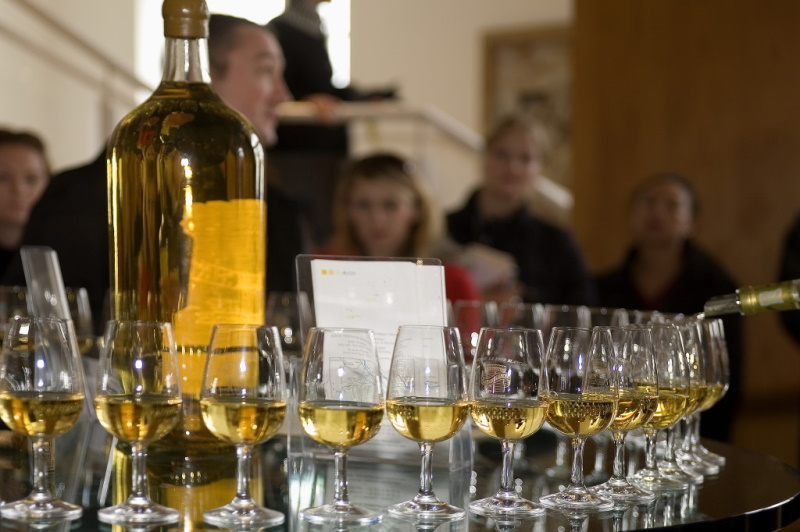
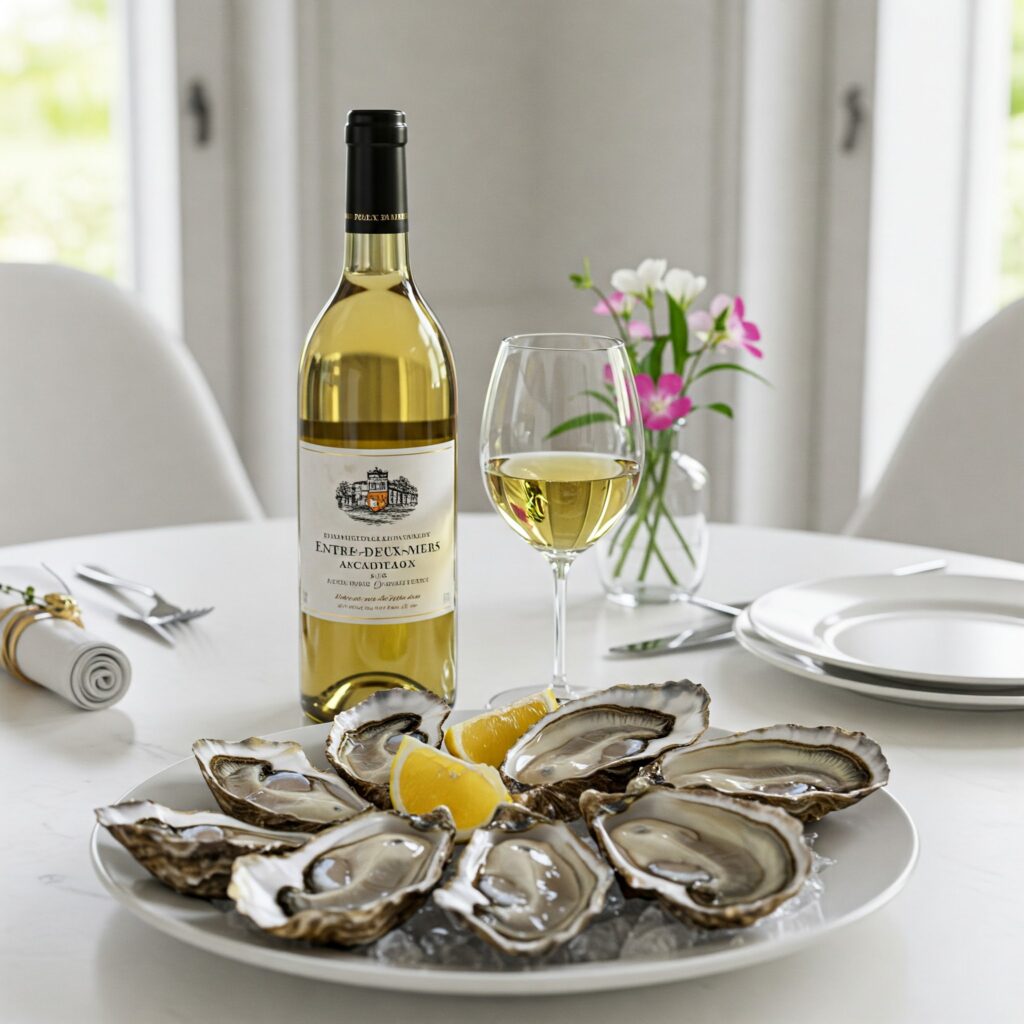
While red wines dominate, Bordeaux also produces exquisite white wines that deserve equal recognition. The region’s white wines are primarily crafted from Sauvignon Blanc, Sémillon, and Muscadelle grapes. Bordeaux offers two main styles of white wines: dry and sweet. Dry whites, such as those from Graves and Pessac-Léognan, are crisp, vibrant, and aromatic, perfect for pairing with seafood and poultry. On the other hand, sweet whites, epitomized by the legendary Sauternes and Barsac, are rich, luscious, and honeyed, often enjoyed as dessert wines. These sweet wines are made from grapes affected by noble rot, which concentrates sugars and flavors, resulting in wines with extraordinary depth and complexity.
Rosé wines, though less prominent, are also part of Bordeaux’s diverse wine portfolio. These refreshing and versatile wines are made primarily from Merlot and Cabernet Sauvignon grapes. Bordeaux rosés are typically dry, with bright acidity and flavors of red berries and citrus. They are perfect for warm summer days and pair wonderfully with light dishes like salads, grilled fish, and Mediterranean cuisine. The variety of Bordeaux wines—red, white, sweet, and rosé—ensures that there is something to suit every palate and occasion, making the region a treasure trove for wine lovers.
Planning a wine tasting trip to Bordeaux involves considering the best times to visit to fully experience the region’s offerings. Bordeaux’s wine tourism season generally peaks during spring and summer, from April to October. Springtime in Bordeaux is idyllic, with vineyards coming to life, mild temperatures, and fewer crowds. This season offers an excellent opportunity to explore the vineyards, witness the budding vines, and enjoy outdoor activities like cycling and picnicking amidst beautiful landscapes. Moreover, spring is when many châteaux start their new vintages, providing visitors with a chance to taste wines fresh from the barrels.
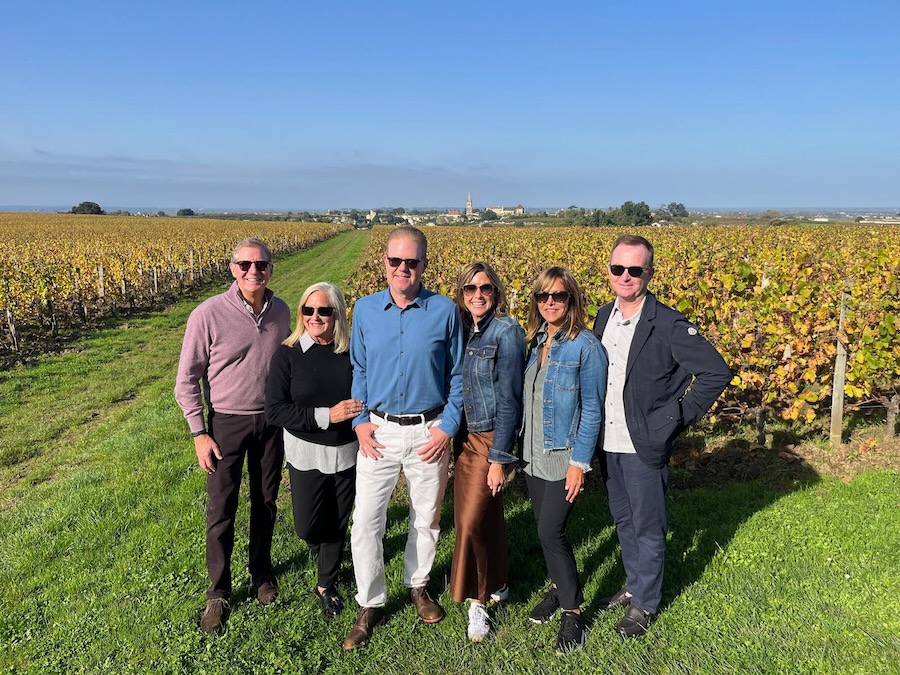
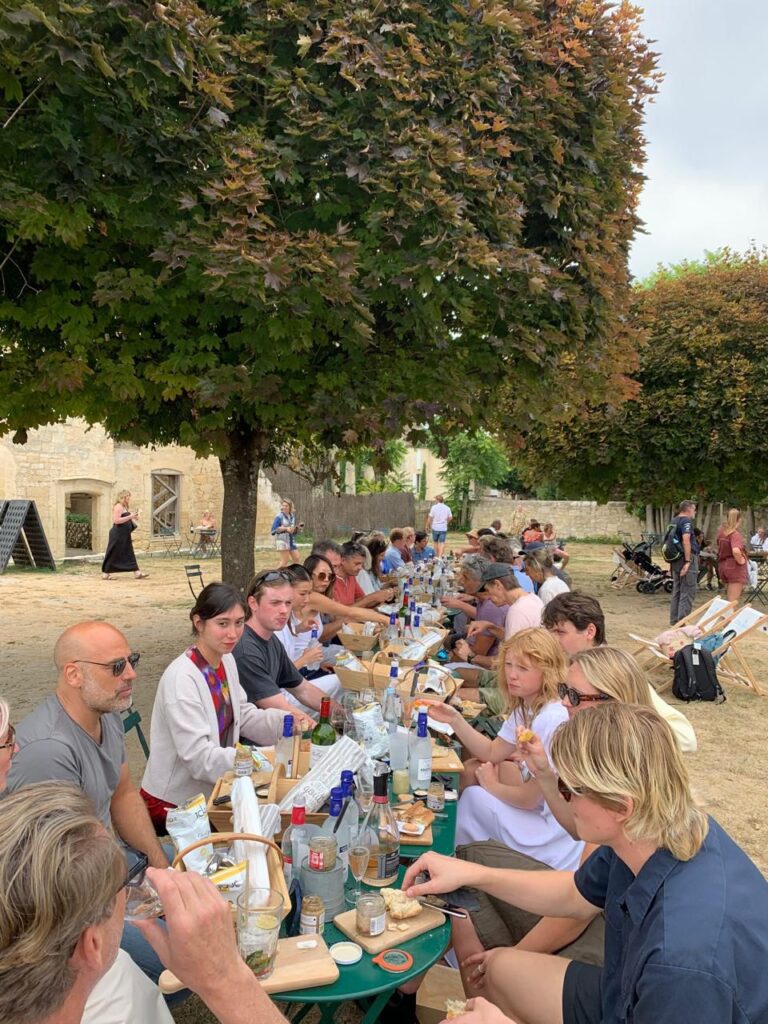
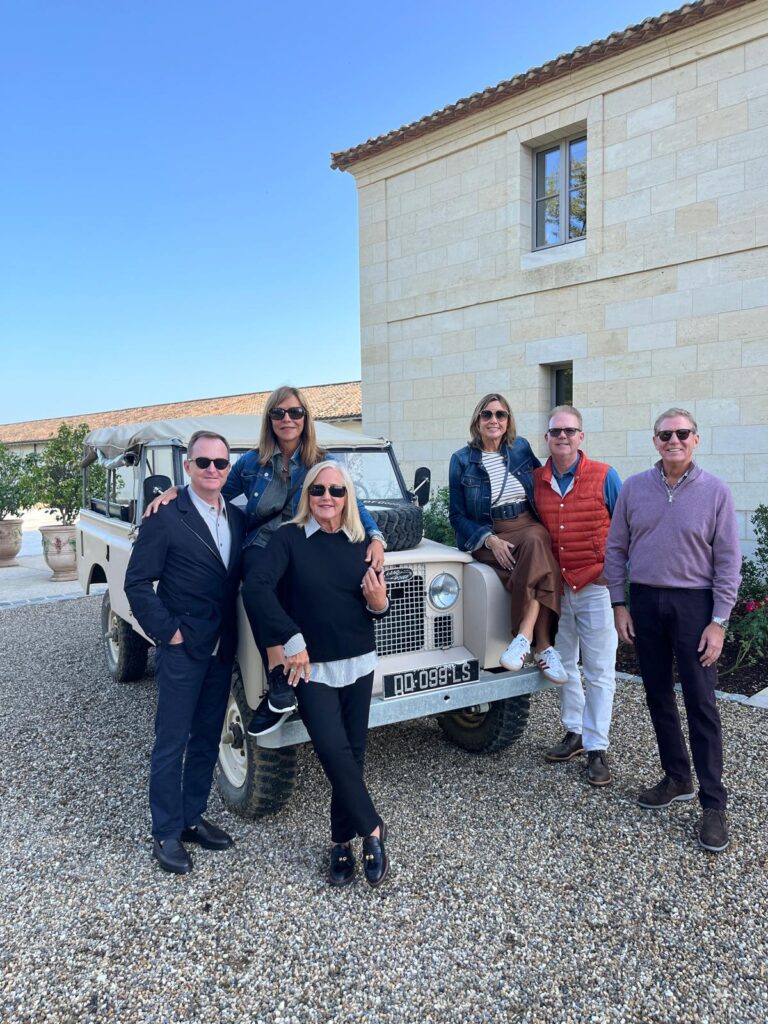
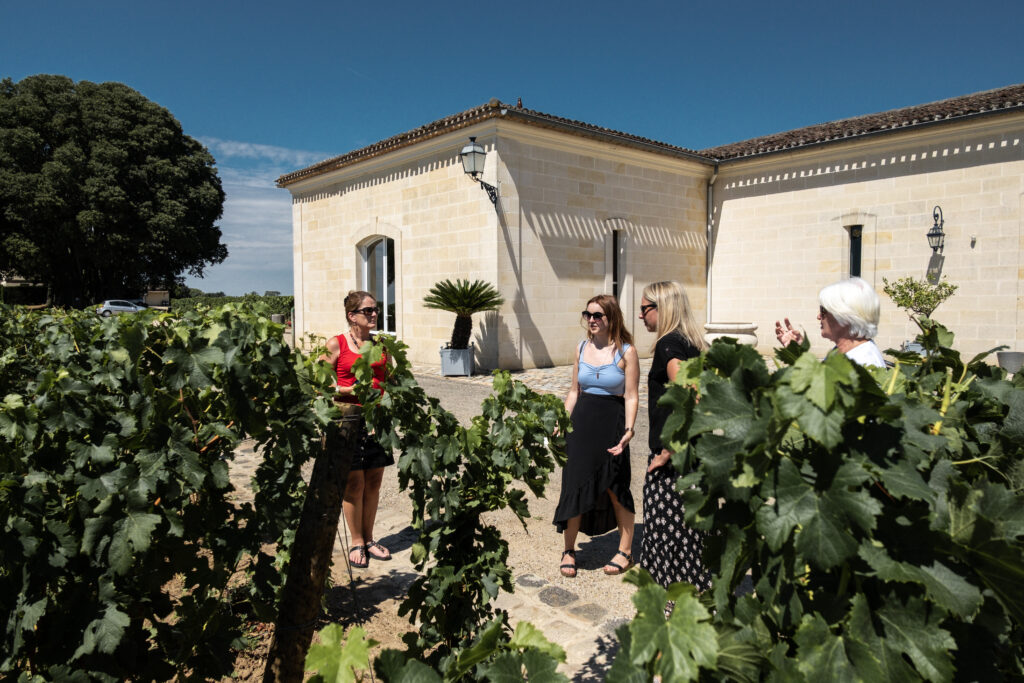
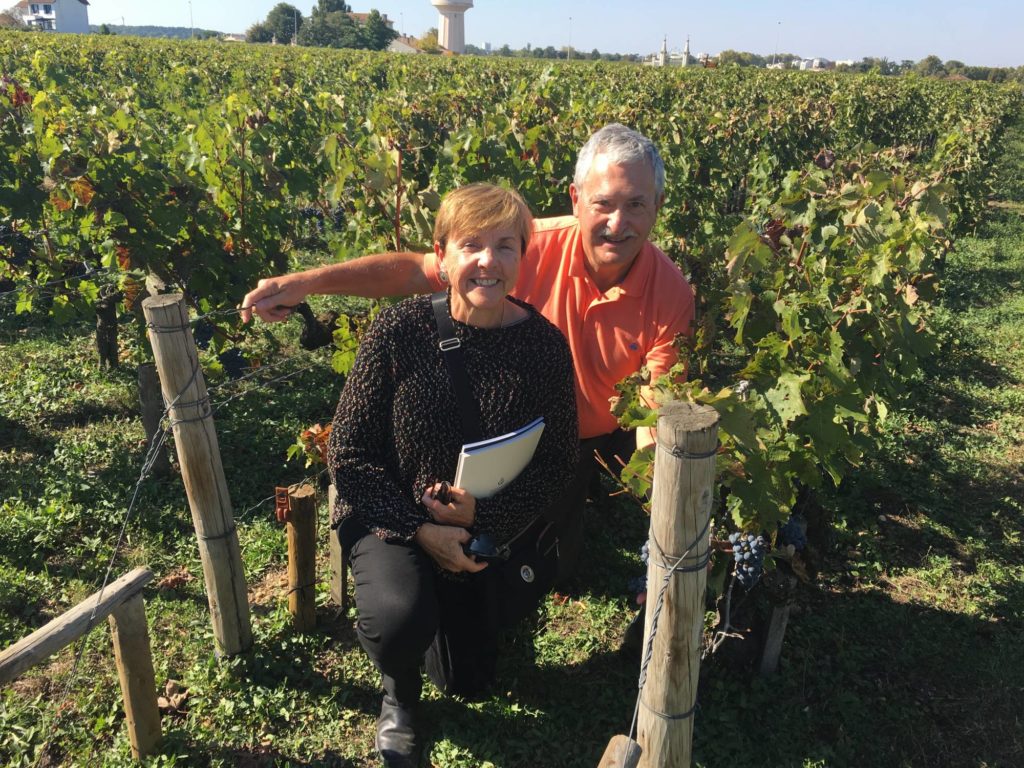
Summer in Bordeaux is vibrant and bustling, with numerous wine festivals, events, and tours in full swing. The warm weather is perfect for vineyard tours, outdoor tastings, and exploring the picturesque villages and historic sites. The Bordeaux Wine Festival, held biennially in June, is a highlight, featuring wine tastings, workshops, and cultural events along the scenic Garonne River. However, summer also attracts larger crowds, so booking tours and accommodations in advance is recommended. Despite the busy season, the charm and excitement of Bordeaux in summer are unmatched, offering a festive atmosphere for wine enthusiasts.
Autumn, from September to October, is another excellent time to visit Bordeaux, coinciding with the grape harvest season. The vineyards are bustling with activity as winemakers and workers gather grapes, and the air is filled with the aroma of fermenting wine. This period provides a unique opportunity to observe the harvest process, participate in grape-picking activities, and taste freshly pressed juices. The fall foliage adds to the region’s beauty, creating a picturesque backdrop for vineyard tours and wine tastings. Visiting Bordeaux during the harvest season offers an immersive experience into the heart of winemaking, making it a memorable time for any wine lover.
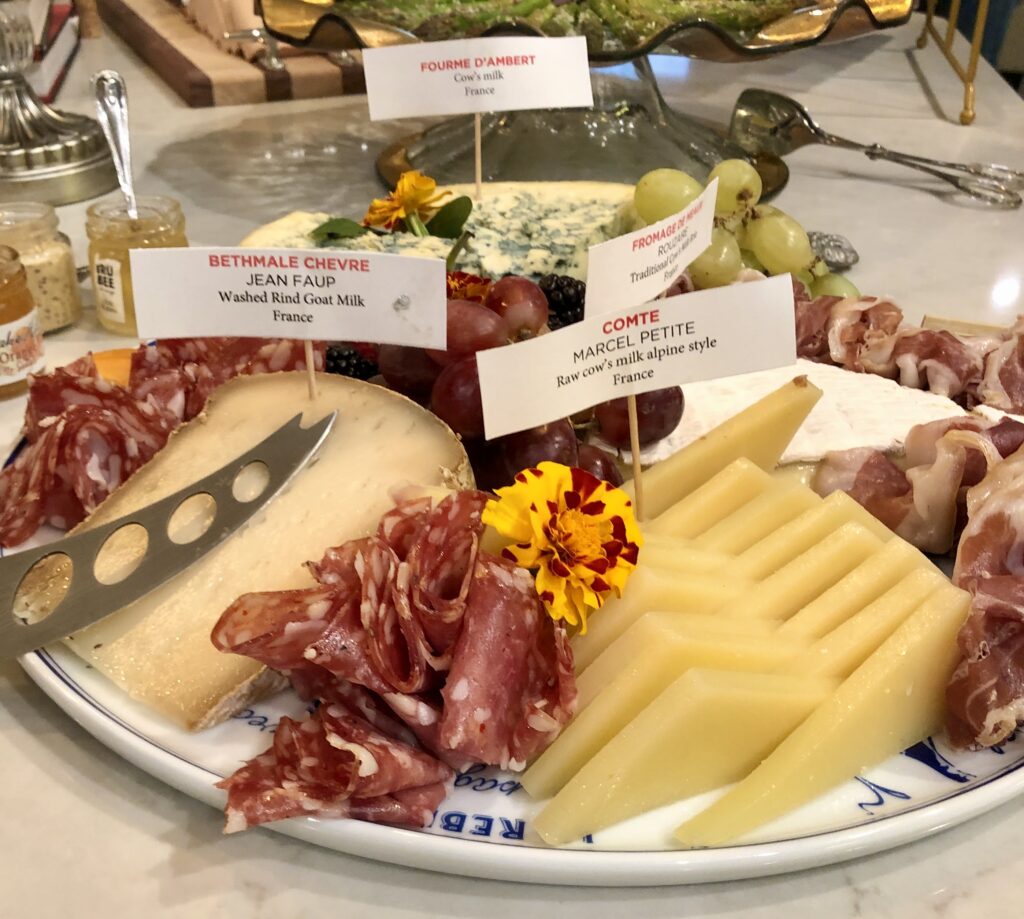
Pairing Bordeaux wines with food is an art that enhances the enjoyment of both the wine and the culinary experience. Bordeaux’s diverse wine styles offer a plethora of pairing options, making it possible to complement a wide range of dishes. For red Bordeaux wines, particularly those from Médoc and Saint-Émilion, rich and hearty dishes like beef, lamb, and game are ideal. The tannins and structure of Cabernet Sauvignon-based wines balance well with the protein and fat in these meats, creating a harmonious and satisfying pairing. Try a classic Bordeaux red with a succulent ribeye steak or a slow-cooked lamb shank to experience the perfect synergy. The reds from the Graves are lighter and often easier to pair with chicken and fish. Yes, I said red wine with fish!
White Bordeaux wines, especially those from Graves and Pessac-Léognan, are versatile and pair beautifully with lighter fare. Sauvignon Blanc’s bright acidity and aromatic qualities make it an excellent match for seafood, salads, and goat cheese. Sémillon-based whites, with their fuller body and subtle complexity, complement dishes like roast chicken, creamy pasta, and grilled vegetables. For a delightful pairing, serve a chilled dry white Bordeaux with fresh oysters or a seafood platter, allowing the wine’s crispness to enhance the flavors of the ocean.
Sweet Bordeaux wines, such as Sauternes and Barsac, are often though of only for dessert pairings but they offer intriguing combinations with savory dishes too. These wines’ rich sweetness and complexity make them ideal for foie gras, blue cheese, grilled honey roast chicken, or spicy Asian cuisine. The honeyed notes of Sauternes beautifully balance the salty and pungent flavors of blue cheese, creating an exquisite tasting experience. For a unique pairing, try a glass of sweet Bordeaux with spicy Thai or Indian dishes, where the wine’s sweetness can counterbalance the heat and bring out the dish’s intricate flavors.
To truly immerse yourself in Bordeaux’s wine culture, participating in wine tours and experiences is essential. Having someone show you the ropes is essential. Not only because securing visits is often very tricky but also because of the inside information that can be gleaned from having a local lead the way. Decanter Tours offer a plethora of guided tours, each tailored to different interests and levels of expertise. Whether you prefer intimate visits to boutique wineries or grand tours of historic châteaux, there’s something for everyone. All of our tours include guided tastings, vineyard walks, and educational sessions on wine production, allowing visitors to gain a deeper understanding of Bordeaux’s winemaking traditions and techniques. Booking a tour with our competent and knowledgeable guides ensures a comprehensive and enriching experience, providing insights that you will definitely miss on a self-guided visit.
For a more immersive experience, consider staying at a wine estate or château. Many Bordeaux vineyards offer accommodations, ranging from luxurious rooms in historic châteaux to charming cottages amidst the vines. Staying on-site allows you to explore the vineyards at your leisure, participate in exclusive tastings, and interact with the winemakers. Some estates offer hands-on activities like grape picking, blending sessions, and cooking classes, enhancing your understanding of the wine-making process. Waking up to the sight of sunlit vineyards and ending the day with a glass of estate-produced wine is an experience that encapsulates the essence of Bordeaux. Decanter Tours has many partner chateaus that are just perfect for overnight stays.
Beyond traditional tours, Bordeaux also offers a range of unique wine experiences. For adventure seekers, hot air balloon rides over the vineyards provide breathtaking views and a unique perspective on the landscape. Cycling tours through the vineyards combine physical activity with wine tasting, perfect for those who enjoy an active lifestyle. A white wine and oyster tasting on a traditional boat on the Bay of Arcachon provides a different look at the French life-style in Bordeaux. Wine and food pairing workshops, wine blending sessions, and vertical tastings of different vintages offer deeper insights into the intricacies of Bordeaux wines. These experiences, coupled with the region’s stunning scenery and rich history, ensure that your visit to Bordeaux is both memorable and enlightening.
As you conclude your journey through Bordeaux, it’s evident that this region offers more than just exceptional wines; it provides an immersive experience that engages all the senses. From understanding the terroir to exploring the diverse wine styles, every aspect of Bordeaux enriches your appreciation for its wine heritage. Whether you’re savoring a robust red with a hearty meal, enjoying a crisp white on a sunny day, or indulging in a sweet Sauternes with dessert, Bordeaux wines elevate every moment, creating memories that linger long after the last sip.
Decanter Tours offers curated experiences that encapsulate the essence of Bordeaux, ensuring that your visit is both informative and enjoyable. Their expertise in wine tourism and connections with local winemakers provide access to exclusive tours and tastings, allowing you to discover hidden gems and renowned estates alike. Whether you’re a novice eager to learn or a seasoned connoisseur seeking deeper insights, Decanter Tours tailors each experience to your preferences, making your Bordeaux adventure truly unforgettable.
Embracing the Bordeaux wine experience with Decanter Tours is more than a journey through vineyards; it’s an invitation to connect with the soul of the region. Every glass of wine tells a story of passion, tradition, and craftsmanship, inviting you to become part of Bordeaux’s rich tapestry. As you uncork each bottle, you uncork a piece of history, savoring the flavors that have made Bordeaux a legend in the world of wine. So raise your glass, toast to new adventures, and let the magic of Bordeaux inspire and delight you.
Contact us to know more.
Q: What makes Bordeaux wines different from other French wines? A: Bordeaux wines are distinguished by their unique terroir—a combination of maritime climate, diverse soils (gravel, clay-limestone), and centuries-old winemaking traditions. The region's signature blending of grape varieties (particularly Cabernet Sauvignon and Merlot for reds) creates wines with exceptional complexity and aging potential that set them apart from single-varietal wines from other regions.
Q: I'm a complete beginner—which Bordeaux wines should I try first? A: Start with a medium-bodied red from Graves or a Bordeaux Supérieur, as these tend to be more approachable with softer tannins. For whites, try a dry Bordeaux Blanc or Graves white wine. These wines offer classic Bordeaux characteristics without being overwhelming for new wine drinkers.
Q: What's the difference between Left Bank and Right Bank Bordeaux wines? A: Left Bank wines (Médoc, Haut-Médoc) are predominantly Cabernet Sauvignon-based, grown in gravelly soils, resulting in structured, tannic wines with excellent aging potential. Right Bank wines (Saint-Émilion, Pomerol) are mainly Merlot-based, grown in clay-limestone soils, producing softer, more fruit-forward wines that are often more accessible when young.
Q: How far in advance should I book wine tours in Bordeaux? A: Book at least 2-4 months in advance is a good estimate if not more, especially during peak season (May-October). Many prestigious châteaux require advance reservations and some only accept visitors through tour operators like Decanter Tours. Harvest season (September-October) and May are particularly popular and fill up quickly.
Q: What should I expect to pay for wine tastings in Bordeaux? A: Tasting fees vary widely. Basic tastings at smaller châteaux may be €15 - 50, while prestigious estates can charge €95-150 or more. We include all tastings in our itineraries, which provides better value.
Q: Can I buy wines directly from the châteaux? A: Yes, most but not all châteaux sell wines directly to visitors, often at competitive prices. This is an excellent way to acquire wines not available in your home country. Ask about shipping options if we often can arrange delivery for our clients.
Q: What's the best way to get around Bordeaux wine country? A: Guided tours are highly recommended for first-time visitors as they handle transportation, appointments, lunch reservations and provide expert knowledge. If you prefer independence, renting a car is possible, but designate a driver. Some areas are accessible by bike, and there are train connections to certain wine towns but these are not too practical.
Q: Do I need to speak French to enjoy Bordeaux wine tours? A: While French is helpful, we cater to international visitors with English-speaking guides. We provide expert English-speaking guides who can translate and explain nuances that might be lost in language barriers.
Q: What should I wear for vineyard visits? A: Dress smart-casual and wear comfortable walking shoes suitable for outdoor terrain. Avoid strong perfumes or scents that might interfere with wine tasting. In summer, bring sun protection; in cooler months, layer clothing as cellar temperatures can be quite cool.
Q: Is it appropriate to spit wine during tastings? A: Absolutely! Professional tasters routinely spit wine to avoid intoxication, especially when tasting multiple wines. Spittoons are provided at all professional tastings, and it's considered perfectly normal and responsible.
Welcome to the enchanting world of Bordeaux, France, where vineyards stretch as far as the eye can see, and each bottle tells a captivating story. If you’ve ever dreamed of sipping the finest wines while surrounded by picturesque landscapes and rich history, you’re in the right place! In this ultimate guide to Bordeaux, we’ll take you on a journey through the best wine tours Bordeaux has to offer, highlighting unforgettable vineyard visits and tastings that ignite your senses. From rustic châteaux to innovative wineries, Bordeaux is not just a region, its not just a wine; it’s an experience waiting to happen. Whether you're a seasoned connoisseur or a curious beginner, we'll help you discover the hidden gems and must-visit spots that will make your trip extraordinary. With Decanter Tours' expertise and 20 years of experience in crafting custom private Bordeaux wine tours, you are sure to discover the Best Bordeaux has to offer. So get ready and let’s dive into the rich world of Bordeaux’s wine culture, where every sip is a step into a legacy of tradition art and refinement.
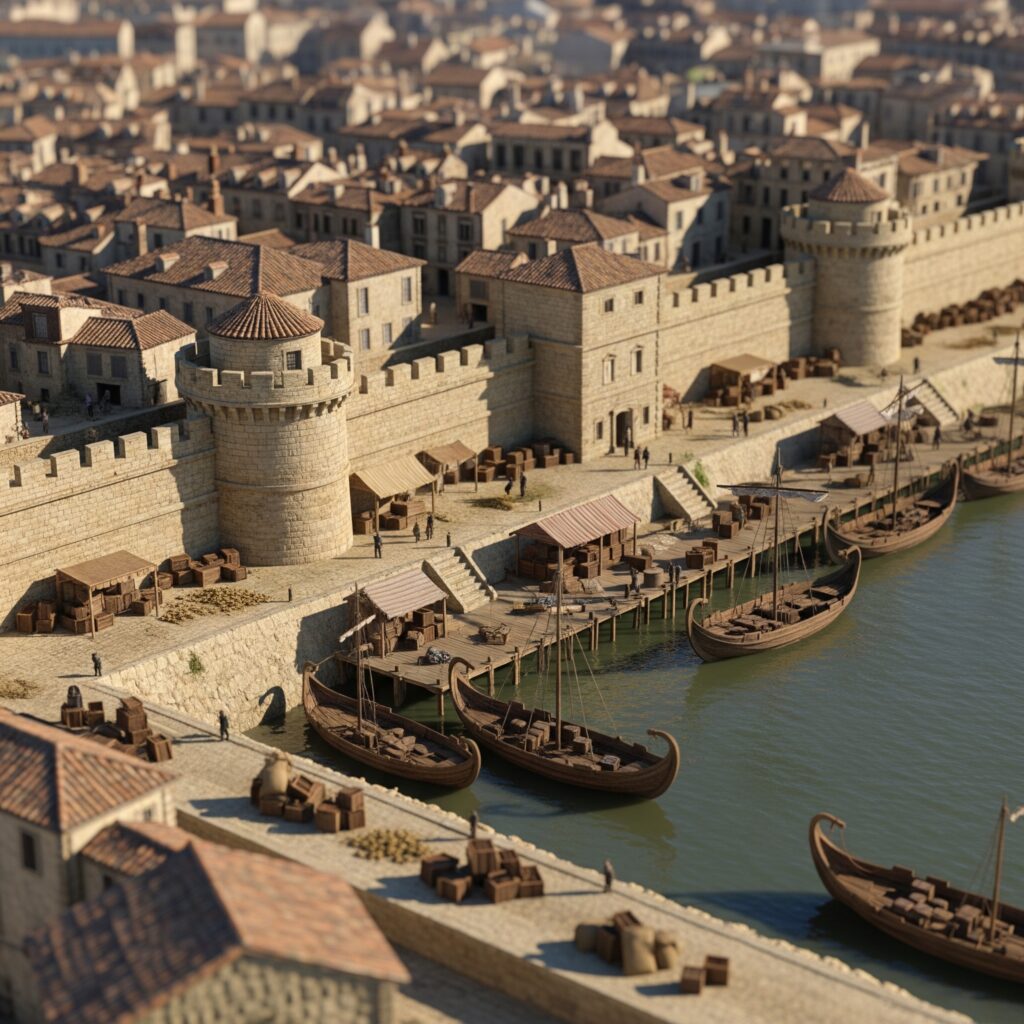
Bordeaux's wine history dates back to the Roman era, around the 1st century AD, when the Romans planted the first vines in the region. The fertile soil and favorable climate made Bordeaux an ideal location for viticulture. Over the centuries, the region's winemaking techniques evolved, influenced by the various cultures and civilizations that passed through. The Middle Ages saw the growth of Bordeaux as an important trading port, with wine becoming one of its primary exports. Traders from England, the Netherlands, and other parts of Europe helped to spread the reputation of Bordeaux wines far and wide.
The 17th and 18th centuries marked a significant period of growth and refinement for Bordeaux wines. The introduction of new grape varieties and the development of sophisticated winemaking techniques led to the creation of the region's renowned wine estates, or châteaux. During this time, Bordeaux established itself as a leader in the global wine market, with its wines becoming highly sought after by royalty, nobility, and wealthy merchants. The classification of Bordeaux wines in 1855, commissioned by Emperor Napoleon III, further solidified the region's status, with the top estates being designated as "Grand Cru Classé."
Today, Bordeaux continues to be a symbol of excellence in the wine world. The region is home to over 7,000 wine producers and more than 120,000 hectares of vineyards. Its wines are celebrated for their complexity, elegance, and ability to age gracefully. Bordeaux's winemaking tradition is deeply rooted in its history, and each bottle tells a story of the land, the people, and the passion that goes into creating these exceptional wines. Whether you are exploring the historic châteaux or discovering new, innovative wineries, the legacy of Bordeaux's wine history is ever-present.
Bordeaux is renowned for its diverse range of wines, which are predominantly blends of different grape varieties. The region is divided into two main areas: the Left Bank and the Right Bank, each with its unique terroir and wine styles. On the Left Bank, the Médoc and Graves appellations are famous for their red wines, which are primarily made from Cabernet Sauvignon, Merlot, and Cabernet Franc. These wines are known for their deep color, robust tannins, and complex flavors, often featuring notes of blackcurrant, cedar, and tobacco.
The Right Bank, which includes the prestigious appellations of Saint-Émilion and Pomerol, is known for its Merlot-dominant blends as well as Cabernet Franc and a little bit of Malbec. These wines tend to be softer, rounder, and more approachable in their youth compared to their Left Bank counterparts. The clay and limestone soils of the Right Bank contribute to the rich, velvety texture and luscious fruit flavors, with hints of plum, chocolate, and spice. Both the Left Bank and Right Bank have their own unique characteristics, but together they represent the epitome of Bordeaux's red wine excellence.
Bordeaux is not just about red wine; the region also produces exceptional white wines. The dry white wines of Bordeaux, primarily from the Pessac-Léognan and Graves appellations, are made from Sauvignon Blanc, Sémillon, and Muscadelle. These wines are known for their crisp acidity, vibrant fruit flavors, and mineral complexity. Bordeaux's sweet white wines, particularly those from Sauternes and Barsac, are world-famous for their luscious sweetness and botrytis (noble rot) character. Made from Sémillon, Sauvignon Blanc, and Muscadelle, these golden-hued wines offer rich flavors of honey, apricot, and marmalade, with a remarkable balance of sweetness and acidity.
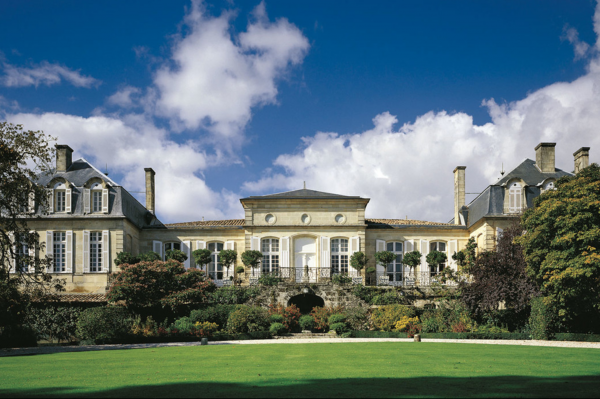
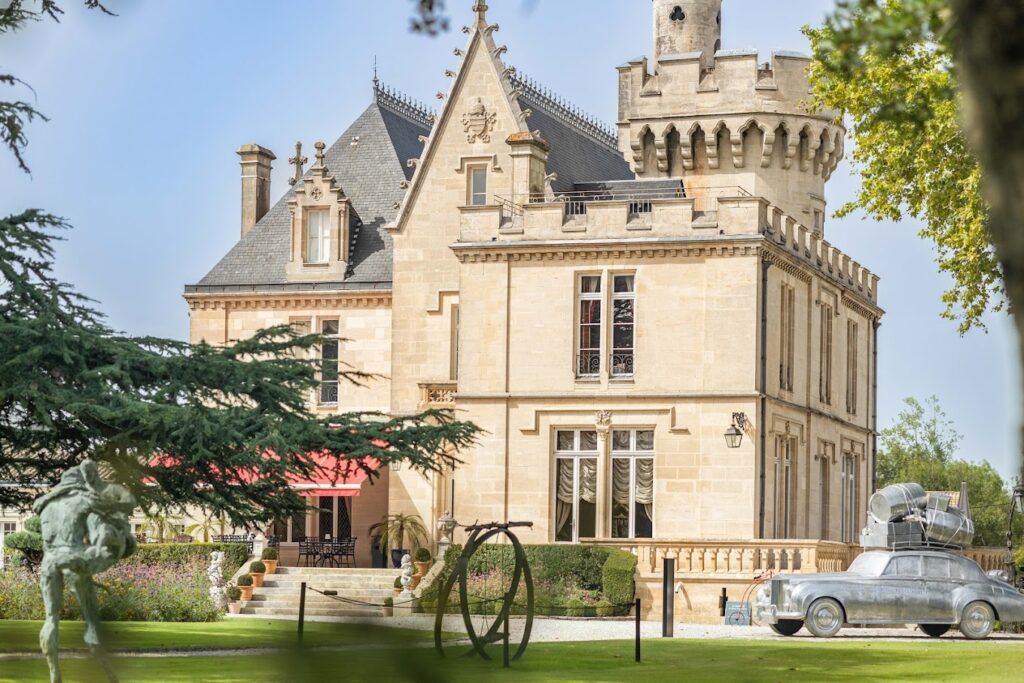
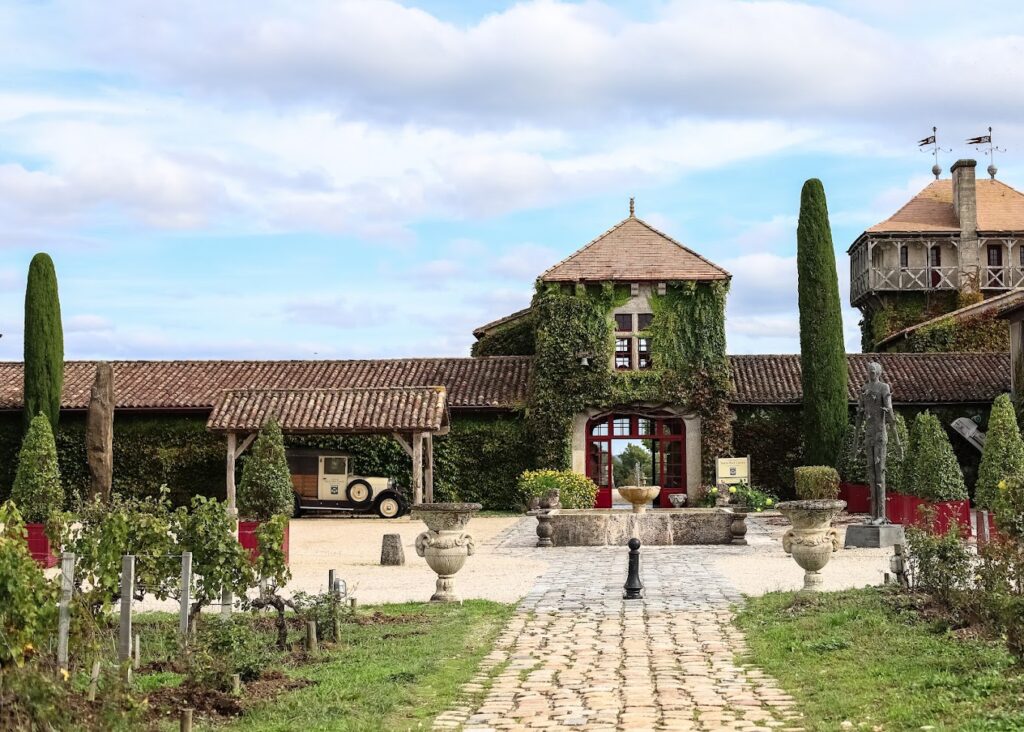
Bordeaux is home to some of the most prestigious vineyards in the world, each offering a unique and unforgettable experience. During a Decanter Tours wine tour you may visit several different chateaux. One of the must-visit estates is Château Margaux, located in the Médoc region on the Left Bank. Known for its elegant and powerful wines, Château Margaux is a symbol of Bordeaux's winemaking excellence. The estate's stunning architecture, beautiful gardens, and historic cellars provide a captivating backdrop for wine tastings and tours. The cellars were recently renovated by Norman Foster. Visitors can explore the vineyards, learn about the winemaking process, and sample the estate's renowned Grand Vin, Pavillon Rouge, and Pavillon Blanc wines.
Another iconic vineyard is Château Latour, also in the Médoc region. Château Latour is revered for its exceptional Cabernet Sauvignon-dominant wines, which are known for their depth, structure, and longevity. The estate's impressive tower, La Tour de Saint-Lambert, is a prominent feature of the landscape and a symbol of the vineyard's rich history. A visit to Château Latour offers a deep dive into the art of winemaking, with guided tours of the vineyards, cellars, and tasting rooms, where visitors can savor some of the finest wines Bordeaux has to offer.
On the Right Bank, Château Cheval Blanc in Saint-Émilion is a must-visit destination. This prestigious estate is renowned for its Merlot and Cabernet Franc blends, which are celebrated for their elegance, complexity, and aging potential. The modern winery, designed by architect Christian de Portzamparc, is a striking contrast to the historic vineyards and offers state-of-the-art facilities for wine production. A visit to Château Cheval Blanc includes a tour of the vineyards, a glimpse into the winemaking process, and a tasting of the estate's exceptional wines, providing a comprehensive and memorable experience for wine enthusiasts.
Château Marquis d'Alesme stands as a hidden gem in the Margaux appellation, offering an intimate and personalized experience that Decanter Tours has carefully cultivated over several years of partnership. This Third Growth estate, with its charming 18th-century château surrounded by meticulously maintained gardens, provides visitors with an unique glimpse into traditional Bordeaux winemaking. What makes this vineyard particularly special with Decanter Tours is the exclusive access to private cellars and the opportunity to taste rare vintages not available to the general public. The estate's commitment to sustainable viticulture and their innovative approach to blending Cabernet Sauvignon, Merlot, and Petit Verdot creates wines of exceptional finesse and complexity that perfectly represent the elegance of Margaux.
Château Palmer, one of the most prestigious estates in the Margaux appellation, offers Decanter Tours guests an unparalleled experience combining art, architecture, and exceptional winemaking. The estate's striking contemporary tasting room, designed by renowned architects, creates a dramatic contrast to the historic vineyards, while their commitment to biodynamic practices demonstrates a forward-thinking approach to viticulture. Through Decanter Tours' exclusive relationships, visitors enjoy private access to the estate's legendary cellars, where they can taste the renowned Palmer blend alongside rare vintages dating back decades. The château's unique approach to incorporating Cabernet Sauvignon, Merlot, and Petit Verdot, combined with their philosophical approach to winemaking that views each vintage as a work of art, creates an unforgettable tasting experience that showcases why Palmer is considered one of Bordeaux's most innovative producers.
Château Beauregard in Pomerol represents the epitome of Right Bank elegance, and Decanter Tours provides exclusive access to this family-owned estate that has been producing exceptional wines for over two centuries. Set amidst Pomerol's famous clay and gravel soils, the château's 17th-century manor house and manicured gardens create an intimate setting for wine lovers seeking to understand the nuances of Merlot-dominant blends. The estate's commitment to traditional winemaking methods, combined with their limited production of around 5,000 cases annually, ensures that each bottle represents the pinnacle of Pomerol craftsmanship.
Château Cos d'Estournel, with its distinctive Oriental-inspired architecture overlooking the Gironde estuary, offers Decanter Tours guests one of Bordeaux's most dramatic and memorable experiences. This Second Growth estate's pagoda-style château, complete with carved wooden doors from the Sultan of Zanzibar's palace, creates an exotic backdrop for tasting some of Saint-Estèphe's most powerful and age-worthy wines. Decanter Tours' long-standing relationship with the estate provides access to exclusive experiences, including private tastings in the estate's historic cellars of these legendary Cabernet Sauvignon-dominant blends. The château's unique microclimate, influenced by its proximity to the estuary, combined with their innovative approach to blending traditional and modern winemaking techniques, creates wines of exceptional depth and complexity that showcase the true potential of Saint-Estèphe terroir.
Château Smith Haut Lafitte in Pessac-Léognan represents the perfect marriage of tradition and innovation, offering Decanter Tours guests an immersive experience in both exceptional red and white wine production. This historic estate, owned by the Cathiard family since 1990, has become a model for sustainable viticulture and luxury wine tourism. With Decanter Tours, visitors can explore the estate's remarkable barrel cooperage, where they craft their own barrels on-site, and experience the unique underground cellars carved into limestone. The château's commitment to producing both world-class reds from Cabernet Sauvignon and Merlot, and exceptional whites from Sauvignon Blanc and Sémillon, provides a comprehensive understanding of Graves terroir. The estate's luxury spa, vineyard hotel, and Michelin-starred restaurant create an all-encompassing wine country experience that Decanter Tours seamlessly integrates into personalized itineraries.
Château Haut-Bailly, one of Pessac-Léognan's most elegant producers, offers Decanter Tours guests an intimate encounter with Bordeaux's winemaking artistry in a setting that perfectly balances tradition with modernity. This historic estate, dating back to the 16th century, focuses exclusively on red wine production, allowing them to perfect their craft with Cabernet Sauvignon, Merlot, and Cabernet Franc blends that exemplify the finesse and complexity of Graves terroir. The team of Haut Bailly shares insights into their philosophy of minimal intervention and respect for the vineyard's natural expression. The château's beautiful gardens, historic cellars, and commitment to producing wines that age gracefully for decades create an atmosphere where visitors can truly appreciate the patience and dedication required to create exceptional Bordeaux wines.
Château d'Yquem, the legendary Premier Cru Supérieur of Sauternes, represents the pinnacle of sweet wine production and offers Decanter Tours guests an once-in-a-lifetime experience at the world's most prestigious dessert wine estate. This historic château owned by the LVMH group, with its distinctive architecture and commanding views over the Sauternes appellation, produces wines that are considered among the greatest in the world. With Decanter Tours, visitors can explore the estate's unique winemaking process, including the painstaking selection of botrytis-affected grapes and the traditional methods used to create these golden, honeyed masterpieces. The opportunity to taste multiple vintages of Yquem, some dating back decades, provides an understanding of how these extraordinary wines evolve and develop complexity over time. The estate's commitment to producing only the finest quality, even in challenging vintages when they may declassify their entire production, demonstrates the uncompromising standards that have made Yquem synonymous with perfection in the wine world.
These highlighted châteaux showcase the caliber of our exclusive partnerships throughout Bordeaux. Let our team create your bespoke wine journey from our extensive network of premier estates.
Bordeaux offers a plethora of wine tours and experiences tailored to suit every wine lover's preferences. One of the most popular options is the Médoc Wine Tour, which takes you through the heart of the Médoc region, home to some of the world's most famous wine estates. This tour typically includes visits to several Grand Cru Classé châteaux, where you can explore the vineyards, learn about the winemaking process, and enjoy guided tastings of the estate's finest wines. The Médoc Wine Tour is an excellent way to immerse yourself in the history and traditions of Bordeaux's Left Bank.
For those looking to explore the Right Bank, the Saint-Émilion Wine Tour is a fantastic choice. This tour takes you to the charming medieval village of Saint-Émilion, a UNESCO World Heritage site known for its picturesque streets and historic monuments. The tour includes visits to some of the top châteaux in the region, where you can taste the rich, velvety wines that Saint-Émilion is famous for. Additionally, you can explore the village's underground cellars, ancient churches, and scenic vineyards, making the Saint-Émilion Wine Tour a truly immersive experience.
For a personalized experience, Decanter Tours only offer private wine tours in Bordeaux with a local wine experts. Our private tours offer the flexibility to customize your itinerary based on your interests and preferences. You can choose to visit specific châteaux, explore lesser-known estates, or even include gourmet dining experiences. A private tour allows you to delve deeper into Bordeaux's wine culture, with personalized attention and insights from knowledgeable guides. Whether you are a seasoned wine connoisseur or a curious beginner, a private tour offers an exclusive and tailored experience that is sure to be memorable.
Planning a wine tour in Bordeaux requires some preparation to ensure you make the most of your visit. One of the first things to consider is the timing of your trip. The best time to visit Bordeaux is during the spring (April to June) or fall (September to October) when the weather is pleasant, and the vineyards are at their most beautiful. These seasons also coincide with key events in the winemaking calendar, such as the flowering (June) and harvesting (September) of the grapes, providing a unique glimpse into the viticulture process. However it is good to note that some chateaux do not allow visits during harvest time.
The key to an exceptional Bordeaux wine tour lies in early planning. We recommend booking your château visits 6-9 months ahead, as Bordeaux's most prestigious estates maintain limited availability and fill their tasting schedules rapidly during high season.
Share your wishlist of preferred vineyards with our team, and we'll craft a seamless itinerary that maximizes your time in this legendary wine region. Our expertise in coordinating château visits ensures perfect timing and logistics—we understand that each estate has specific scheduling requirements and capacity constraints. By entrusting us with your itinerary planning, you'll experience Bordeaux's finest wines without the stress of managing complex reservations and travel logistics yourself.
This approach transforms what could be a logistical challenge into an effortless journey through Bordeaux's most celebrated wine estates.
Transportation is another key aspect to consider when planning your Bordeaux wine tour. While renting a car gives you the flexibility to explore at your own pace, it also means you'll need to navigate the region's roads and find parking at each vineyard. With our guided tours transportation is always included, which allows you to relax and focus on enjoying the experience. Some of our tours can even offer bike or e-bike options for a more active and eco-friendly way to explore the vineyards.
Bordeaux is a vibrant region with a rich cultural calendar, offering numerous events and festivals that celebrate its winemaking heritage. One of the most anticipated events is the Bordeaux Wine Festival (Bordeaux Fête le Vin), held every two years in June. This four-day festival transforms the city's quays into a bustling celebration of wine, with dozens of wine producers offering tastings, workshops, and masterclasses. Visitors can purchase a tasting pass, which includes a souvenir glass and access to the various wine pavilions. The festival also features live music, fireworks, and a grand parade of wine brotherhoods, making it a must-visit event for wine enthusiasts.
Another highlight is the Médoc Marathon (Marathon du Médoc), an annual event held in September that combines running with wine tasting. This unique marathon takes participants through the scenic vineyards and châteaux of the Médoc region, with wine and food stations along the route. Runners often dress in costumes, and the event has a festive and convivial atmosphere. The Médoc Marathon is a fantastic way to experience the beauty of the vineyards while enjoying the region's world-famous wines and local delicacies.
Wine tasting in Bordeaux is an art form, and understanding the proper etiquette can enhance your experience and appreciation of the wines. But there's no need to be intimidated by a high profile tasting. One of the key aspects of wine tasting etiquette is to approach each tasting with an open mind and a willingness to learn. Bordeaux's winemakers take great pride in their craft, and showing respect for their expertise and heritage is important. Afterall we all learn something new every day. Listen attentively to the explanations provided by the guides or winemakers, and don't hesitate to ask questions about the wines, the vineyard, or the winemaking process.
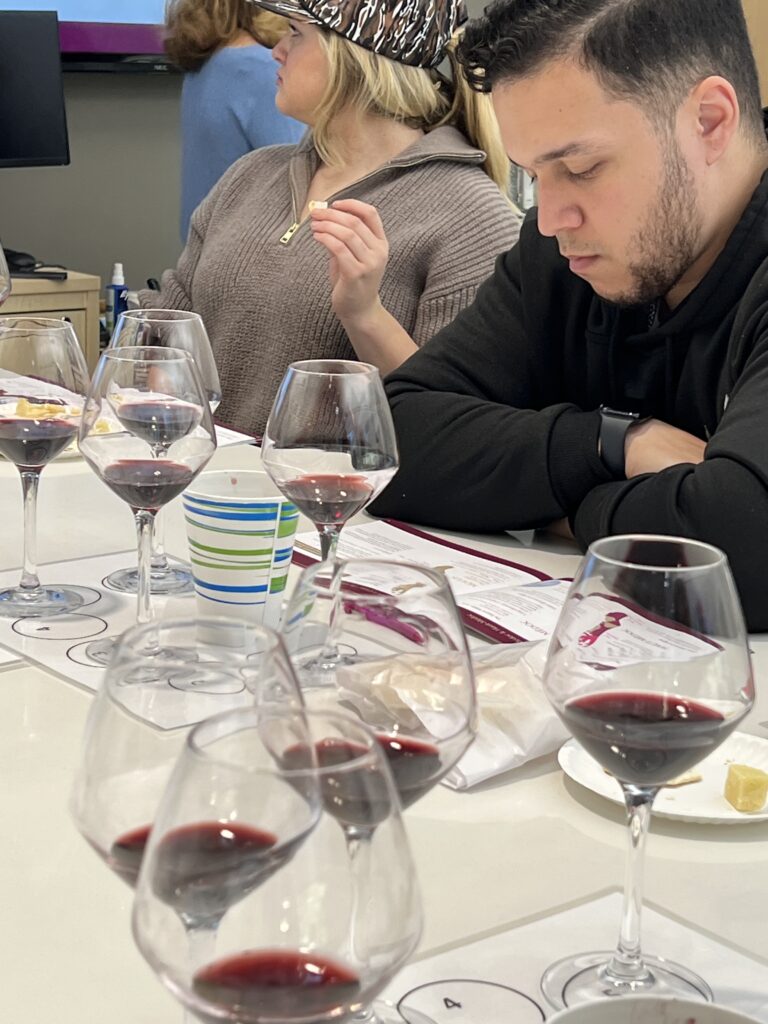
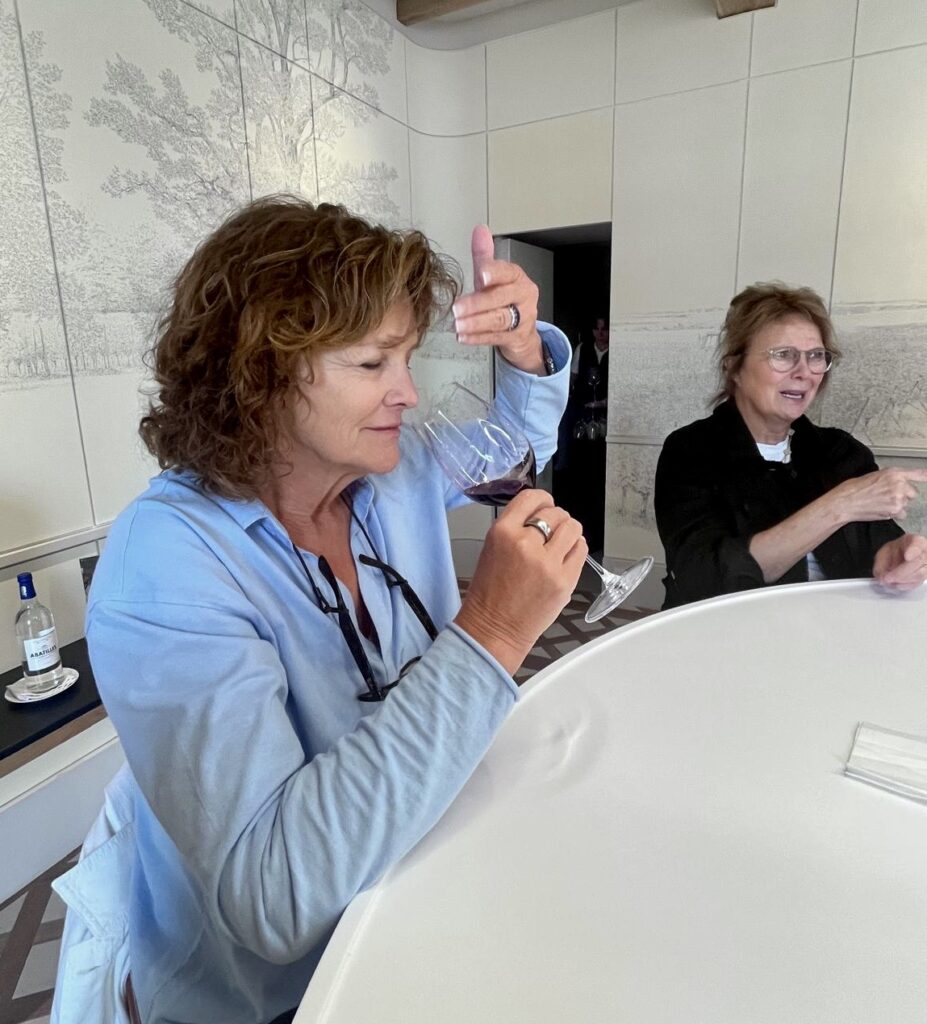
When tasting a lot of wine at once, it's customary to start with lighter wines and progress to fuller-bodied ones. Begin with dry white wines, followed by rosés, light reds, and then move on to more robust red wines. If sweet wines are offered, save them for the end. This progression allows your palate to adjust and fully appreciate the nuances of each wine. However when visiting the chateau in Bordeaux, you will normally have 2 - 3 wines at a time. And the pours are less than you would expect. Typically 2-3 ozs.
There is a simple three step process to wine tasting that may help you be a better wine expert.
Begin by examining the wine's visual character. Hold your glass against a white background and note the color's intensity and hue. A young red wine might display vibrant purple tones, while mature wines often reveal brick or garnet shades. The wine's opacity offers clues too—if you can't read the hands of your wristwatch through the glass, you're likely holding a full-bodied, concentrated wine.
First smell the wine before you swirl it. The aromas will be the most volatile. Next, awaken the wine's aromatic potential with a gentle swirl, releasing the complex bouquet trapped within. Take a moment to inhale deeply and identify the layers of scent. It will be very different from the first "nose". Professional tasters categorize aromas into families: fruit (citrus, stone fruit, or berries), floral (rose, violet, jasmine), spice (pepper, cinnamon, clove), wood (oak, cedar), or earthy notes (leather, tobacco, mineral). Challenge yourself to be specific—is that citrus aroma more like fresh lemon zest or candied orange peel?
Finally, taste thoughtfully. Let the wine coat your palate and pay attention to its weight and texture—is it light and delicate or rich and velvety? Notice how the flavors evolve from the initial taste through to the finish, that lingering impression that remains after you swallow. Each element tells part of the wine's unique story.
Spitting is a common practice in wine tasting, especially when visiting multiple vineyards in one day. It allows you to taste a variety of wines without becoming too light headed. Most all tasting rooms provide spittoons for this purpose, and it's perfectly acceptable to use them. If you prefer not to spit, consider taking small sips and pacing yourself throughout the day. Additionally, it's polite to express your appreciation for the wines you enjoy and provide feedback to the winemakers. Whether you are a seasoned wine connoisseur or a novice taster, following these etiquette guidelines will help you make the most of your Bordeaux wine experience. But just a pointer if you'd like to return, never say its awful!
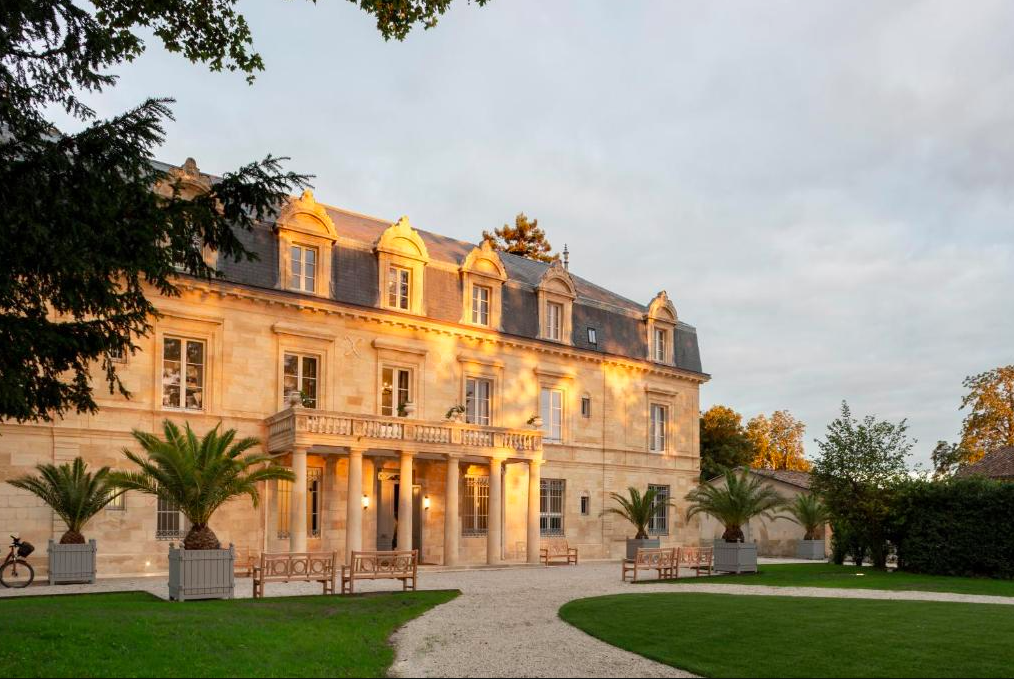
Your choice of accommodation can transform your Bordeaux wine journey from memorable to extraordinary. At Decanter Tours, we've cultivated exclusive partnerships with some of the region's most prestigious château properties, offering our guests unparalleled access to intimate vineyard stays that few travelers ever experience.
Through our privileged relationships, we can arrange stays at exceptional properties like Troplong Mondot, where you'll wake up surrounded by world-renowned vineyards, or the American-owned Maison du Breuil and Château Haut-Bailly, each offering their own distinctive charm and wine heritage. These aren't simply hotel stays—they're immersive experiences where you become part of the château's daily rhythm. We handle every detail, from coordinating private wine tastings with the estate's winemaker to arranging personal chefs who create exquisite meals paired perfectly with the property's wines. These exclusive accommodations provide intimate access to private cellars, behind-the-scenes vineyard tours, and dining experiences that extend far beyond what's available to the general public.
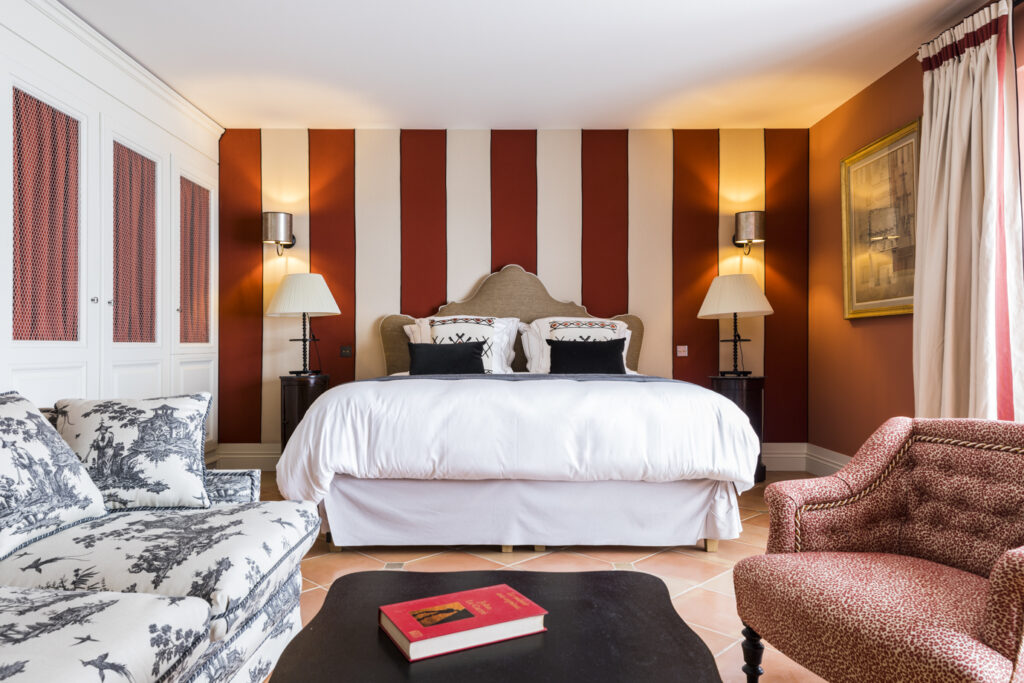
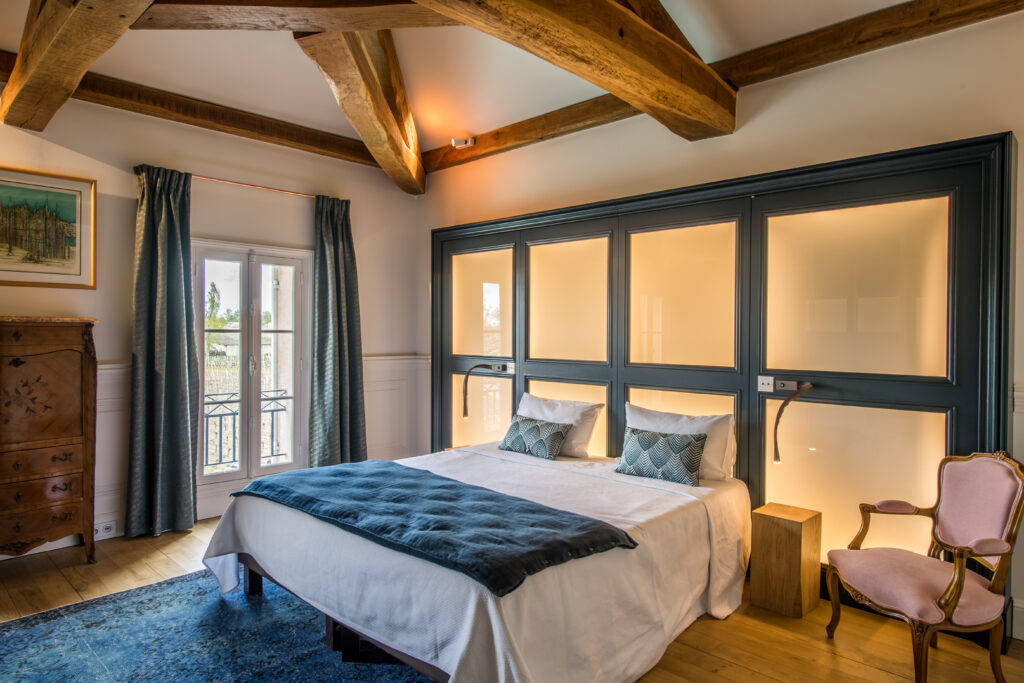
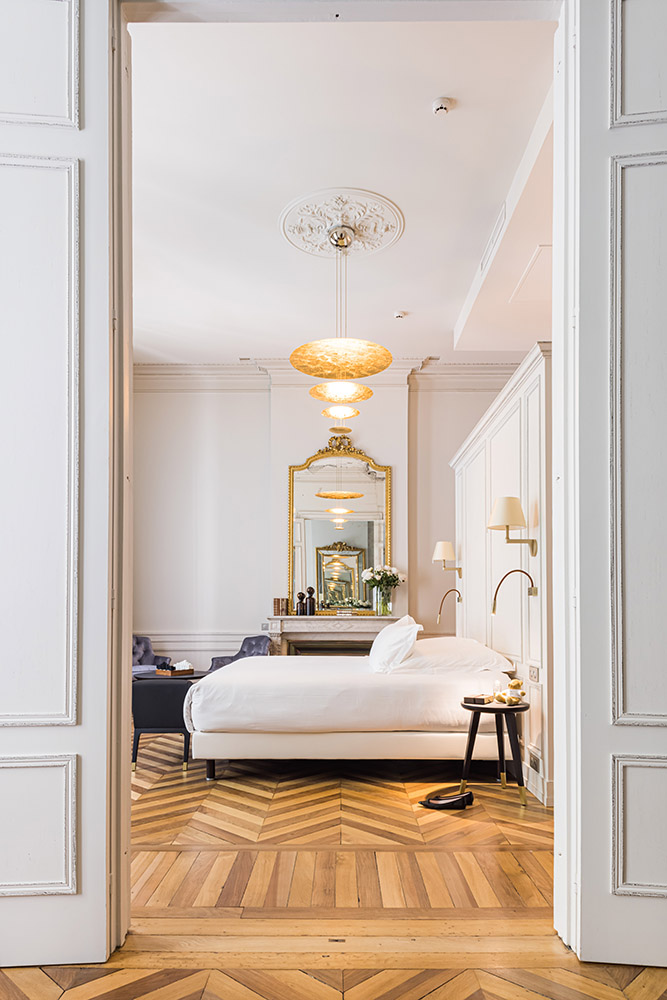
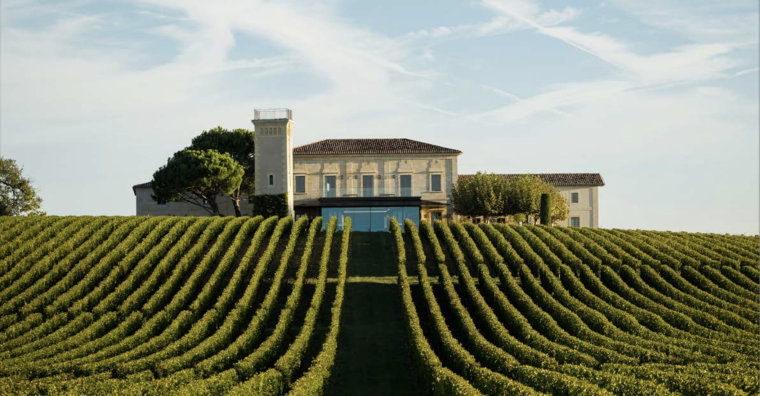
For those who prefer the sophistication of Bordeaux's urban center, our preferred partners include the Grand Hotel Bordeaux and Villa Tourny—properties that perfectly complement our commitment to exceptional service and insider access. These elegant establishments serve as ideal bases for exploring both the city's cultural treasures and the surrounding wine regions.
Contact Decanter Tours directly to learn more about these exclusive accommodation options and other hidden gems throughout Bordeaux's wine country. Our insider relationships unlock experiences that simply aren't available through traditional booking channels.
A wine tour in Bordeaux is a journey through one of the most celebrated wine regions in the world, offering a unique blend of history, culture, and exceptional wines. From the prestigious châteaux of the Left Bank to the charming vineyards of the Right Bank, Bordeaux's diverse terroir and rich winemaking traditions provide endless opportunities for discovery. Whether you are exploring the grand estates, participating in wine festivals, or enjoying intimate tastings, each experience adds to the tapestry of your Bordeaux adventure.
To make the most of your Bordeaux wine tour, take the time to plan your itinerary carefully, book your vineyard visits in advance, and consider the timing of your trip to coincide with key events and festivals. Embrace the local culture, follow wine tasting etiquette, and approach each tasting with an open mind and a sense of curiosity. By doing so, you will not only deepen your appreciation for Bordeaux's wines but also create lasting memories of an extraordinary journey through this enchanting region.
Whether you are a seasoned wine connoisseur or a curious beginner, Bordeaux offers something for everyone. Its stunning landscapes, historic vineyards, and world-class wines provide a captivating backdrop for an unforgettable experience. So raise your glass and toast to the magic of Bordeaux, where every sip is a step into a legacy of tradition and art, and every moment is a celebration of wine and culture. Cheers to your ultimate Bordeaux wine tour! Contact Decanter Tours for a detailed quote.
The best restaurants in St Emilion offer an extraordinary culinary experience that perfectly complements the world-renowned wines of this enchanting UNESCO World Heritage Site. Nestled amidst rolling vineyards in southwest France, St Emilion is celebrated not only for its exceptional Grand Cru wines but also for its diverse and sophisticated dining scene. From rustic bistros serving traditional French fare to elegant Michelin-starred establishments, this medieval gem promises gastronomic delights for every palate. In this guide, we'll explore the best restaurants in St Emilion that showcase the region's rich culinary heritage and innovative approach to food, focusing exclusively on the most outstanding dining establishments that deserve a spot on your itinerary.
The culinary landscape of St Emilion is deeply rooted in the terroir that produces some of the world's most coveted wines. Local chefs embrace the farm-to-table philosophy, sourcing seasonal ingredients from nearby farms and markets to create dishes that harmonize perfectly with the region's celebrated Merlot and Cabernet Franc blends.
What truly sets the best restaurants in St Emilion apart is their masterful integration of wine culture into the dining experience. Many establishments are housed in centuries-old stone buildings or within working châteaux, where sommeliers expertly guide diners through wine pairings that elevate each course. The gastronomic scene beautifully balances respect for traditional Bordelaise cuisine with contemporary techniques and global influences, creating memorable meals that capture the essence of this historic wine region.
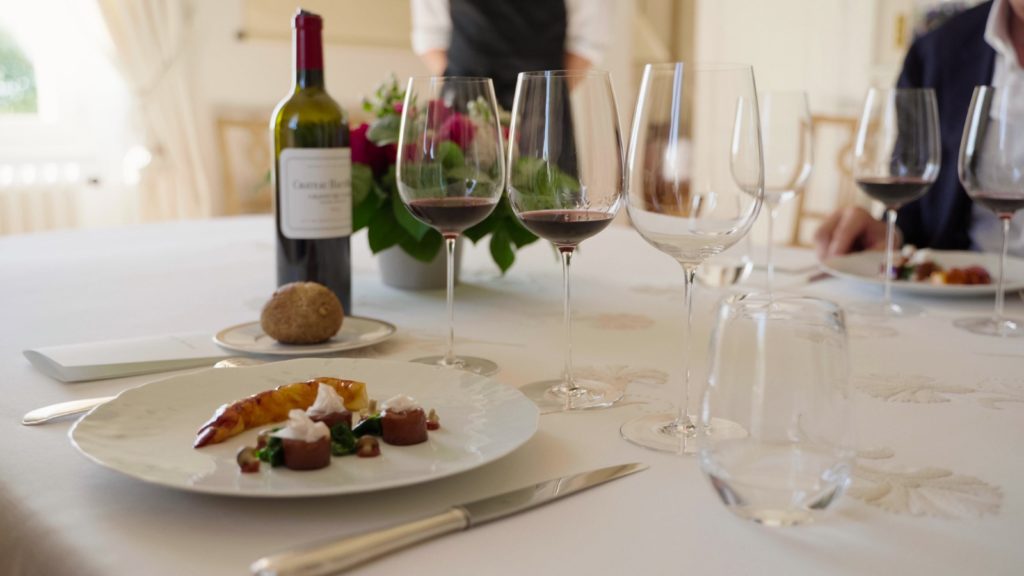
From hidden gems tucked away in cobblestone alleys to grand dining rooms overlooking the vineyards, here are our top recommendations for the best restaurants in St Emilion that promise unforgettable culinary experiences:
A beloved institution among locals and visitors alike, L'Envers du Décor combines casual charm with sophisticated cuisine. Housed in a 19th-century building near the main square, this bistro-style restaurant offers a relaxed setting with exposed stone walls and wooden beams.
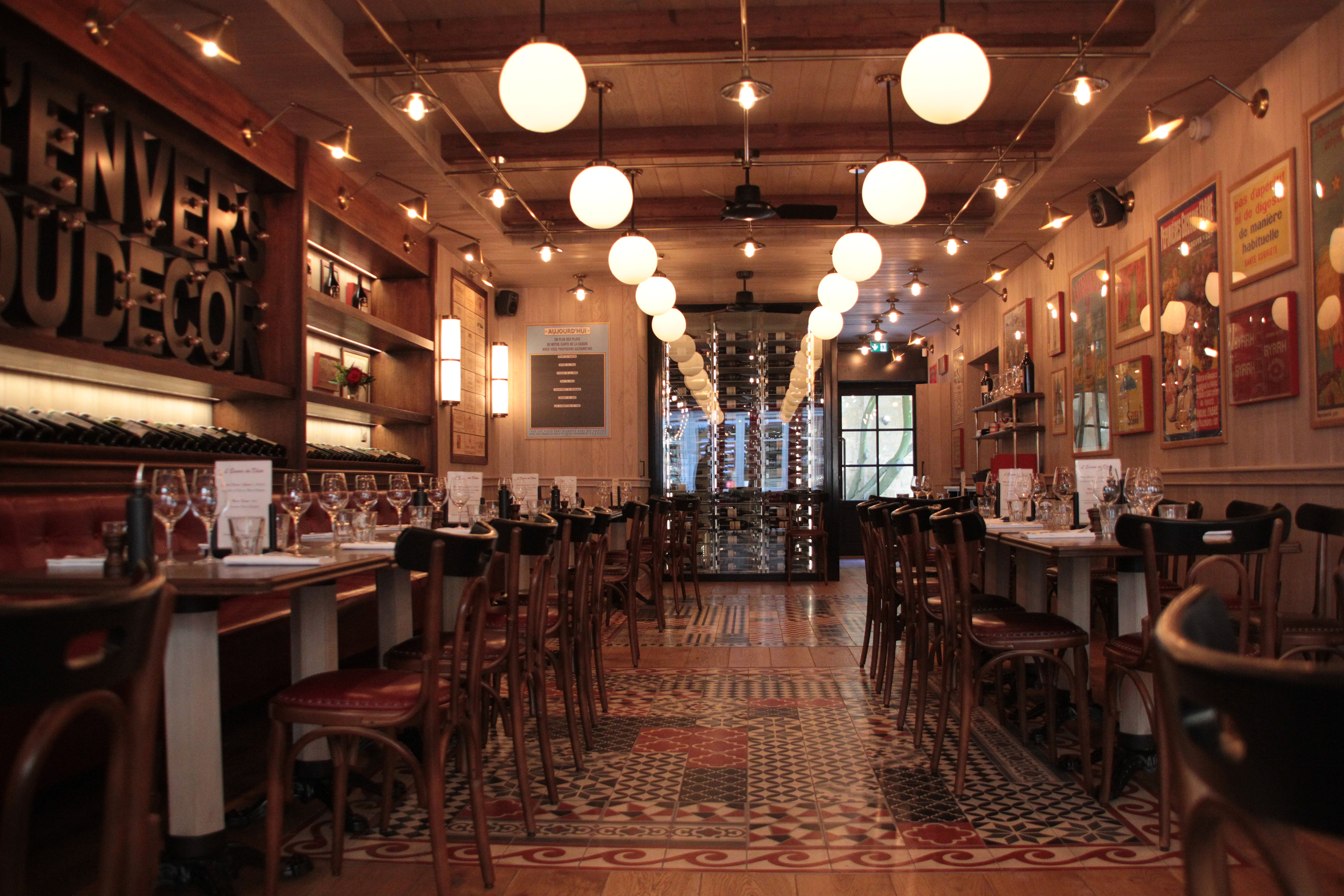
Owned by the prestigious Perse family—who also own the Relais & Châteaux Hôtel de Pavie and the legendary Château Pavie—L'Envers du Décor benefits from the family's commitment to excellence in both wine and gastronomy. The menu features creative interpretations of French classics, with standout dishes including foie gras terrine with fig compote and perfectly executed duck confit. Their wine list is particularly impressive, featuring an extensive selection of St Emilion wines alongside other Bordeaux treasures. Many regulars consider this among the best restaurants in St Emilion for those seeking excellent food without pretension.
Cheese enthusiasts will find their paradise at Le Bis By Baud et Millet, a charming restaurant specializing in artisanal cheese pairings. The rustic yet elegant interior sets the stage for a unique dining experience centered around France's dairy heritage.
The restaurant's cave houses over 100 varieties of carefully aged cheeses, which are thoughtfully paired with local wines. Their signature cheese boards feature selections from small producers throughout France, while hot dishes like truffle-infused Camembert or Comté fondue showcase cheese in its most indulgent forms. The knowledgeable staff excel at recommending wine pairings to complement your cheese selections, making this a standout among the best restaurants in St Emilion for immersive food experiences.
For those seeking a break from traditional French cuisine, Café Saigon offers a refreshing alternative in the heart of wine country. This stylish restaurant blends Vietnamese culinary traditions with French techniques, resulting in a unique fusion experience that has earned it a loyal following—particularly among local winemakers and château owners who frequently dine here.
The restaurant's intimate layout features a tiny open kitchen downstairs where you can watch the chefs at work, while a short climb upstairs reveals a cozy dining room with just a dozen tables, creating an atmosphere of exclusivity and charm. Fresh spring rolls, aromatic pho, and lemongrass-infused seafood dishes provide a welcome contrast to the region's typically rich fare. The restaurant even incorporates local Bordeaux wines into some of its sauces and marinades, creating unexpected flavor combinations. The elegant yet relaxed atmosphere makes Café Saigon one of the best restaurants in St Emilion for diners seeking culinary diversity.
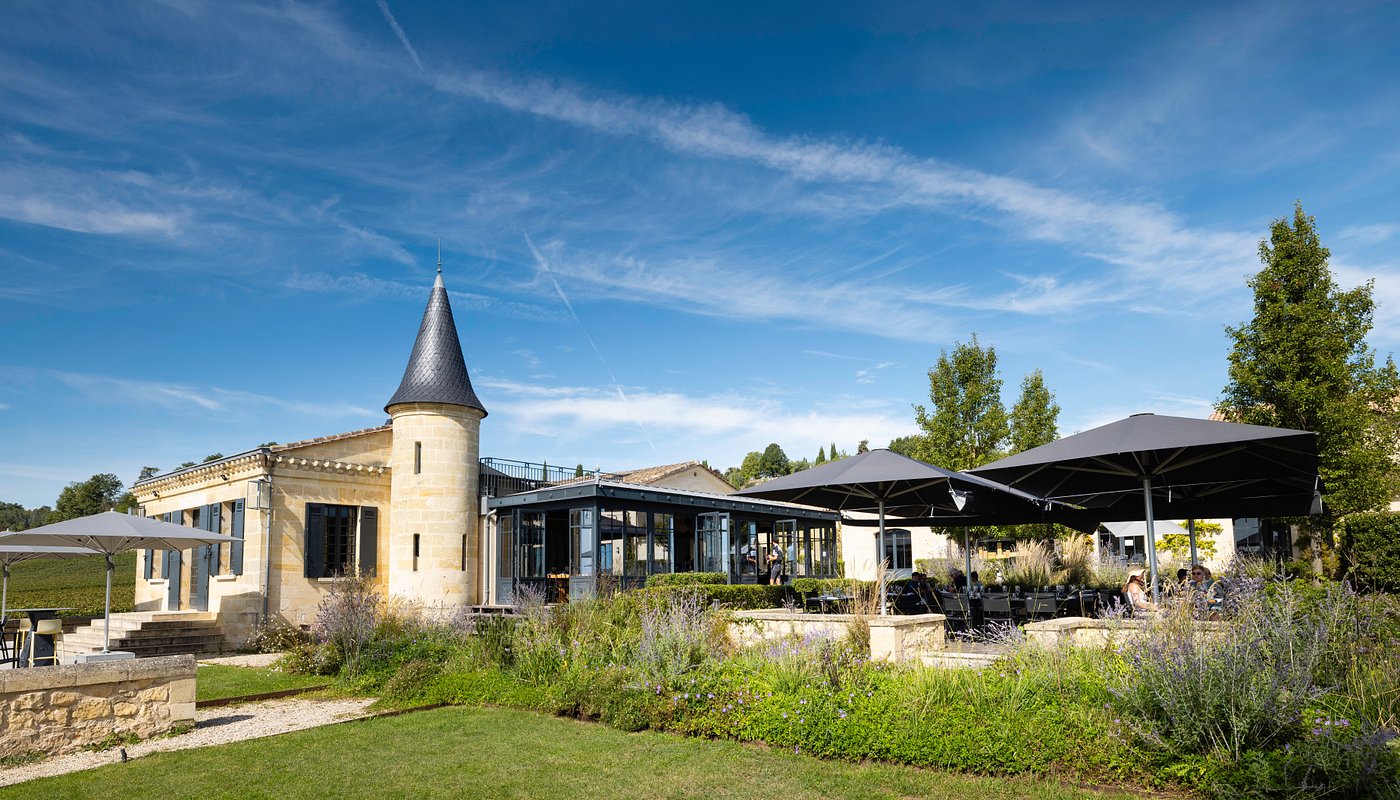
Set within a working wine estate just outside the village center, Atelier de Candale embodies the seamless marriage of viticulture and gastronomy. The restaurant's modern dining room features panoramic windows overlooking the estate's vineyards, creating a stunning backdrop for an exceptional meal.
The seasonal menu celebrates the bounty of southwestern France with sophisticated dishes that complement the château's wines. Signature offerings include seared scallops with truffle risotto and perfectly aged beef from local farms. Wine lovers consider this one of the best restaurants in St Emilion for understanding the relationship between food and wine, as each course can be paired with vintages produced just steps from your table.
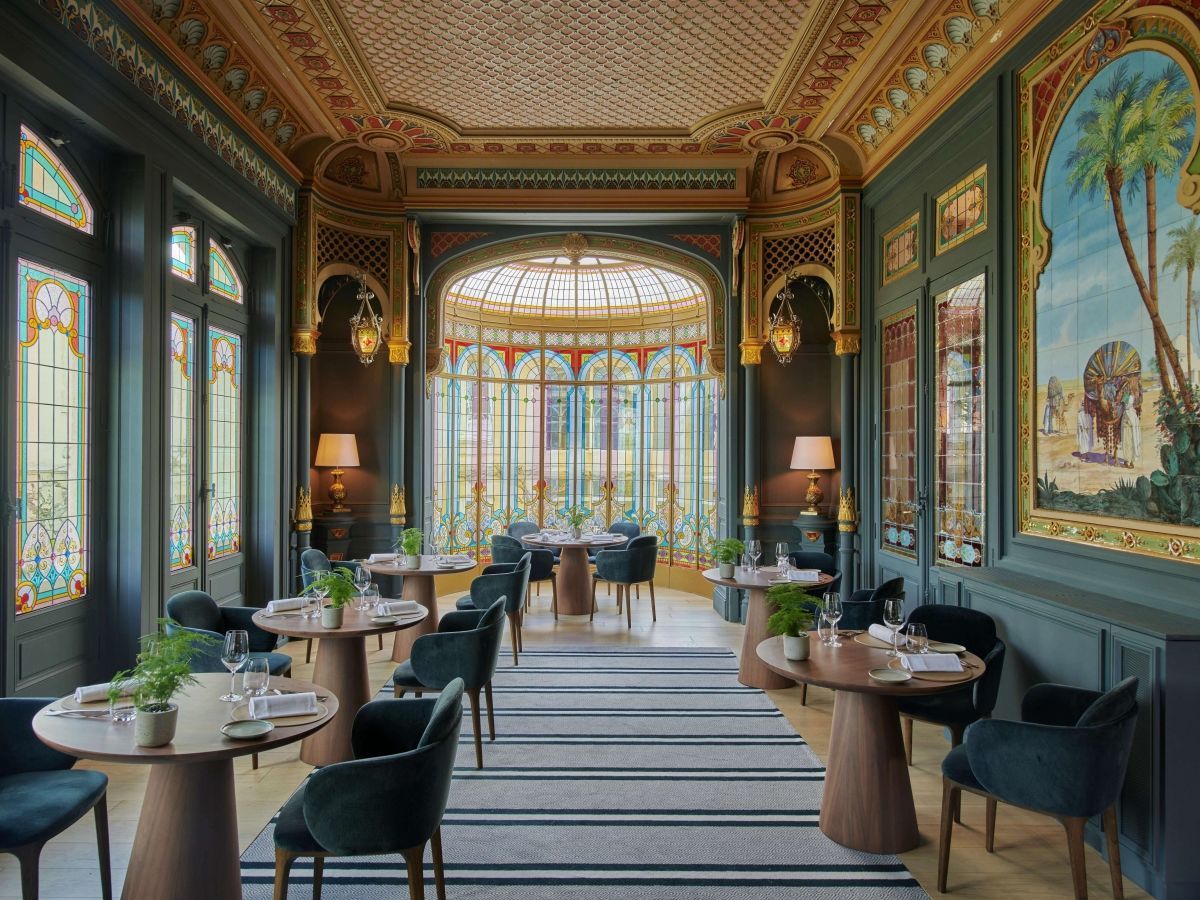
Located in a magnificent 19th-century château hotel, the restaurant at Grand Barrail offers a truly luxurious dining experience. The elegant dining room, with its crystal chandeliers and ornate moldings, sets the stage for refined cuisine that has earned critical acclaim.
The chef's tasting menu showcases technical precision and artistic presentation, featuring delicacies like butter-poached lobster and truffle-infused foie gras. The sommelier expertly guides diners through both prestigious labels and hidden gems from the region. With impeccable service and breathtaking views of the surrounding vineyards, Château Grand Barrail ranks among the best restaurants in St Emilion for special celebrations and romantic occasions.
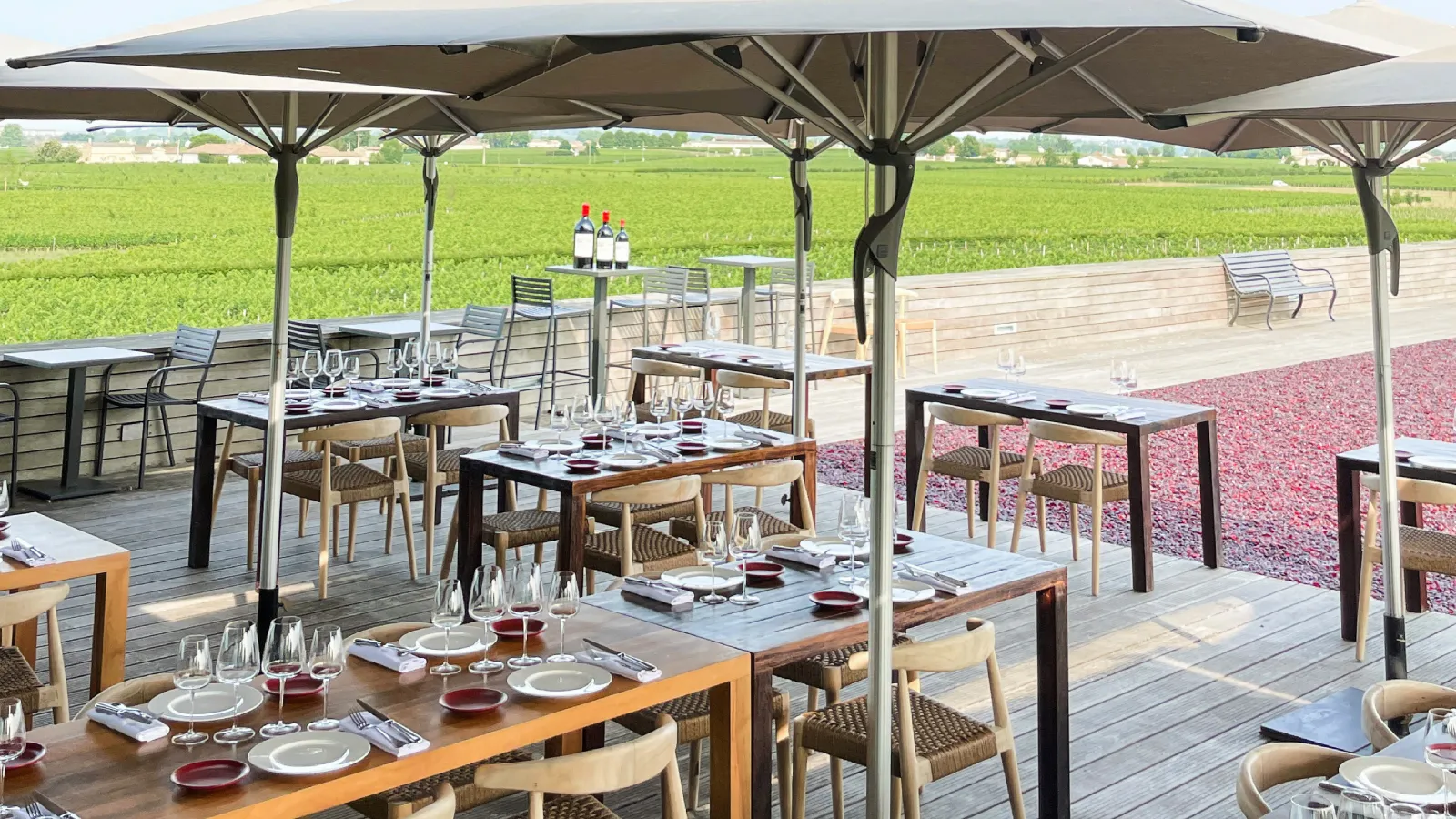
Perhaps the most visually striking of all dining venues in the region, La Terrasse Rouge is perched atop Château La Dominique with its distinctive red rooftop terrace designed by architect Jean Nouvel. This contemporary space offers 360-degree views of the vineyards stretching toward the horizon, including the neighboring legendary Château Cheval Blanc owned by luxury giant LVMH.
The cuisine matches the modern setting with innovative presentations and bold flavor combinations. The menu changes frequently but often features sea bass ceviche, perfectly seared duck breast, and creative vegetable-forward dishes. Their wine list naturally highlights the château's own production alongside other notable St Emilion offerings. For those seeking cutting-edge cuisine in a dramatic setting, this ranks among the best restaurants in St Emilion for memorable dining experiences.
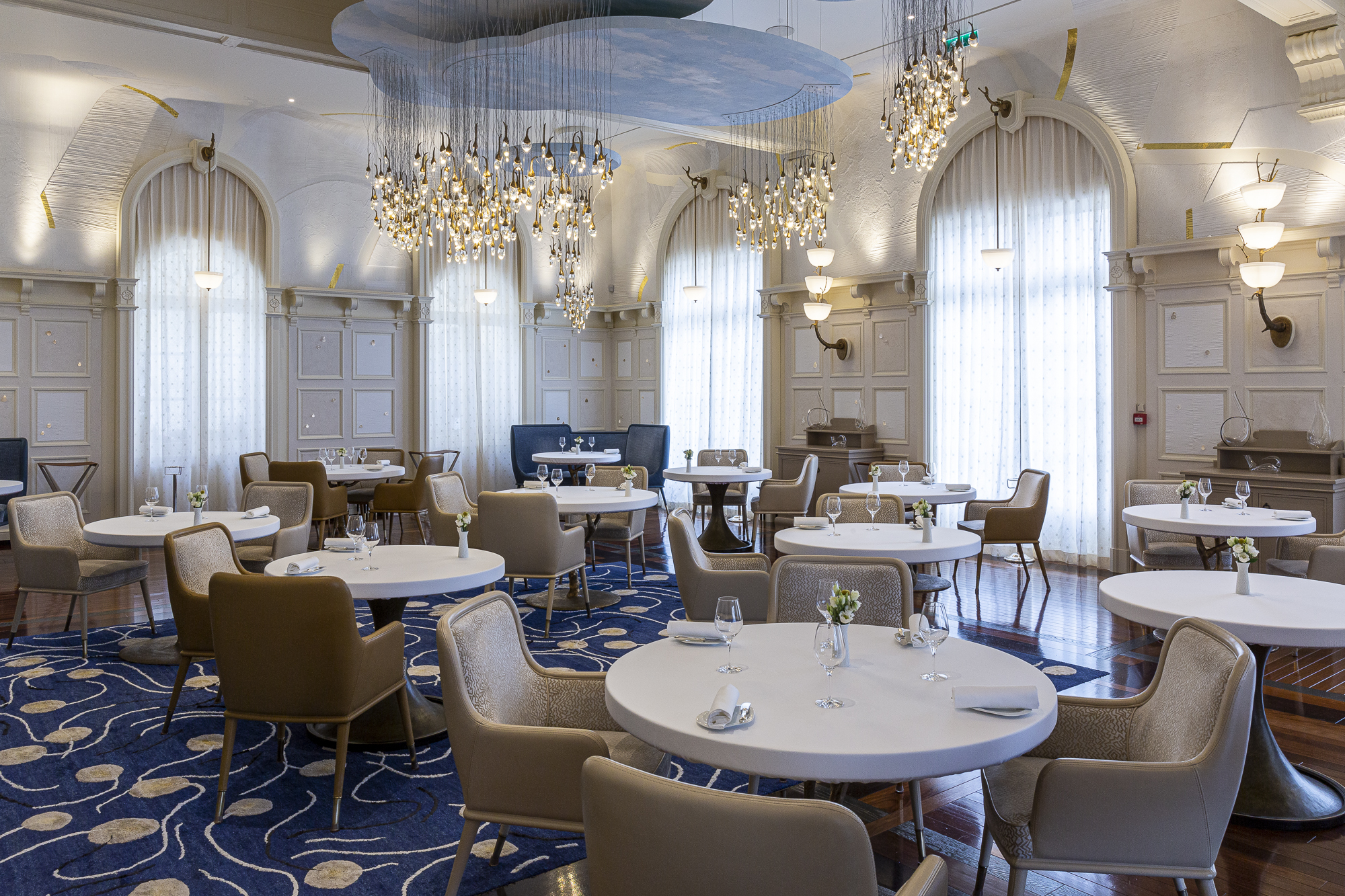
The crown jewel of St Emilion's dining scene, La Table de Pavie represents the pinnacle of gastronomic excellence with its two Michelin stars. Located within the luxurious Hostellerie de Plaisance hotel, this restaurant offers a transcendent dining experience worthy of a special journey.
The Perse family entrusted acclaimed chef Yannick Alléno, in place since 2020, to become the interpreter of the terroir that surrounds the restaurant. With the desire to create a dialogue between the vineyard of Château Pavie and La Table de Pavie, while also supporting local artisans and producers, Alléno has crafted a distinctive great Bordeaux cuisine. The products of the South-West serve as an inexhaustible source of inspiration for the Chef and his teams, particularly for their innovative pairings with regional wines.
Alléno emphasizes that the success of La Table de Pavie is above all an excellent team effort. He relies on a strong brigade led by Executive Chef Sébastien Faramond and Pastry Chef Sébastien Nabaile to create exquisite dishes that balance technical mastery with emotional connection, transforming local ingredients into works of culinary art. The tasting menu might include langoustine with caviar, pigeon with black truffle, and intricate desserts featuring seasonal fruits. The wine pairing option is highly recommended, as the sommelier's selections showcase both legendary producers and emerging talents from the region. For gastronomes seeking the very best restaurants in St Emilion, La Table de Pavie delivers an unforgettable experience that justifies its prestigious recognition.
Situated in a picturesque spot between St Emilion and neighboring Pomerol, La Table de Catusseau charms visitors with its intimate atmosphere and commitment to authentic southwestern French cuisine. The converted farmhouse creates a cozy setting with just a handful of tables, ensuring personalized attention.
This understated gem has become another favored haunt for local winemakers, who appreciate its unpretentious atmosphere and consistently excellent food. The menu focuses on regional specialties executed with precision, including confit duck leg, entrecôte bordelaise, and seasonal mushroom dishes when available. Family-owned and operated, this hidden gem represents the warm hospitality that makes dining in wine country so special. For those exploring the broader region, this counts among the best restaurants in St Emilion and its environs for experiencing genuine local cuisine.
The best restaurants in St Emilion often book up weeks or even months in advance, particularly during the high season from May through October. Here are some essential tips for securing your desired dining experiences:
Decanter Tours specializes in creating bespoke culinary experiences that go beyond traditional restaurant dining in St Emilion. Their expert-led food and wine experiences include:
These curated experiences complement visits to the best restaurants in St Emilion by providing insider access to the region's food culture and traditions. Decanter Tours can also arrange priority reservations at sought-after dining establishments as part of comprehensive wine country itineraries.
While the best restaurants in St Emilion operate year-round, each season offers unique culinary experiences. Spring (April-June) brings fresh vegetables and asparagus to menus, while summer (July-August) offers outdoor dining amid the vines. Fall (September-October) coincides with harvest and features truffle and game dishes, while winter (November-March) provides a quieter experience with heartier cuisine. September through October generally offers the ideal combination of pleasant weather, seasonal ingredients, and vineyard activity.
Traditionally meat-centric, the culinary scene has evolved to accommodate diverse dietary preferences. Many of the best restaurants in St Emilion now offer vegetarian options, particularly those with more contemporary menus like La Terrasse Rouge. Vegan options remain more limited but are increasingly available with advance notice. Restaurants connected to luxury hotels and Michelin-starred establishments are typically most accommodating to specific dietary requirements when notified during reservation.
Absolutely—wine pairing is fundamental to dining culture in this renowned wine region. All of the best restaurants in St Emilion offer extensive wine lists featuring local producers, from village wines to prestigious Grand Cru Classé. Many establishments offer guided pairing options where sommeliers select appropriate wines for each course. Some restaurants also allow guests to bring their own bottle for a corkage fee, which is ideal if you've purchased a special wine during château visits.
The level of family-friendliness varies among the best restaurants in St Emilion. More casual establishments like L'Envers du Décor welcome children and may offer simplified menu options. Fine dining venues such as La Table de Pavie can accommodate well-behaved older children but may not be suitable for very young ones. Many vineyard restaurants with outdoor spaces provide a more relaxed environment where families can dine comfortably. It's always advisable to inquire about family-friendliness when making reservations.

Experience the finest private wine tours in Bordeaux and beyond. With over 20 years of expertise, we craft tailor-made wine journeys to iconic regions like Médoc, Saint-Émilion, Burgundy, and Champagne. Explore exclusive chateaux with expert guides and seamless planning for a truly unforgettable experience.